8 Jul
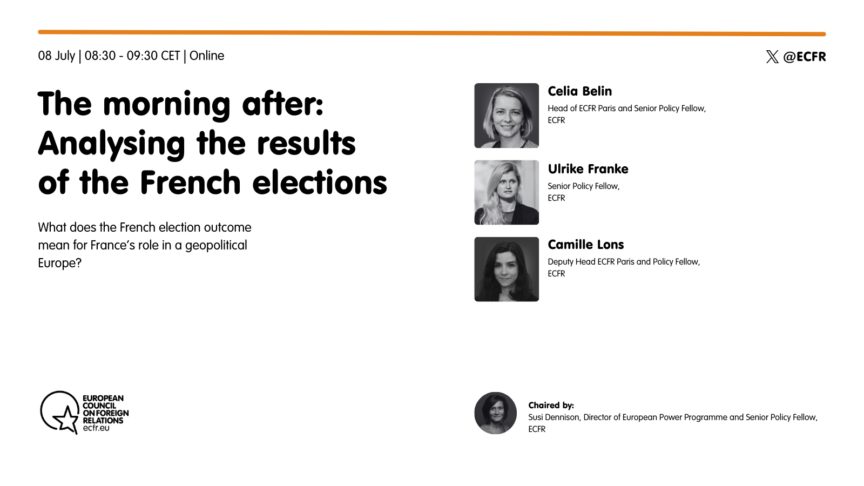
The Morning After: Analysing the Results of the French Election
As France discovers the new making of its national assembly, this webinar will analyse the election results and reflect on their impact on a geopolitical…
As France discovers the new making of its national assembly, this webinar will analyse the election results and reflect on their impact on a geopolitical…
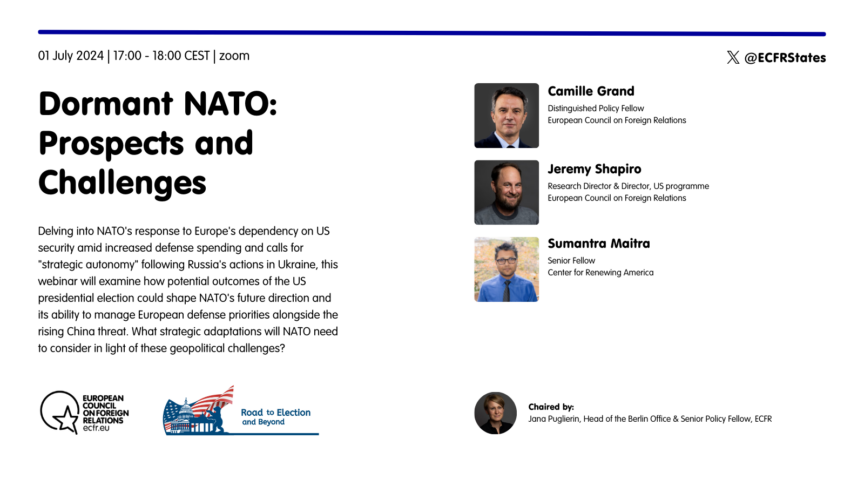
Russia’s war against Ukraine has shown how much the Europeans are still dependent on the US to ensure their security, despite all the talk of…
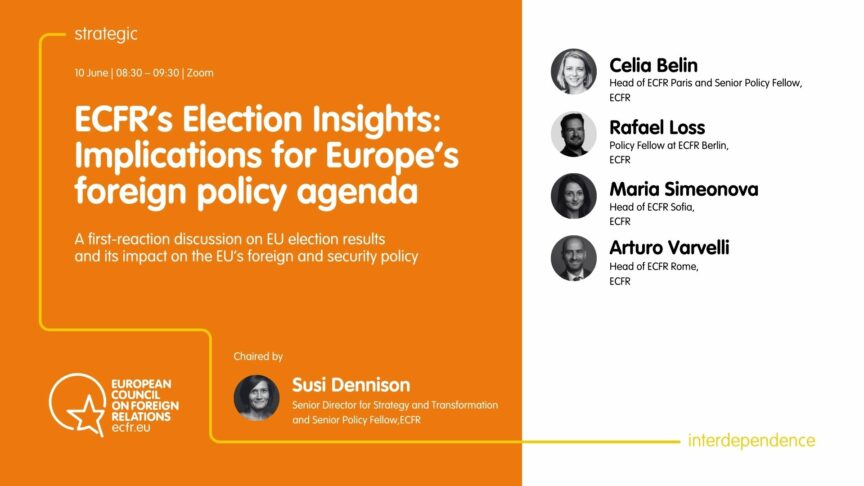
This webinar will provide a snapshot analysis of election results and their implications for Europe’s foreign policy and security agenda. Featuring perspectives from selected ECFR…
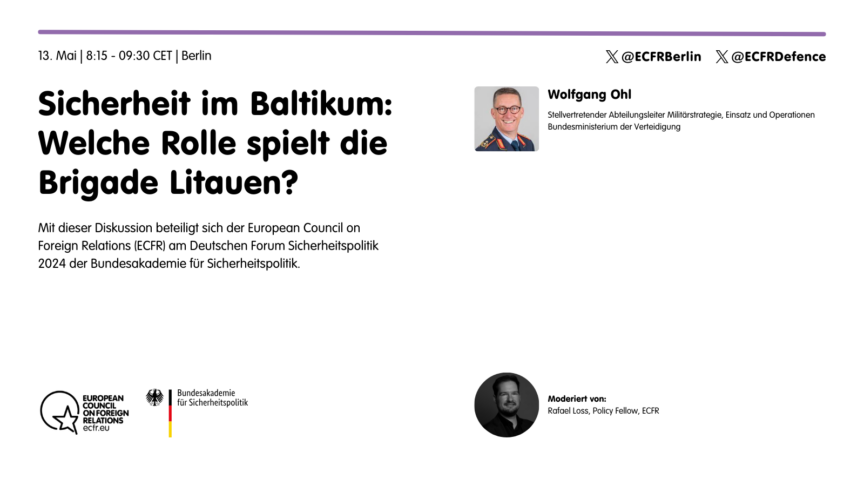
Am 8. April 2024 brach das 21-köpfige Vorkommando der Brigade Litauen nach Vilnius auf. Die Bundeswehrangehörigen werden in den nächsten Wochen und Monaten die erste…
Nella sua edizione 2024, il Rome Foreign Policy Club riunisce giovani ricercatori italiani under 40 per costruire ipotesi di scenario che possano supportare la definizione di policy da parte del Ministero per gli Affari Esteri e la Cooperazione Internazionale. L’evento più significativo per l’anno in corso è indubbiamente rappresentato dalle elezioni americane di novembre il cui esito avrà enormi implicazioni su due aspetti cruciali del contesto internazionale: i rapporti con Cina e Sud Globale e le relazioni con Mosca alla luce del conflitto in Ucraina
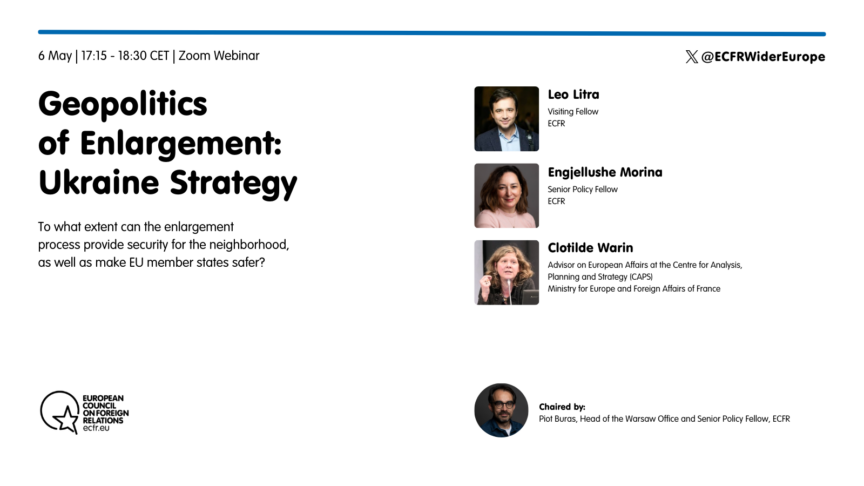
This webinar will discuss current revisions of the EU approach to enlargement policy and the security implications for Ukraine and the neighborhoods
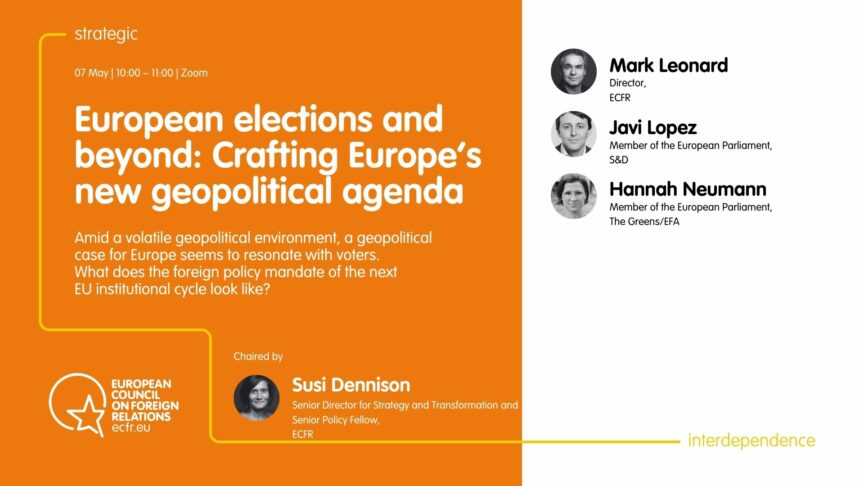
Amid a volatile geopolitical environment, ECFR’s recent public opinion poll ahead of the European elections shows that a geopolitical case for Europe resonates with voters,…
In occasione del 75esimo anniversario della NATO, la conferenza farà il punto sia sulla NATO nel contesto attuale e futuro, sia soprattutto sul ruolo dell’Italia nell’alleanza atlantica e il rapporto tra quest’ultima e gli interessi nazionali
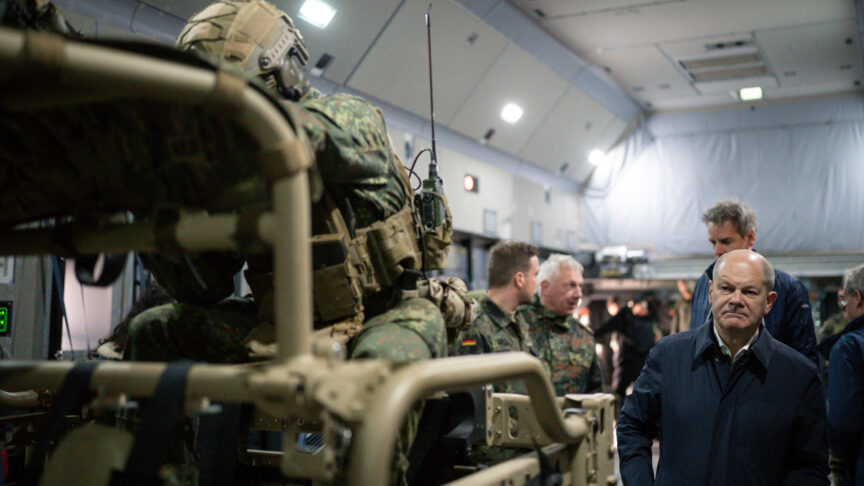
Germany’s defence policy has come a long way in the last two years. But looking at the challenges that lie ahead for Germany, the current course falls short – and the toughest political debates are yet to come
Building on the success and results of the 2023 Project “France-Italy-Germany Trilateral Dialogue: in Pursuit of a common agenda”, the 2024 Quadrilateral Project will continue to promote intra-European dialogue between capitals, extending last year’s trilateral format to Spain
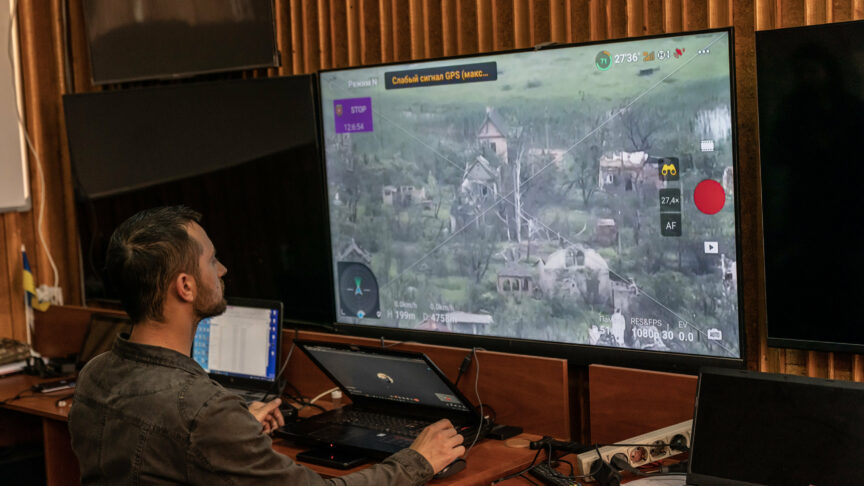
Russia’s war on Ukraine has featured many of the technological advances the world has made over the past decades. If Europeans are serious about their defence capabilities, they need to learn from this use of emerging technology on both sides of the war
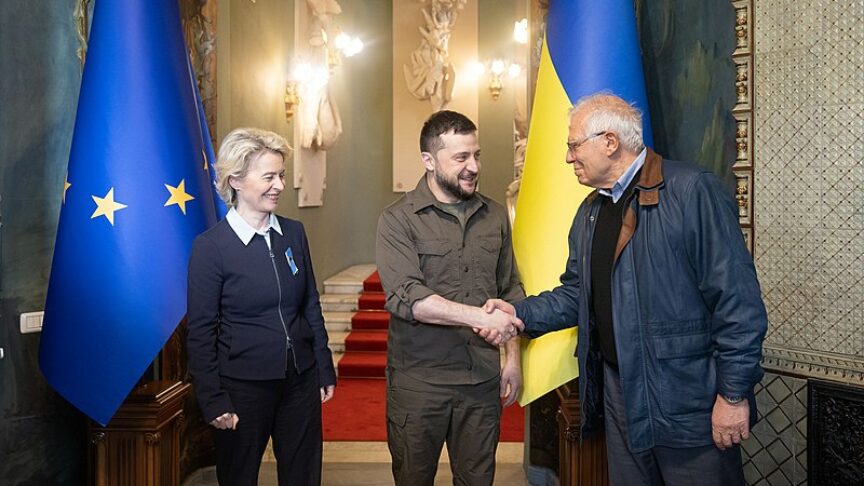
The EU should conclude a security compact with Ukraine. Such an agreement would help the country defend itself against Russia and maximise the effectiveness of European military support
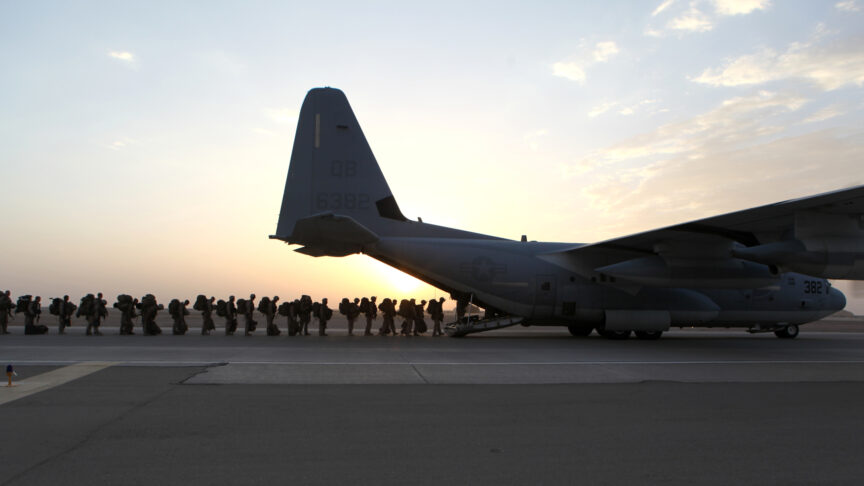
ECFR’s policy experts examine what the Taliban takeover means for countries and regions around the world: Europe, the US, the Middle East, Russia, China, Iran, Turkey, and the Sahel
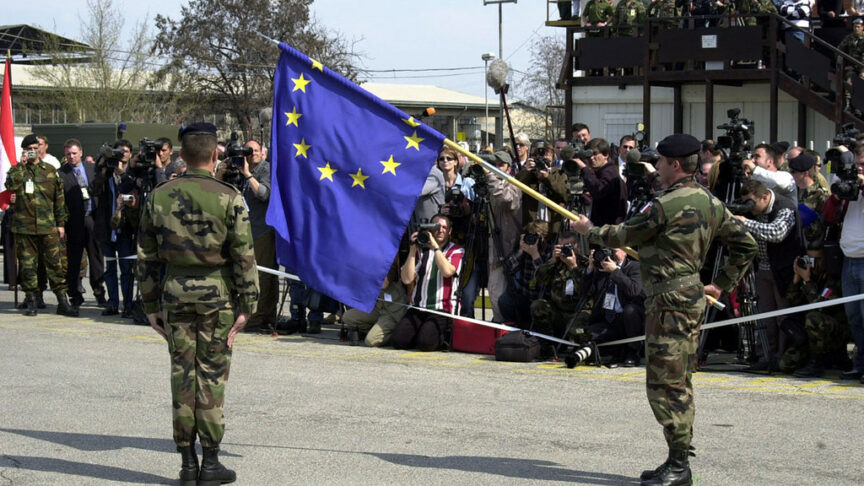
The EU’s work on its Strategic Compass should include debates on the special status states’ future role in European defence
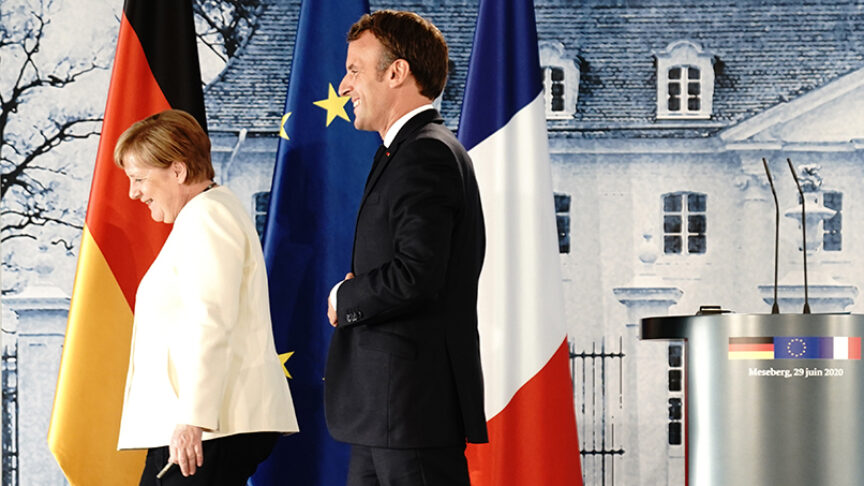
The EU Coalition Explorer survey reveals the importance of Germany and France within the EU, and the impact they can have when they cooperate with each other
The EU appears to be largely uninterested in AI’s geopolitical importance, but its member states can only influence the global development of AI if they act tog
Introduction For most Europeans, it is now obvious that the foreign policy of US President Donald Trump threatens the global liberal order. Trump’s hostility towards…
Introduction During the cold war, arms control and disarmament agreements helped create a stable equilibrium between NATO and the Warsaw Pact, reducing the…
The ‘second crypto war’ is in full swing; European governments need to stop trying to defeat encryption and get more sophisticated themselves instead
Introduction After decades of relying on the United States for protection, the European Union’s member states are finally moving towards greater defence integration with…
Germany’s defence policy has come a long way in the last two years. But looking at the challenges that lie ahead for Germany, the current course falls short – and the toughest political debates are yet to come
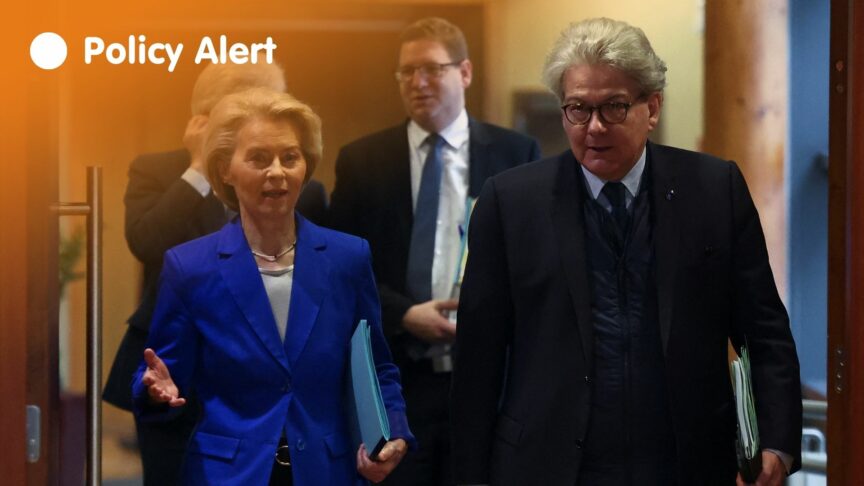
The European Commission’s new defence industrial strategy sets out to strengthen the EU’s defence industry through common and local procurements. But it will need both financial and political buy-in to succeed
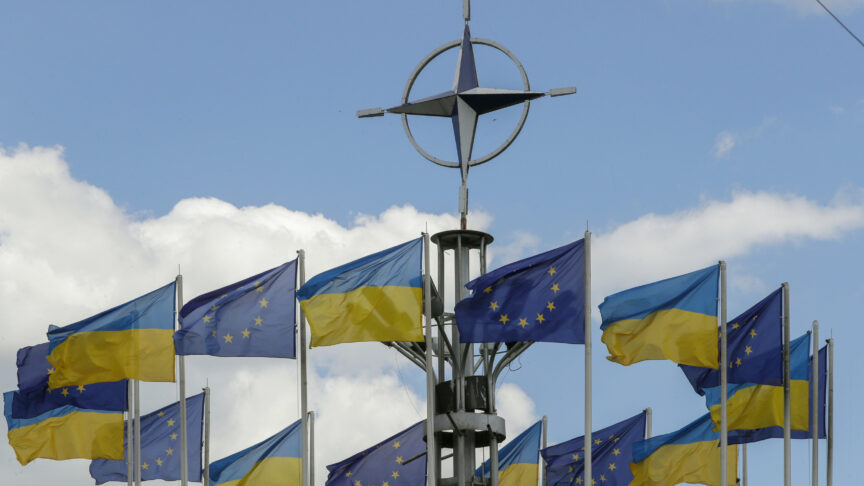
Europeans should look to the success of the automotive sector for inspiration on uniting their defence efforts across the whole continent
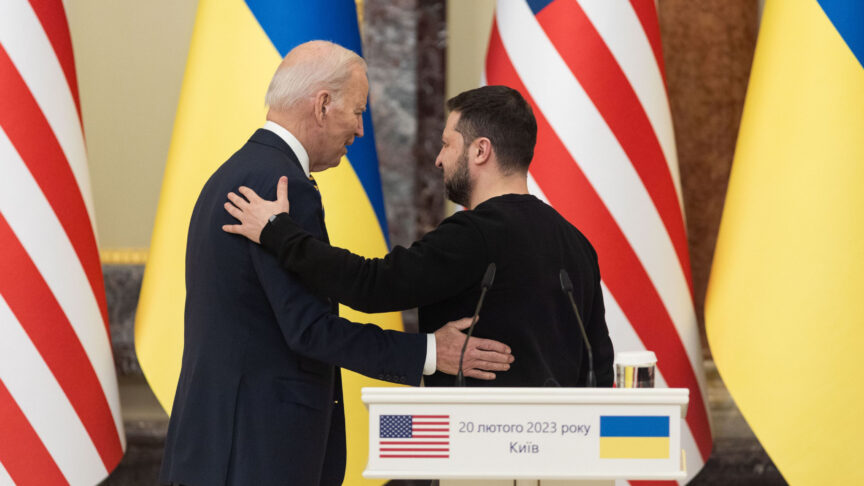
Joe Biden must be bold at this week’s summit, and help to give Kyiv the security that would allow it to rebuild
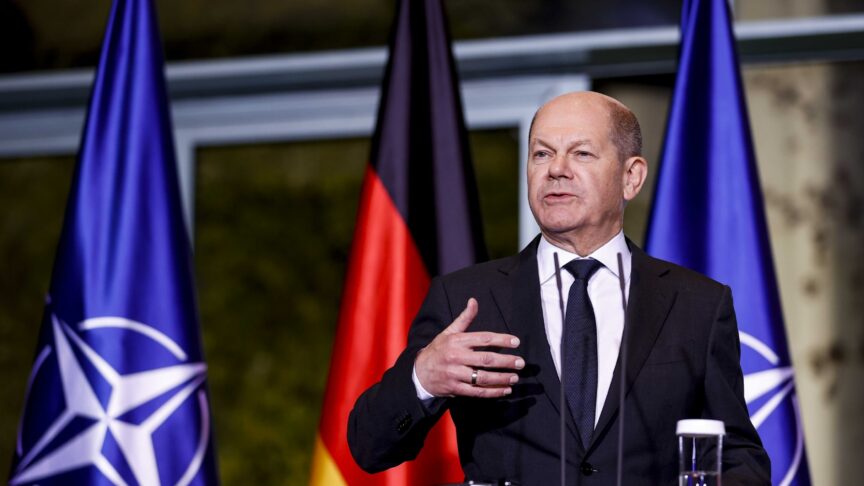
Germany’s first ever national security strategy contained few big surprises – but the country’s NATO partners can still draw three key lessons from the document
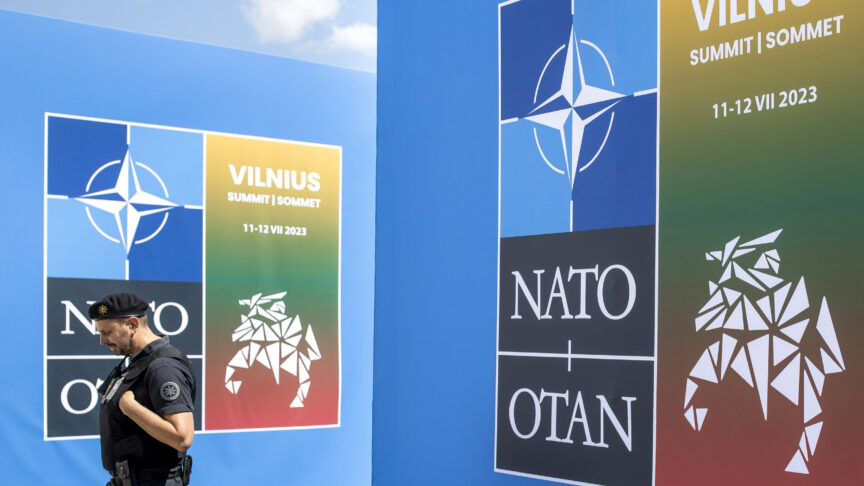
NATO should offer an invitation to Ukraine to join to create the conditions for a lasting peace

NATO’s Vilnius summit has four main deliverables. The results will serve as a stress test for the alliance’s unity
A form of membership offer to Ukraine at NATO’s Vilnius summit will acquire an inexorable momentum of its own
The global nuclear order has so far proven resilient in the face of Russia’s war on Ukraine. European engagement through the EU and NATO can help shore up this uneasy equilibrium
Military help for Ukraine is moving towards serious questions of logistics – but more countries still need to step forward. Here is how the next-stage coalition could look

At the Munich Security Conference, Mark Leonard welcomes Arancha González Laya, Camille Grand and Jana Puglierin to understand how Europeans can prepare for a second Trump presidency
Mark Leonard welcomes Camille Grand to discuss the future of European defence
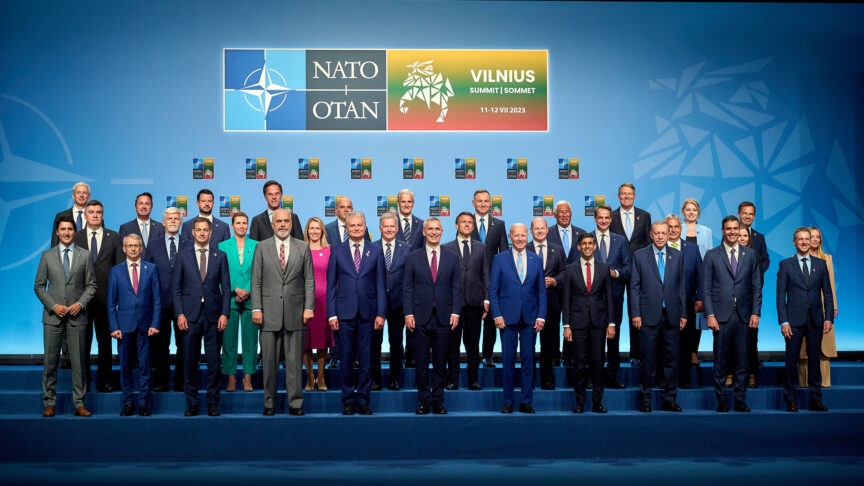
Mark Leonard is joined by Alex Stubb, Lykke Friis, and Camille Grand, to discuss the outcomes of the NATO summit in Vilnius.
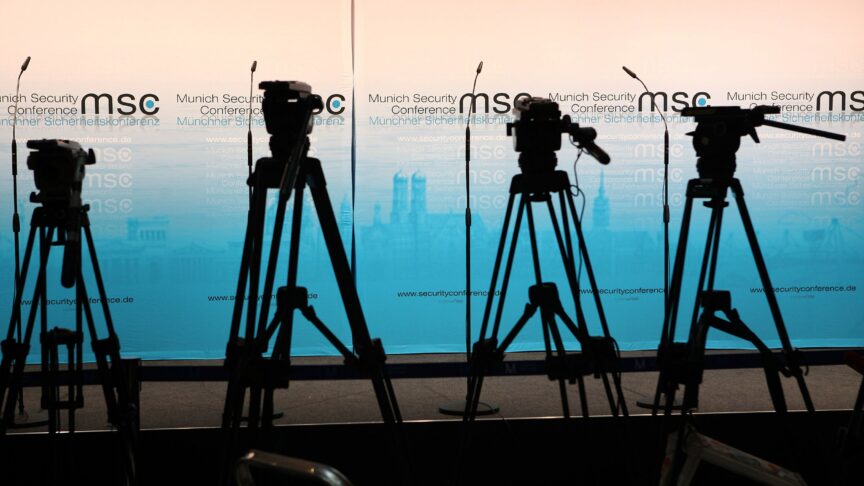
Mark Leonard reports live from the Munich Security Conference
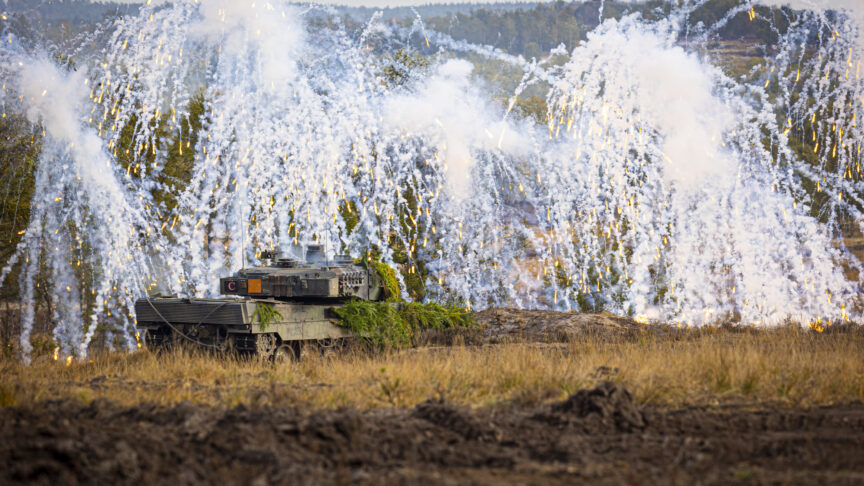
Mark Leonard, Camille Grand, Gustav Gressel, Jana Puglierin, and Jeremy Shapiro discuss what the Leopard 2 decision means for the war in Ukraine
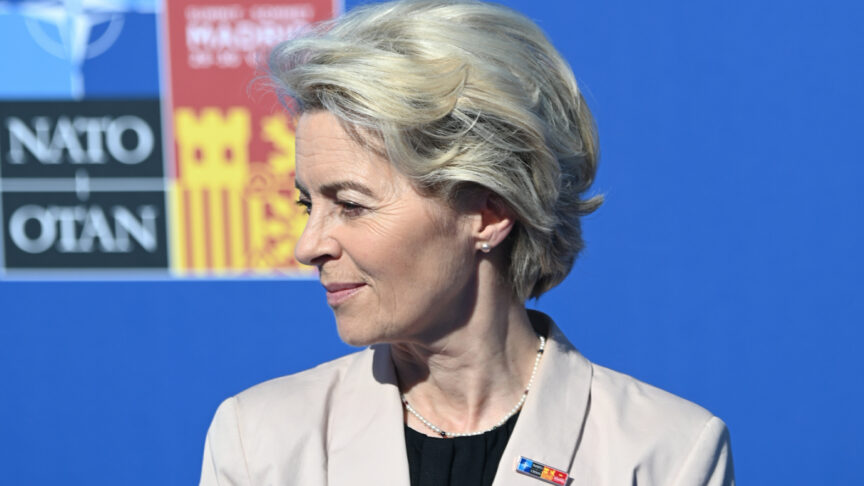
Mark Leonard is joined by Nick Witney, Jana Puglierin, and Tara Varma, to evaluate the outcomes of the NATO Summit in Madrid, especially regarding European defence
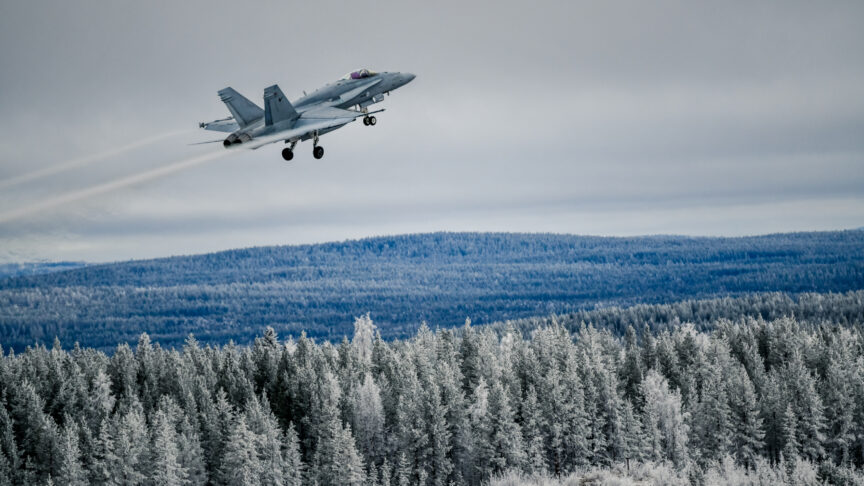
What can Sweden and Finland offer NATO? And are they worried about the Kremlin’s threats to attack their countries?
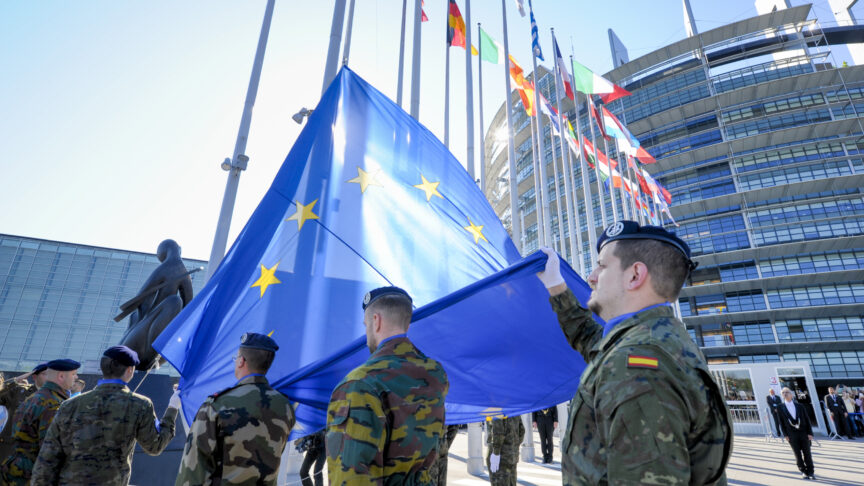
What are the biggest challenges in building greater European sovereignty in defence? And how will this effort be funded?
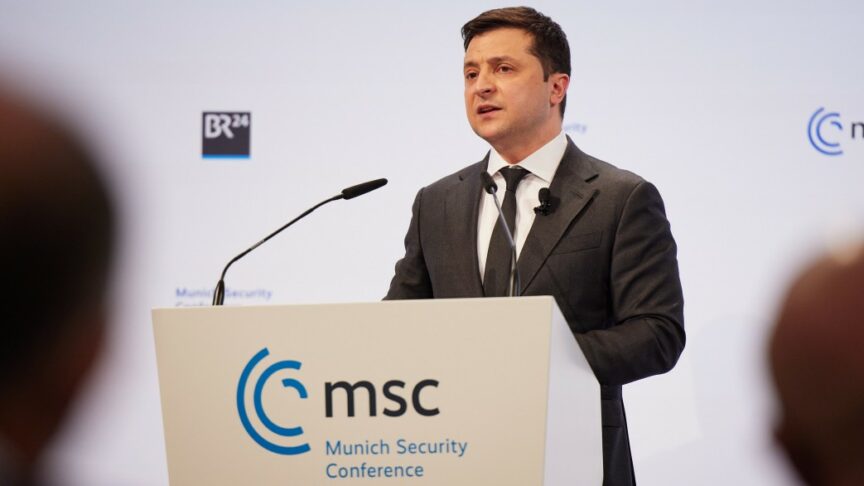
Live from the Munich Security Conference (MSC)!
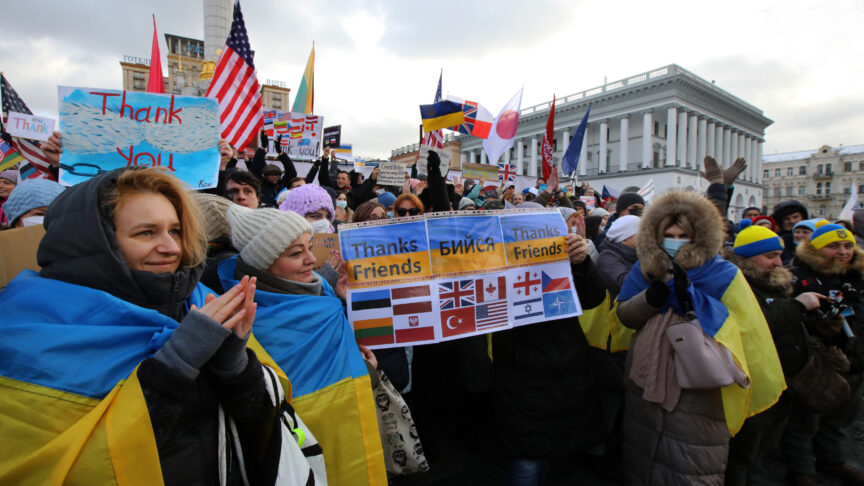
Mark Leonard and Jeremy Shapiro discuss our latest polling results on the Ukraine crisis and how European policymakers might adjust their policies to reflect the public mood it reveals
As France discovers the new making of its national assembly, this webinar will analyse the election results and reflect on their impact on a geopolitical…
Russia’s war against Ukraine has shown how much the Europeans are still dependent on the US to ensure their security, despite all the talk of…
In occasione del 75esimo anniversario della NATO, la conferenza farà il punto sia sulla NATO nel contesto attuale e futuro, sia soprattutto sul ruolo dell’Italia nell’alleanza atlantica e il rapporto tra quest’ultima e gli interessi nazionali
This webinar will provide a snapshot analysis of election results and their implications for Europe’s foreign policy and security agenda. Featuring perspectives from selected ECFR…
Am 8. April 2024 brach das 21-köpfige Vorkommando der Brigade Litauen nach Vilnius auf. Die Bundeswehrangehörigen werden in den nächsten Wochen und Monaten die erste…
Nella sua edizione 2024, il Rome Foreign Policy Club riunisce giovani ricercatori italiani under 40 per costruire ipotesi di scenario che possano supportare la definizione di policy da parte del Ministero per gli Affari Esteri e la Cooperazione Internazionale. L’evento più significativo per l’anno in corso è indubbiamente rappresentato dalle elezioni americane di novembre il cui esito avrà enormi implicazioni su due aspetti cruciali del contesto internazionale: i rapporti con Cina e Sud Globale e le relazioni con Mosca alla luce del conflitto in Ucraina
Amid a volatile geopolitical environment, ECFR’s recent public opinion poll ahead of the European elections shows that a geopolitical case for Europe resonates with voters,…
This webinar will discuss current revisions of the EU approach to enlargement policy and the security implications for Ukraine and the neighborhoods
Building on the success and results of the 2023 Project “France-Italy-Germany Trilateral Dialogue: in Pursuit of a common agenda”, the 2024 Quadrilateral Project will continue to promote intra-European dialogue between capitals, extending last year’s trilateral format to Spain
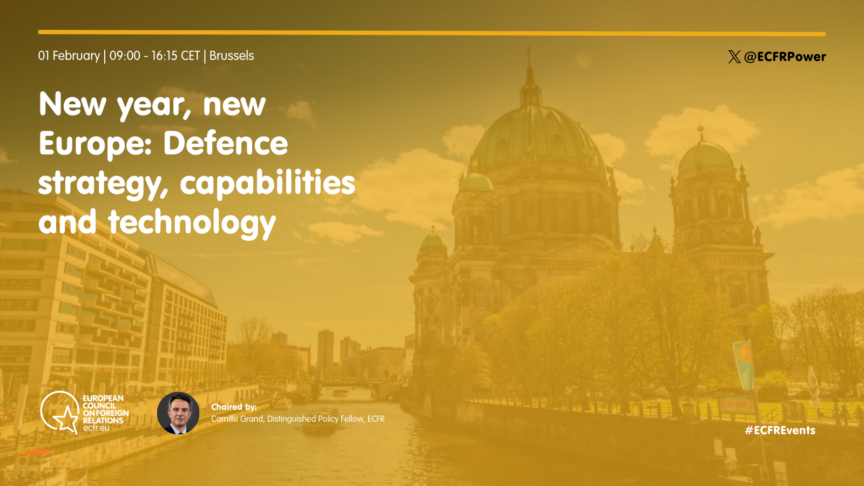
In NATO’s 75th anniversary year, ahead of a new EU institutional cycle in late 2024, we are delighted to present New year, new Europe: Defence strategy, capabilities and technology, the inaugural event of the European Council on Foreign Relations’ new defence initiative
It is important that, parallel to military capacity, we also invest in our international partnerships because security is a much broader question and challenge than only hard security
EU Commissioner Jutta Urpilainen cautions against cutting social funds in favour of defence
Europeans see that many people are coming here, even though they don’t have a title. And they are growing frustrated, leading them into the arms of dangerous populists
The ceasefire is important now not only because of the situation in Gaza, but because the alternative is a full-scale war with pro-Iranian Hezbollah, which attacks from Lebanese territory
By inviting Ukraine, Moldova and Georgia to become candidate countries and accelerating talks with Western Balkan countries, the EU has responded to war by deciding to expand its peace project
Laurence Boone and Nicu Popescu explain why the EU should promote greater defense integration with accession countries


