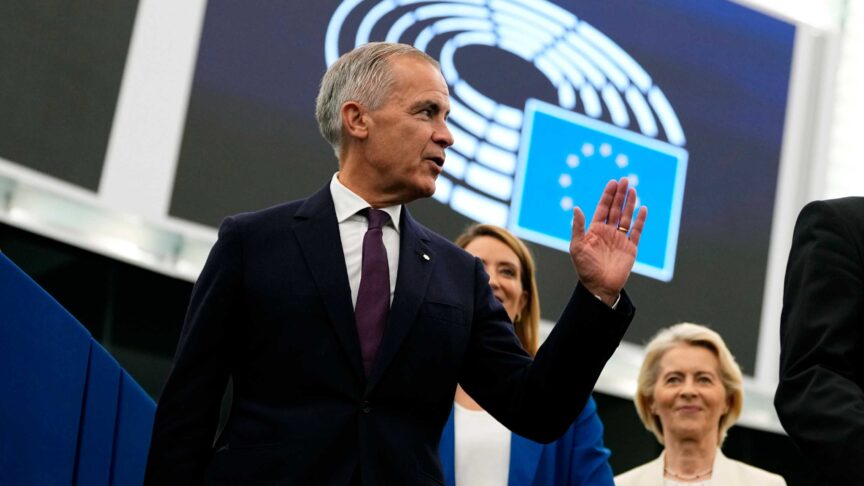
As European leaders hobnob with their counterparts at the 81st session of the United Nations General Assembly, they must think carefully about how to navigate a fast-changing multilateral landscape. The old world belonged to rule-makers and institution-builders, but the current one favours those who can improvise
Britain is the custodian of a global order that no longer exists. Its international approach should now centre innovative cooperation and building strong coalitions with like-minded partners
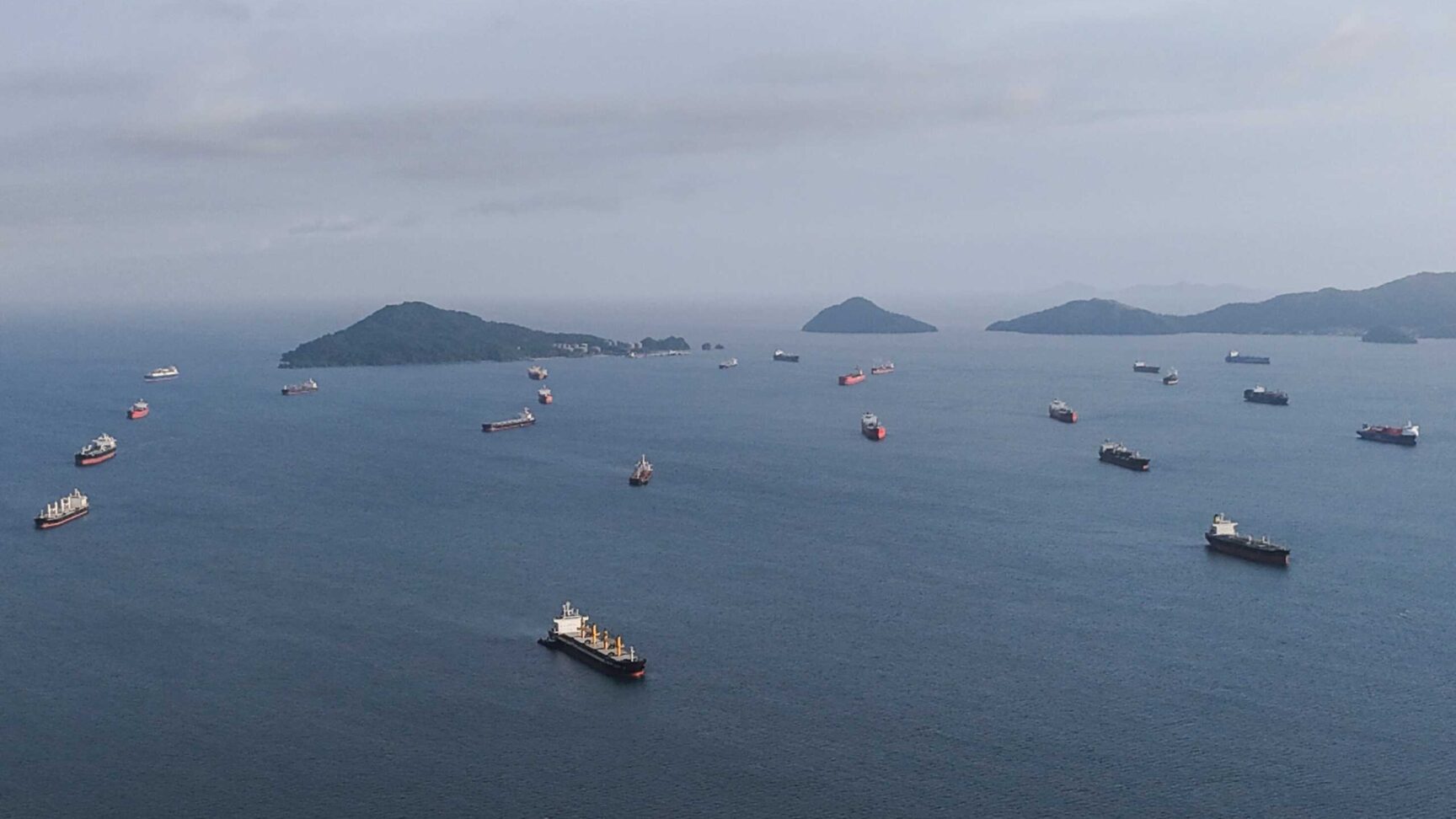
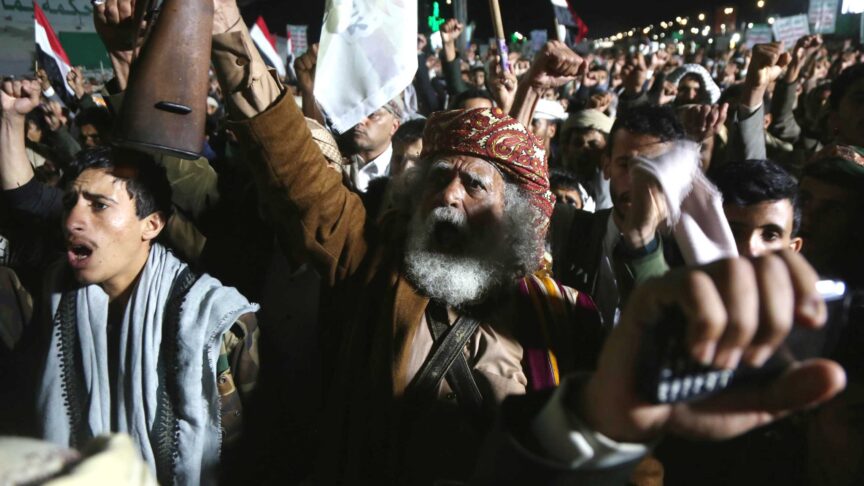
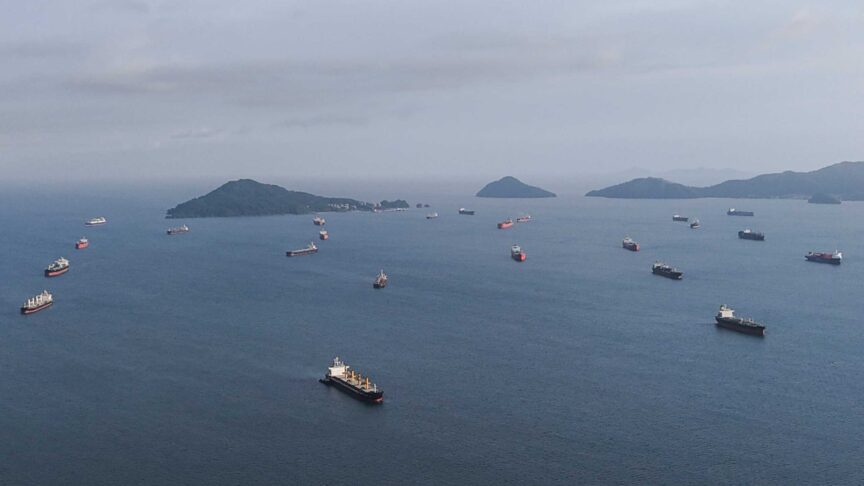
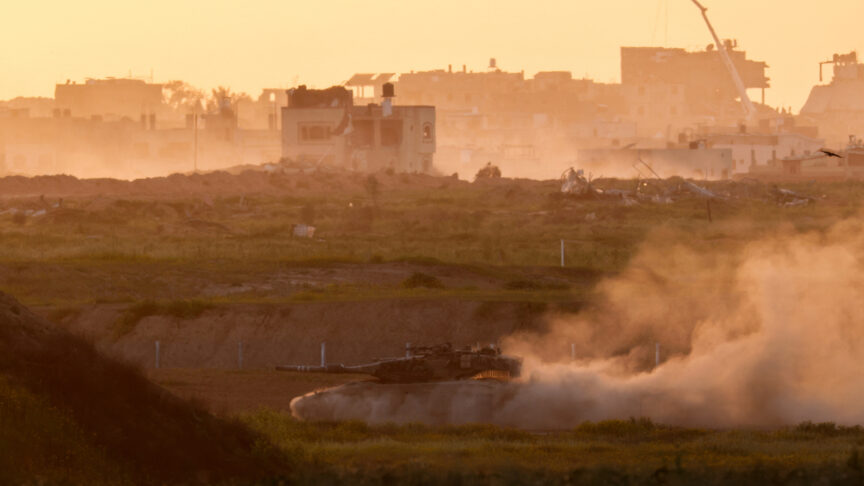
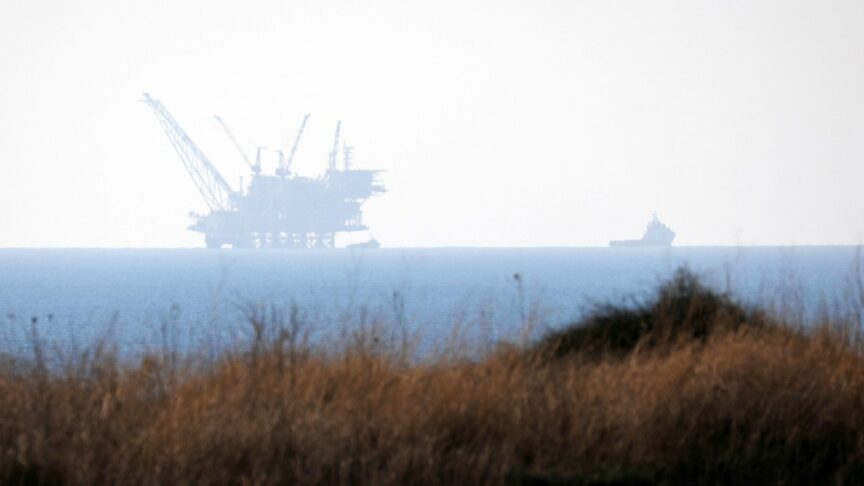
Houthi advances now threaten Saudi Arabia’s most viable oil-export route. Europeans should strengthen Riyadh’s maritime and air defences, and mobilise a wider diplomatic coalition to end the US-Iran war driving the escalation
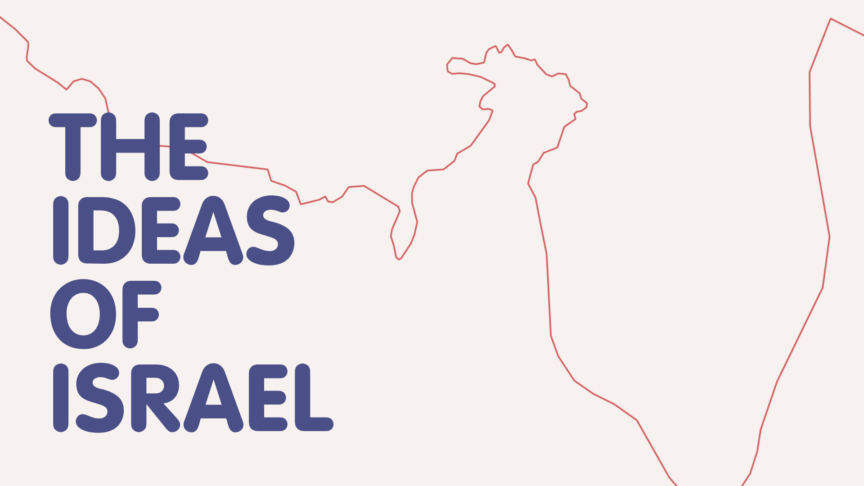
Israel’s illiberal and ethno-nationalist forces are reshaping the country in their image. This is a structural transformation that runs deeper than October’s election, and will outlast Netanyahu. ECFR’s web special maps the battle of ideas for the country’s future and what a new Israel could mean for Europe
As European leaders hobnob with their counterparts at the 81st session of the United Nations General Assembly, they must think carefully about how to navigate a fast-changing multilateral landscape. The old world belonged to rule-makers and institution-builders, but the current one favours those who can improvise
Britain is the custodian of a global order that no longer exists. Its international approach should now centre innovative cooperation and building strong coalitions with like-minded partners
Houthi advances now threaten Saudi Arabia’s most viable oil-export route. Europeans should strengthen Riyadh’s maritime and air defences, and mobilise a wider diplomatic coalition to end the US-Iran war driving the escalation
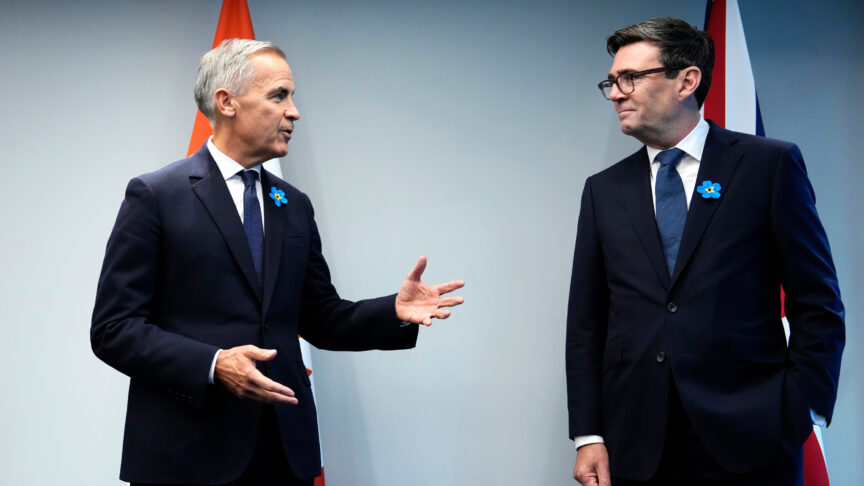
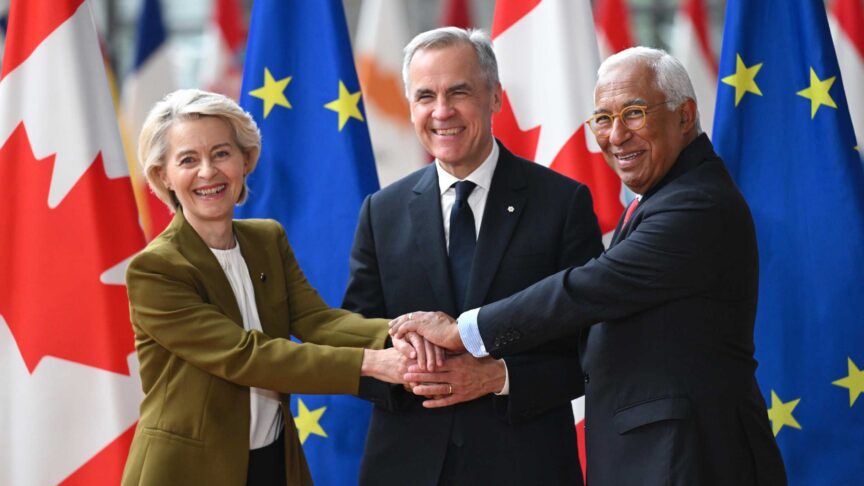
Canada’s enthusiasm for closer EU ties is real, and so is the EU’s need for allies beyond America. But as long as the EU’s offer of “associate membership” to Canada remains undefined, it risks ending up as empty symbolism
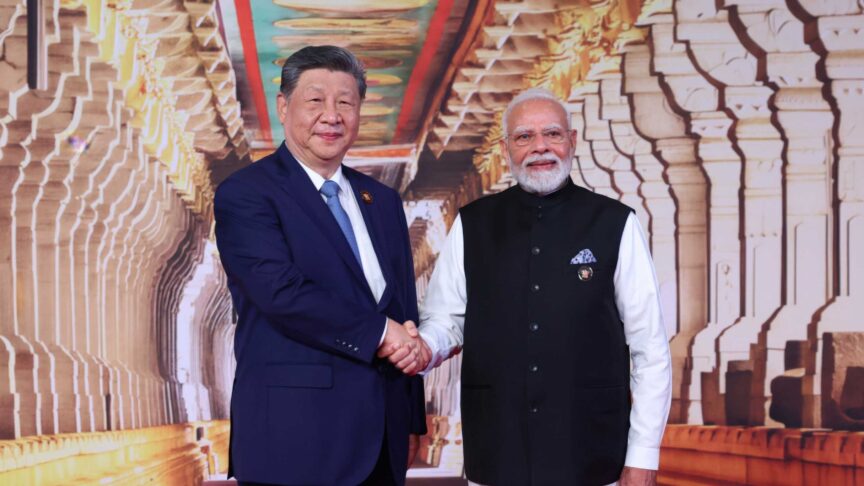
Xi Jinping’s attendance at the BRICS summit in New Delhi underlines the recent normalisation in Sino-Indian relations. This should encourage the EU to speed up its efforts to deepen ties with India
Britain is the custodian of a global order that no longer exists. Its international approach should now centre innovative cooperation and building strong coalitions with like-minded partners
Ten years on from the referendum, the British electorate has moved on from its old divisions and—in a world of crisis—is embracing an ambitious move back towards the European Union
Europe’s energy, industrial and migration interests all converge in its southern neighbourhood, where rivals are eroding its influence. The new Pact for the Mediterranean can reverse this, but only if Brussels puts grand bargains on the table
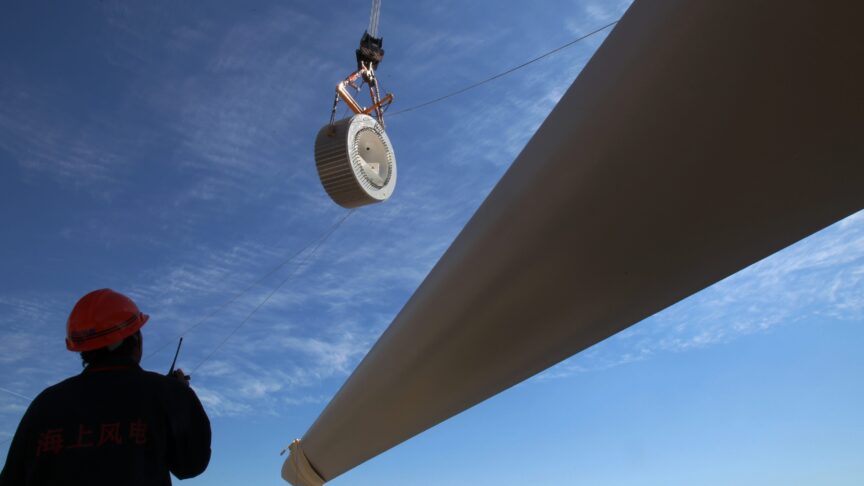
Chinese electric vehicle brands are adapting to Western trade barriers by increasing their presence in the Middle East and North Africa. Europe’s response must go beyond merely closing the loopholes
As American leadership wanes, middle powers are stitching a patchwork order through new approaches to conflict mediation, connectivity and development. Although these formats are fragmented and opportunistic, Europe should engage with them pragmatically
The thinkers and ideas of the rising nationalist right merit the political mainstream’s attention. Only by understanding them can it build a resilient counter-project
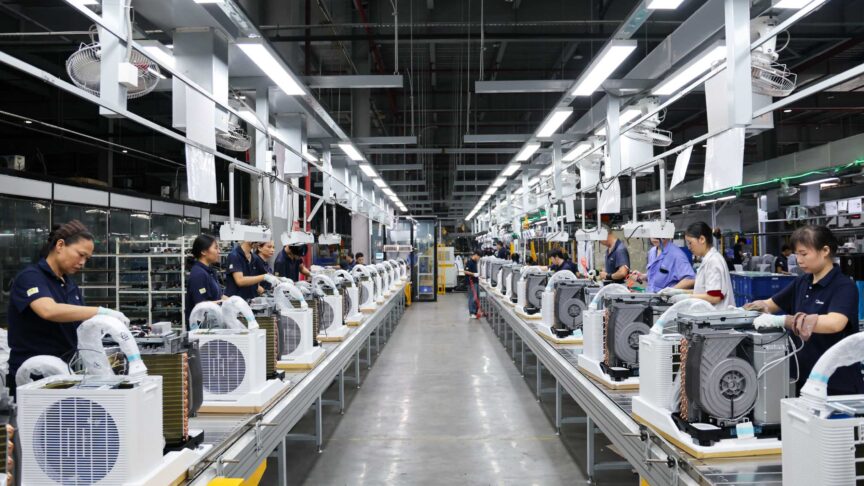
China’s manufacturing surge and trade tactics are dampening Europe’s clean-tech goals. Europeans need to forge coalitions across wary member states to secure their energy independence
Foreign technology companies cannot be entrusted with meeting Europe’s growing digital needs. This includes American big tech firms. Here’s what Europeans should do
As European leaders hobnob with their counterparts at the 81st session of the United Nations General Assembly, they must think carefully about how to navigate a fast-changing multilateral landscape. The old world belonged to rule-makers and institution-builders, but the current one favours those who can improvise
Houthi advances now threaten Saudi Arabia’s most viable oil-export route. Europeans should strengthen Riyadh’s maritime and air defences, and mobilise a wider diplomatic coalition to end the US-Iran war driving the escalation
Canada’s enthusiasm for closer EU ties is real, and so is the EU’s need for allies beyond America. But as long as the EU’s offer of “associate membership” to Canada remains undefined, it risks ending up as empty symbolism
Xi Jinping’s attendance at the BRICS summit in New Delhi underlines the recent normalisation in Sino-Indian relations. This should encourage the EU to speed up its efforts to deepen ties with India
ECFR founding member and co-chair emerita Emma Bonino has died at the age of 78. A towering figure in European foreign policy, she was an inspiration to millions across the continent. She left a deep mark on European and Italian politics, and on ECFR
The world is undergoing a historical and cultural rupture. Just as Hollywood and other American exports once gave the rest of the world a glimpse of modern life and the future that awaited them, China is now doing the same for African, Latin American and even American young people
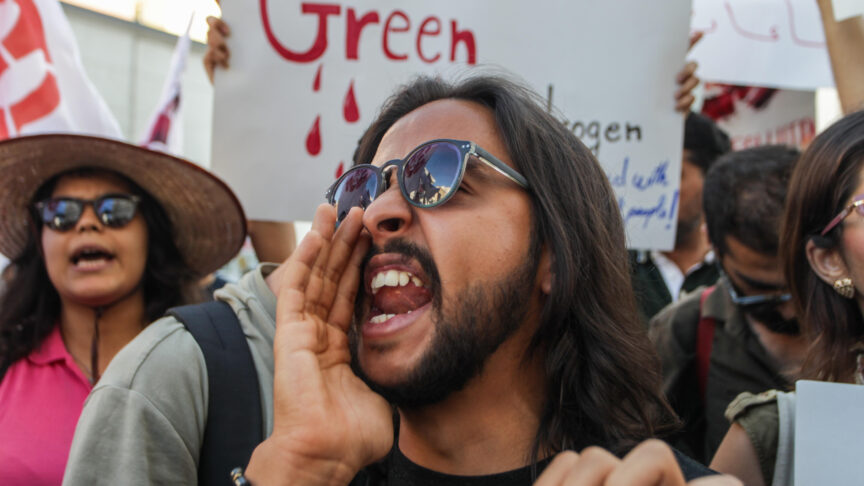
Social movements in North Africa increasingly focus on environmental concerns and the impact of climate change. Europeans must ensure their cooperation with governments in the region does not end up adding to activists’ grievances
Europe is learning to adapt to a hotter climate. It should take the same approach to economic dependencies: manage the consequences, but also change the conditions that created them
Israel’s illiberal and ethno-nationalist forces are reshaping the country in their image. This is a structural transformation that runs deeper than October’s election, and will outlast Netanyahu. ECFR’s web special maps the battle of ideas for the country’s future and what a new Israel could mean for Europe
America and Israel have bombed Iran since 2025 to block Tehran’s path to nuclear weapons. ECFR’s interactive dashboard, updated monthly, assesses current evidence about Iran’s nuclear activities to determine which of six possible scenarios is most likely
The EU can overcome the new challenges it faces and can shape the global order. To achieve this, Europeans will need to improve their joint capacity to act
Power is now defined by control over flows of people, goods, money, and data, and via the connections they establish. Only states that see the new map of geopolitical power clearly will be able to control the modern world
European governments need a deeper engagement strategy to draw these powerful actors into inclusive political processes and power-sharing structures that can help stabilise the region
Aslı Aydıntaşbaş, Julien Barnes-Dacey, Cinzia Bianco, John V. Bowlus, Hugh Lovatt, Tarek Megerisi, Michaël Tanchum
Special
The eastern Mediterranean is becoming ever more perilous as geopolitical fault lines steadily enmesh the region. These rifts emerge from the Cyprus ‘frozen conflict’, competition for valuable gas fields, and the increasingly entangled wars in Libya and Syria
Julien Barnes-Dacey, Anthony Dworkin, Ellie Geranmayeh, Hugh Lovatt, Tarek Megerisi, René Wildangel
Special
Turmoil in the Middle East and north Africa directly affects Europeans. Yet their influence in the region has never been weaker. This project maps Europe’s role across the Middle East and north Africa, making the case that Europeans can do more to leverage their influence in pursuit of core interests
ECFR’s Differentiation Tracker provides a snapshot of third state relations with Israel – and the extent to which these contain a clearly defined territorial definition that explicitly excludes Israeli settlements constructed on occupied territory in line with UNSCR 2334
New ECFR/YouGov research reveals huge fluidity in current voting intentions: 70 percent of Europeans certain to vote are yet to make their choice. Nearly 100m swing voters are up for grabs
Mark Leonard welcomes Cary Fowler and Jim O’Brien to discuss the factors behind the escalating risk of a major food crisis—and Europe’s role in preventing catastrophe
Mark Leonard welcomes Jana Puglierin, senior policy fellow and head of ECFR’s Berlin office, to discuss the Alternative for Germany (AfD)’s election win in Saxony-Anhalt—and what it means for Germany and Europe
Mark Leonard welcomes Ellie Geranmayeh to discuss the latest phase of the US-Iran conflict, the escalating economic pressure campaign against Tehran and the risks of a prolonged war without a clear exit strategy
Mark Leonard welcomes Hugh Lovatt to discuss the prospects for a Gaza ceasefire, escalating settler violence in the West Bank and how Israel’s upcoming general election could shape the future of the conflict
Mark Leonard welcomes Jörg Lau and Jana Puglierin to discuss Germany’s deepening political crisis, the rise of the AfD and how the country’s regional elections could impact Europe’s largest democracy
For two decades the United Arab Emirates has built its influence on connectivity: ports, air links, finance and data centres that made Abu Dhabi and Dubai difficult to bypass. The 2026 war with Iran has tested that model harder than anything before it. By the ceasefire in April, Emirati air defences had engaged more…
Turkey hosted this year’s NATO summit and fields the alliance’s second-largest army, arms Ukraine while trading with Russia, and remains an EU candidate whose accession talks collapsed years ago. Europeans keep asking whether Ankara can be anchored in the West or is drifting away. Both questions assume Turkey must eventually choose a home when…
In a private discussion on EU and UK attitudes towards a renewed partnership, a decade after the referendum, Mark Leonard and Marcus Roberts will present some embargoed data from ECFR and Mandate looking at views in the UK but also across Europe on different modalities of the EU-UK relationship going forward…
Reflecting on the findings from our previous events and drawing on Mark Leonard’s latest IPPR paper, Britain’s strategy for a decade of danger: Our nation, our continent, our world, the discussion will examine competing visions for Britain’s role in the world—from renewed reliance on the US, to a more globally diversified approach, to a strategic pivot…
The special relationship has rarely felt so lacking in speciality. Donald Trump imposes tariffs at a whim, starts wars of choice without consultation, demands UK military participation in them, and then threatens abandonment if he doesn’t get it; some days all before lunch. All this upset has caused many in the UK and beyond to…
As the UK pursues its ambition to become a “clean energy superpower”, it will have to navigate working with major geopolitical partners, like China and the EU, and the strategic trade-offs involved with aligning closer with one over the other. China has become an increasingly important supplier, investor, and manufacturer across key clean technologies,…
While the war with Iran continues to escalate, Donald Trump is still set to visit China with which the stakes extend from tariffs and intensifying geopolitical rivalry. Under its latest 5-year plan, Beijing is doubling down on a centralised, export-dominated system that will intensify competition with both the US and Europe. Trump and Xi…
As the rise of the new right and “MAGA-ization” of politics is having a greater impact on the UK and Europe, this event will aim to discuss these new movements – looking at their critique of the status-quo, their electoral base, policy agenda and organising and communication methods. Having spent the past year talking to…
An event hosted by Rockefeller Foundation and the European Council on Foreign Relations, focused on the need for effective international cooperation that meets today’s challenges. We will begin with remarks by a special guest, former U.S. Treasury Deputy Secretary Wally Adeyemo, and then bring in the thoughts of government officials, civil society, the private…
Europe House, 32 Smith Square, London SW1P 3EU
·ECFR London
The event will explore recent developments in the international landscape and reflect on how Europeans can respond to an evolving global context. Mark Leonard will also present the main findings from his upcoming book ‘Surviving Chaos: Geopolitics When the Rules Fail‘. The discussion is organised in partnership with the Delegation of the…
Subscribe to our newsletters
Be the first to know about our latest publications, podcasts, events, and job opportunities. Join our community and stay connected!