For seven decades, European integration has been driven by the quest for peace. The Russian invasion of Ukraine marks a turning point. ECFR’s campaign “Charting the Long War” aims to provide a comprehensive European answer to the ongoing war and its long-term implications.
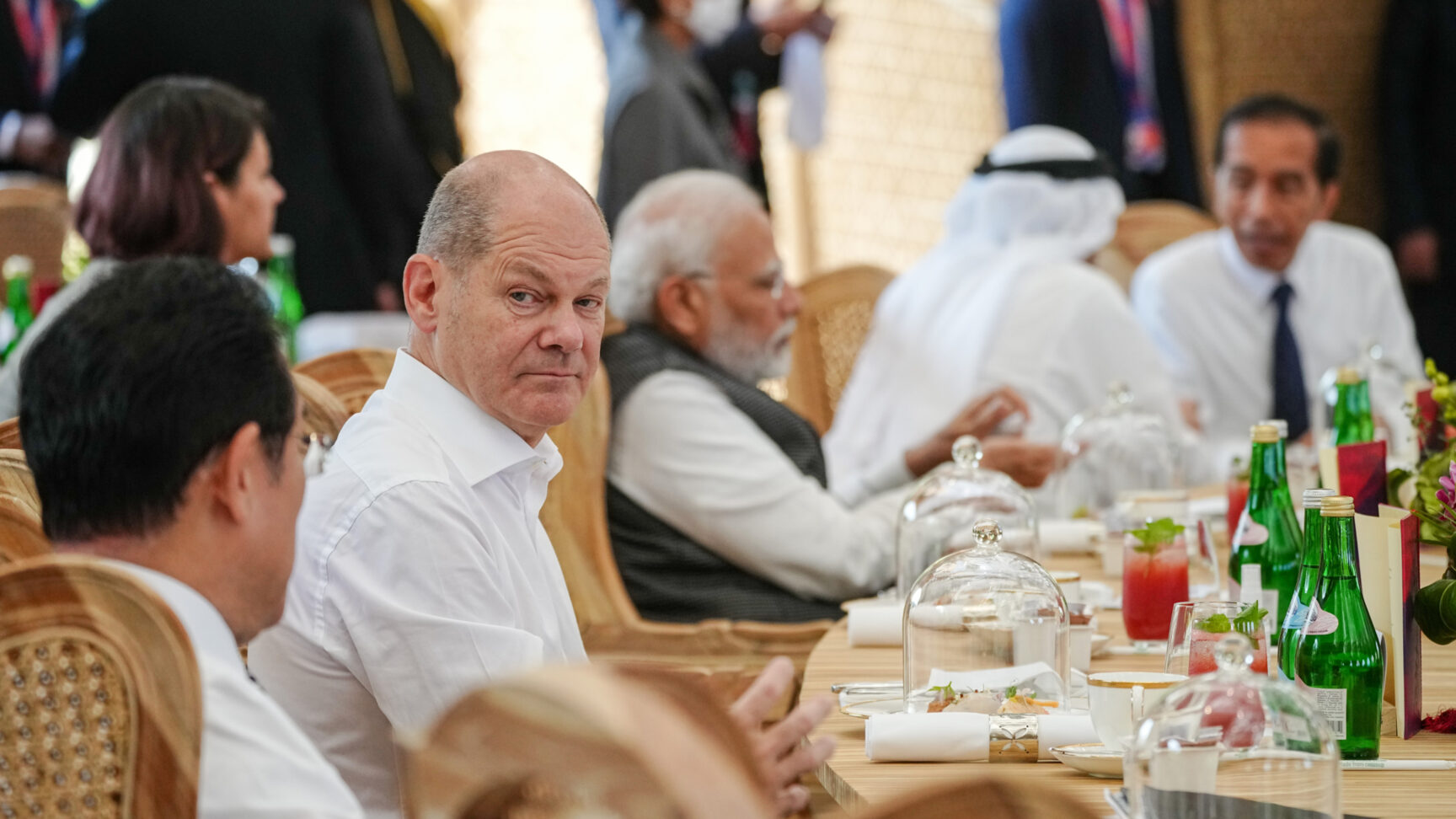
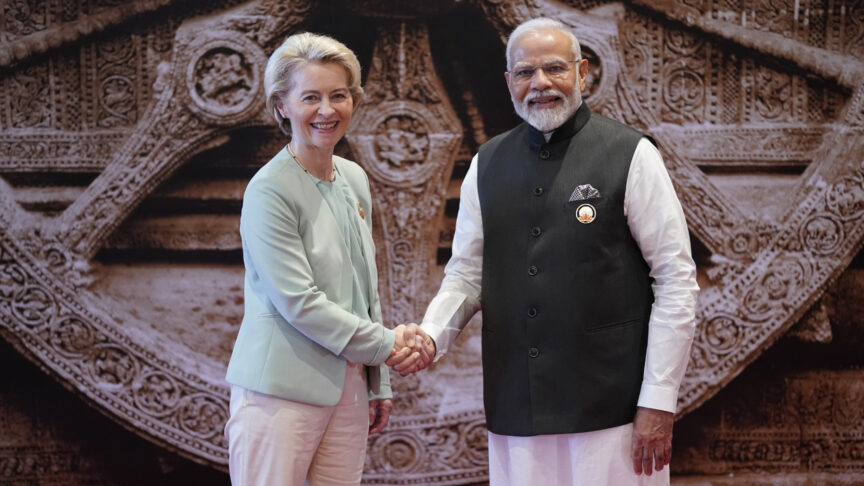
A new global opinion poll for ECFR reveals that many people outside the West want Europe and the US in their lives for all they have to offer – but that does not translate into full political alignment. People instead prefer an a la carte arrangement, in which their governments pragmatically select their partners depending on the matter at hand
Russia has gained the upper hand in its war on Ukraine. To reverse Moscow’s progress, the West will need to invest more in supporting Kyiv. With this in mind, here are three scenarios for what could happen in 2024
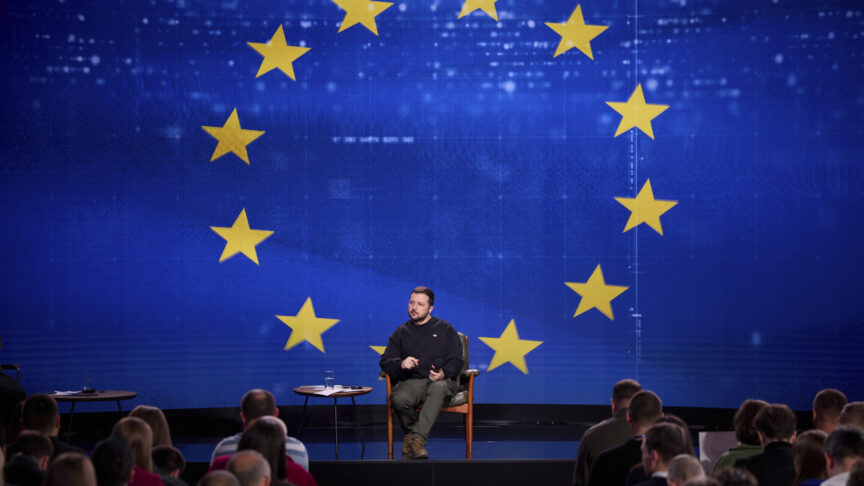
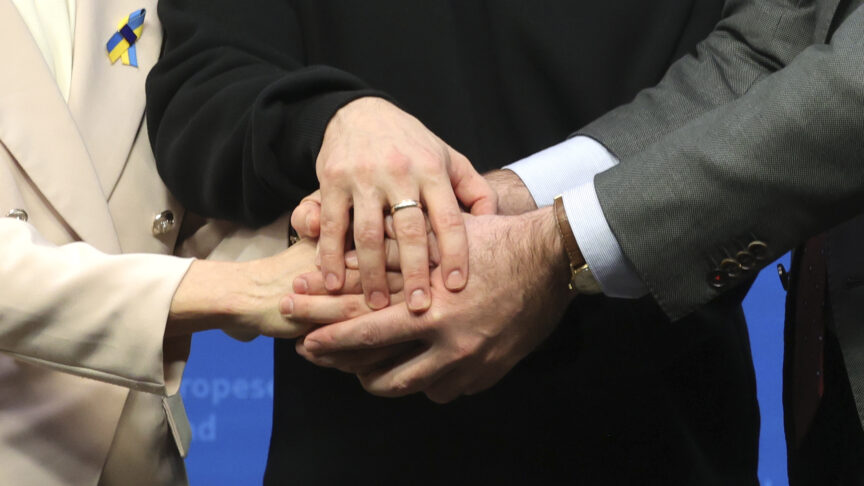
The European Union’s decision to start accession talks with Ukraine represents a symbolic victory rather than a practical one. With Ukraine struggling to secure crucial aid, and its counter-offensive failing to achieve its objectives, it is time to redefine what constitutes a Ukrainian victory and a Russian defeat
The politicisation of aid for Ukraine in the US and Europe, combined with the increasing war of attrition, is calling into question the West’s strategy for Ukraine. Kyiv’s allies need to update their strategy to enable Ukraine to push back against Russia’s aggression
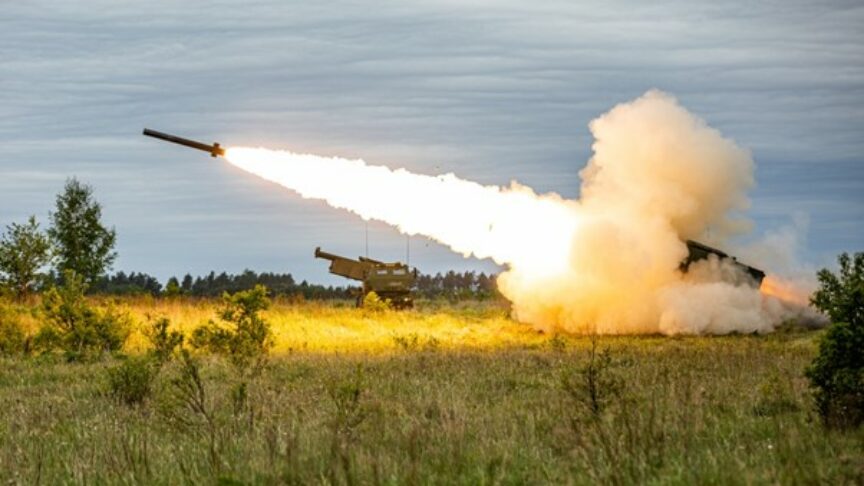
Europeans have been quick to enhance their missile defence capabilities. But to properly address the threat of Russia’s missiles and deter broader conflict, they need to complement defensive systems with offensive ones
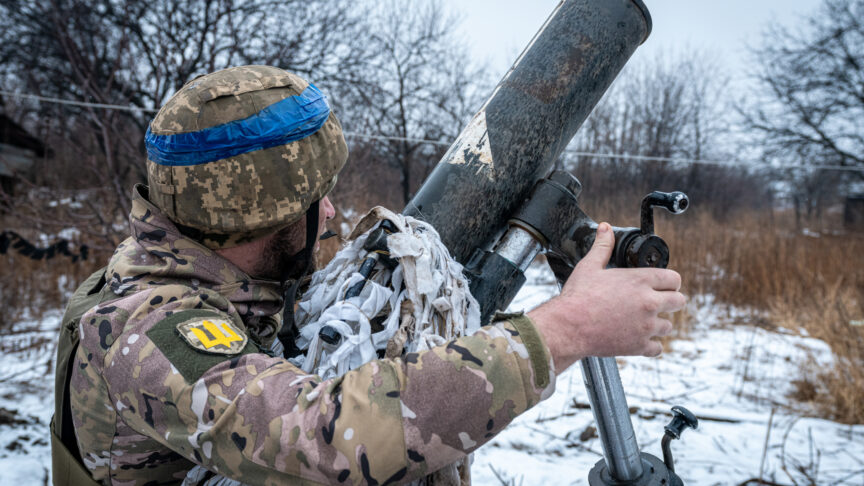
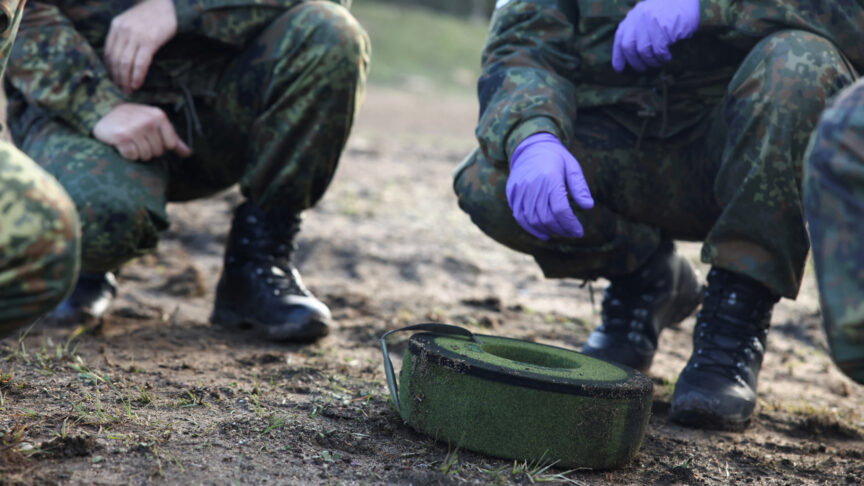
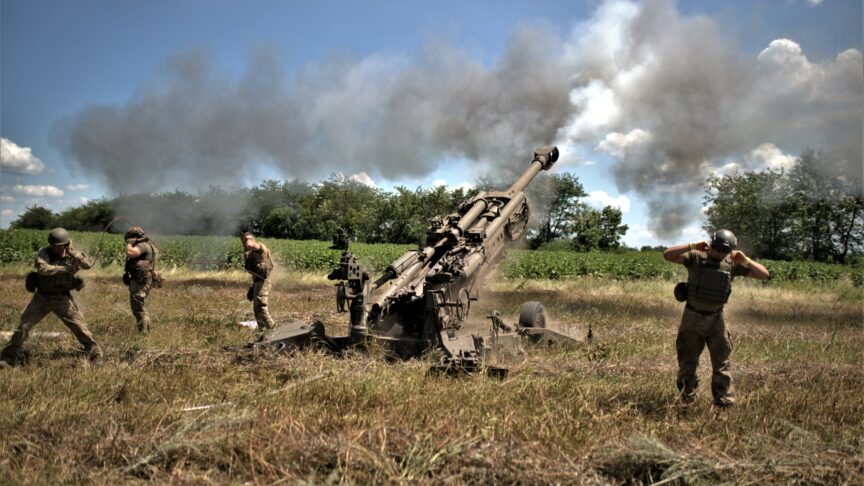
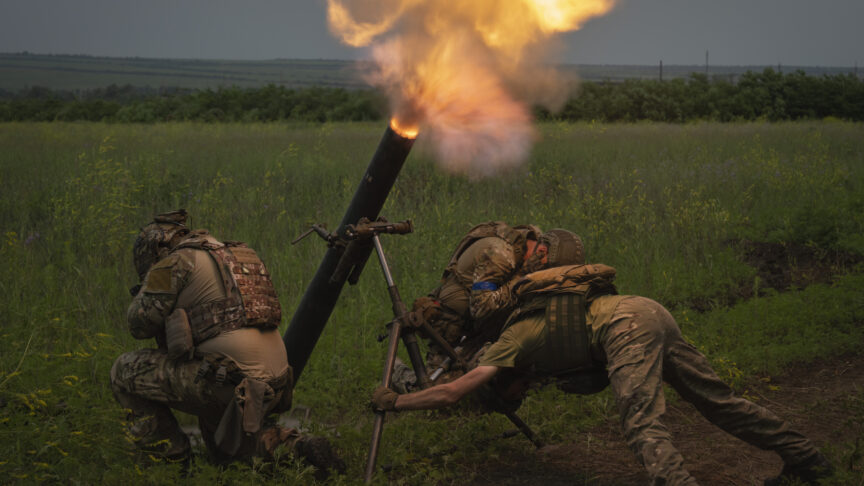
To arm Ukraine for the long war, Europe and the United States should support the development of the country’s military industry to reduce its reliance on Western weapons
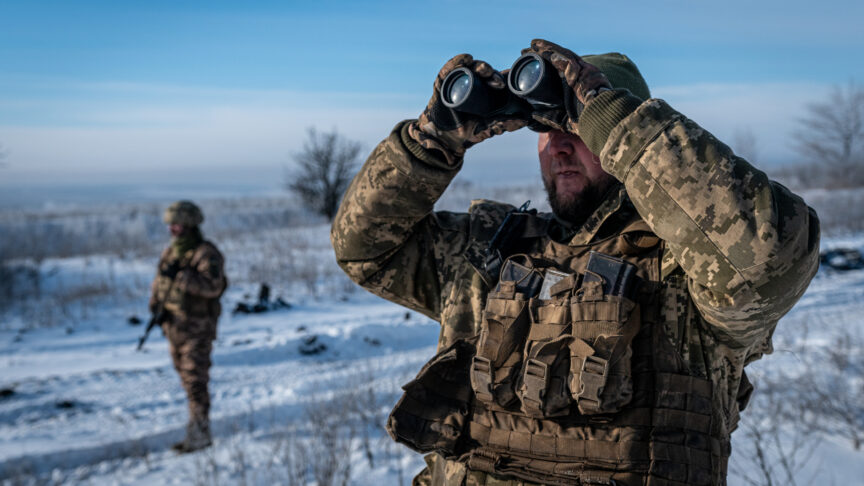
With less than two months remaining until winter begins, Ukrainian forces are working to secure better positions for the 2024 campaign. Western allies can help them prepare
The Ukrainian counteroffensive is contending with a well-prepared enemy. Western allies need to remain patient as they equip Ukraine to put continued pressure on Russian defences
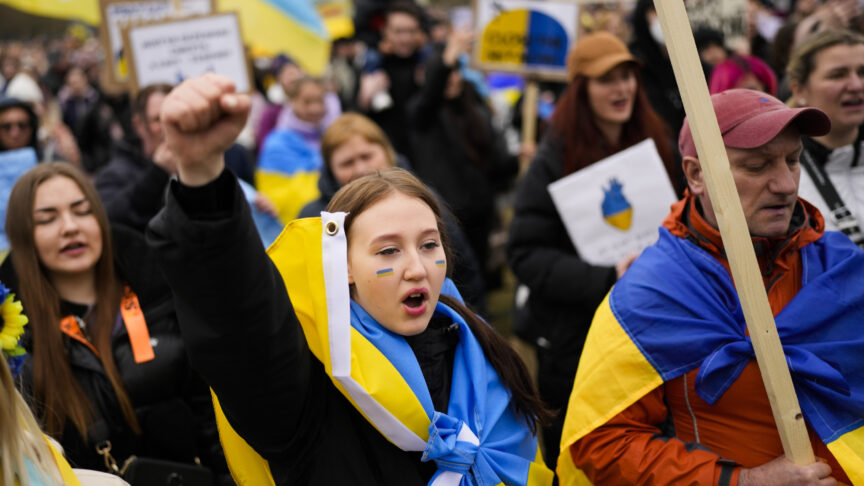
As Russia’s war on Ukraine approaches its second anniversary, European leaders need to prevent Vladimir Putin from capitalising on war fatigue in the West. To maintain public support for backing Kyiv in this crucial election year, they should make clear that a Russian victory is not peace
The Ukraine conflict is a war of attrition – that Russia is set to win. Europeans must act now to increase supplies, helping Ukraine not only survive, but prevail
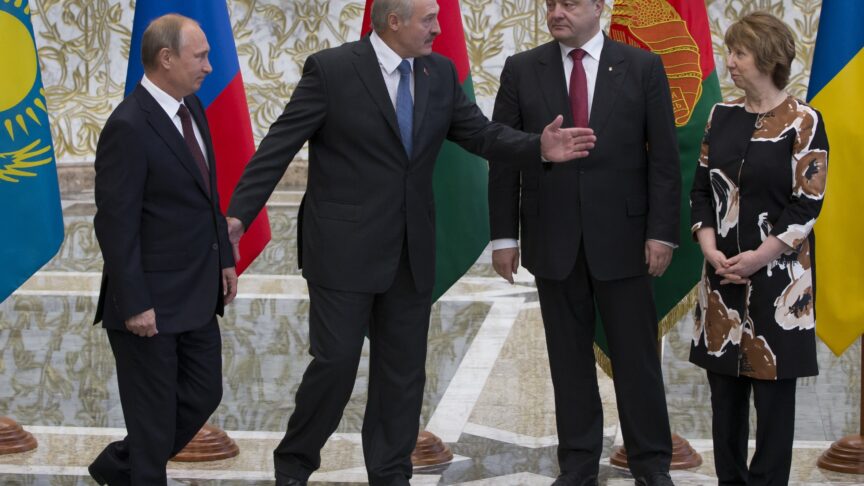
Since Russia’s full-scale invasion of Ukraine, it has been competing with the West for the support of the rest of the world. But with all of its relationships now subordinate to its war effort, Moscow’s foreign policy is weakened
A new global opinion poll for ECFR reveals that many people outside the West want Europe and the US in their lives for all they have to offer – but that does not translate into full political alignment. People instead prefer an a la carte arrangement, in which their governments pragmatically select their partners depending on the matter at hand
Marie Dumoulin, Lykke Friis, Gustav Gressel, Leo Litra
Policy Brief
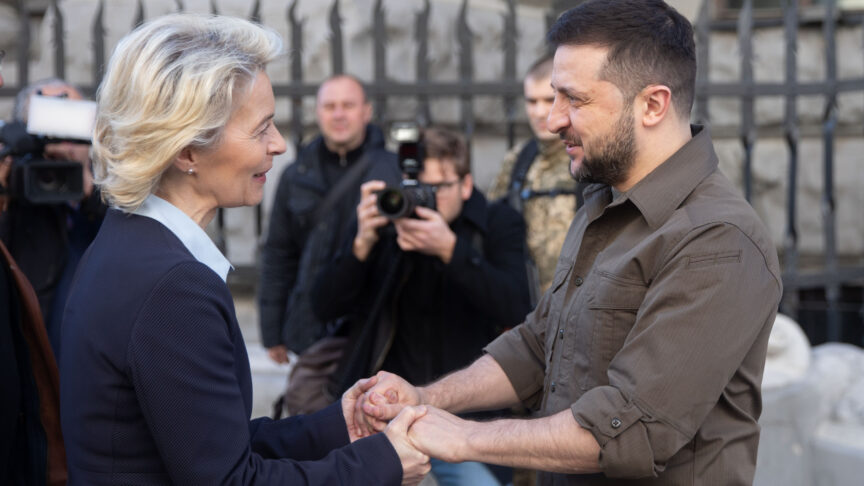
The EU and its member states need to make an urgent commitment to Ukraine’s security and long-term commitment to its European future. If they do not, they risk alienating the very Ukrainians they seek to support
Aslı Aydıntaşbaş, Julien Barnes-Dacey, Susi Dennison, Marie Dumoulin, Frédéric Grare, Mark Leonard, Theodore Murphy, José Ignacio Torreblanca
Policy Brief
Middle powers are shaping a fragmented world for which Europe is ill prepared. To protect its interests and values, the EU needs a foreign policy strategy that emphasises its wide range of interdependencies
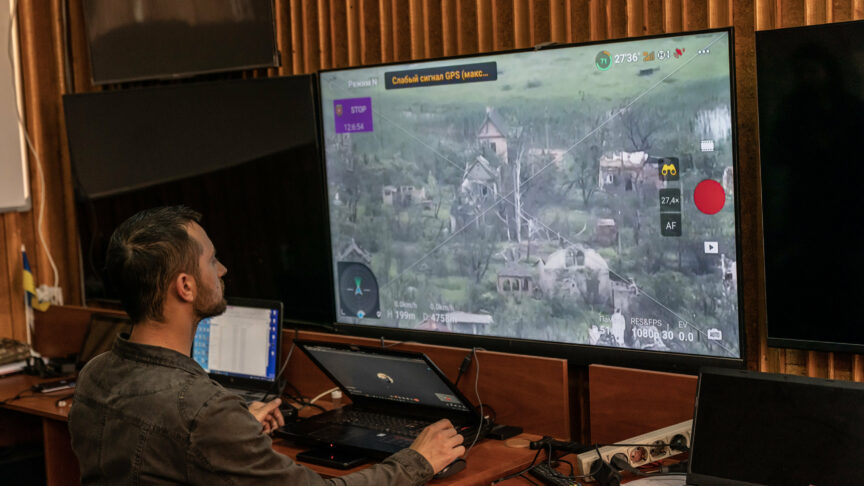
Russia’s war on Ukraine has featured many of the technological advances the world has made over the past decades. If Europeans are serious about their defence capabilities, they need to learn from this use of emerging technology on both sides of the war
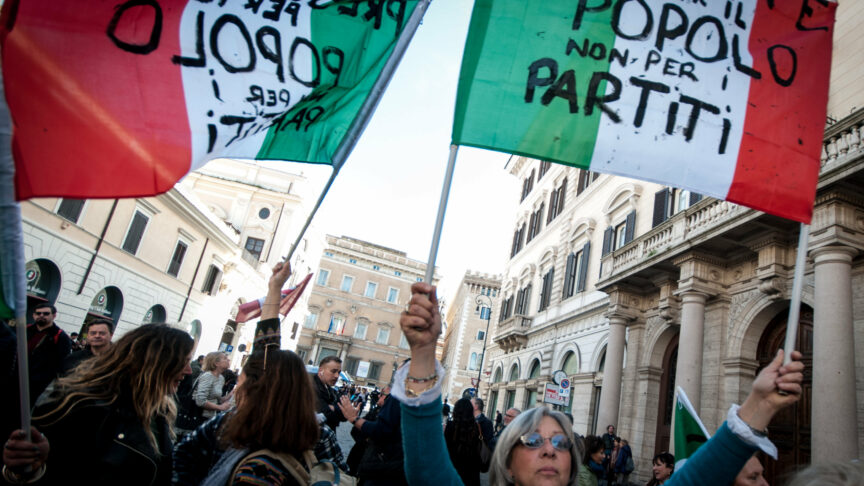
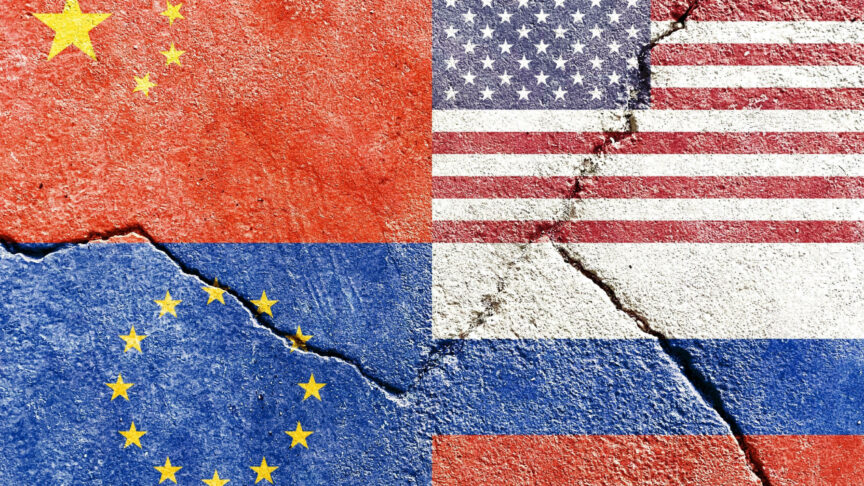
European citizens are adapting slowly to the new geopolitical landscape. But leaders have an opportunity to build public consensus on Europe’s approach to China, the US, and Russia
Russia has gained the upper hand in its war on Ukraine. To reverse Moscow’s progress, the West will need to invest more in supporting Kyiv. With this in mind, here are three scenarios for what could happen in 2024
The European Union’s decision to start accession talks with Ukraine represents a symbolic victory rather than a practical one. With Ukraine struggling to secure crucial aid, and its counter-offensive failing to achieve its objectives, it is time to redefine what constitutes a Ukrainian victory and a Russian defeat
The politicisation of aid for Ukraine in the US and Europe, combined with the increasing war of attrition, is calling into question the West’s strategy for Ukraine. Kyiv’s allies need to update their strategy to enable Ukraine to push back against Russia’s aggression
Europeans have been quick to enhance their missile defence capabilities. But to properly address the threat of Russia’s missiles and deter broader conflict, they need to complement defensive systems with offensive ones
To arm Ukraine for the long war, Europe and the United States should support the development of the country’s military industry to reduce its reliance on Western weapons
With less than two months remaining until winter begins, Ukrainian forces are working to secure better positions for the 2024 campaign. Western allies can help them prepare
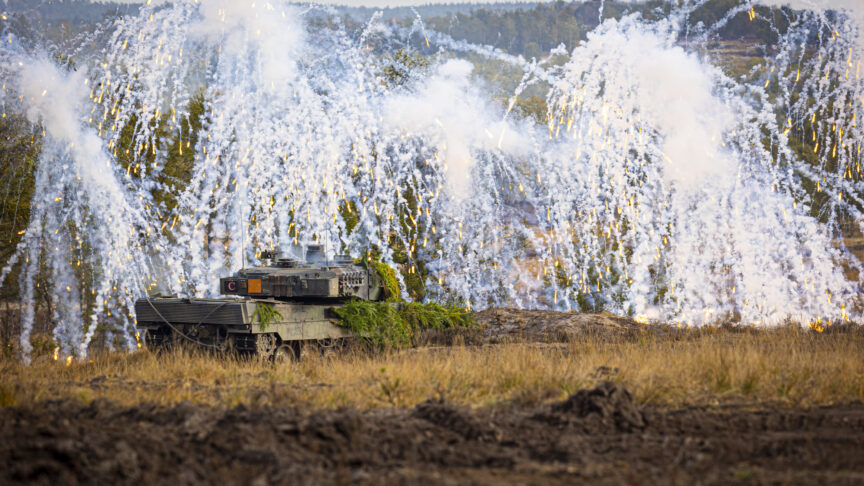
The Ukrainian counteroffensive is contending with a well-prepared enemy. Western allies need to remain patient as they equip Ukraine to put continued pressure on Russian defences
Mark Leonard is joined by ECFR’s Piotr Buras, Gustav Gressel, Kadri Liik, and Jeremy Shapiro to describe and debate the potential military, security, and economic aspects of the long-war plan
New ECFR research reveals that Europe’s remarkable unity in the early days of the war is under threat from an emerging split – between those who want peace as soon as possible and those who favour justice for Ukraine
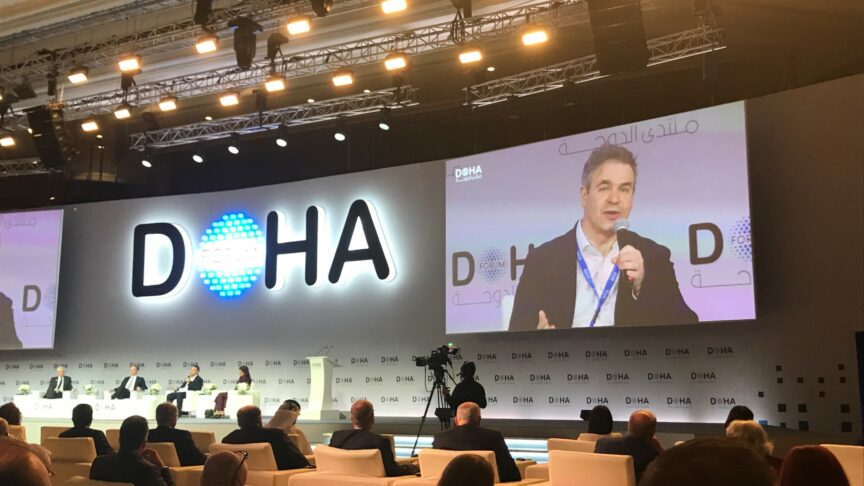
On location at the Doha Forum 2022, Mark Leonard and his guests discuss Western energy sanctions on Russia and why is there a reluctance in the Gulf states and the West to cooperate on energy supplies
Amid a volatile geopolitical environment, ECFR’s recent public opinion poll ahead of the European elections shows that a geopolitical case for Europe resonates with voters,…
Ahead of the European Council in December where accession talks with Ukraine are expected to be opened, the European Council on Foreign Relations (ECFR) is…
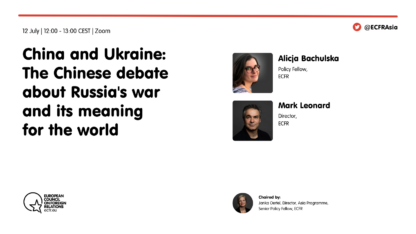
How has Russia’s invasion of Ukraine in February 2022—and the conduct of the war since then—changed China’s support for Russia and its wider outlook on the world? What lessons can Europe learn from China’s relationship to Russia?
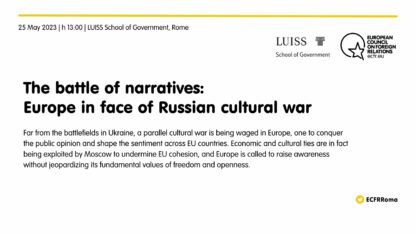
The discussion, organized by the Rome Office of the European Council on Foreign Relations (ECFR) and LUISS School of Government, features the presentation of ECFR’s 2023 European Sentiment Compass
Roma, Ministero degli Affari esteri e della Cooperazione internazionale
ECFR Rome
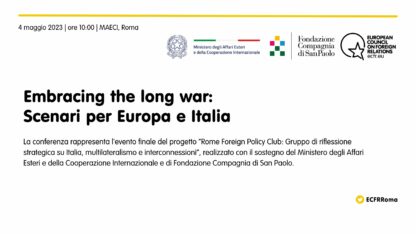
La conferenza è l’evento finale del progetto “Rome Foreign Policy Club: Gruppo di riflessione strategica su Italia, multilateralismo e interconnessioni”, con focus sugli scenari globali e per il Mediterraneo allargato dopo l’invasione dell’Ucraina
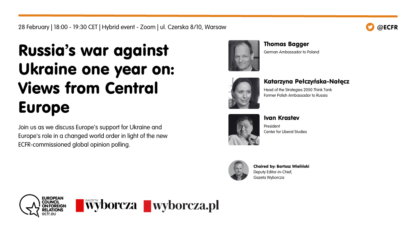
Russia’s devastating war against Ukraine on European soil has been raging for one year now. With tens of thousands of Ukrainian lives lost, the country is fighting…
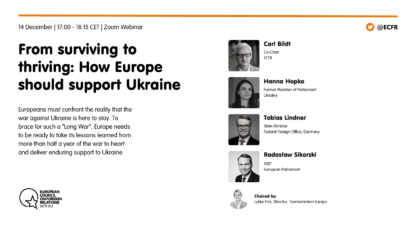
To brace for a “Long War”, Europe needs to be ready to take its lessons learned from more than half a year of the war to heart and deliver enduring support to Ukraine
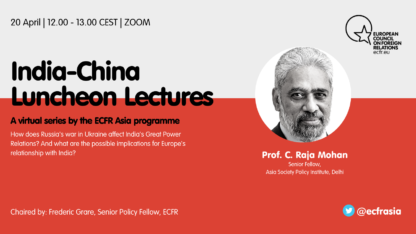
In our sixth India-China Luncheon Lecture, Professor C. Raja Mohan will discuss the implications of Russia’s war in Ukraine on India’s relations with China, the US, and the EU.
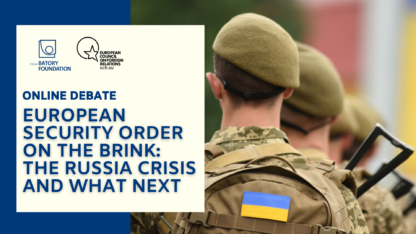
West do prevent an aggression against Ukraine? What does Kyiv expect from the EU and NATO? What is the future of the European security order? What are the perspectives of the key EU member states and Ukraine?
Kristi Raik attests disunity in the European stance on Russia and its invasion of Ukraine
Privacy Preference
We use cookies on our website. Some of them are essential, while others help us to improve this website and your experience.If you are under 16 and wish to give consent to optional services, you must ask your legal guardians for permission.We use cookies and other technologies on our website. Some of them are essential, while others help us to improve this website and your experience.Personal data may be processed (e.g. IP addresses), for example for personalized ads and content or ad and content measurement.You can find more information about the use of your data in our privacy policy.You can revoke or adjust your selection at any time under Settings.
If you are under 16 and wish to give consent to optional services, you must ask your legal guardians for permission.We use cookies and other technologies on our website. Some of them are essential, while others help us to improve this website and your experience.Personal data may be processed (e.g. IP addresses), for example for personalized ads and content or ad and content measurement.You can find more information about the use of your data in our privacy policy.Here you will find an overview of all cookies used. You can give your consent to whole categories or display further information and select certain cookies.