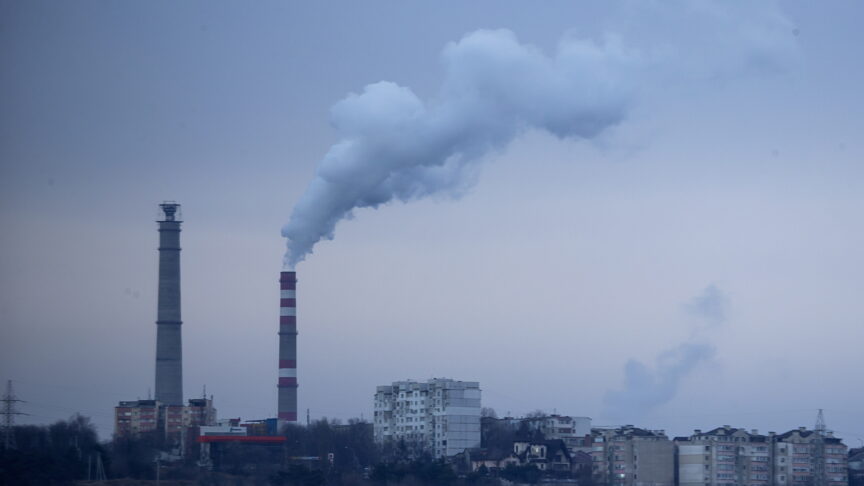
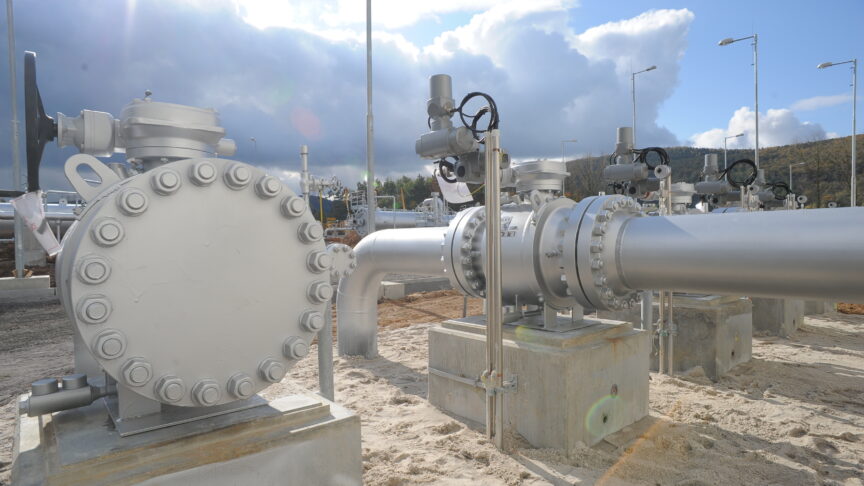
Moldova’s total dependence on Russian gas makes it a key front in Moscow’s hybrid war. The EU should help Moldova diversify its energy supplies to prevent further destabilisation.
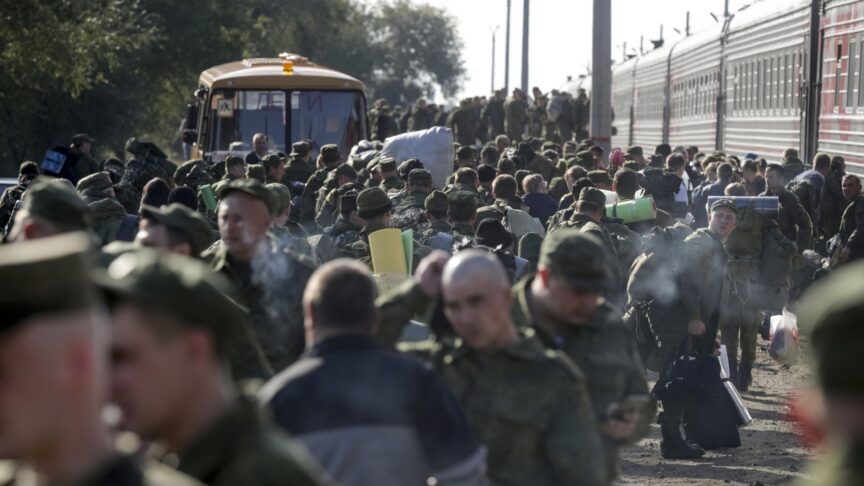
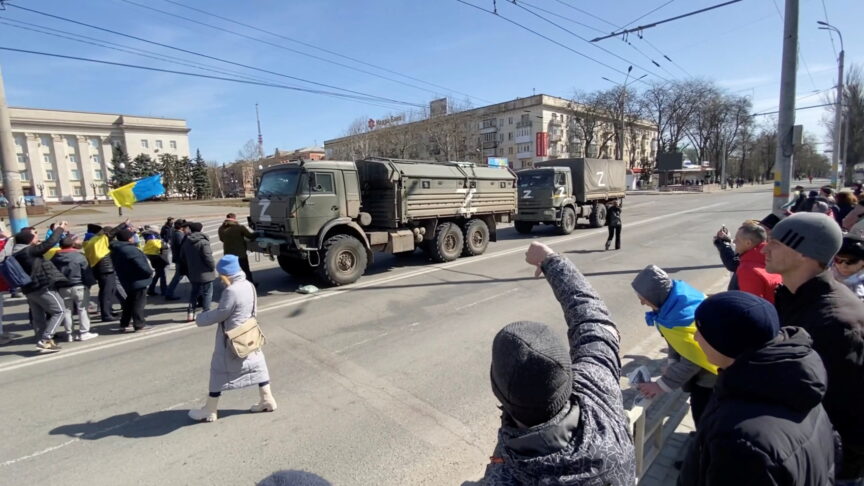
Vladimir Putin’s mobilisation is a sign of desperation. Yet Ukraine will still need weapons deliveries to help respond to the arrival of thousands of Russian conscripts.
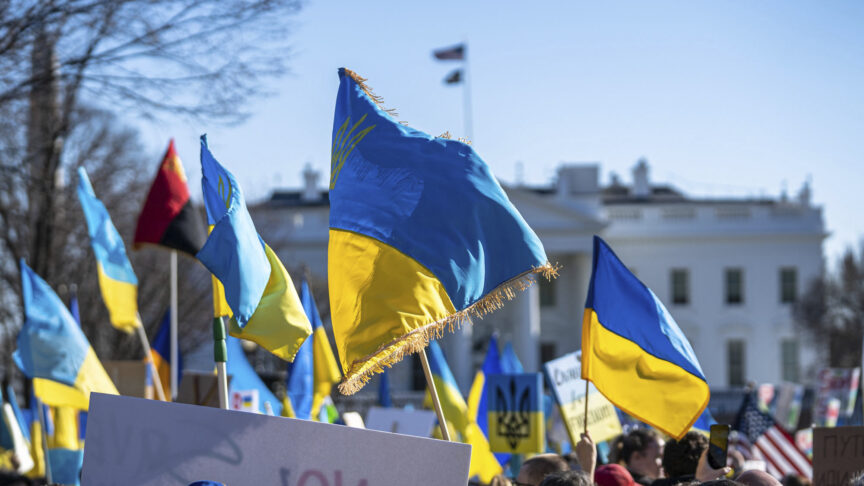
Europeans will have to put their money where their mouth is to maintain relations with the US over Ukraine – and deliver a ‘long war plan’, such as that proposed by ECFR
The European Union should offer Ukraine preferential access to the single market, and help avoid predictions of a ‘long war’ becoming a self-fulfilling prophecy
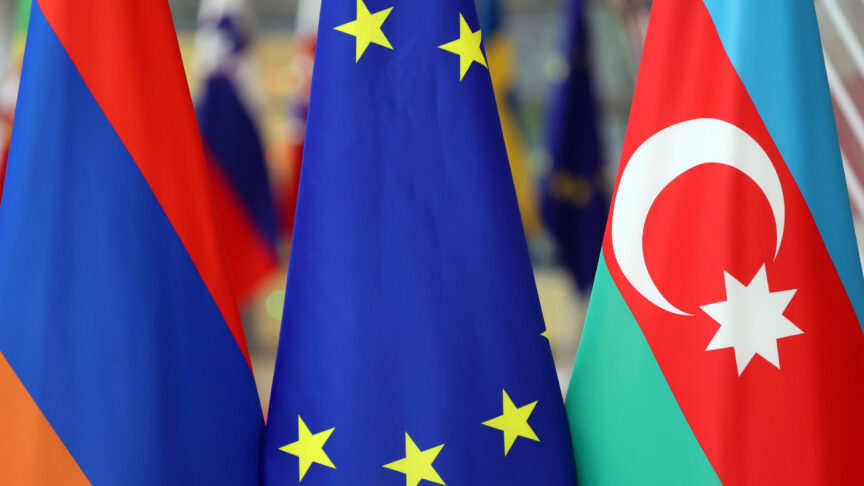
Moscow has declined to choose between its old friend Armenia and newer friend Azerbaijan. But the EU still has some way to go to make a difference through diplomacy.
Western states will only maintain their unity and resolve if they address major problems related to their external alliances, EU unity, and people power
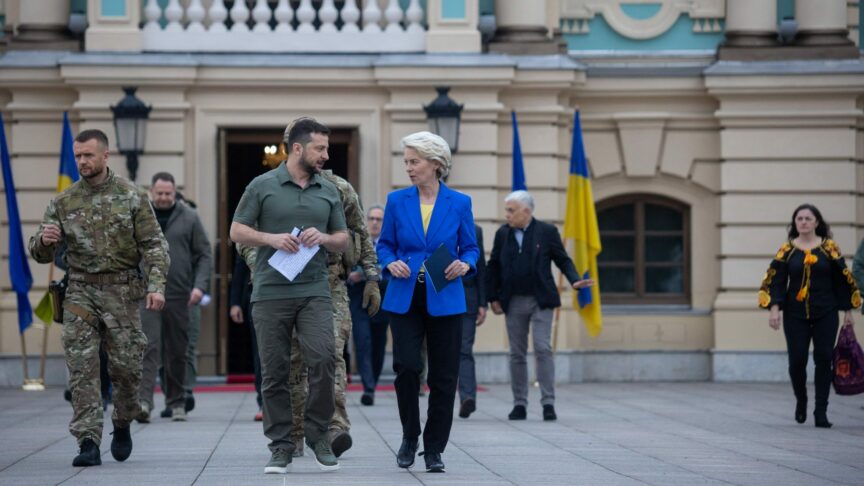
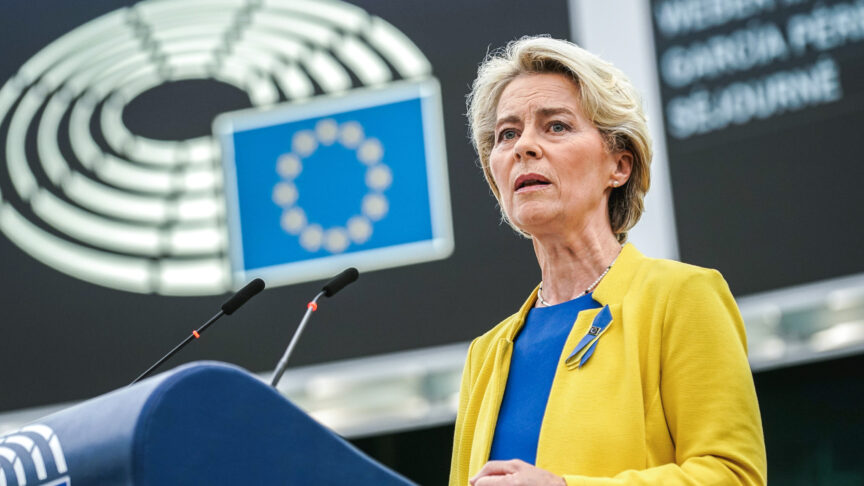
The European Commission president’s annual address has not pleased everybody – but its focus on energy reflects a deeper understanding of the nature of security today
Europeans are understandably eager to cut off all channels of Russian influence over their continent, especially in energy. But this interdependence has also allowed them to push back against Russian aggression.
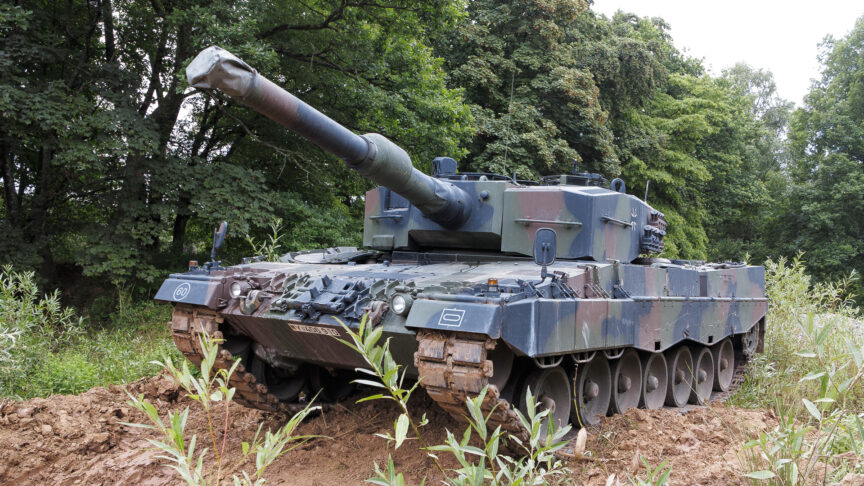
Ukraine needs to move to a new phase of the war if it is to reclaim its territory occupied by Russia. A European plan to supply Leopard tanks should be at the heart of this effort.
Ukraine has lured a significant number of Russian troops south – but the country still needs significant help on arms deliveries
Privacy Preference
We use cookies on our website. Some of them are essential, while others help us to improve this website and your experience.If you are under 16 and wish to give consent to optional services, you must ask your legal guardians for permission.We use cookies and other technologies on our website. Some of them are essential, while others help us to improve this website and your experience.Personal data may be processed (e.g. IP addresses), for example for personalized ads and content or ad and content measurement.You can find more information about the use of your data in our privacy policy.You can revoke or adjust your selection at any time under Settings.
If you are under 16 and wish to give consent to optional services, you must ask your legal guardians for permission.We use cookies and other technologies on our website. Some of them are essential, while others help us to improve this website and your experience.Personal data may be processed (e.g. IP addresses), for example for personalized ads and content or ad and content measurement.You can find more information about the use of your data in our privacy policy.Here you will find an overview of all cookies used. You can give your consent to whole categories or display further information and select certain cookies.