
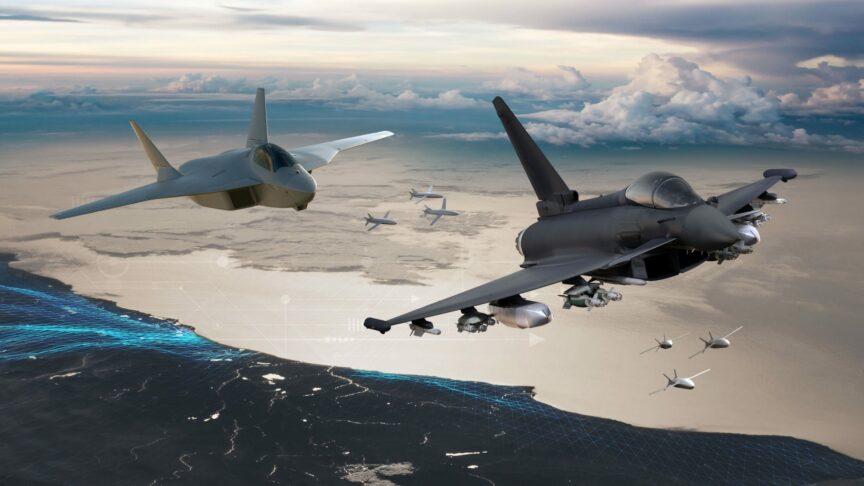
How Germany’s Greens could spell the end for the Franco-German fighter jet
The future of the FCAS fighter jet now likely lies with the German Greens. If they enter government this year, the end could be nigh for the Franco-German project

Policy Fellow
Defence and security policy; military operations; nuclear strategy and arms control
German, English
Rafael Loss is a policy fellow at the European Council on Foreign Relations. His work focuses on security and defence in the Euro-Atlantic area; military operations, innovation, and technology; and nuclear strategy and arms control.
Before joining ECFR, Loss was a research associate at the Center for Global Security Research at Lawrence Livermore National Laboratory in Livermore, California. He is an alumnus of the German Federal Ministry of Defence’s Manfred Wörner Seminar, the NATO Defense College’s Early-Career Nuclear Strategists Workshop, and the Center for Strategic and International Studies’ Nuclear Scholars Initiative.
Loss was a Fulbright fellow at the Fletcher School at Tufts University, where he earned an MA in international relations. He also holds a BA in political science from the University of Bremen.
The future of the FCAS fighter jet now likely lies with the German Greens. If they enter government this year, the end could be nigh for the Franco-German project
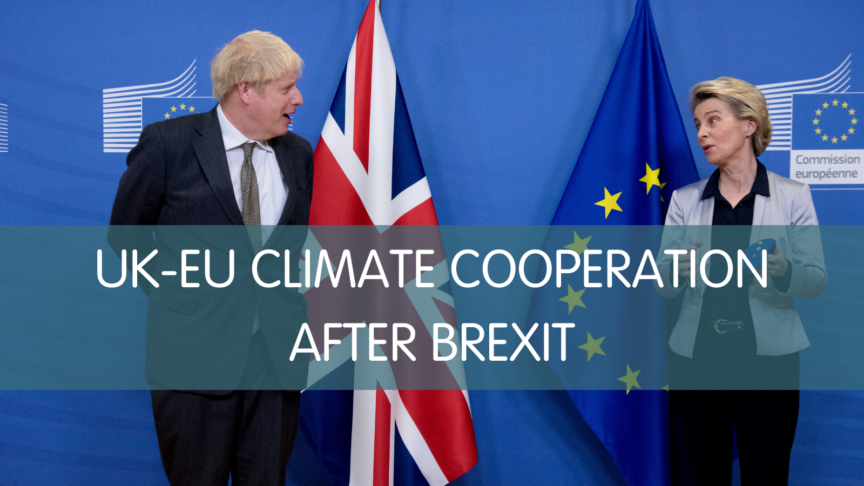
With Joe Biden about to enter the White House, London could need to display ambition on climate issues, or face being left behind by Washington and Brussels if they identified this policy area as a vehicle for rapprochement

The pandemic poses a threat to European cohesion by increasing economic divides and undermining trust in the EU and national governments
European cohesion is bouncing back after crisis years. The EU Cohesion Monitor presents new insights on cohesion as an underestimated source of strength and collective action in the EU
This could be the moment to build a more balanced transatlantic relationship, with Europeans showing the US where we need it to engage, and how – rather than simply waiting for cues from Washington
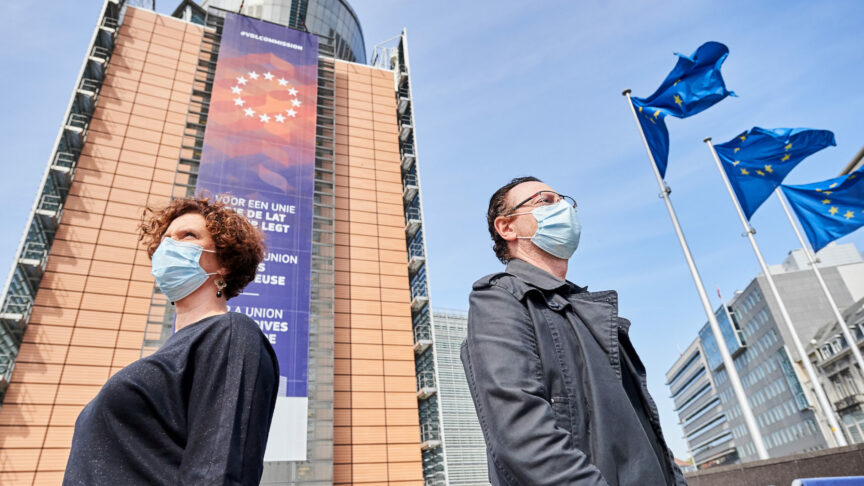
Myths around Europe’s and China’s respective actions early on in the coronavirus crisis are now dispelled – and ECFR’s European Solidarity Tracker tells the story of how
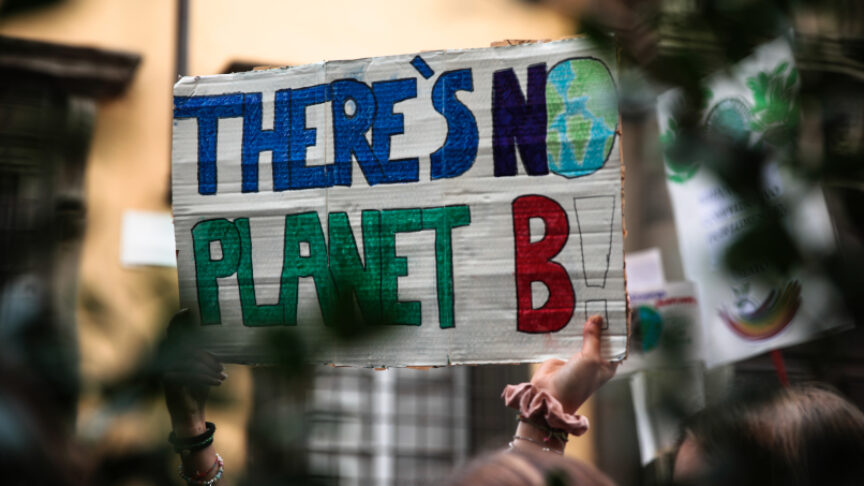
The Greens’ drive and plans will be essential if Germany is to regain a leadership role on European climate policy
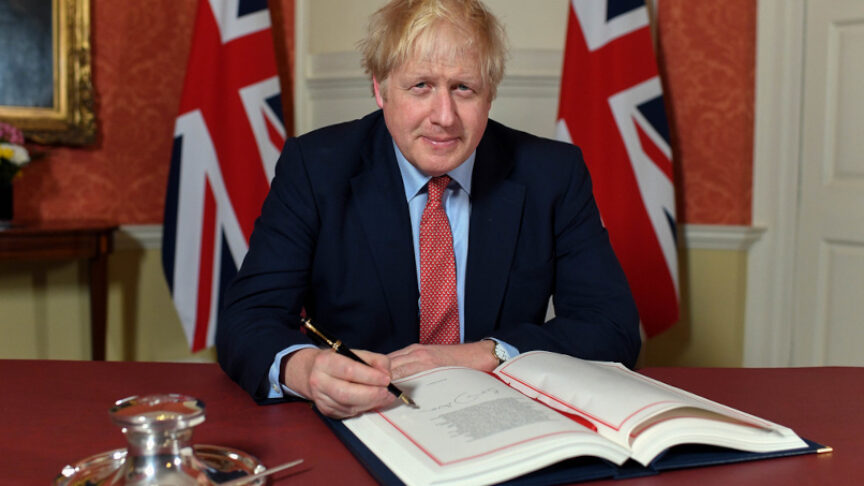
It is in the British prime minister’s interests to carry on a ‘war with Brussels’, no matter how tired EU leaders already are of the issue
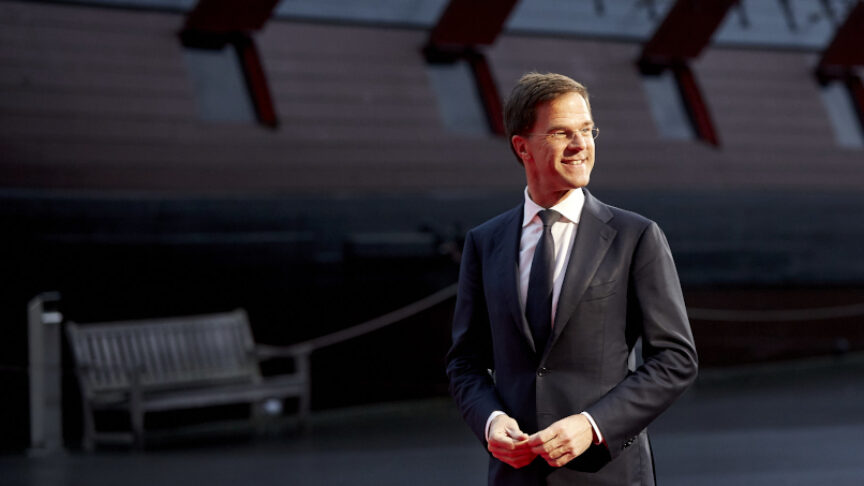
Member states that dug their heels in during the EU recovery negotiations should now form a new climate coalition to achieve more than the July deal

The Coalition Explorer illustrates the expert opinions of more than 800 respondents who work on European policy and creates a visual understanding of the views held by Europe’s professional political class
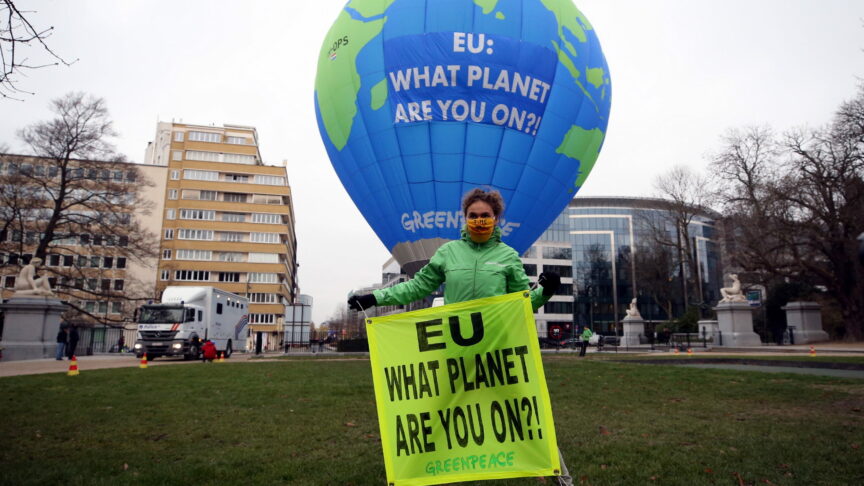
Member states are not divided into two diametrically opposed camps. This makes the implementation of the European Green Deal an intricate puzzle – yet achievable
The pandemic poses a threat to European cohesion by increasing economic divides and undermining trust in the EU and national governments
In their campaigns for the European parliament election, Germany’s pro-European parties must unite to effectively mobilise voters against the threat of the far-right party, Alternative for Germany
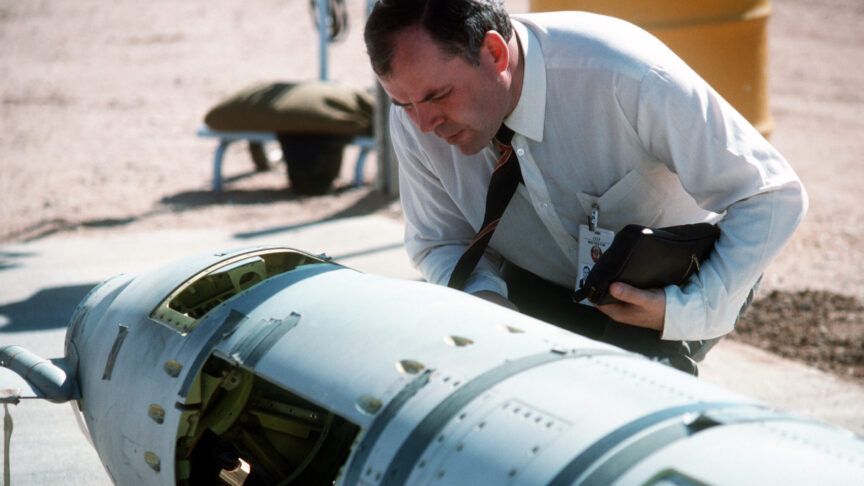
As China and Russia expand their nuclear arsenals, US security guarantees are beginning to lose their weight. Now, American allies may start to consider taking up the nuclear option themselves
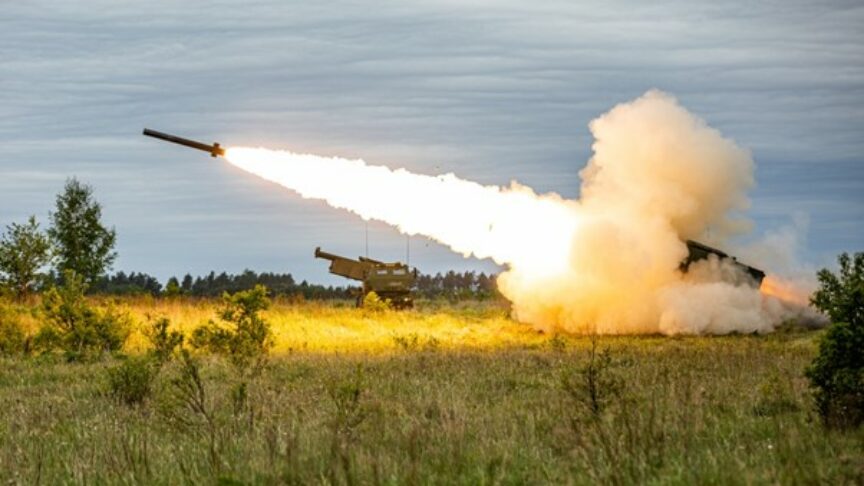
Europeans have been quick to enhance their missile defence capabilities. But to properly address the threat of Russia’s missiles and deter broader conflict, they need to complement defensive systems with offensive ones
This collection of nine insightful essays illuminates the strategies employed to advance European interests and values within this evolving global polity of overlapping cooperative frameworks
The global nuclear order has so far proven resilient in the face of Russia’s war on Ukraine. European engagement through the EU and NATO can help shore up this uneasy equilibrium
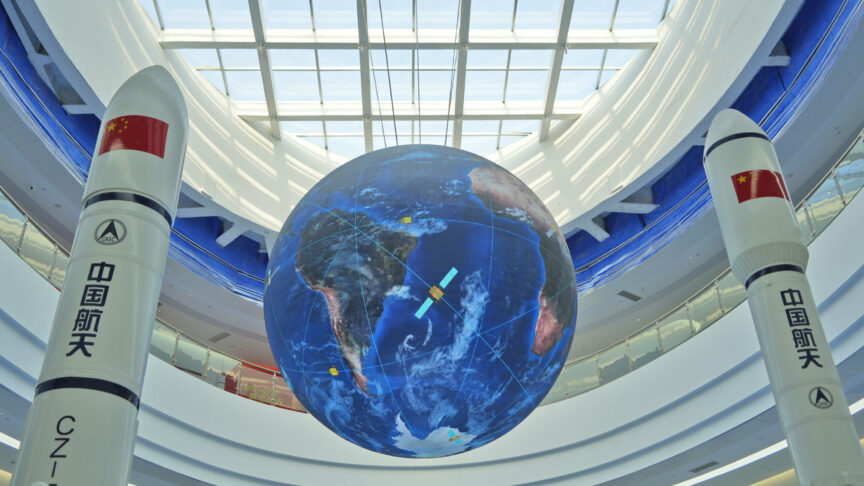
Competition among major space powers hinders multilateral action to protect access to outer space. The EU has a key role to play in promoting responsible behaviours and securing the use of space for all
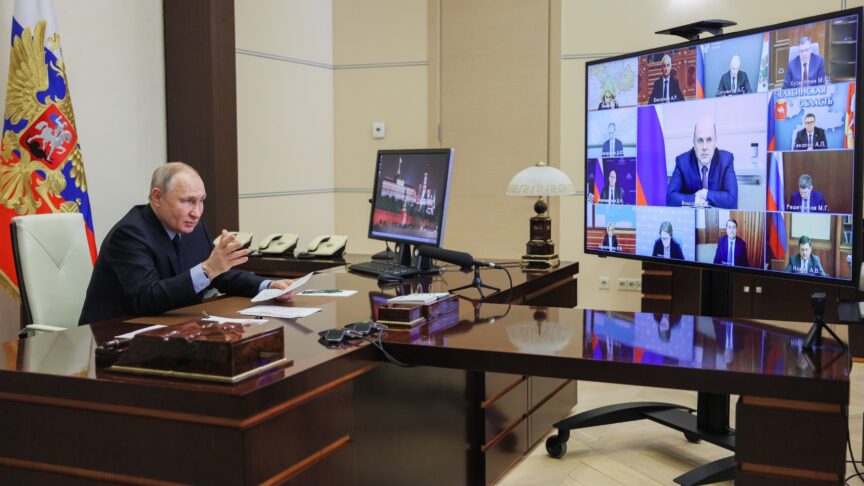
Putin’s attention-seeking plan to station nuclear weapons in Belarus underlines his commitment to nuclear risk manipulation – but his blackmail may be losing its potency
Military help for Ukraine is moving towards serious questions of logistics – but more countries still need to step forward. Here is how the next-stage coalition could look
We are not on a path to nuclear war – but strong deterrence measures from the West can help ensure that scenario remains unlikely
Ukraine needs to move to a new phase of the war if it is to reclaim its territory occupied by Russia. A European plan to supply Leopard tanks should be at the heart of this effort
Multilateral coalitions are increasingly important for combatting global challenges. Europeans have many eligible – and untapped – potential partner countries, but to stand out they need to ensure their offer is as grounded in these partners’ interests as their own
The EU can overcome the new challenges it faces and can shape the global order. To achieve this, Europeans will need to improve their joint capacity to act
European cohesion is bouncing back after crisis years. The EU Cohesion Monitor presents new insights on cohesion as an underestimated source of strength and collective action in the EU
The Coalition Explorer illustrates the expert opinions of more than 800 respondents who work on European policy and creates a visual understanding of the views held by Europe’s professional political class
The European Solidarity Tracker collects and displays instances of pan-European solidarity throughout the coronavirus crisis
In September 2024, the United Nation’s Summit of the Future is set to take place – a crucial moment to mend “eroded trust” between peoples,…
To achieve the ambitions of the European Green Deal, the European Commission insists that healthy oceans and a sustainable maritime economy are crucial. With rising…
Around 70 per cent of our planet is covered by the ocean, of which two-thirds fall beyond national jurisdiction. After decades of discussions and negotiations,…
The global space economy is worth a whopping $469 billion, and growing fast. Commercial interests are proliferating; more and more countries are launching satellites…
On 8 January 2023, following a contentious national election, protestors attacked government buildings in Brazil’s capital. The riots were preceded by years of online disinformation,…
Digital technologies are set to transform African economies. Yet, only 40 per cent of Africans accessed the internet in 2022 – well below the…
Beyond the UN formats, countries around the world are forging hundreds of bilateral and multilateral agreements to advance the clean energy transition. India has emerged…
Action on climate financing is long overdue. Inadequate mitigation and adaptation have already led to substantial loss and damage in the most vulnerable countries. But…
Climate change is an immediate existential threat to the coral islands that make up the Maldives, one of the lowest-lying countries in the world. Recent…
As the EU builds up its global footprint, it’s crucial to avoid European naval gazing. Instead, Europe needs to engage partners around the world on…
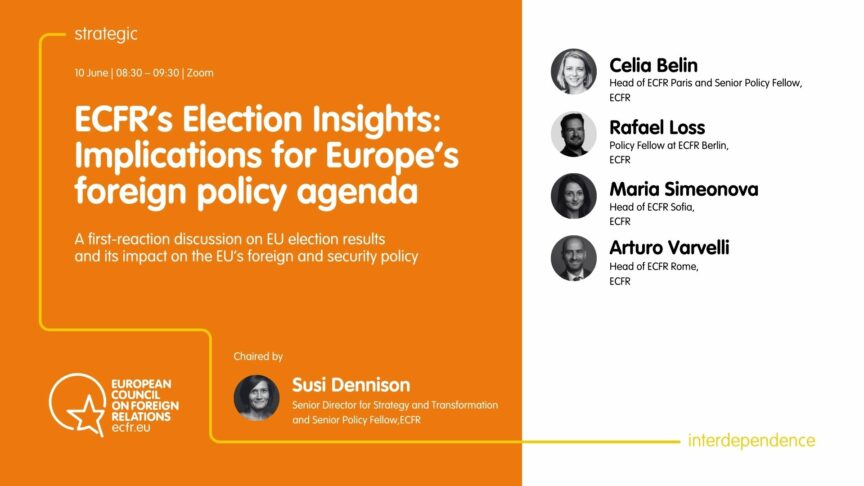
This webinar will provide a snapshot analysis of election results and their implications for Europe’s foreign policy and security agenda. Featuring perspectives from selected ECFR…
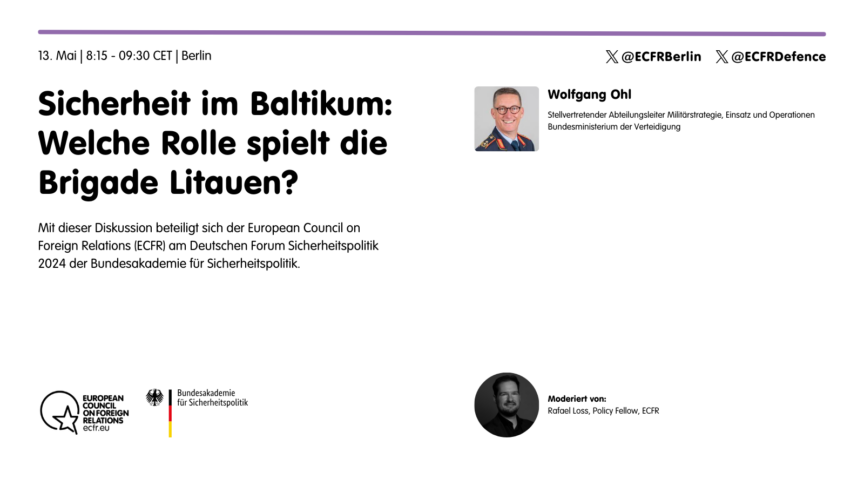
Am 8. April 2024 brach das 21-köpfige Vorkommando der Brigade Litauen nach Vilnius auf. Die Bundeswehrangehörigen werden in den nächsten Wochen und Monaten die erste…
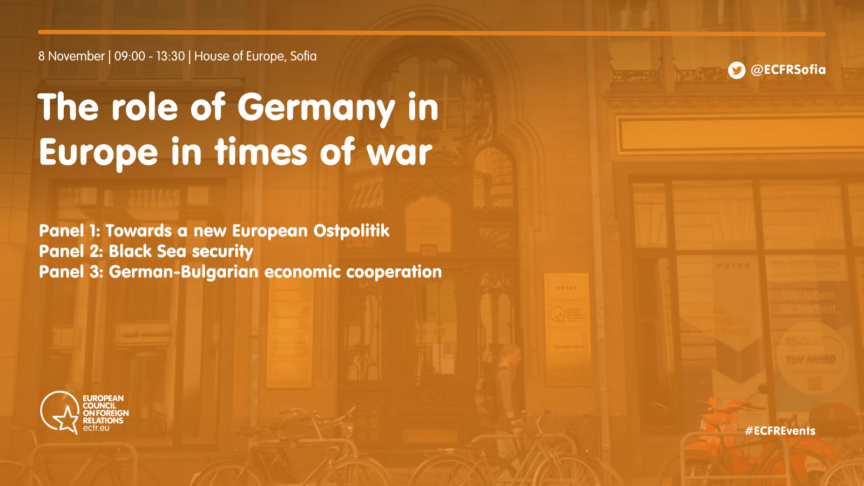
We will discuss Germany’s role in Europe and will reflect on how the new European order is viewed in Berlin
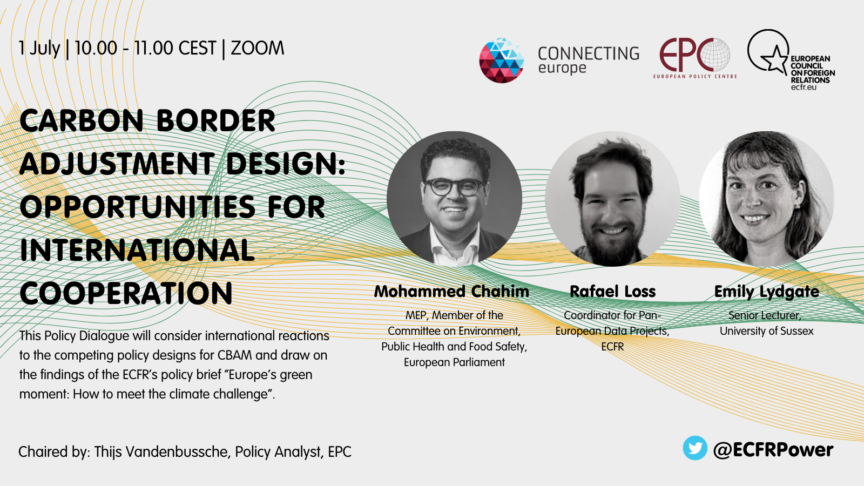
This Policy Dialogue will consider international reactions to the competing policy designs for CBAM, opportunities for cooperation with international partners and the role of international fora in its development such as the WTO and the forthcoming COP26
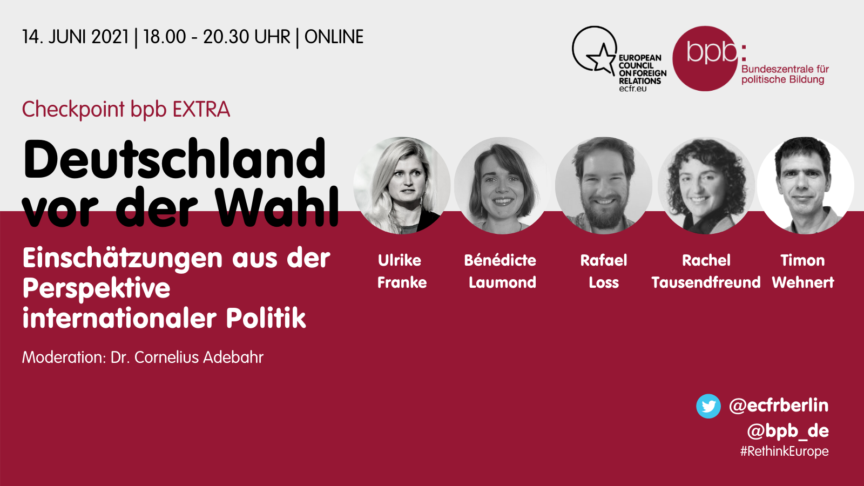
Der Checkpoint EXTRA findet als Kooperation zwischen der bpb und dem Berliner Büro des European Council on Foreign Relations statt
Rafael Loss on the comparative strengths of American capabilities versus European capabilities in NATO
For many countries around the world, the G7’s failure to adopt a stronger stance on the war in Gaza represents the starkest example of the West’s duplicity
Rafael Loss comments on the G7 leaders and the war in Gaza
Europe needs more troops to deal with the Russian threat. A change of mentality is needed: maintaining freedom, security and prosperity does not come for free
Rafael Loss analyses the changes at European level regarding compulsory military service
The EU was awarded the Nobel Peace Prize. But about a decade ago war returned to the European continent. And that, I believe, shook many societies to their core, including the EU
On the occasion of the 80th anniversary of the Normandy landings, Rafael Loss analyses the challenges faced by the EU
If they green-light the use of ATACMS, that could degrade Russia’s ability to use its territory as a sanctuary for ground operations
Rafael Loss on why Ukraine seeks Washington’s approval to strike targets in Russia