
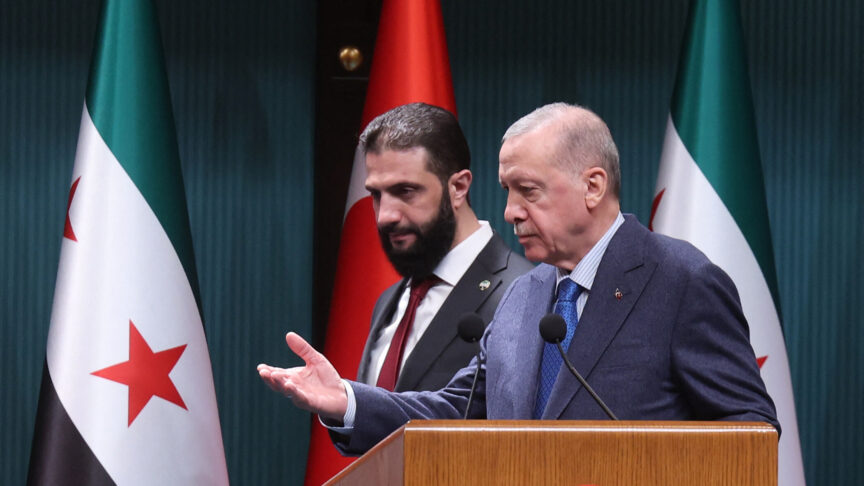
Pieces in motion: Rebalancing power in a new Levantine order
How Europe can use the current moment of flux in the Middle East to help stabilise Iraq, Lebanon and Syria


Senior Policy Fellow
Middle East; Israel/Palestine; Western Sahara; conflict resolution; international law and armed conflict
English, Arabic, French
Hugh Lovatt is a senior policy fellow with the Middle East and North Africa programme at the European Council on Foreign Relations, based in London. He leads ECFR’s work on the Israeli-Palestinian and Western Sahara conflicts, and advises European policymakers on Middle Eastern policy. He is chairman of the Brussels-based European Middle East Project (EuMEP).
Lovatt is a regular commentator for leading news outlets such as The New York Times, the BBC, The Telegraph, Le Monde, and El País. His writing has been published extensively, including in The Times, Foreign Policy, Politico, The Spectator, La Stampa, Haaretz, Política Exterior, Gazeta Wyborcza, and Al-Quds al-Arabi.
He curates a widely referenced ECFR project, mapping Palestinian politics, and co-led a 2016 track-II initiative to draft an updated set of final status parameters to resolve the Israeli-Palestinian conflict. He also pioneered the concept of EU Differentiation which was enshrined in UN Security Council Resolution 2334 (2016). His Differentiation Tracker, assessing the extent to which European states exclude Israeli settlements from their bilateral agreements with Israel, was nominated as one of the top policy studies in the University of Pennsylvania’s 2019 Global Go To Think Tank Index Report.
Lovatt has guest lectured on the history of the Israeli-Palestinian conflict at Trinity College Dublin and acted as a court-appointed expert in counter-terrorism cases related to Middle Eastern armed groups and Islamic ideologies. He has appeared before several parliamentary committees, including a joint hearing of the European Parliament’s human rights and trade committees on the question of trade with non-self-governing and occupied territories in 2022.
He previously worked as a researcher for International Crisis Group, and for the European Parliament as a Schuman Fellow focusing on Lebanon and Syria. He was also an Arabic translator for the Aga Khan University’s Institute for the Study of Muslim Civilisations. His translations have been published in two books: Interpretations of Law and Ethics in Muslim Contexts in 2012, and Cities as Built and Lived Environments: Scholarship from Muslim Contexts, 1875 to 2011 in 2014.
Lovatt studied Arabic at the Institute for Arab and Islamic Studies at the University of Exeter and at the Institut Français du Proche-Orient in Damascus. He holds an MA in Near and Middle Eastern studies from the School of Oriental and African Studies in London, with a major in anthropology.
How Europe can use the current moment of flux in the Middle East to help stabilise Iraq, Lebanon and Syria
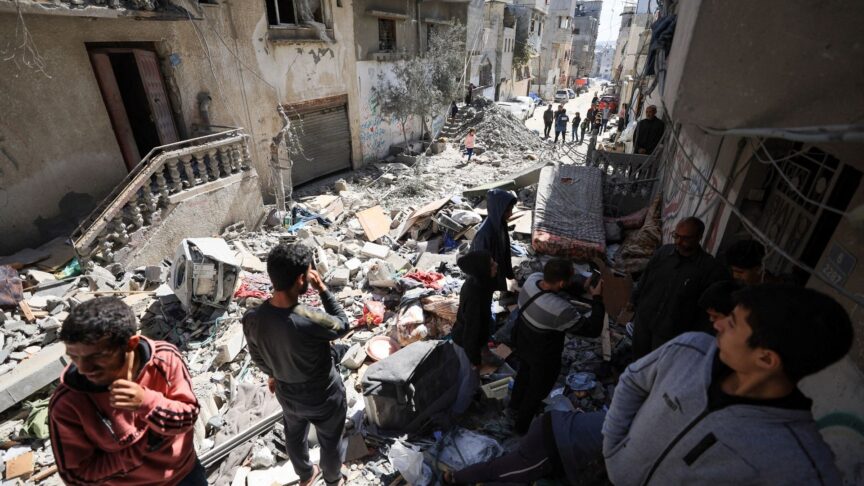
Israel has refused to implement the second phase of its ceasefire agreement with Hamas and launched a new wave of attacks against Gaza, with US backing. Europeans need to respond with sanctions and diplomatic action
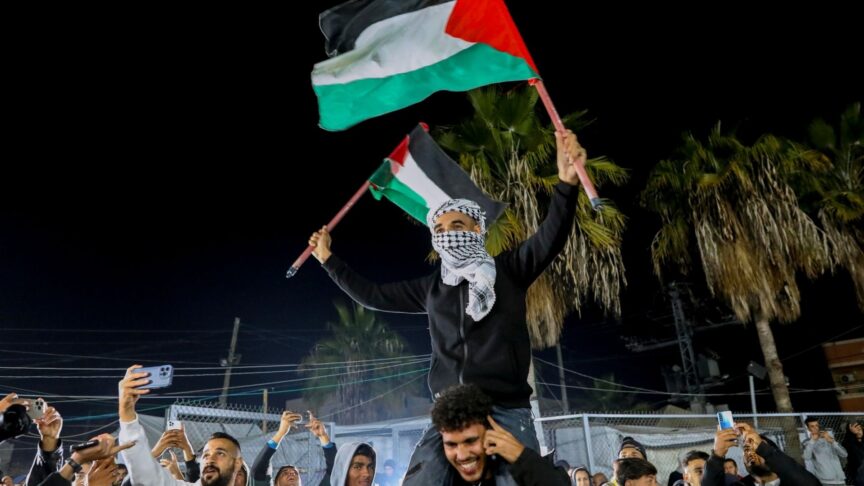
Israel and Hamas have finally reached a ceasefire deal to end the war in Gaza. Europeans must now work with the incoming Donald Trump administration and Arab partners to secure Palestinian self-determination
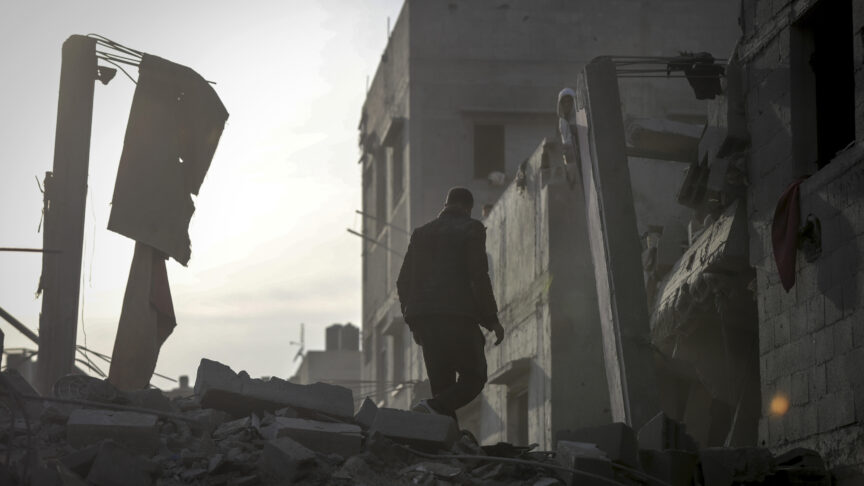
With a two-state solution at risk, Europeans must work closely with Arab states to bring the Israeli-Palestinian conflict to an end
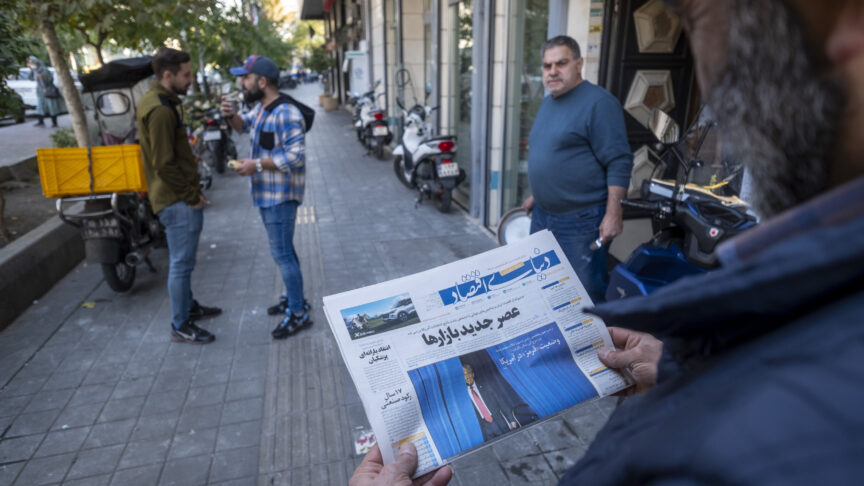
As Donald Trump prepares for his second US presidency, Iranian and Israeli military manoeuvring during President Biden’s lame-duck period risks drawing the US into all-out war in the Middle East
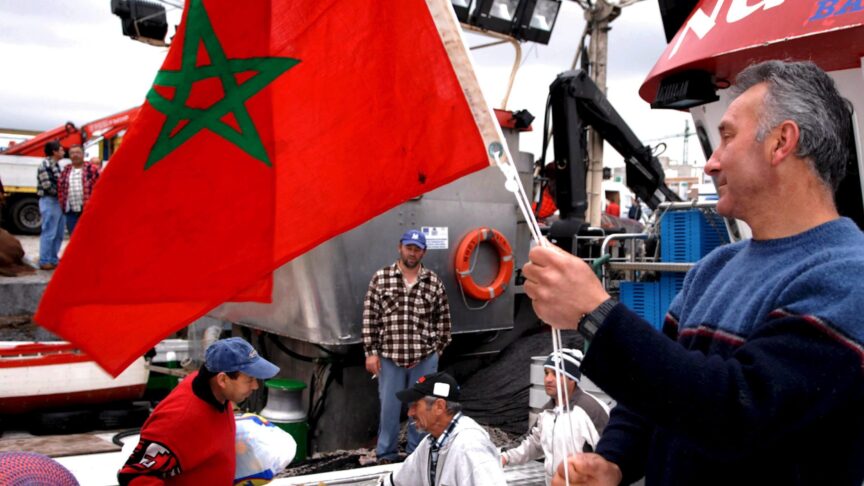
The CJEU has blocked the EU’s inclusion of Western Sahara in its trade and fishery agreements with Morocco. The bloc should now open talks with Polisario to reach a compromise trade deal and support UN-led peace efforts
Mark Leonard welcomes Julien Barnes-Dacey, Ellie Geranmayeh, and Hugh Lovatt to discuss the regional war in the Middle East one year on from the 7 October Hamas attack on Israel
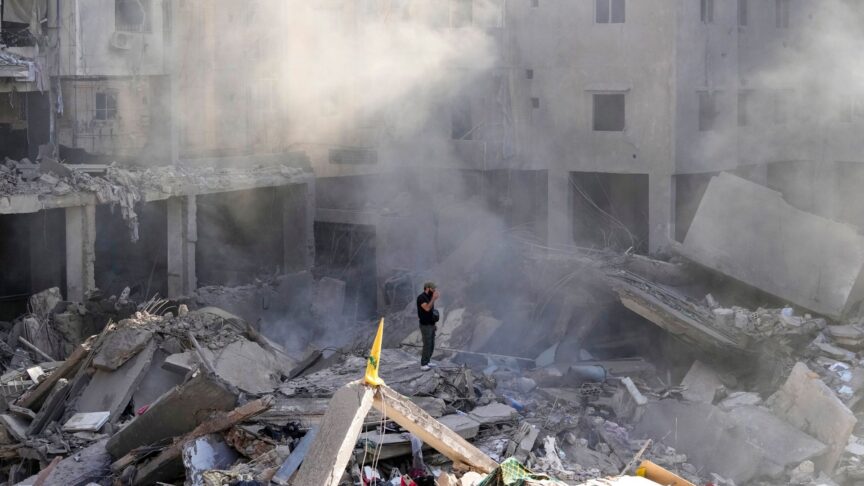
Europeans should use their leverage with Israel and Iran to work towards regional peace
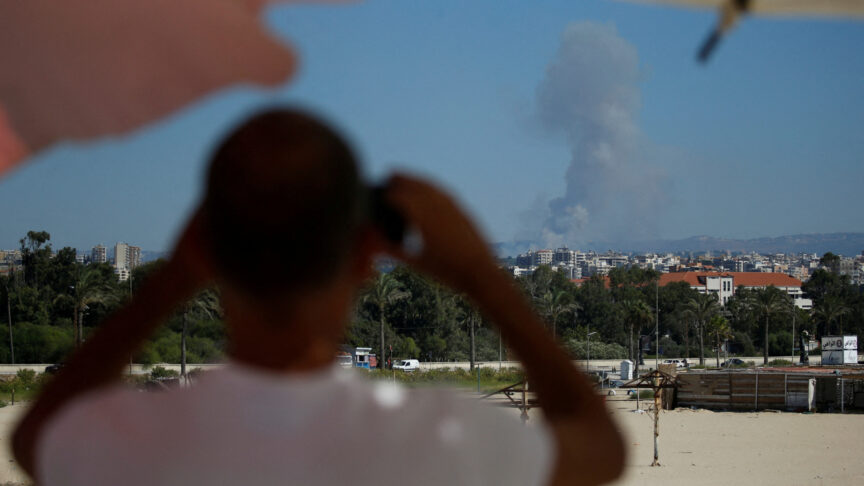
The Middle East is on the brink of a full-blown regional conflict. Western efforts to secure a ceasefire between Israel and Hizbullah will fail without pressure on Israel to accept a ceasefire in Gaza
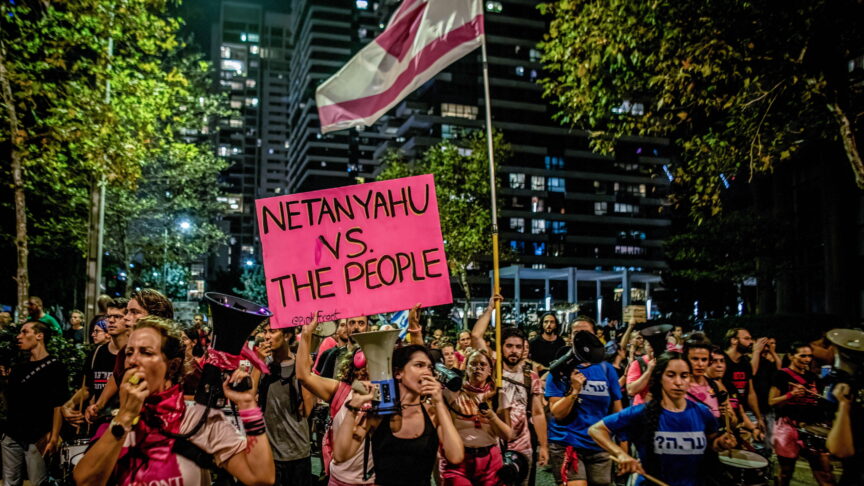
While Israeli frustration with Netanyahu is building, he will likely stay prime minister and continue to obstruct a credible diplomatic track with Palestinians. But even if he were removed from office, Israeli resistance to Palestinian self-determination would remain
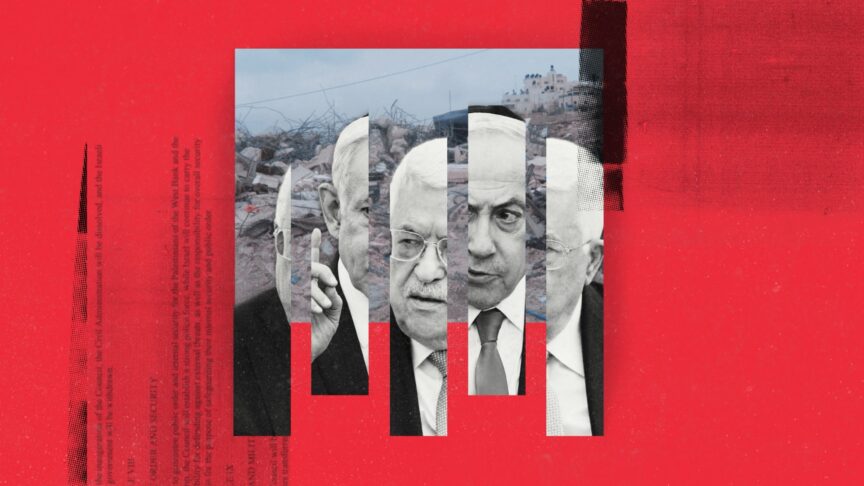
Hollowed out by violent Israeli control and Mahmoud Abbas’s personal rule, the Palestinian Authority is losing its grip on the West Bank. European and Arab states must intervene to rebuild legitimate governance and keep Palestinian self-determination alive
How Europe can use the current moment of flux in the Middle East to help stabilise Iraq, Lebanon and Syria
With a two-state solution at risk, Europeans must work closely with Arab states to bring the Israeli-Palestinian conflict to an end
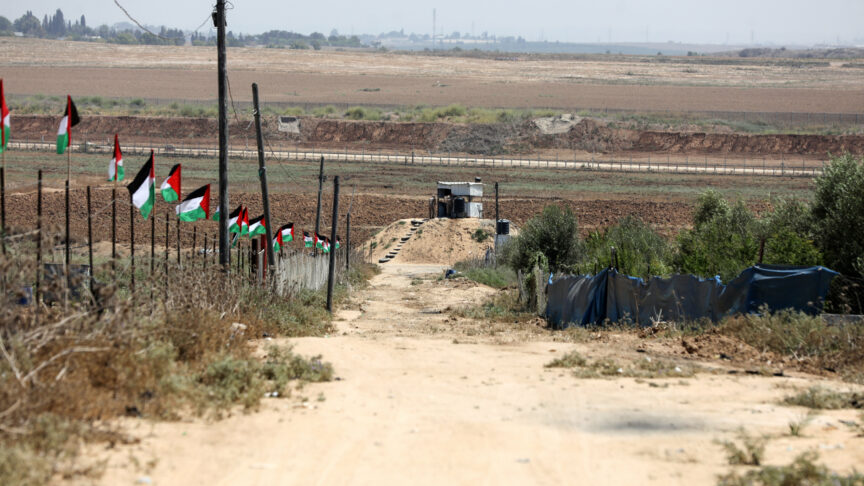
Europeans should leverage their relationships with the Palestinian Authority to revive Palestinian institutions and reverse the PA’s slide towards authoritarianism
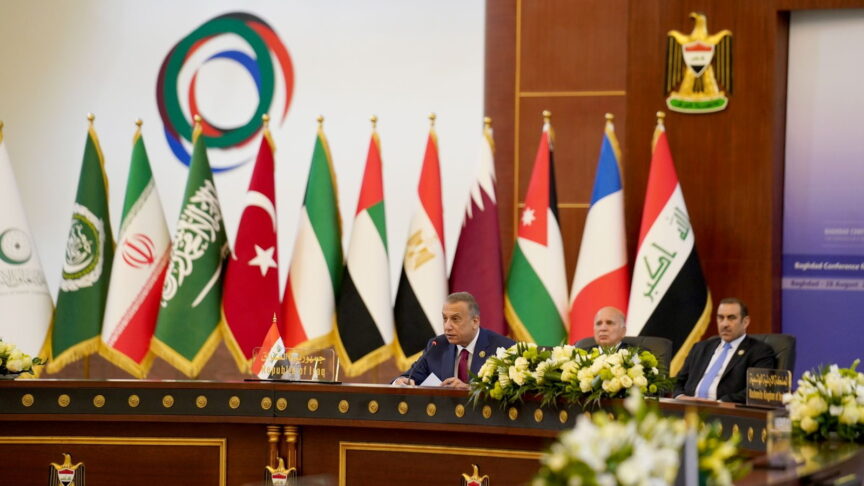
Europeans need to deal with the Middle East as it is rather than as they want it to be, while staying focused on the principles needed to secure longer-term stability
The UN should pursue a “free association” option for Western Sahara – a third way that offers a realistic means of fulfilling Sahrawi self-determination
The EU and the US have a decisive role to play in ensuring the electoral process succeeds. In doing so, they can support Palestinian political renewal and improve prospects for a sustainable peace agreement with Israel
Instead of its rigid focus on the Oslo peace process, the EU should craft a new peacemaking paradigm based on equality and deoccupation
Introduction War threatens to engulf Gaza’s fragile calm. In each of the three recent conflicts that have shaken the Gaza Strip, fighting between Palestinian factions…
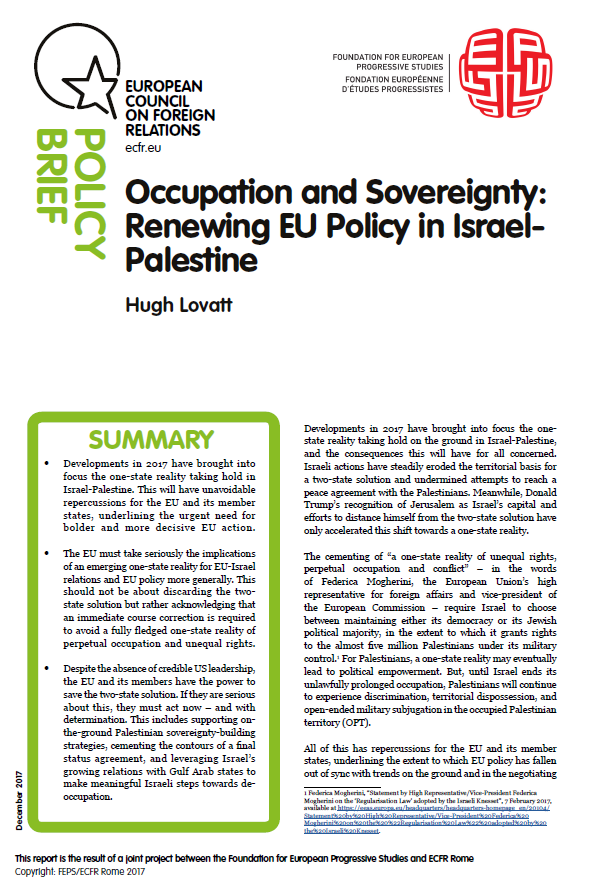
How should the EU respond to the reality of the one-state reality taking hold in Israel-Palestine?
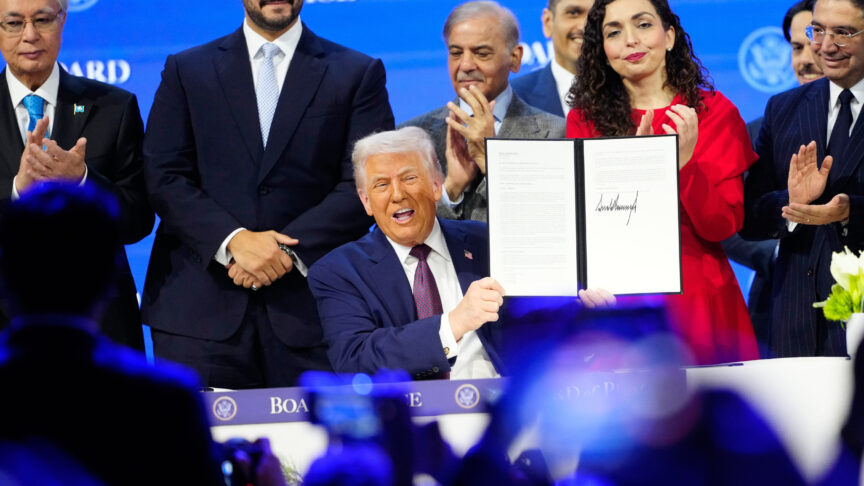
The US president’s Board of Peace has less to do with peace, in Gaza or elsewhere, and more to do with enforcing a new, transactional global order. Welcome to the America-First Trumpian world
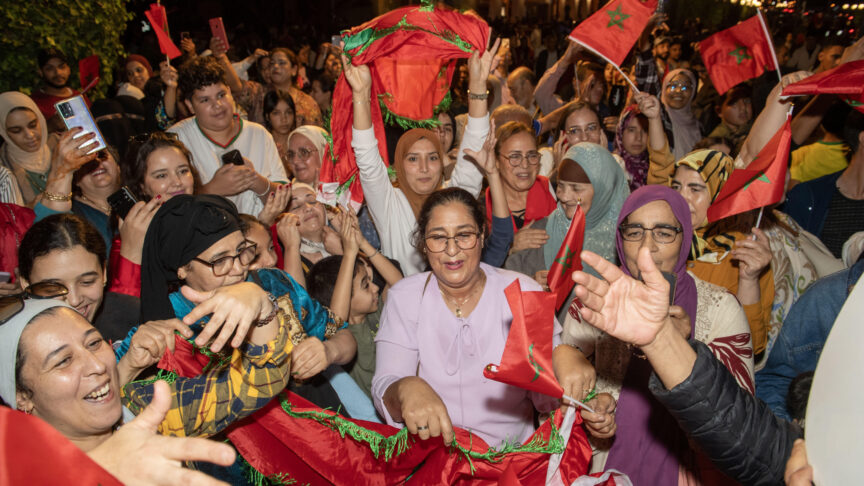
President Donald Trump’s quest for a peace prize has led him to Western Sahara, where American diplomacy risks either sparking more violence or seizing a rare chance to end a half-century-old war
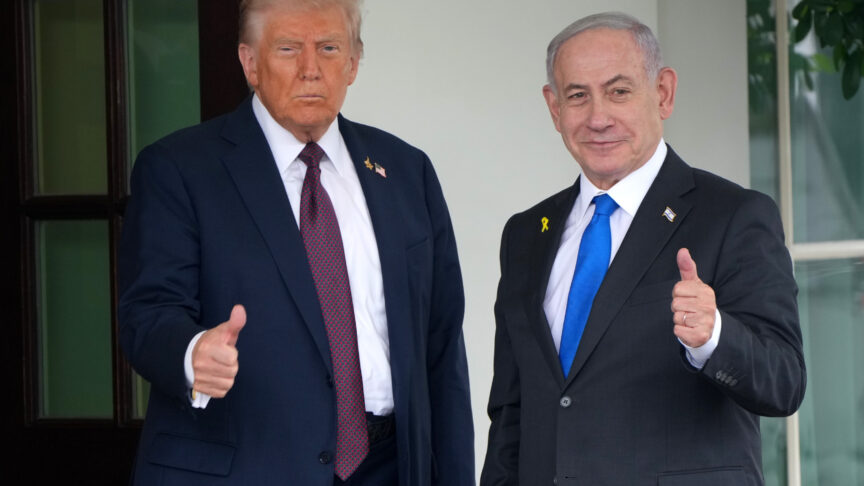
Trump’s peace plan could finally bring an end to Israel’s destruction of Gaza. But gaps in timing, guarantees, and last-minute Israeli amendments risk failure unless European and Arab states intervene
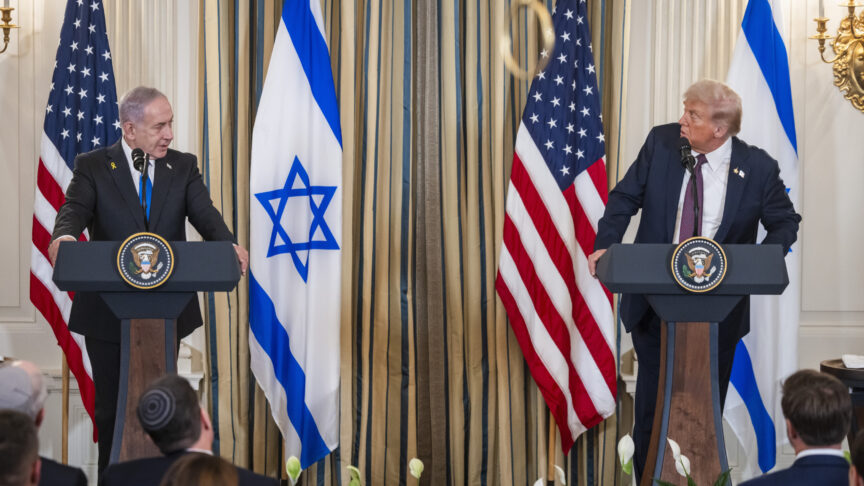
European states should offer support for the broad principles of the plan conditioned on a clear Israeli commitment to a full withdrawal from Gaza
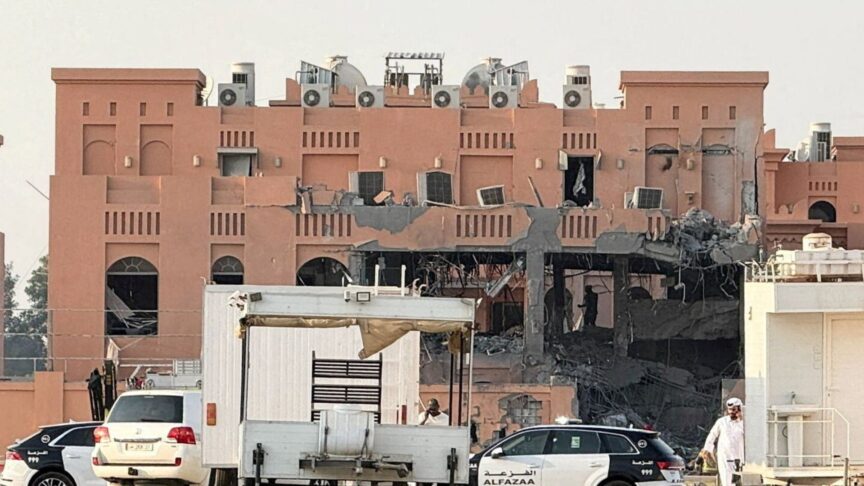
The Doha strike risks deepening regional scepticism of Western security partnerships in the Middle East. Europe needs to do much more to pressure Israel into ending the war in Gaza and curbing its regional belligerence
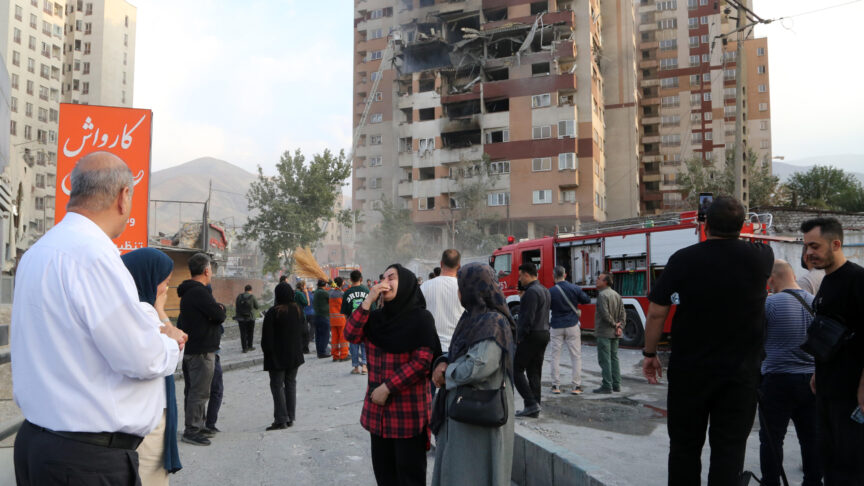
Israel has become the Middle East’s leading destabiliser, threatening key European interests. Europe must avoid making the same mistakes that led to the 2003 Iraq invasion, prioritise diplomacy and urge the US not to get entangled in a war with Iran
Israel has refused to implement the second phase of its ceasefire agreement with Hamas and launched a new wave of attacks against Gaza, with US backing. Europeans need to respond with sanctions and diplomatic action
Israel and Hamas have finally reached a ceasefire deal to end the war in Gaza. Europeans must now work with the incoming Donald Trump administration and Arab partners to secure Palestinian self-determination
As Donald Trump prepares for his second US presidency, Iranian and Israeli military manoeuvring during President Biden’s lame-duck period risks drawing the US into all-out war in the Middle East
The CJEU has blocked the EU’s inclusion of Western Sahara in its trade and fishery agreements with Morocco. The bloc should now open talks with Polisario to reach a compromise trade deal and support UN-led peace efforts
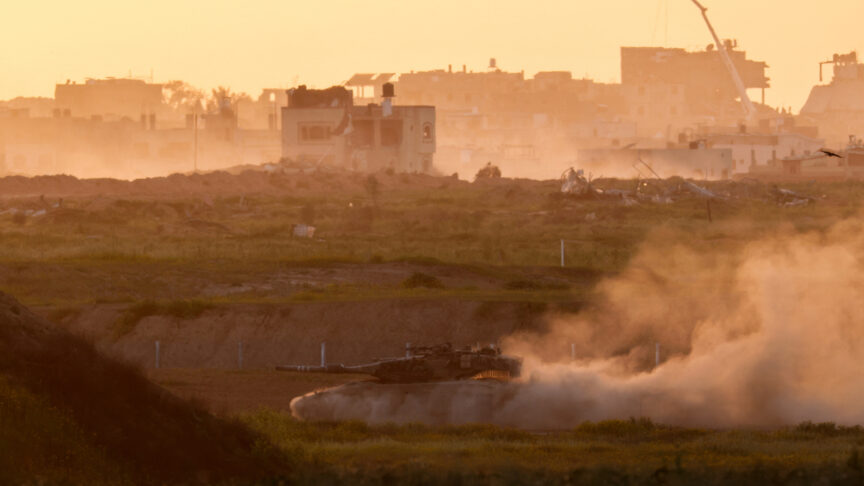
This new ECFR mapping project identifies the spillover effects of the Gaza war in countries across the Middle East
European governments need a deeper engagement strategy to draw these powerful actors into inclusive political processes and power-sharing structures that can help stabilise the region
The eastern Mediterranean is becoming ever more perilous as geopolitical fault lines steadily enmesh the region. These rifts emerge from the Cyprus ‘frozen conflict’, competition for valuable gas fields, and the increasingly entangled wars in Libya and Syria
Turmoil in the Middle East and north Africa directly affects Europeans. Yet their influence in the region has never been weaker. This project maps Europe’s role across the Middle East and north Africa, making the case that Europeans can do more to leverage their influence in pursuit of core interests
ECFR’s Differentiation Tracker provides a snapshot of third state relations with Israel – and the extent to which these contain a clearly defined territorial definition that explicitly excludes Israeli settlements constructed on occupied territory in line with UNSCR 2334
An ECFR guide to the key disputes threatening to spark a wider Middle Eastern war
This interactive web project charts the constellation of political players as Palestinians approach a period of political change. Over 100 pen portraits reveal new insights into the personalities and power structures that will shape the future of Palestinian politics
ECFR’s innovative project Two State Stress Test provides a health-check on whether developments across seven different areas are serving to strain or sustain a possible two-state outcome for the Israeli-Palestinian conflict
Mark Leonard welcomes Ellie Geranmayeh and Hugh Lovatt, fresh from the Doha Forum, to unravel the geopolitical changes and diplomatic efforts shaping Middle Eastern politics
Mark Leonard welcomes Hugh Lovatt to unpack Donald Trump’s peace plan for Gaza and what it means for Israel, Hamas, and Europe
Mark Leonard is joined by Hugh Lovatt and Tahani Mustafa to discuss the humanitarian crisis in Gaza and the West Bank
Mark Leonard welcomes Julien Barnes-Dacey, Ellie Geranmayeh, and Hugh Lovatt to discuss the regional war in the Middle East one year on from the 7 October Hamas attack on Israel
Mark Leonard welcomes Hugh Lovatt and Muhammad Shehada to discuss the war in Gaza and the prospects for Palestinian statehood
Mark Leonard welcomes Hugh Lovatt, Julien Barnes-Dacey, and Jeremy Shapiro to discuss the current situation in Gaza and the possible futures of the war
Jeremy Shapiro welcomes Cinzia Bianco and Hugh Lovatt to discuss the role of the Persian Gulf in the ongoing conflict in Gaza
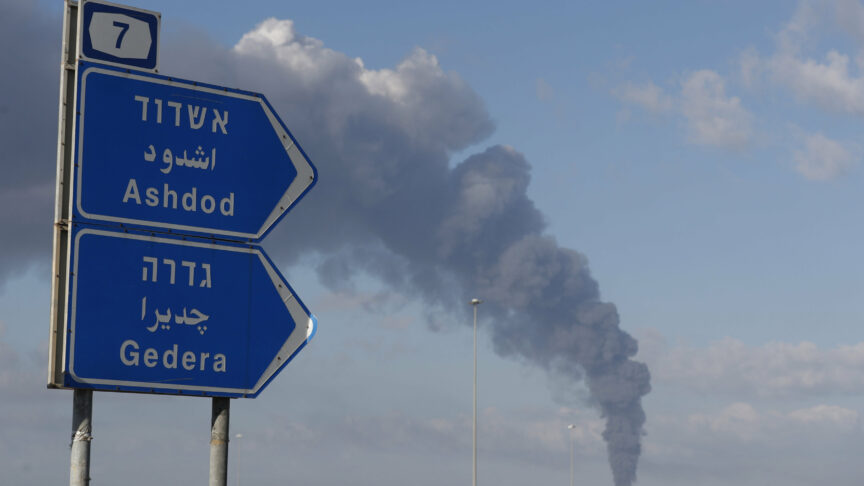
Mark Leonard welcomes Eran Etzion, Julien Barnes-Dacey, and Hugh Lovatt to discuss Hamas’s offensive against Israel and its effects on the Israeli-Palestinian conflict and the wider Middle East
Discussion about the political shifts from the March Israeli elections and dynamics surrounding the upcoming Palestinian elections
In this special ECFR discussion, MENA Policy Fellow Hugh Lovatt interviews Daniel Seidemann, the Founder of Terrestrial Jerusalem and an Israeli attorney that specialises in…
Josep Borrell Fontelles is the EU High Representative for Foreign Affairs and Security Policy and Vice-President of the European Commission. He was President of the European Parliament from 2004-2007 and Spain’s Minister of Foreign Affairs, European Union and Cooperation from 2018-2019. Abraham “Avrum” Burg is a former Knesset Speaker, author, peace activist and founder of…
Do any outside powers have any chance of bringing Russia and Ukraine closer to peace?
Hugh Lovatt on the structure and key figures of Trump’s BoP, as well as its impact on Gaza and the international order
Hugh Lovatt on the launch of Trump’s Board of Peace and its potential impact on the United Nations
Hugh Lovatt on the subsidiary role of the UK in the Board of Peace, contrasting it with the UK’s role in the United Nations
Hugh Lovatt on the prospects of a ‘Board of Peace’ in Gaza and the implications of Trump’s plan to reshape the international order
Hugh Lovatt on Western Sahara’s legal status
You are currently viewing a placeholder content from Facebook. To access the actual content, click the button below. Please note that doing so will share data with third-party providers.
More InformationYou are currently viewing a placeholder content from Instagram. To access the actual content, click the button below. Please note that doing so will share data with third-party providers.
More InformationYou are currently viewing a placeholder content from OpenStreetMap. To access the actual content, click the button below. Please note that doing so will share data with third-party providers.
More Information