ECFR’s flagship Re:Order project explores emerging visions of the global order, as well as the interplay between economic might and geopolitical influence. Re:Order seeks to equip European policymakers and citizens with data-driven analysis and practical recommendations for collective action in an increasingly fragmented geopolitical and economic landscape.
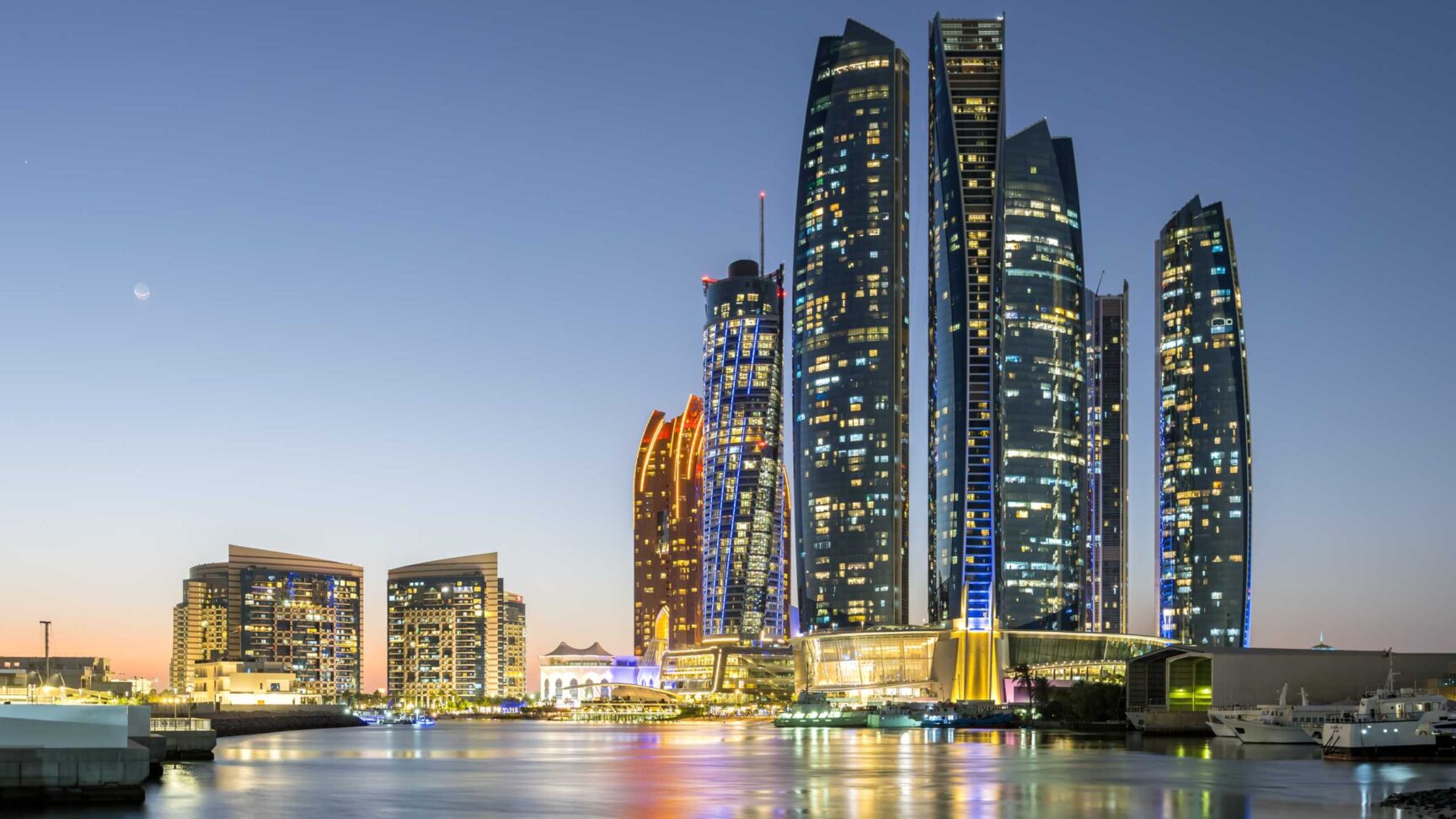
The UAE built its power by turning itself into a hub that binds it to every great power at once. The war with Iran has tested this strategy and is forcing a rethink in Abu Dhabi
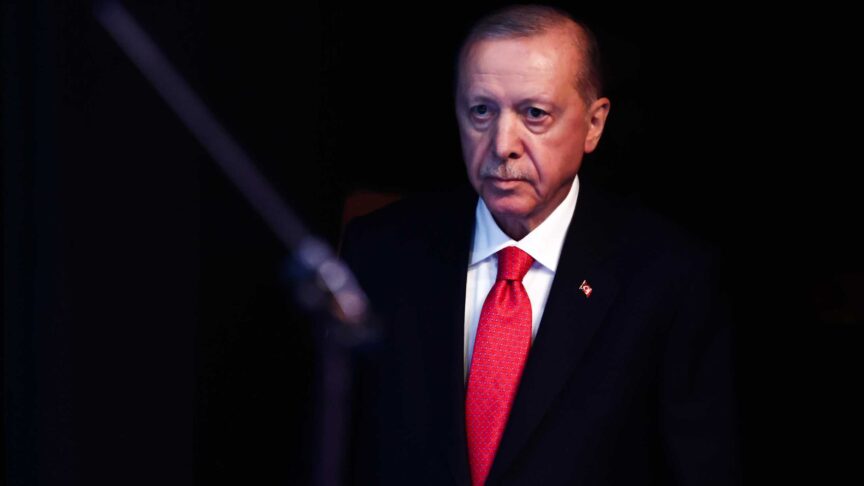
Turkey is neither drifting away from the West nor is it coming home. It has become an embedded outsider: a middle power that has learned to build strategic autonomy from inside the Western system rather than by leaving it
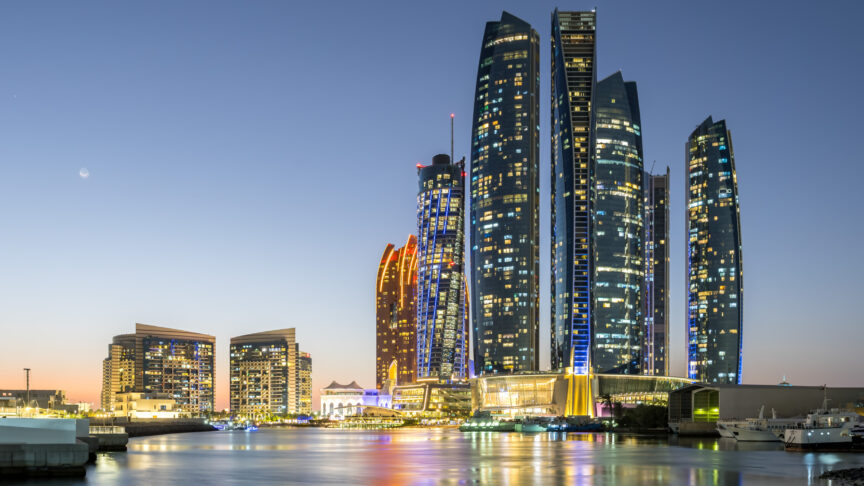
The geoeconomic power of the future will be shaped by climate policy. Countries that play the right moves in regulation, clean-tech production and climate finance today will win in the electrified world of tomorrow
The UAE built its power by turning itself into a hub that binds it to every great power at once. The war with Iran has tested this strategy and is forcing a rethink in Abu Dhabi
Turkey is neither drifting away from the West nor is it coming home. It has become an embedded outsider: a middle power that has learned to build strategic autonomy from inside the Western system rather than by leaving it
For two decades the United Arab Emirates has built its influence on connectivity: ports, air links, finance and data centres that made Abu Dhabi and Dubai difficult to bypass. The 2026 war with Iran has tested that model harder than anything before it. By the ceasefire in April, Emirati air defences had engaged more…
Turkey hosted this year’s NATO summit and fields the alliance’s second-largest army, arms Ukraine while trading with Russia, and remains an EU candidate whose accession talks collapsed years ago. Europeans keep asking whether Ankara can be anchored in the West or is drifting away. Both questions assume Turkey must eventually choose a home when…
A growing transatlantic narrative claims that climate action is a gift to China and pressure is mounting on European policymakers to delay and water down the continent’s energy transition to safeguard its competitiveness. Yet such a dilemma between fighting climate change and remaining competitive is largely fallacious: the energy transition is already reshaping the global balance of…
The international system is no longer held together by a single dominant vision of order. While the US is retreating from its dominant role, China and Russia are advancing competing models of order. In this context, middle powers are actively pursuing new strategies to secure their autonomy and expand their influence. They are challenging established hierarchies, reshaping economic and connectivity networks, and building alternative forms of cooperation that…
The geoeconomic power of the future will be shaped by climate policy. Countries that play the right moves in regulation, clean-tech production and climate finance today will win in the electrified world of tomorrow
As American leadership wanes, middle powers are stitching a patchwork order through new approaches to conflict mediation, connectivity and development. Although these formats are fragmented and opportunistic, Europe should engage with them pragmatically
France’s G7 presidency coincides with an American-led G20. Paris will not find it easy to collaborate with the Trump administration, but it can still find meaningful areas for G7-G20 cooperation
The UAE built its power by turning itself into a hub that binds it to every great power at once. The war with Iran has tested this strategy and is forcing a rethink in Abu Dhabi
Turkey is neither drifting away from the West nor is it coming home. It has become an embedded outsider: a middle power that has learned to build strategic autonomy from inside the Western system rather than by leaving it
The geoeconomic power of the future will be shaped by climate policy. Countries that play the right moves in regulation, clean-tech production and climate finance today will win in the electrified world of tomorrow
As American leadership wanes, middle powers are stitching a patchwork order through new approaches to conflict mediation, connectivity and development. Although these formats are fragmented and opportunistic, Europe should engage with them pragmatically
Tensions with Trump will prompt India to seek rapprochement with Beijing, but the underlying competitive dynamics in China-India relations are unlikely to change. Against this backdrop, Europe offers a promising alternative to balance risks
European policymakers should take the long view on demographic change, strengthening Europe’s place in the world through stronger international partnerships, the use of technology and EU enlargement
A new ECFR poll points to Europeans’ widespread (but not universal) reassessment of the transatlantic relationship, and extensive opportunities for the new US president to divide them if they do not work together
Carla Hobbs, José Ignacio Torreblanca, Paweł Zerka
Policy Brief
Brazil and Europe share many similarities: both seek autonomy amid escalating US-China tensions – while championing multilateralism and navigating democratic pressures for a values-based foreign policy. However, their potential for collaboration remains largely untapped
France’s G7 presidency coincides with an American-led G20. Paris will not find it easy to collaborate with the Trump administration, but it can still find meaningful areas for G7-G20 cooperation
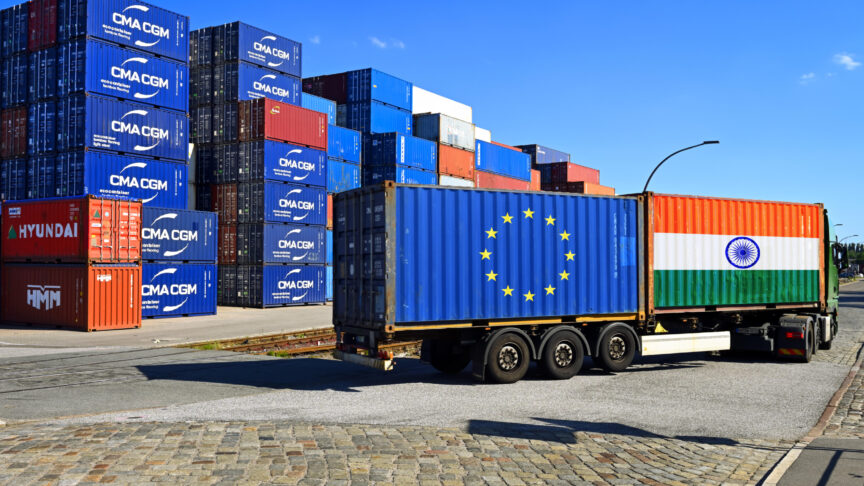
The EU and India have just concluded the biggest trade deal in their respective histories. Europeans will benefit from lower tariffs with the G20’s fastest-growing economy—and potentially game-changing geoeconomic ties
Global commitment to development assistance is far from where it was a decade ago. Off the back of the International Conference on Financing for Development, European policymakers should look towards adapting their approach to this new reality
As Europeans rearm to confront Russian aggression, they also need to figure out how to survive in the age of “unpeace” that Donald Trump and other strongmen are ushering in. The old interdependencies that liberals took for granted no longer ensure peace, prosperity or stability
Amid the global political turmoil, Taipei is aiming to keep Washington onside. But the arrival of the second Trump administration presents a parallel opportunity for Europe and Taiwan to deepen their cooperation in areas of mutual interest
Since Donald Trump’s re-election, the EU has been remarkably active on the trade scene. The bloc’s member state capitals must commit to future deals to ensure that talks are followed by implementation
Germany’s likely next chancellor shares his party’s pro-EU and Atlanticist instincts, but also the country’s wider reluctance to play an exceptional international role
The final episode of Searching for Deutschland—a special crossover with the World in 30 Minutes—sees experts from Berlin, London, Paris and Warsaw break down…
Welcome to the inaugural episode of Searching for Deutschland, a new podcast by ECFR exploring the European and foreign policy dimensions of the German…
Mark Leonard welcome Sasha Gabuev and Mikhail Komin to discuss how Russia’s involvement in international organisations is impacting its strategic regional interests
South-east Asia is a culturally and geographically diverse region, notable for its proximity and economic ties to China. Though the political structure of the…
In American foreign policy debates, prioritisers argue that the US should focus on deterring Chinese expansion, consequently shifting its resources away from Europe and…
In recent years, China has overtaken the United States as the largest trading partner of the Association for Southeast Asian Nations (ASEAN). Not only…
Brazil is a middle-power powerhouse. The largest and most populous country in Latin America, this founding member of BRICS+ wields strong cultural, economic, and…
For two decades the United Arab Emirates has built its influence on connectivity: ports, air links, finance and data centres that made Abu Dhabi and Dubai difficult to bypass. The 2026 war with Iran has tested that model harder than anything before it. By the ceasefire in April, Emirati air defences had engaged more…
Turkey hosted this year’s NATO summit and fields the alliance’s second-largest army, arms Ukraine while trading with Russia, and remains an EU candidate whose accession talks collapsed years ago. Europeans keep asking whether Ankara can be anchored in the West or is drifting away. Both questions assume Turkey must eventually choose a home when…
A growing transatlantic narrative claims that climate action is a gift to China and pressure is mounting on European policymakers to delay and water down the continent’s energy transition to safeguard its competitiveness. Yet such a dilemma between fighting climate change and remaining competitive is largely fallacious: the energy transition is already reshaping the global balance of…
The international system is no longer held together by a single dominant vision of order. While the US is retreating from its dominant role, China and Russia are advancing competing models of order. In this context, middle powers are actively pursuing new strategies to secure their autonomy and expand their influence. They are challenging established hierarchies, reshaping economic and connectivity networks, and building alternative forms of cooperation that…
Russia’s hybrid warfare targeting NATO states has intensified since its full-scale invasion of Ukraine in 2022. Attacks on digital and energy infrastructure as well as drone incursions into NATO airspace occur almost daily now and put the alliance on alert about the potential of Russian aggression in the not-too-distant future. Between US president Trump…
In 2025, Angola has gained increased visibility on the global stage through its presidency of the African Union and hosting the US-Africa Business Summit as well as the 7th AU–EU Summit in Luanda last month. Despite internal challenges, such as inequality and weak institutional capacity, the country has managed to position itself as an aspiring middle power…
Since the return of U.S. President Donald Trump to the White House in January, European policymakers have been struggling to sketch a sensible response to Trumponomics – an unpredictable, fast-changing and often baffling mix of U.S. trade, investment and finance policies that have a direct impact on Europe’s interests. In her latest ECFR policy brief,…
Donald Trump’s renewed attacks on India have prompted New Delhi to reassess its diplomatic strategy, leading to greater hedging and an emphasis on “multi-alignment.” While tensions with Washington may push India toward limited fence-mending with Beijing, the underlying competitive dynamics of China-India relations remain unchanged. At the same time, Russia’s strategic value is in…
Europe’s shrinking and ageing population is not just a domestic issue – it is a strategic challenge with global implications. As population dynamics reshape the international balance of power, Europe risks losing geoeconomic leverage and political influence. This public event marks the launch of a new ECFR policy brief “Markets,…
Open Space Chemnitz, Brückenstraße 10, 09111 Chemnitz
·ECFR Berlin
Die europäische Sicherheitspolitik befindet sich in einem fundamentalen Wandel. Die transatlantische Partnerschaft, einst Eckpfeiler europäischer Sicherheit, gerät durch eine veränderte US-amerikanische Außenpolitik zunehmend unter Druck. Gleichzeitig stellen Russland und China zunehmend eine Bedrohung für Europas Sicherheit und Wirtschaftsmodell dar. Diese Entwicklungen zwingen Europa zur dringenden Auseinandersetzung mit seiner eigenen Rolle und der Fähigkeit zur…