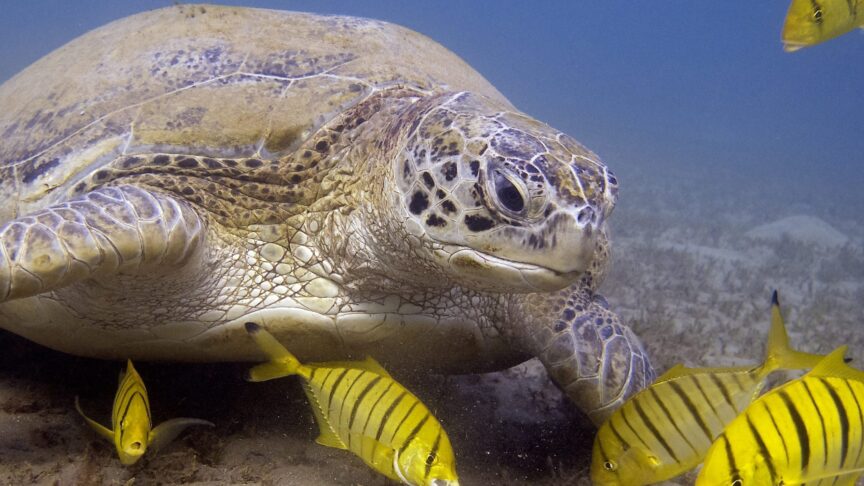
The turtle and the pilot fish: How the EU and Italy can help each other in the Mediterranean
Italy and the EU must work more closely together in the “Wider Mediterranean” on energy, migration and security. Here’s how they can do it
Head, ECFR Rome
Senior Policy Fellow
Geopolitics and International Relations; MENA Region; Libya; EU-MENA relations; Italian-Libyan relations; Italian foreign policy
Italian, English, basic French
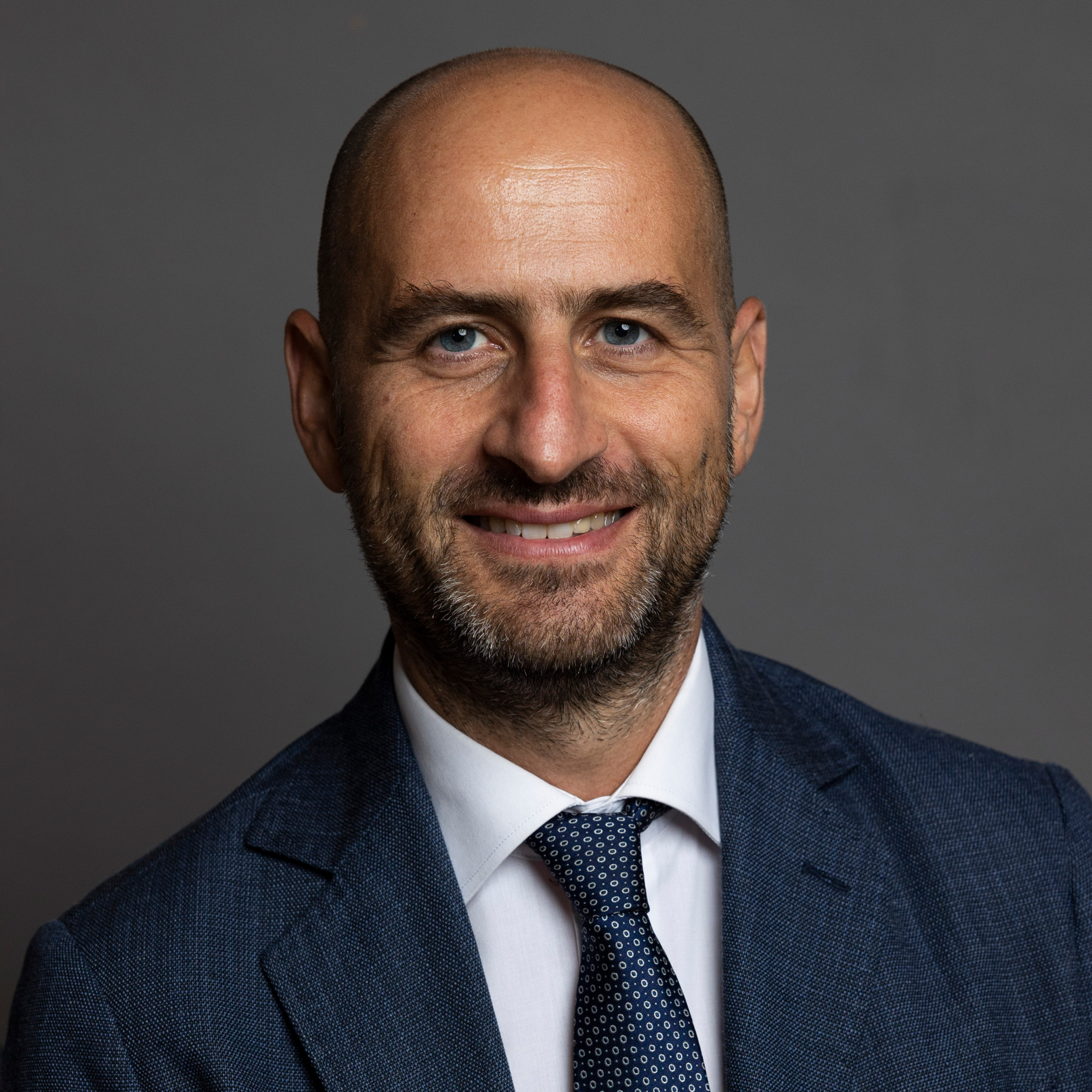
Arturo Varvelli is the Head of the Rome Office and a Senior Policy Fellow for the European Council on Foreign Relations. His research interests include geopolitics and international affairs, international relations of the MENA region, EU-MENA relations, Italian foreign policy towards the MENA, and transnational terrorism movements affecting the area. His main focus is Libya, a country he has extensively worked on, unpacking its domestic and foreign politics, and Italian-Libyan relations in particular.
Previously, Varvelli worked as the Co-Head of the MENA Center and Head of the Terrorism Programme at the Italian Institute for International Political Studies (ISPI). In ISPI, he provided scientific coordination of the “Rome MED – Mediterranean Dialogues” organized by ISPI and the Italian Ministry of Foreign Affairs. Furthermore, he was also a lecturer of History and Institutions of the Middle East at IULM University in Milan and a Visiting Fellow at the European Foundation for Democracy (EFD).
Varvelli holds a PhD in International History from the University of Milan, and a post-PhD from the CRT Foundation of Turin. He also took part in research projects funded by the Italian Chamber of Representatives and Senate, the Italian Ministry of Foreign Affairs and the European Parliament and Commission. In 2015, he was chosen by the US State Department to take part in the International Visitor Leadership Program.
He has extensively published on Libya. His first book, “Italy and the rise of Ghaddafi” (“L’Italia e l’ascesa di Gheddafi”, 2009) focused on Italian-Libyan relations, while later books, published in collaboration with The Atlantic Council and Brookings Institutions, rather delved into Libya’s and the MENA’s foreign projections. In 2018, he took part in a Brooking Institution’s working group on the Libyan crisis.
He is also a regular speaker and commentator on Libyan and MENA issues in the main Italian media. His comments have also appeared in international newspapers such as The New York Times, The Washington Post and The Economist.
Italy and the EU must work more closely together in the “Wider Mediterranean” on energy, migration and security. Here’s how they can do it
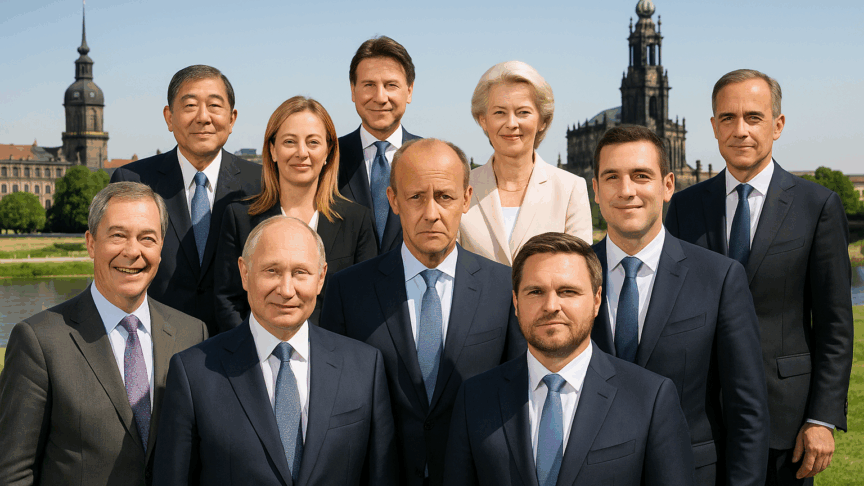
An array of populist parties are challenging Europe’s foreign policy mainstream. To secure European sovereignty, its politicians need to adapt—which means preparing for a variety of future diplomatic scenarios
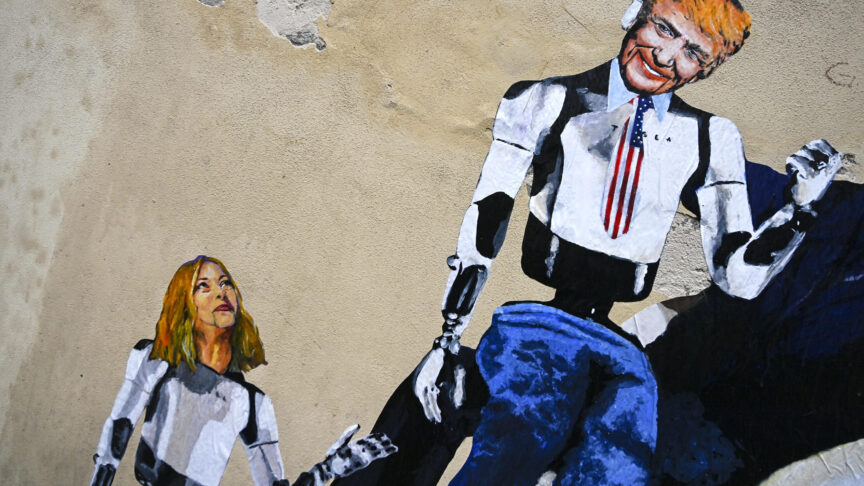
Giorgia Meloni is walking a diplomatic tightrope between Brussels and a resurgent, Trump-led Washington. Her White House visit reveals a prime minister striving to keep doors open on both sides of the Atlantic—while navigating domestic pressure, transatlantic trade friction and ideological fault lines within the EU

A new ECFR poll points to Europeans’ widespread (but not universal) reassessment of the transatlantic relationship, and extensive opportunities for the new US president to divide them if they do not work together
The re-election of President Trump sent shockwaves across Europe and around the world. From a global perspective, Europeans are seemingly alone in their pessimism about a second Trump mandate compared to people in other countries around the world. But what does the picture look like if we zoom-in on Europe? This…
Mark Leonard welcomes Camille Lons, Marta Prochwicz Jazowska, Jana Puglierin, José Ignacio Torreblanca and Arturo Varvelli to discuss how European capitals are responding to Trump’s dramatic return to the White House
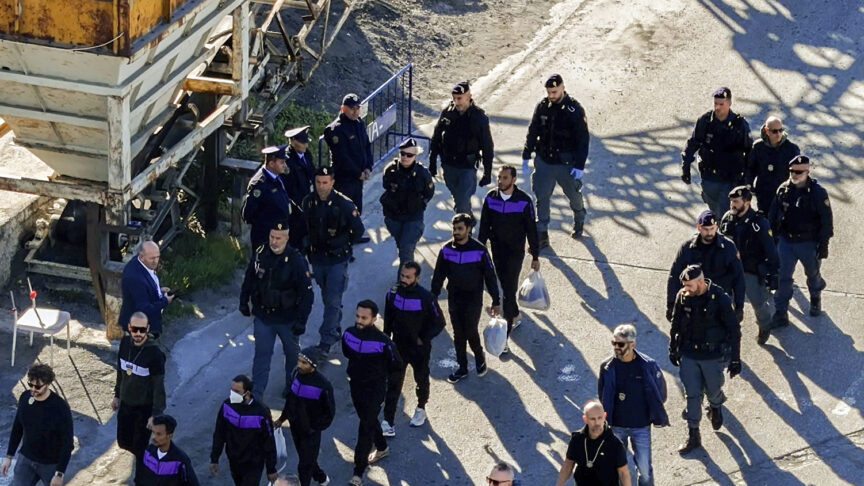
Albania’s and Italy’s unique model of migration management has not had the intended effect. European countries must disregard it as a blueprint for future policies and work towards a more cohesive, people-oriented solution
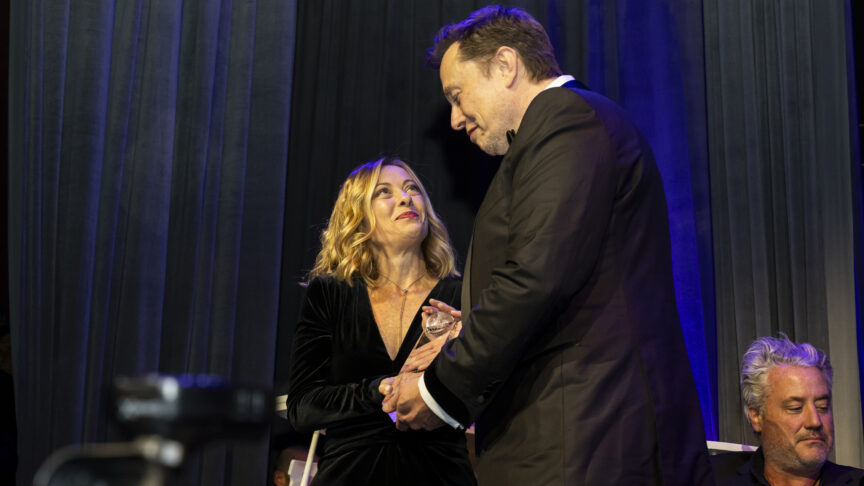
Elon Musk’s bold vision for technological progress aligns with Italian prime minister Giorgia Meloni’s nationalist agenda, offering Italy’s right-wing movement a modern cultural framework while posing challenges for European unity
Mark Leonard welcomes Célia Belin, Piotr Buras, Anna Kuchenbecker, Maria Simeonova, and Arturo Varvelli to discuss what the outcome of the US election means for Europe
Mark Leonard welcomes Lykke Friis, Sylvie Kauffmann, and Arturo Varvelli to discuss Italy’s role on the global stage, and how it fits into Europe’s future
Italy and the EU must work more closely together in the “Wider Mediterranean” on energy, migration and security. Here’s how they can do it
An array of populist parties are challenging Europe’s foreign policy mainstream. To secure European sovereignty, its politicians need to adapt—which means preparing for a variety of future diplomatic scenarios
A new ECFR poll points to Europeans’ widespread (but not universal) reassessment of the transatlantic relationship, and extensive opportunities for the new US president to divide them if they do not work together
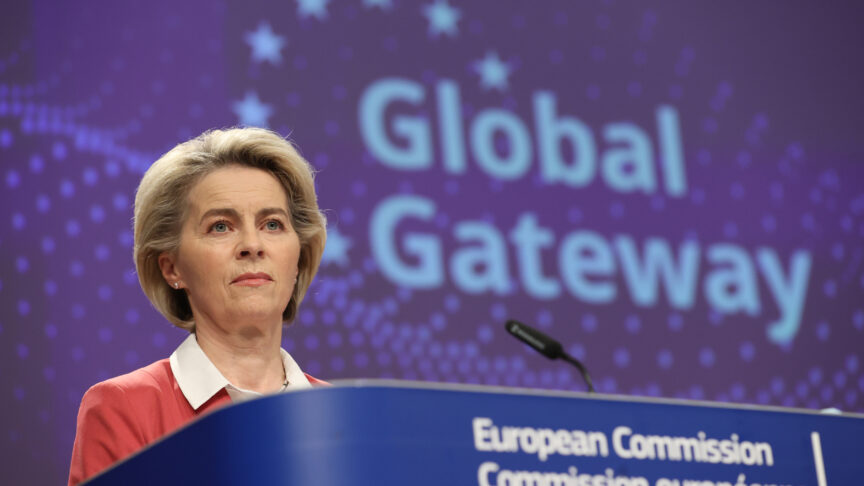
The EU should invest more Global Gateway funding in the southern neighbourhood, helping it achieve strategic nearshoring, clean energy, and regional connectivity goals
Italy has an opportunity to position itself closer to the Franco-German engine and to help construct a multilateral system in which the EU and the US are equal partners
The EU has the ambition and potential to become a sovereign digital power, but it lacks an all-encompassing strategy for the sector, in which individual governments are still the key players
Europe must improve its early warning systems, supply chain resilience, medical R&D, and cyber security and technology, to act decisively in future emergencies
Giorgia Meloni is walking a diplomatic tightrope between Brussels and a resurgent, Trump-led Washington. Her White House visit reveals a prime minister striving to keep doors open on both sides of the Atlantic—while navigating domestic pressure, transatlantic trade friction and ideological fault lines within the EU
Albania’s and Italy’s unique model of migration management has not had the intended effect. European countries must disregard it as a blueprint for future policies and work towards a more cohesive, people-oriented solution
Elon Musk’s bold vision for technological progress aligns with Italian prime minister Giorgia Meloni’s nationalist agenda, offering Italy’s right-wing movement a modern cultural framework while posing challenges for European unity
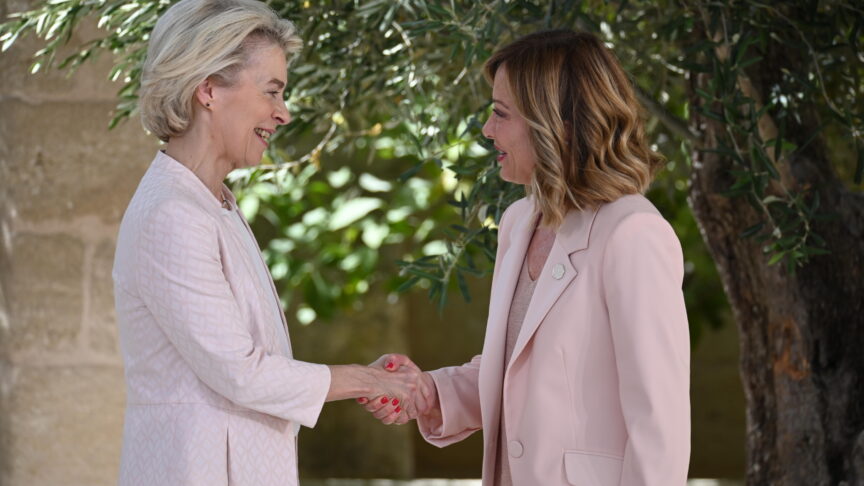
The strained relationship between Rome and Brussels risks weakening both parties’ foreign policy capabilities. To maintain a united front, the European Commission president would be better off extending an olive branch and giving Italy’s pick for commissioner the vice-president portfolio
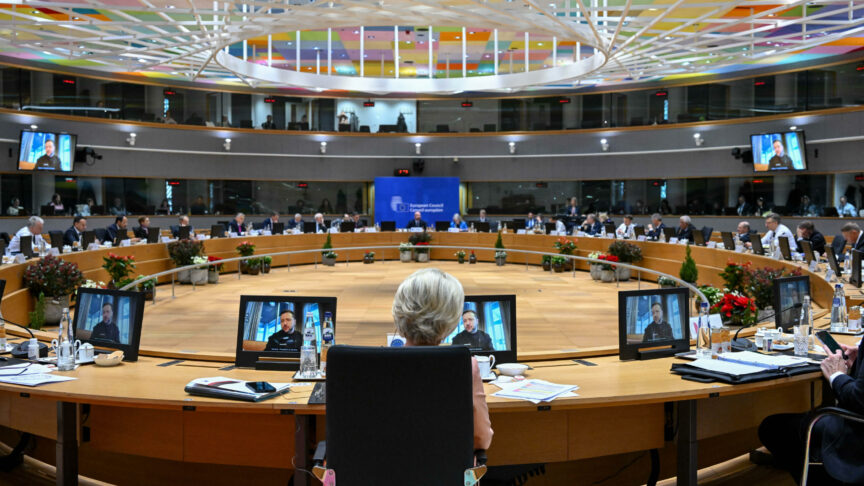
The Orban saga highlights the need for more effective decision-making within the EU – especially now that enlargement is firmly back on the agenda
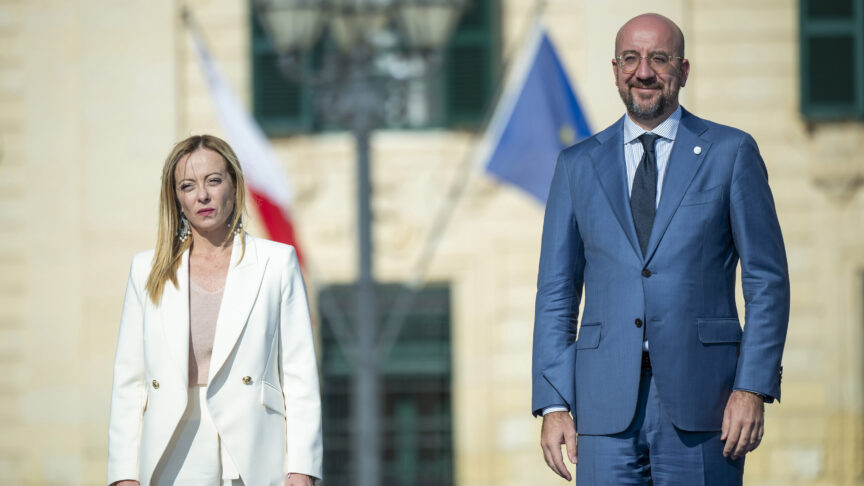
Giorgia Meloni’s foreign policy is a hit across the Atlantic – but things do not seem to be going quite as well in Europe
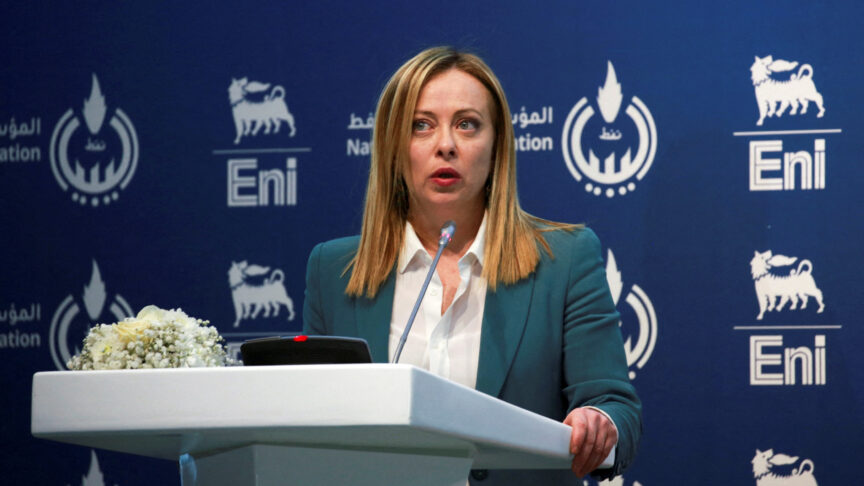
Italy has revived its ambitions to become a gas hub for Europe. But the plan is destined for the same pitfalls as past plans if it is not part of a broader European strategy
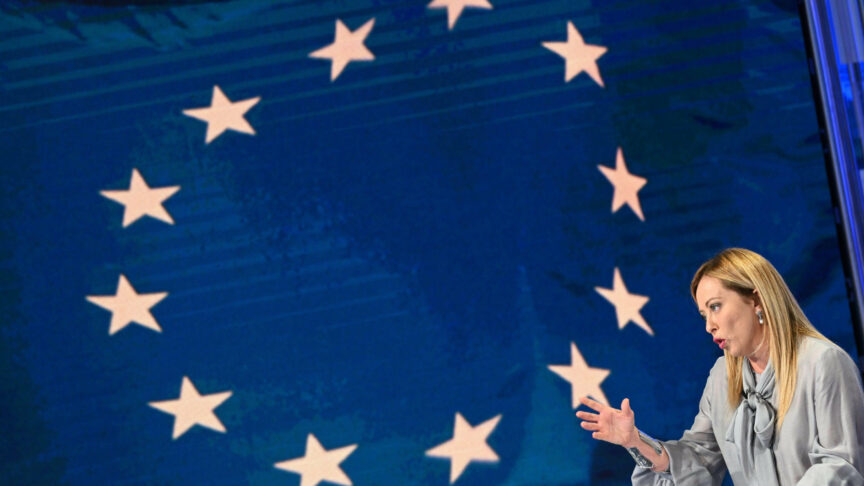
The prospect of a Brothers of Italy-led government is causing worry in capitals across Europe. But the party is having to devise a foreign policy approach within the bounds of Europeanism and transatlanticism
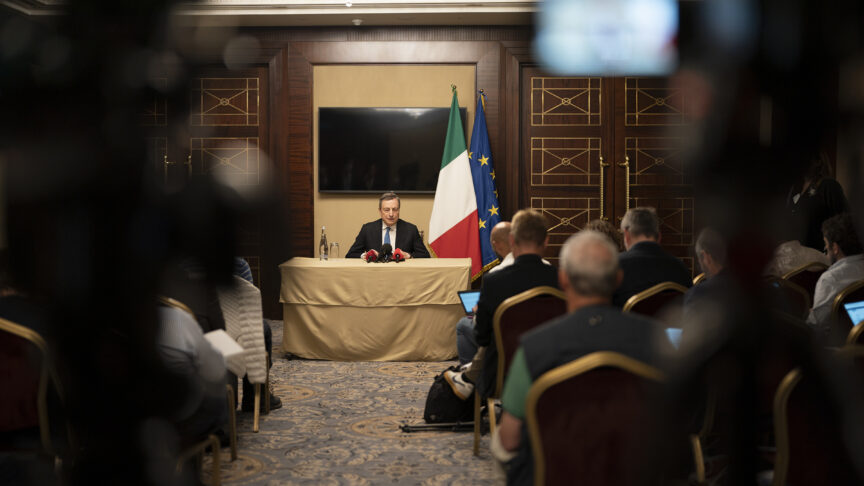
Draghi always knew that he could not depend on some members of his ruling coalition. Yet his legacy of leadership in the EU could survive his departure
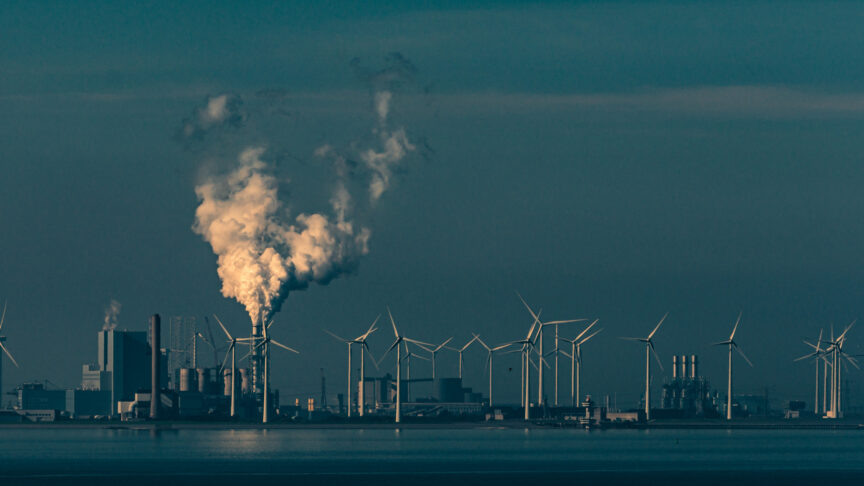
Almost all EU member states are exposed to the fallout for the energy market of Western sanctions on Russia. To protect their energy security and support the green transition, they should form a new energy union
Mark Leonard welcomes Camille Lons, Marta Prochwicz Jazowska, Jana Puglierin, José Ignacio Torreblanca and Arturo Varvelli to discuss how European capitals are responding to Trump’s dramatic return to the White House
Mark Leonard welcomes Célia Belin, Piotr Buras, Anna Kuchenbecker, Maria Simeonova, and Arturo Varvelli to discuss what the outcome of the US election means for Europe
Mark Leonard welcomes Lykke Friis, Sylvie Kauffmann, and Arturo Varvelli to discuss Italy’s role on the global stage, and how it fits into Europe’s future
In this new episode, Vessela Tcherneva welcomes head of ECFR offices to discuss national implications of the EU elections
In the first big multilateral test for prime minister Giorgia Meloni, this mini-series will explore the four main priorities of Italy’s 2024 G7 presidency: Ukraine, AI, infrastructure, and Africa
Mark Leonard welcomes Célia Belin, Piotr Buras, Jana Puglierin, Maria Simeonova, José Ignacio Torreblanca, and Arturo Varvelli to discuss the European Parliament elections and the future of European politics
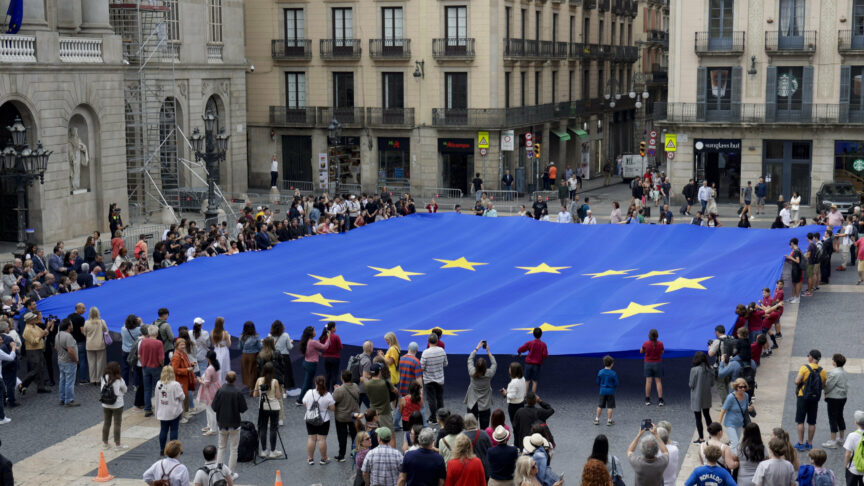
Mark Leonard welcomes the heads of ECFR’s national offices to discuss key players outside the traditional halls of European power
Mark Leonard and his guests discuss the implications of the new government in Rome and its foreign policy agenda, including Russia and China
How sustainable is European unity? And what scenarios of solidarity or division can be expected in the next few months?
What are the first challenges Draghi will face in his country and in Brussels?
The re-election of President Trump sent shockwaves across Europe and around the world. From a global perspective, Europeans are seemingly alone in their pessimism about a second Trump mandate compared to people in other countries around the world. But what does the picture look like if we zoom-in on Europe? This…
This webinar will provide a snapshot analysis of election results and their implications for Europe’s foreign policy and security agenda. Featuring perspectives from selected ECFR offices across European capitals, the discussion will explore election outcomes in key EU member states – Bulgaria, France, Germany and Italy – and examine how the political reconfigurations in Brussels,…
Nell’attuale contesto internazionale, le relazioni dell’Europa con le potenze globali stanno cambiando rapidamente, e la loro evoluzione rappresenta un elemento di analisi ineludibile nel delineare la strategia di politica estera dell’UE
The roundtable will focus on the state of the Africa-Europe relationship with its challenges and opportunities, and the role that Southern Europe could play in the process
The event will convene a high-level group of Italian decision-makers and opinion shapers across government, business, media and the expert community as well as member of ECFR Council
Jeremy Cliffe, Teresa Coratella, Camille Lons, and Arturo Varvell on the accusation on the EU for prioritising militaristic spending above investments in education and health
Arturo Varvelli on European dependence on the United States
Arturo Varvelli on Giorgia Meloni’s position on Venezuela and Greenland
Arturo Varvelli on Trump’s strategic interests
Arturo Varvelli on Trump’s possible attack on Greenland
You are currently viewing a placeholder content from Facebook. To access the actual content, click the button below. Please note that doing so will share data with third-party providers.
More InformationYou are currently viewing a placeholder content from Instagram. To access the actual content, click the button below. Please note that doing so will share data with third-party providers.
More InformationYou are currently viewing a placeholder content from OpenStreetMap. To access the actual content, click the button below. Please note that doing so will share data with third-party providers.
More Information