Anti-Establishment Parties
The New Right: Anatomy of a Global Revolution
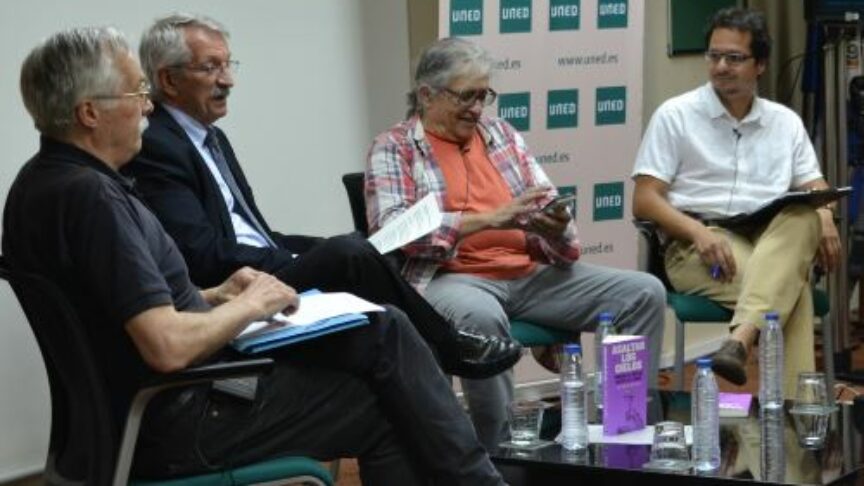
As European and German politics are being reshaped by electoral volatility, fragmented party systems, and the continued rise of populist forces, we are delighted to invite you to a public debate on “The New Right: Anatomy of a Global Revolution.” In the aftermath of the important regional elections in Baden-Württemberg and Rhineland-Palatinate,…
Rise to the Challengers: Europe’s populist parties and its foreign policy future
I cosiddetti partiti Challengers – ovvero partiti populisti che, da destra fino alla sinistra radicale, sfidano il mainstream politico – stanno guadagnando sempre più terreno in UE. La loro influenza crescente, alimentata anche dal sostegno dell’amministrazione Trump, apre la strada a scenari inediti che potrebbero ridefinire la politica estera europea del prossimo decennio
The New Politics with Gladden Pappin
Mark Leonard is joined by Gladden Pappin to explore the liberal international order and the recent shift in EU-US relations
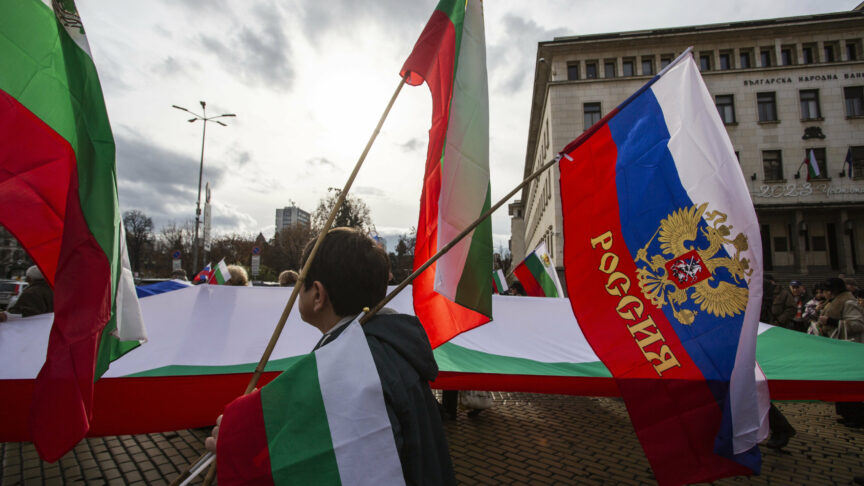
The decay within: Why the EU needs to help defend Bulgaria’s democracy
Bulgaria celebrated its entry into the euro zone this month, but inside the country, opposition figures are being arrested and its judiciary is crumbling. This democratic backsliding risks undermining the EU from within
Defence without America? What Europeans are (and aren’t) ready for
Days before a high-stakes NATO summit, the European Council on Foreign Relations (ECFR) hosts to a timely webinar on European public attitudes towards Europe’s defence, the first turbulent months of President Trump’s new term, and the capacity of Europe to respond to a changing transatlantic reality. This webinar will launch our brand-new public…
Discretion or disruption: The RN cannot remain so ambivalent about its foreign policy path
Marine Le Pen’s conviction for embezzlement has thrust France’s National Rally into the spotlight. But beyond the party’s internal upheaval, the judgment has entirely disrupted RN’s strategy of discretion on international policy positions
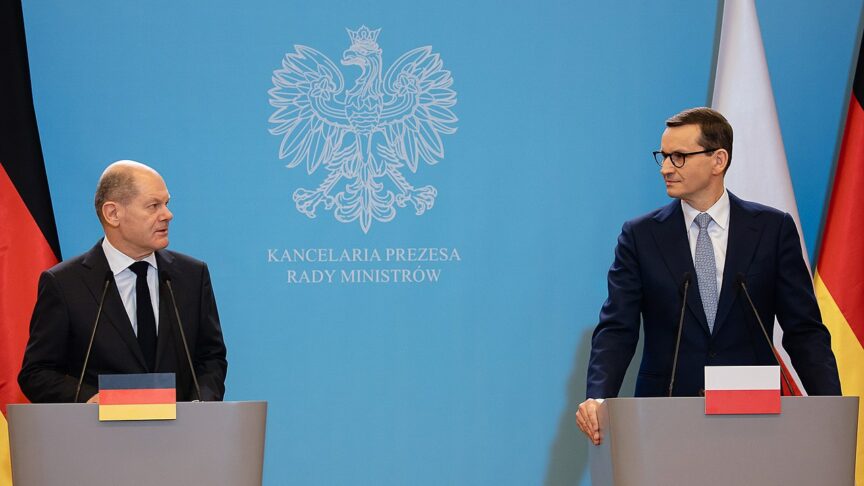
Scholz’s populism playbook: Why Germany needs to tackle fringe-party influence to preserve EU unity
Germany’s political chaos is giving populist fringe parties unprecedented influence over policymaking. As internal divisions deepen within the governing coalition, these parties are shaping the political discourse and threatening the country’s – and the EU’s – stability
Tusk’s asylum coup: Breaking away from populist narratives
Donald Tusk’s announcement of a temporary suspension of the right to asylum is primarily a PR move that will yield limited impact in Poland. But it may encourage the EU to rethink the unsustainable current asylum system
War, peace, and populism: How Germany’s extremist parties are shaping its foreign policy debate
Germany’s populist parties have enjoyed electoral success with their “anti-establishment” foreign policy. The governing centrist coalition must act fast to address their dangerous anti-Western stance before it becomes mainstream
Publications
Europe’s invisible divides: How covid-19 is polarising European politics
Europe’s covid-19 experience has been a tale of two pandemics – and the differences in each story could haunt the continent for many years to come
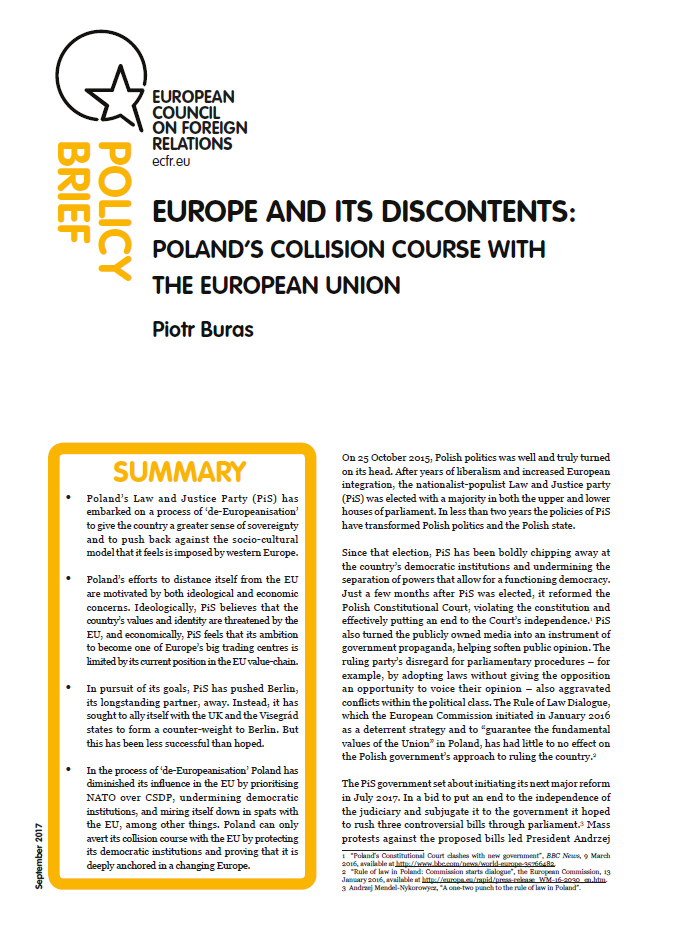
Europe and its discontents: Poland’s collision course with the European Union
If Poland continues to drift away from the EU it will not only diminish its own influence, but also undermine the EU’s internal cohesion
Articles
The decay within: Why the EU needs to help defend Bulgaria’s democracy
Bulgaria celebrated its entry into the euro zone this month, but inside the country, opposition figures are being arrested and its judiciary is crumbling. This democratic backsliding risks undermining the EU from within
Discretion or disruption: The RN cannot remain so ambivalent about its foreign policy path
Marine Le Pen’s conviction for embezzlement has thrust France’s National Rally into the spotlight. But beyond the party’s internal upheaval, the judgment has entirely disrupted RN’s strategy of discretion on international policy positions
Scholz’s populism playbook: Why Germany needs to tackle fringe-party influence to preserve EU unity
Germany’s political chaos is giving populist fringe parties unprecedented influence over policymaking. As internal divisions deepen within the governing coalition, these parties are shaping the political discourse and threatening the country’s – and the EU’s – stability
Tusk’s asylum coup: Breaking away from populist narratives
Donald Tusk’s announcement of a temporary suspension of the right to asylum is primarily a PR move that will yield limited impact in Poland. But it may encourage the EU to rethink the unsustainable current asylum system
War, peace, and populism: How Germany’s extremist parties are shaping its foreign policy debate
Germany’s populist parties have enjoyed electoral success with their “anti-establishment” foreign policy. The governing centrist coalition must act fast to address their dangerous anti-Western stance before it becomes mainstream

Common cause: How Germany’s pro-European parties can stop the rise of the far-right
In their campaigns for the European parliament election, Germany’s pro-European parties must unite to effectively mobilise voters against the threat of the far-right party, Alternative for Germany
Hanging in the balance: How to save Bulgaria’s foreign policy from political turmoil
Facing its sixth election in three years, Bulgaria’s political instability risks marginalising Sofia’s role within the EU. To avoid this, the campaigns of pro-European politicians in the country must not lose sight of Bulgaria’s international position
Hungary in waiting: The Slovak challenge for the EU and Ukraine
The new Slovak government seems a natural pro-Kremlin ally for Hungary. But there is still time for the EU, member states, and Ukraine to get Fico onside
East side story: Poland’s new role in the European Union
Poland will need to expand the boundaries of its influence in order to transform its wartime political capital into real leadership in the EU
Easy prey? Russia’s influence in Bulgaria
Newly released investigations have shed light on how corruption and the weak rule of law in Bulgaria enable Russian influence to thrive
Specials
The 2019 European election: How anti-Europeans plan to wreck Europe and what can be done to stop it
Summary With anti-Europeans on their way to winning more than one-third of seats in the next European Parliament, the stakes in the May 2019 election…
Podcasts
The New Politics with Gladden Pappin
Mark Leonard is joined by Gladden Pappin to explore the liberal international order and the recent shift in EU-US relations
A battle on two fronts: Poland, Germany, and the rule of law
How has the war in Ukraine affected Polish politics and Poland’s relationship to its neighbours and the EU?
Backsliding democracy: Zsuzsanna Szelenyi on Hungary
What would the freezing of EU-funds mean for Hungary-EU relations and Hungary’s role in the union?
15 years of ECFR: Reflections on Europe in a tumultuous world
We turned 15! Time to reflect on the past years and ECFR’s role in helping Europe find a strong, united voice
Giorgia on my mind: The Italian election and European foreign policy
Mark Leonard and his guests discuss the implications of the new government in Rome and its foreign policy agenda, including Russia and China
The age of the strongman
What defines a strongman, and what varieties of this curious species exist? Are there any strongwomen? And when did the age of strongmen really begin?
What a Le Pen presidency would mean for Europe and the world
How would a Le Pen presidency affect Europe and the world?
Out of Order: the Polish Constitutional Court’s challenge to the European Union
What steps can the EU take to defend its legal order and protect the authority of the CJEU?
An interview with Anne Applebaum and José Ignacio Torreblanca
Head of ECFR’s Madrid Office, Jose Ignacio Torreblanca talks to the American historian, a Pulitzer Prize winner for Gulag, and expert on authoritarian populism…
Events
The New Right: Anatomy of a Global Revolution
As European and German politics are being reshaped by electoral volatility, fragmented party systems, and the continued rise of populist forces, we are delighted to invite you to a public debate on “The New Right: Anatomy of a Global Revolution.” In the aftermath of the important regional elections in Baden-Württemberg and Rhineland-Palatinate,…
Rise to the Challengers: Europe’s populist parties and its foreign policy future
I cosiddetti partiti Challengers – ovvero partiti populisti che, da destra fino alla sinistra radicale, sfidano il mainstream politico – stanno guadagnando sempre più terreno in UE. La loro influenza crescente, alimentata anche dal sostegno dell’amministrazione Trump, apre la strada a scenari inediti che potrebbero ridefinire la politica estera europea del prossimo decennio
Defence without America? What Europeans are (and aren’t) ready for
Days before a high-stakes NATO summit, the European Council on Foreign Relations (ECFR) hosts to a timely webinar on European public attitudes towards Europe’s defence, the first turbulent months of President Trump’s new term, and the capacity of Europe to respond to a changing transatlantic reality. This webinar will launch our brand-new public…
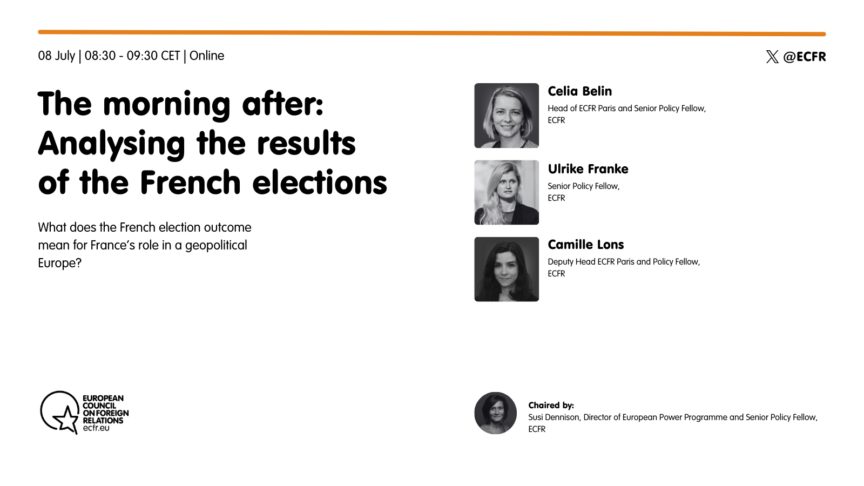
The Morning After: Analysing the Results of the French Election
As France discovers the new making of its national assembly, this webinar will analyse the election results and reflect on their impact on a geopolitical Europe. At a time when the continent must project unity and strength in the face of Russian aggression, what will the election mean for France’s foreign policy and Europe…
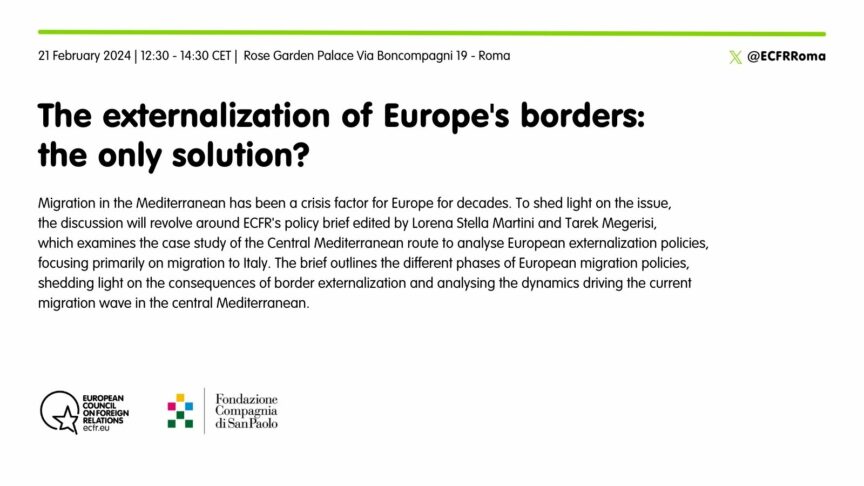
The externalization of Europe’s borders: the only solution?
Migration in the Mediterranean has been a crisis factor for Europe for decades. To shed light on the issue, the discussion will revolve around ECFR’s policy brief edited by Lorena Stella Martini and Tarek Megerisi, which examines the case study of the Central Mediterranean route to analyse European externalization policies, focusing primarily on migration to Italy
Polarisation & Populism: What are the values of the new political tribes?
After the Brexit referendum and the US Presidential election, what do we know about changing attitudes towards values, institutions, immigration, and the environment? What are the new tribes of modern politics – and how can politicians reach them?
Trump presidente, ¿qué relación transatlántica?
ECFR celebró el jueves 17 de noviembre un debate sobre el futuro de las relaciones transatlánticas tras la victoria de Trump con Jeremy Shapiro, director de investigación de ECFR
Nativism in Europe: Survey Results from across Europe
Listen on Mixcloud On 11 July, the Washington-based Pew Research Center released the results of a public opinion survey assessing degrees of nativism in 10 EU countries, including the UK. The survey’s results, published here, assess public views of Muslims and refugees and look at how…
Black Coffee Morning: “Parteiendämmerung – Politischer Wandel in Spanien”
What does the lack of clear majorities mean for Spanish politics and the EU? How can developments in other EU member states help to explain potential repercussions of the current crisis on the Spanish party system? Black Coffee Morning with José Ignacio Torreblanca and Olaf Wientzek