
27 Apr
Конкурентоспособност на българската икономика в контекста на Европейската зелена сделка
This event will be in Bulgarian but simultaneous translation into English will be provided


Deputy Director
EU foreign policy; Western Balkans and Black Sea regions; transatlantic relations; regional studies; energy
Bulgarian, English, German, Russian
Vessela Tcherneva is deputy director of the European Council on Foreign Relations. Her topics of focus include EU foreign policy and the Western Balkans and Black Sea region.
Between January and July 2022, she held the position of Foreign Policy Advisor to the Bulgarian Prime Minister Kiril Petkov. From 2010 to 2013, she was the spokesperson for the Bulgarian Ministry of Foreign Affairs and a member of Foreign Minister Nickolay Mladenov’s political cabinet. Previously, she was secretary of the International Commission on the Balkans, chaired by former Italian Prime Minister Giuliano Amato and former German President Richard von Weizsäcker; supervising editor of the Foreign Policy Bulgaria magazine; and political officer at the Bulgarian Embassy in Washington, DC. Tcherneva holds an MA in Political Science from the Rhienische Friedrich-Wilhelm Universität in Bonn.
This event will be in Bulgarian but simultaneous translation into English will be provided
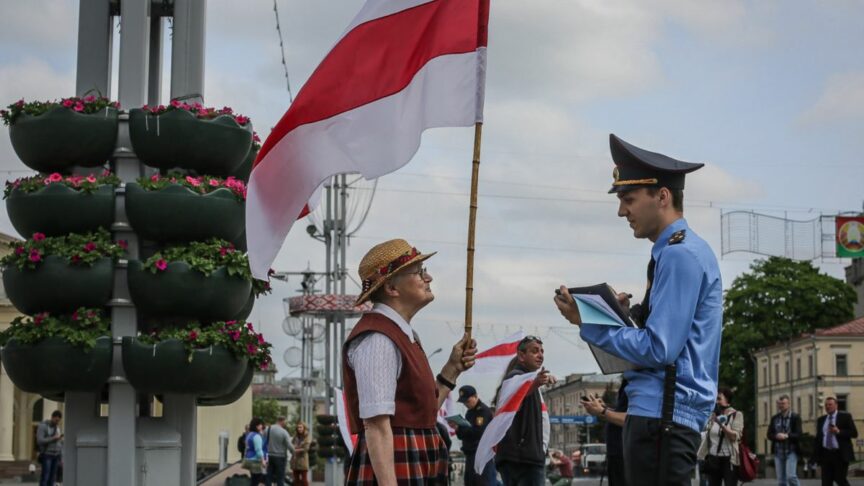
What kind of implications do the developments in Belarus have for the wider neighbourhood and Europe?
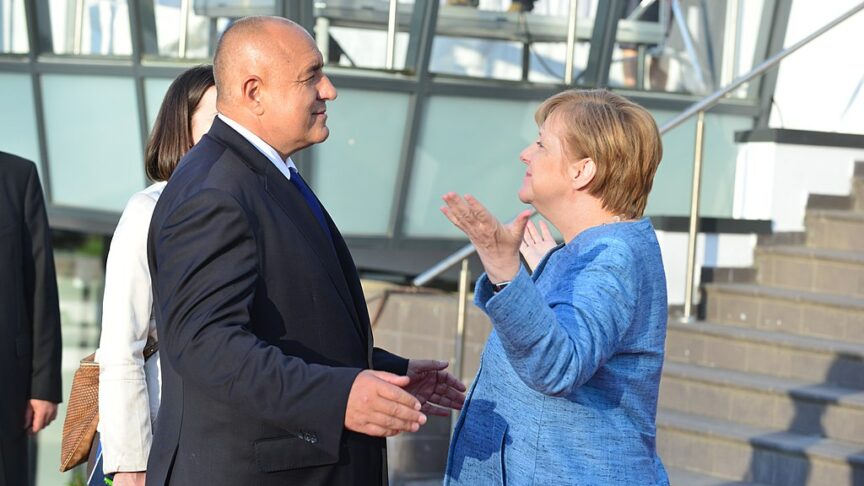
In an environment in which European and American interests are not always the same, it is short-sighted and dangerous for Bulgarian leaders to question their country’s geopolitical alignment
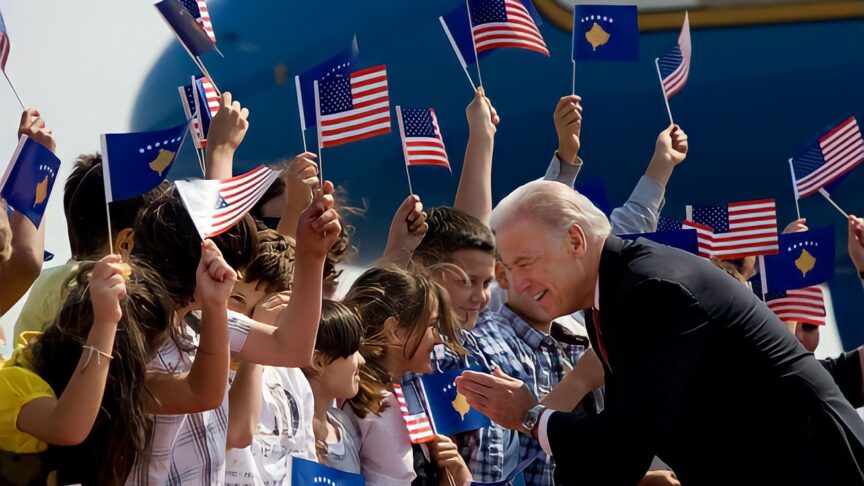
Joe Biden has a longstanding relationship with the Western Balkans. A re-energised US policy on the region could be transformative, especially when working in tandem with the EU
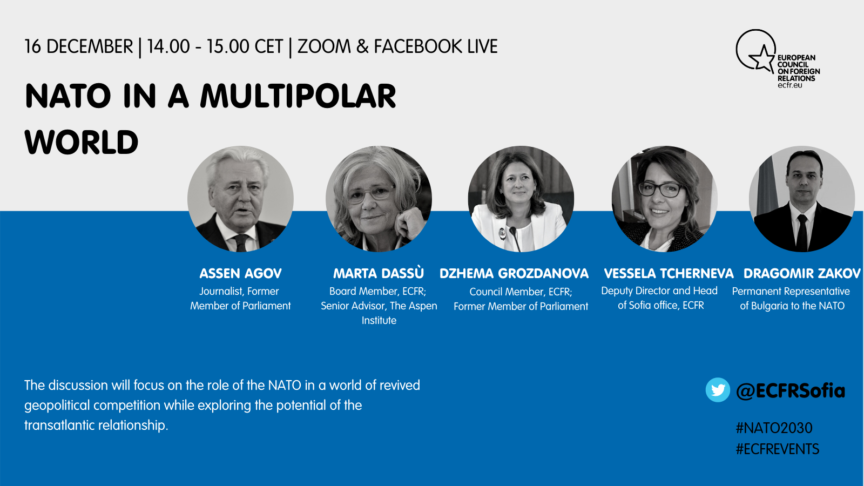
The European Council on Foreign Relations is delighted to invite you to a discussion on the role of the NATO in a world of revived geopolitical competition with a focus on the potential of the transatlantic alliance
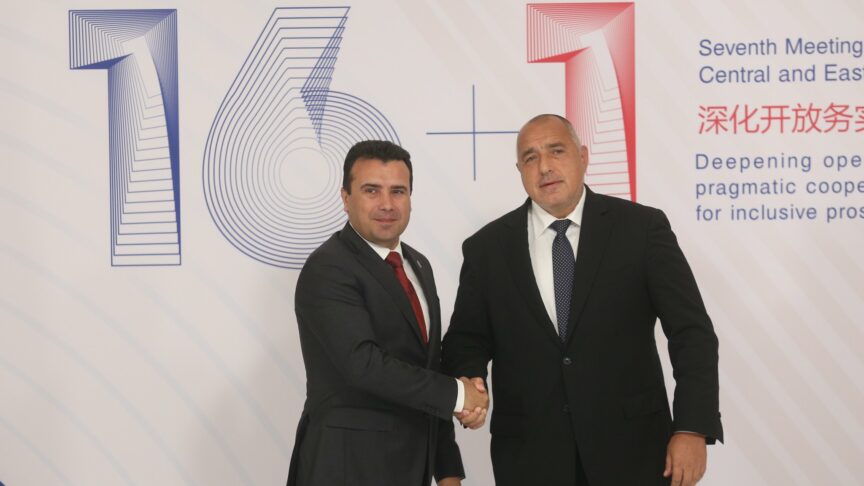
North Macedonia was on a seemingly good track towards EU accession, until Bulgaria’s objection in November. But it is not too late to break the deadlock

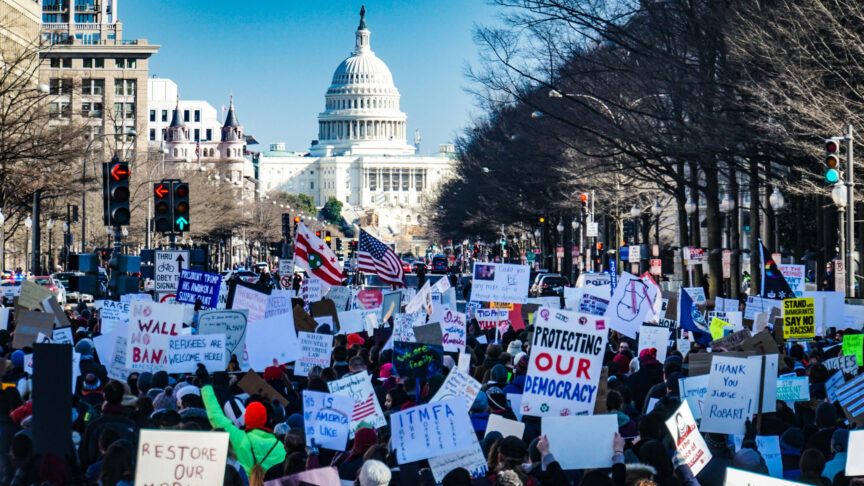
How will and can Europeans react in the event of a post-election chaos in the US? The election day is fast approaching yet the outcome still…
After last week’s discussion with Matt Duss and Jeremy Shapiro, Mark Leonard follows up by gathering the European views on a possible Biden win and…
Europe must improve its early warning systems, supply chain resilience, medical R&D, and cyber security and technology, to act decisively in future emergencies
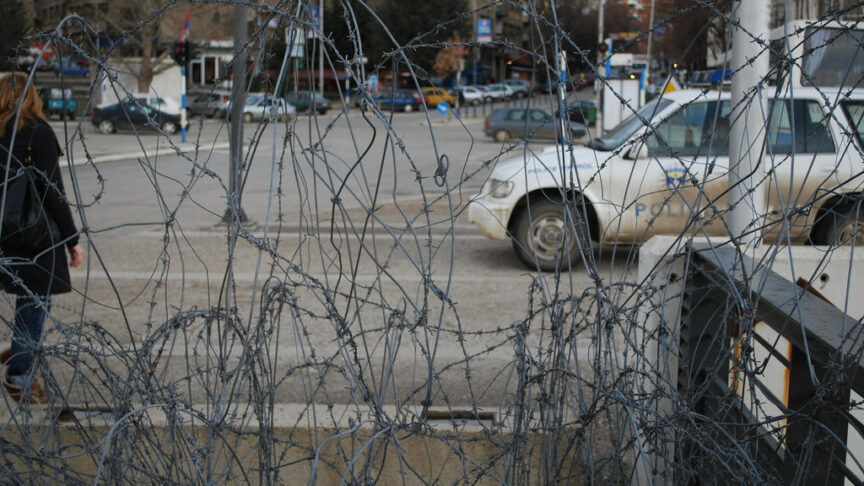
The solution to the dispute between Kosovo and Serbia should be to create a societal consensus on both sides of the border
Europe must improve its early warning systems, supply chain resilience, medical R&D, and cyber security and technology, to act decisively in future emergencies
A new survey shows that, after the onset of the covid-19 crisis, there has been a rise in public support for unified EU action to tackle global threats
Europe shouldn’t be afraid of Russian and Chinese efforts to integrate the Eurasian landmass, but should absorb them into its international order
EU’s weakness is prompting a new scramble for power for the Balkans with Russia, Turkey and other actors
The sixth ECFR Foreign Policy Scorecard highlights the EU’s diminishing ability to influence its neighbours, and the neighbourhood’s growing impact on the EU
The EU is ill-equipped to respond to foreign policy crises
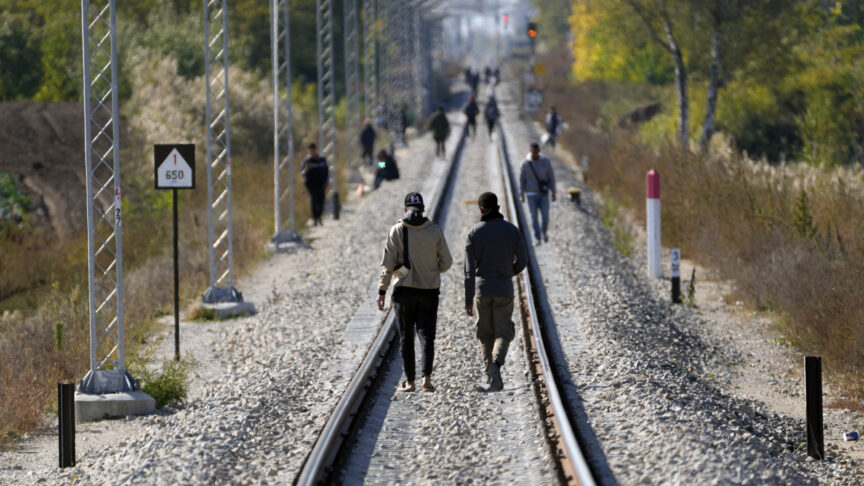
To tackle the political and economic challenges posed by shrinking populations, Balkan governments need to approach immigration as an opportunity, rethinking their policies and political messaging
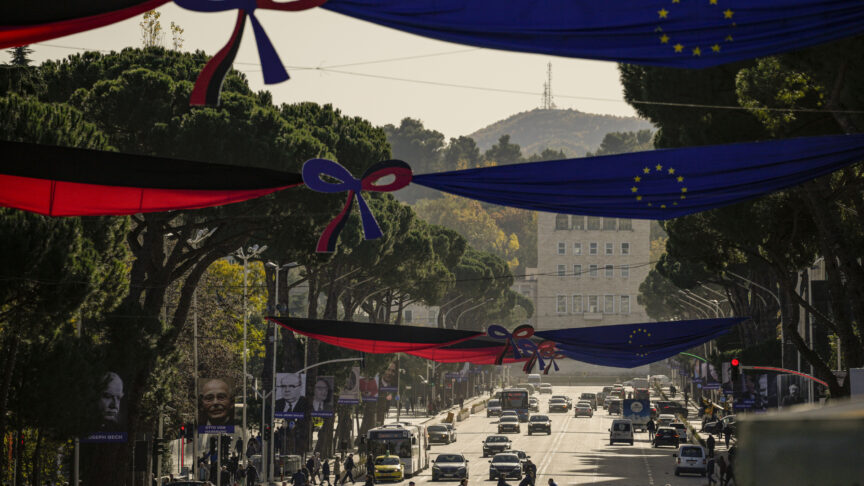
With Russia’s war on Ukraine raging on its eastern border, EU enlargement in the Western Balkans has a new geopolitical urgency. The EU must commit to supporting their accession – and a fixed date like 2030 alongside a staged approach will add credibility to this commitment
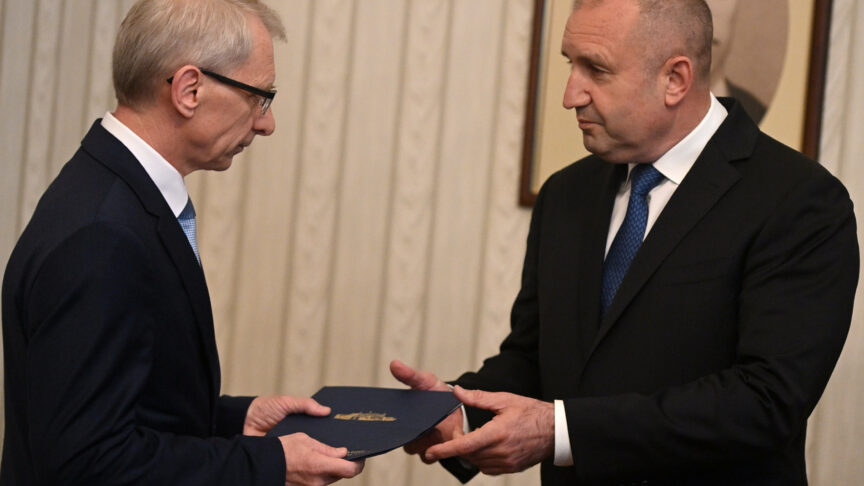
After a year of interim governments, Bulgaria’s new administration has halted Bulgaria’s march to illiberalism and provided some hope for the region
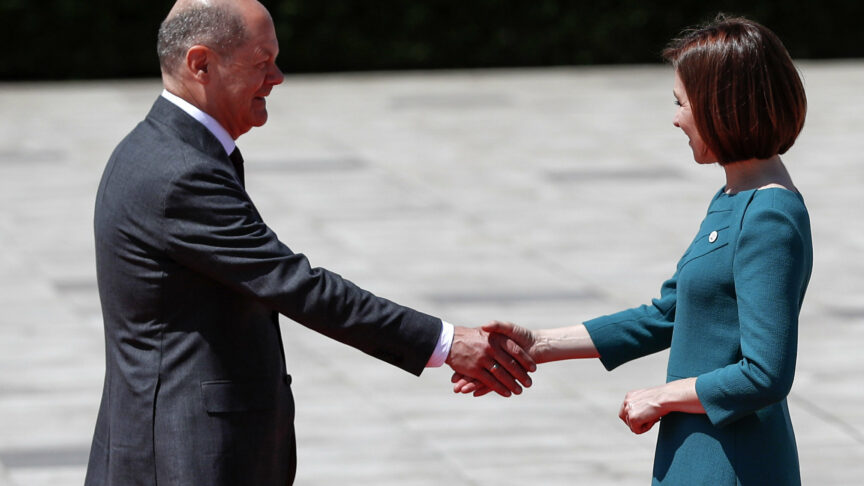
As Europe’s leaders meet in Moldova, the potential of the European Political Community to contribute to security and foster connection across the continent is becoming ever clearer
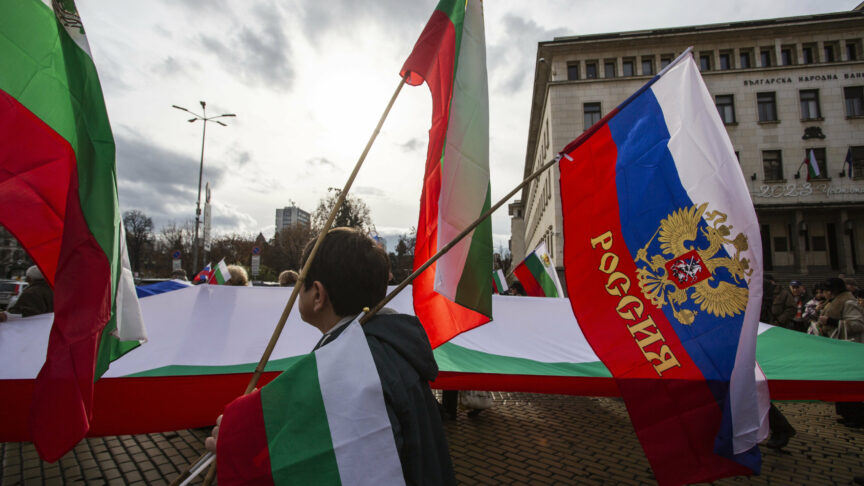
Newly released investigations have shed light on how corruption and the weak rule of law in Bulgaria enable Russian influence to thrive
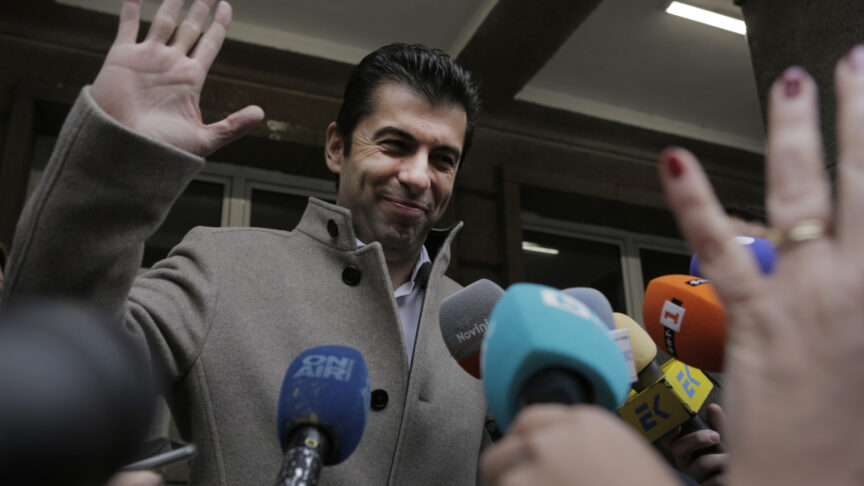
It has taken three general elections for change to come in Bulgaria – but this week’s parliamentary vote gives cause to hope for genuine action on corruption
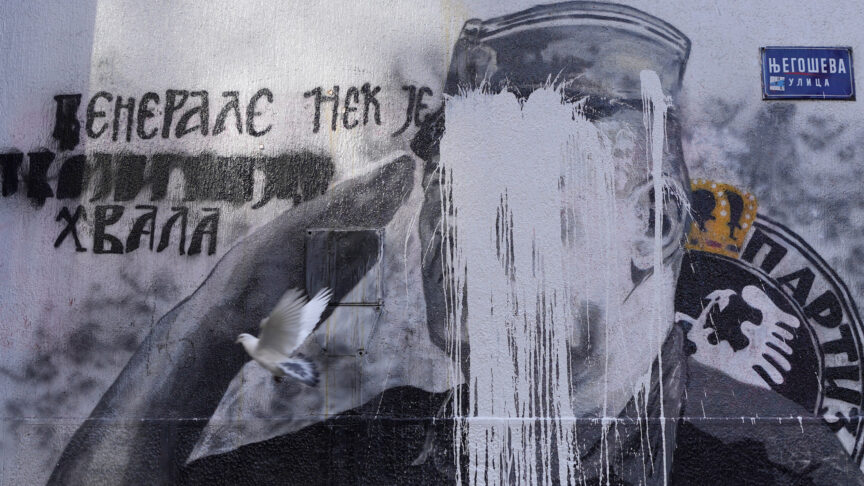
The EU currently lacks tools to make a real difference to stability in the Western Balkans. But it can create these tools if it musters the political will
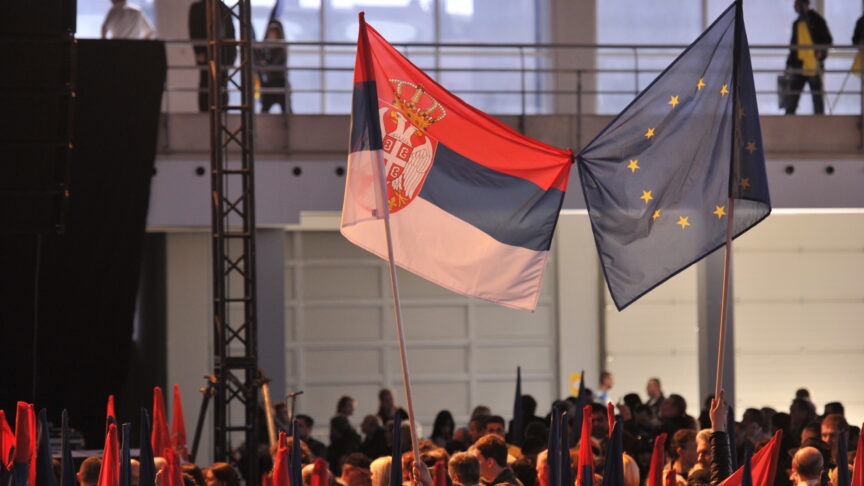
Public attitudes in Ukraine and Serbia raise pressing questions about EU enlargement. If member states are to sustain this process, they will need to base it on a shared sense of belonging
In an environment in which European and American interests are not always the same, it is short-sighted and dangerous for Bulgarian leaders to question their country’s geopolitical alignment
Joe Biden has a longstanding relationship with the Western Balkans. A re-energised US policy on the region could be transformative, especially when working in tandem with the EU

Vessela Tcherneva welcomes Camille Grand, Camille Lons, Marta Prochwicz Jazowska, and Jana Puglierin to discuss the 75th NATO summit, and how Europe can defend itself with less America
In this new episode, Vessela Tcherneva welcomes head of ECFR offices to discuss national implications of the EU elections
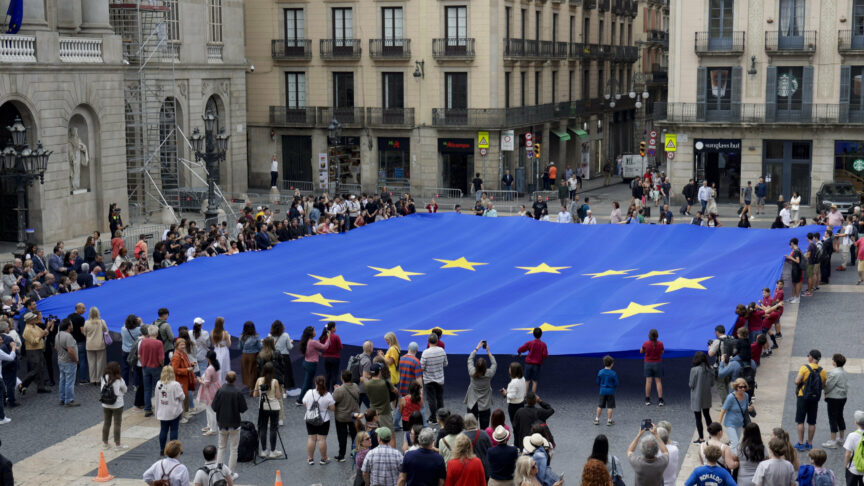
Mark Leonard welcomes the heads of ECFR’s national offices to discuss key players outside the traditional halls of European power

What will be the impact of the EU and US measures against Belarus? And what should be next steps also ahead of the EU-US summit on 15 June?
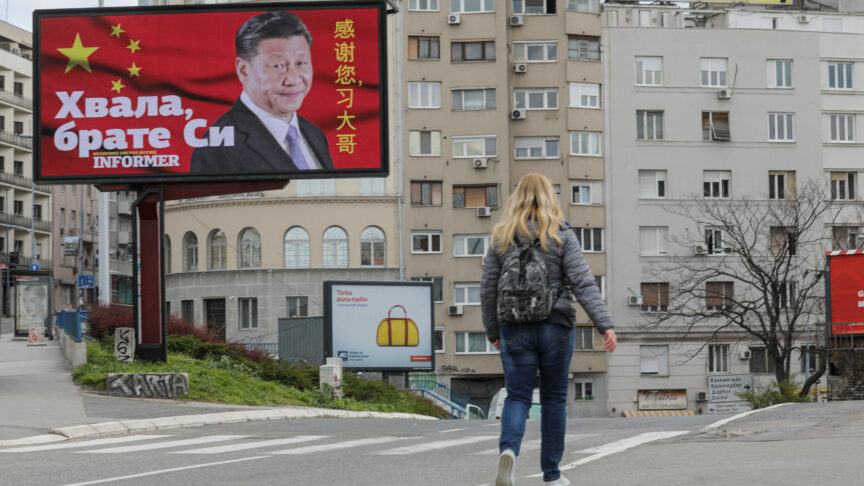
How much influence does China already have in the Western Balkans and how should European policymakers react?
What kind of implications do the developments in Belarus have for the wider neighbourhood and Europe?
How will and can Europeans react in the event of a post-election chaos in the US? The election day is fast approaching yet the outcome still…
After last week’s discussion with Matt Duss and Jeremy Shapiro, Mark Leonard follows up by gathering the European views on a possible Biden win and…
Host Mark Leonard has an intimate discussion with our heads of offices from Sofia and Warsaw, Vessela Tcherneva and Piotr Buras about their experiences, hopes…
North Macedonia and Albania wanted to start negotiations with the EU after having been candidate countries since 2005 and 2014. But the enlargement plans seemed…
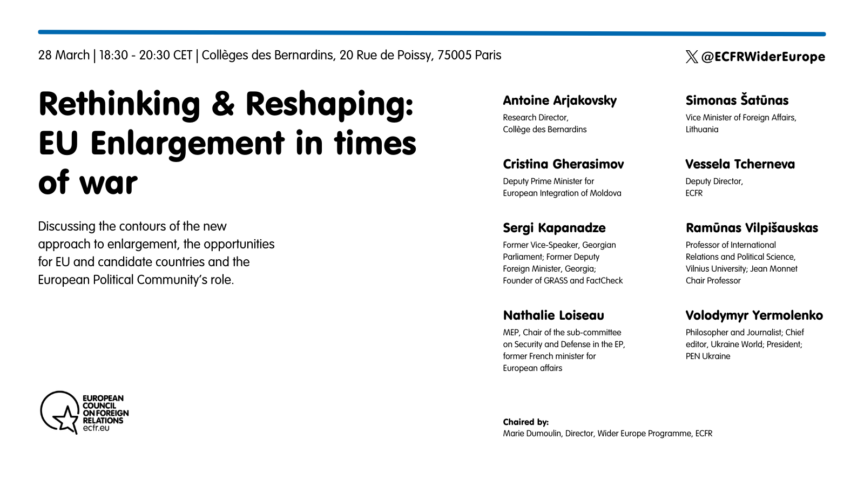
Russia’s war against Ukraine has prompted European policymakers to rethink their approach to enlargement. What form does this new approach take, what are the opportunities for EU and candidate countries, and what is the European Political Community’s role?
Nell’attuale contesto internazionale, le relazioni dell’Europa con le potenze globali stanno cambiando rapidamente, e la loro evoluzione rappresenta un elemento di analisi ineludibile nel delineare la strategia di politica estera dell’UE
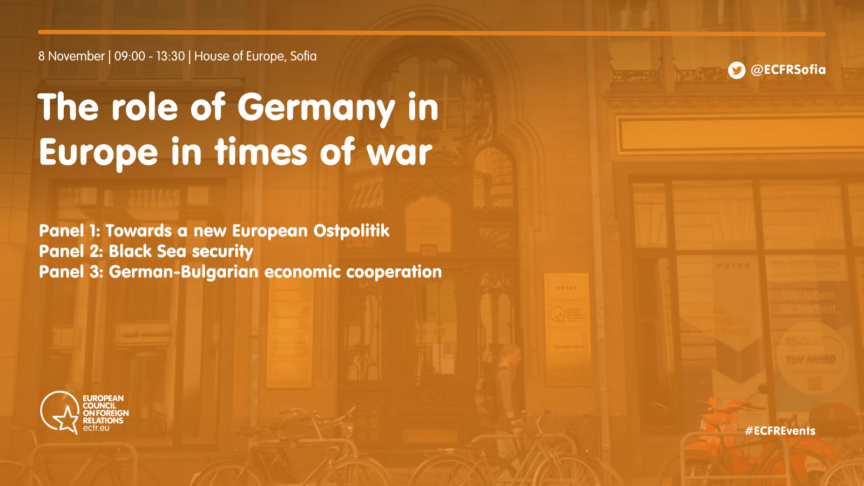
We will discuss Germany’s role in Europe and will reflect on how the new European order is viewed in Berlin
After more than eleven years of the EU facilitated dialogue between Belgrade and Pristina, this process could be described as “one step forward, two steps back”. The seriousness of challenges that constantly emerge in relations between Kosovo and Serbia shows that despite the goodwill and dedication of the Western stakeholders, domestic democratic capacities, nationalistic politics, geopolitics, and third players hinder the possibility of reaching a comprehensive solution
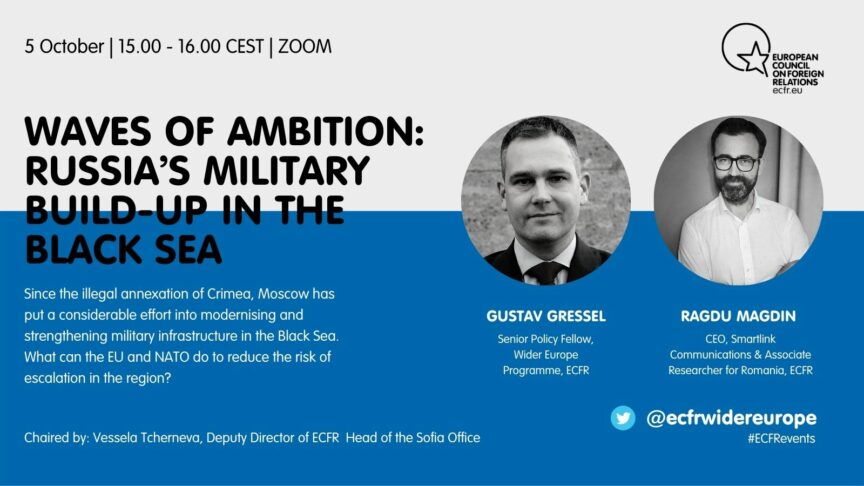
What can the EU and NATO do to reduce the risk of escalation in the region?
This event will be in Bulgarian but simultaneous translation into English will be provided
The European Council on Foreign Relations is delighted to invite you to a discussion on the role of the NATO in a world of revived geopolitical competition with a focus on the potential of the transatlantic alliance
It should be noted that the changes in the CACIAF, this Ordinance, which the National Assembly continues to be unwilling to adopt, makes it virtually impossible to investigate high-level corruption
Vessela Tcherneva commented on the new report of the European Commission. The institution approves of the introduced changes but is disappointed by the shortcomings in the fight against corruption
There are currently very important talks in Europe for the next 5 years, in which, unfortunately, Bulgaria is not participating
Vessela Tcherneva on the European Commissioner posts and the future of EU-US relations under a new Trump administration
The future is policy changes, but a very clear sanitary cordon in between them
Vessela Tcherneva comments for Bloomberg TV Bulgaria on what will happen to the politics not only of Europe, but also of the US. In the interview you can also hear how the processes on the other side of the ocean will affect here and how the growing political divide in Europe will develop
Ursula von der Leyen is forced to gather vote by vote support and will rely on the votes of Italian MEPs
Vessela Tcherneva commented on the processes in the European Parliament. Ursula von der Leyen’s re-election will not be as simple as initially expected
Meloni will continue to surprise us because he has become a measure of how a party on the far right can be pulled towards the centre
Ahead are crucial for Europe parliamentary elections in France, the determination of the EU leaders, elections in the UK and Europe’s readiness, if Trump is elected, to quickly stand alone in its defence, which it frivolously underestimated