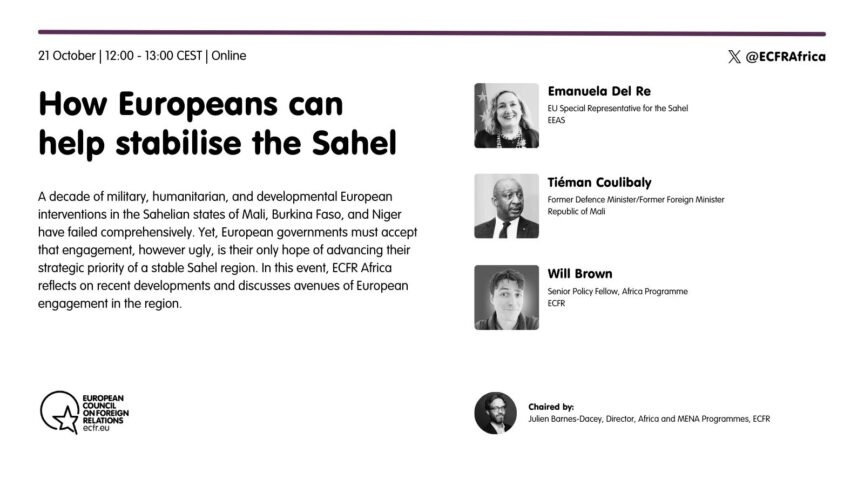
21 Oct
How Europeans can help stabilise the Sahel
A decade of military, humanitarian, and developmental European interventions in the Sahelian states of Mali, Burkina Faso, and Niger have failed comprehensively. Yet, European governments…
A decade of military, humanitarian, and developmental European interventions in the Sahelian states of Mali, Burkina Faso, and Niger have failed comprehensively. Yet, European governments…
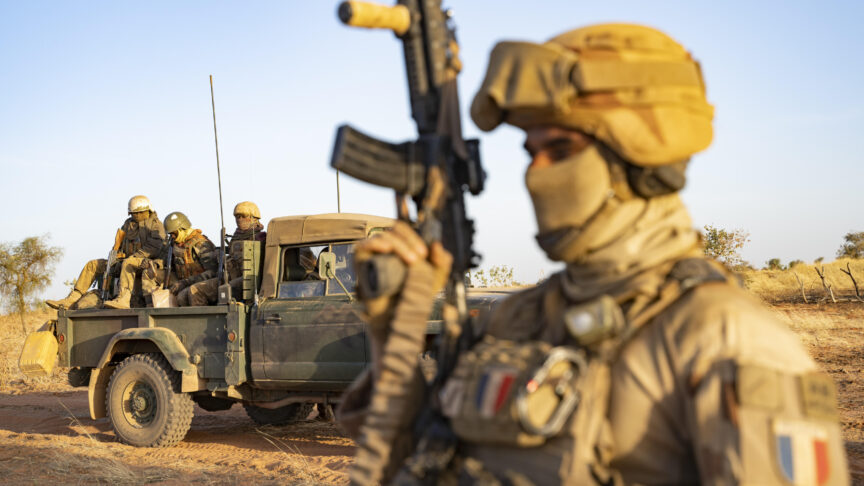
Rather than disengaging from the coup belt, European governments should stay present and work to curb the worst of the chaos engulfing the region — and prevent rival powers from gaining the upper hand
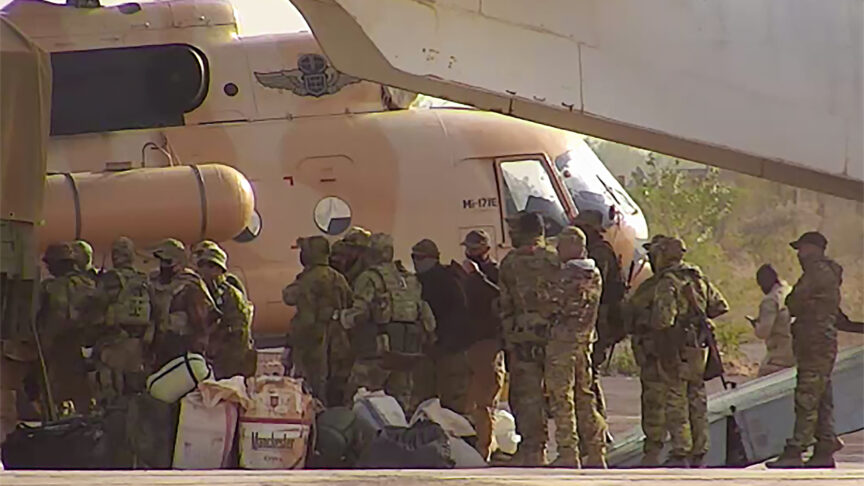
While Russia remains a potent player in parts of Africa, recent events in the Sahelian states have shown that Russian forces are deeply overstretched and losing credibility. It is obvious to all involved that Moscow has no solutions – which leaves a diplomatic opening for the West
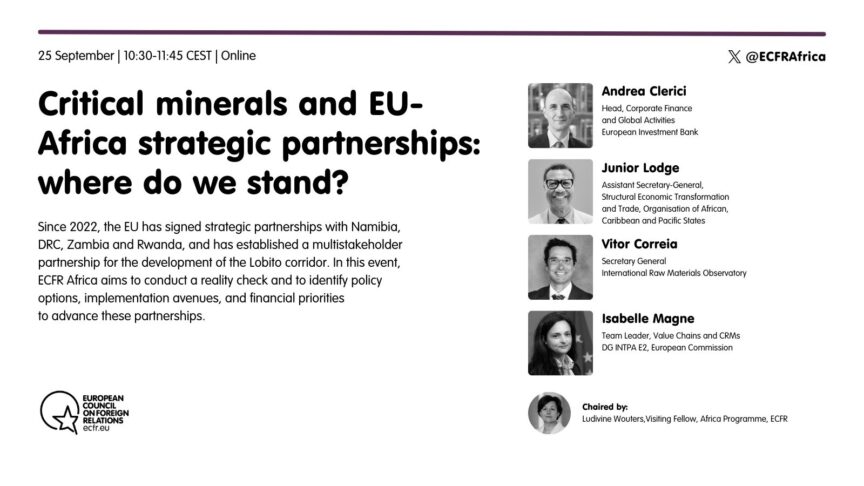
Amid global geopolitical tensions, the EU has been ramping up efforts to diversify its mineral value chains by forging strategic partnerships with resource-rich African nations
Policy and research circles are increasingly interested in Gulf monarchies’ expanding footprint in Africa, though the challenges and opportunities of the deepening Gulf-Africa relations for…
Konflikte in Gaza, im Sudan und in der Ukraine, irreguläre Migration, Klimakrise und Extremismus: Die Welt wird von immer mehr gleichzeitig aufretenden Krisen erschüttert, die…
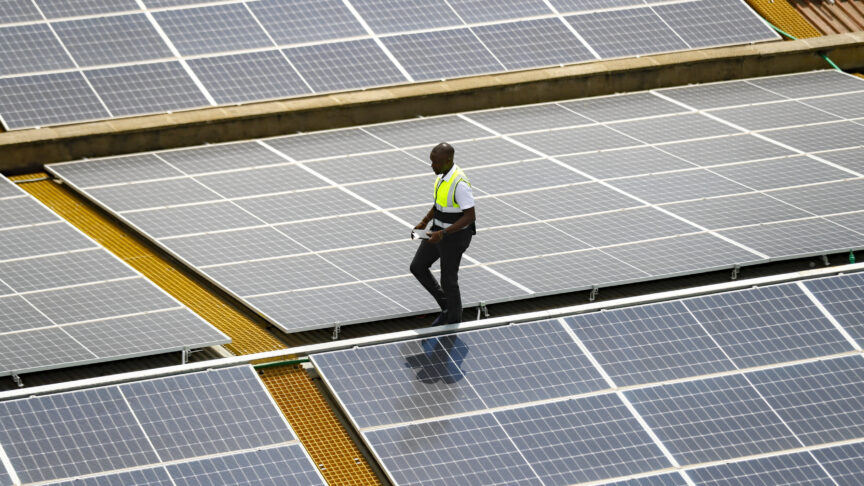
The UAE has invested heavily in Africa’s energy sectors in recent years, expanding its stakes in oil and gas, and renewables. Rather than viewing the UAE as solely a rival, Europeans should pursue a strategy of “co-opetition”, balancing competition with cooperation in areas of mutual interest, to fast-track green initiatives
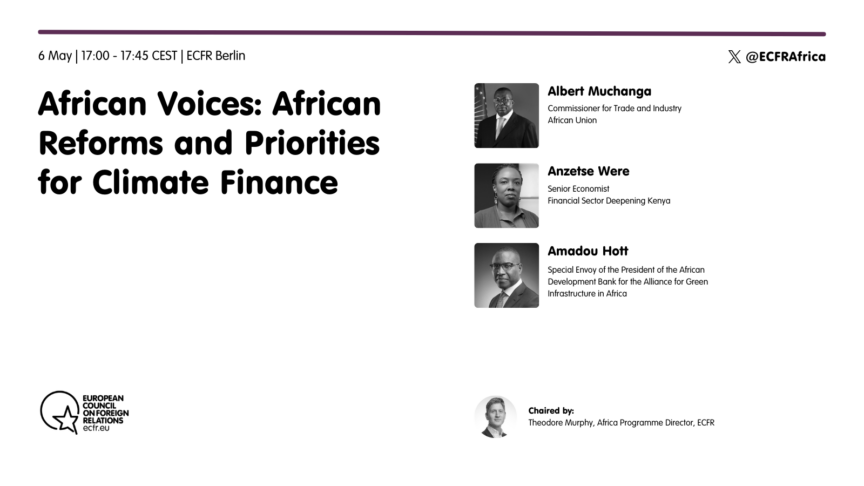
The lack of affordable finance for climate projects in Africa is a key barrier for the continent to reach its adaptation and mitigation goals. It…
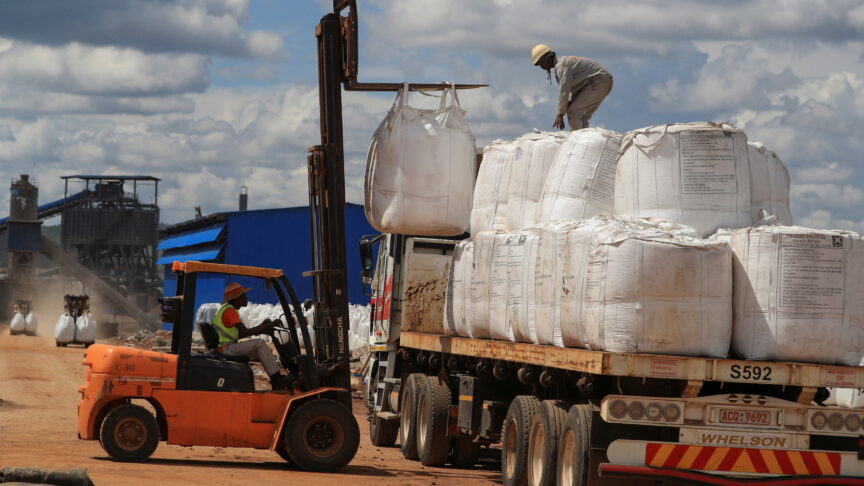
African and European decision-makers can achieve mutual benefit on critical raw materials – but the EU should be clearer about which parts of the value chain it wishes to invest in
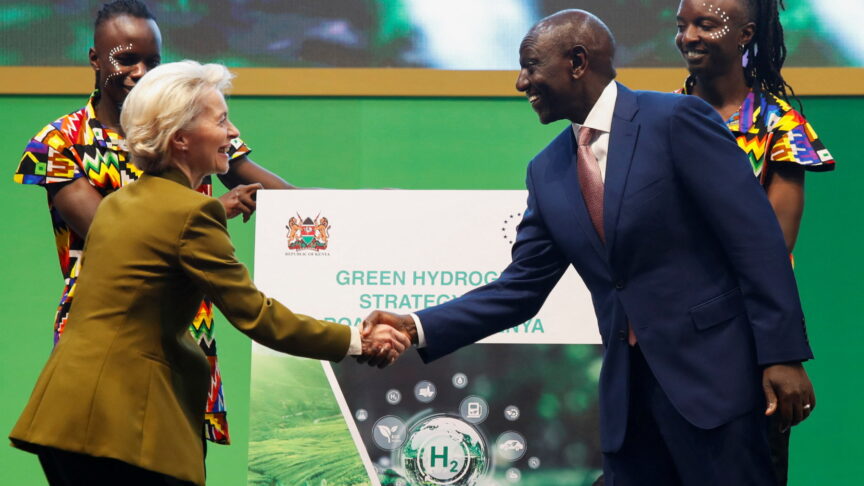
The lack of financing for climate projects in Africa is a major obstacle for the continent to reach its goals under the Paris agreement. In this critical year for climate finance, scattered efforts threaten to stymie real progress
Rather than disengaging from the coup belt, European governments should stay present and work to curb the worst of the chaos engulfing the region — and prevent rival powers from gaining the upper hand
The UAE has invested heavily in Africa’s energy sectors in recent years, expanding its stakes in oil and gas, and renewables. Rather than viewing the UAE as solely a rival, Europeans should pursue a strategy of “co-opetition”, balancing competition with cooperation in areas of mutual interest, to fast-track green initiatives
African and European decision-makers can achieve mutual benefit on critical raw materials – but the EU should be clearer about which parts of the value chain it wishes to invest in
Services play an increasingly important role in international trade. Improving EU-African trade in services would have wide-ranging benefits for both sides
While Russia remains a potent player in parts of Africa, recent events in the Sahelian states have shown that Russian forces are deeply overstretched and losing credibility. It is obvious to all involved that Moscow has no solutions – which leaves a diplomatic opening for the West
The lack of financing for climate projects in Africa is a major obstacle for the continent to reach its goals under the Paris agreement. In this critical year for climate finance, scattered efforts threaten to stymie real progress
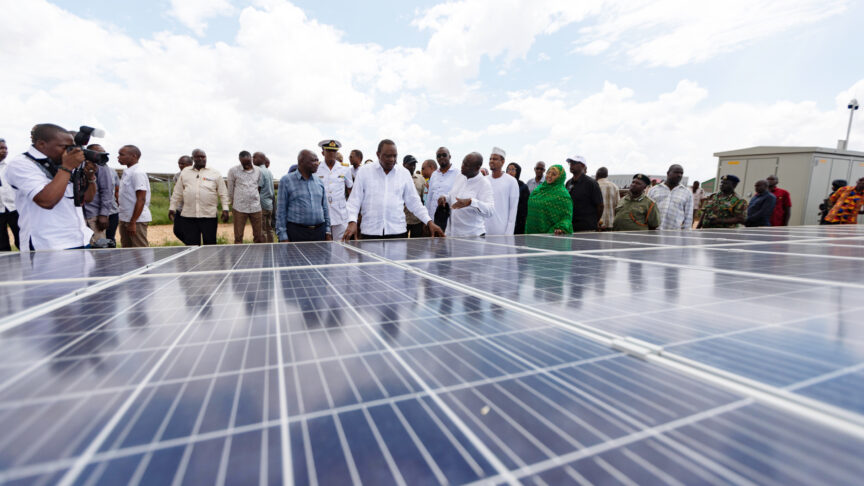
The first two months of 2024 have seen the EU and member states redirect billions of euros of development funding away from Africa – but this could come at great cost to their long-term interests on the continent
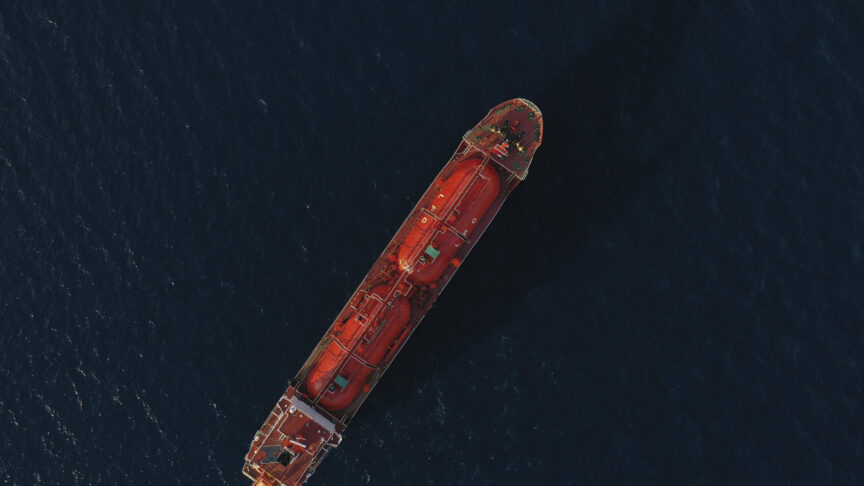
Houthi attacks on Red Sea shipping lanes expose how actors beyond the great powers can weaponise an interdependent global economy. To help overcome this threat, Europeans should advocate cooperation between the US and China
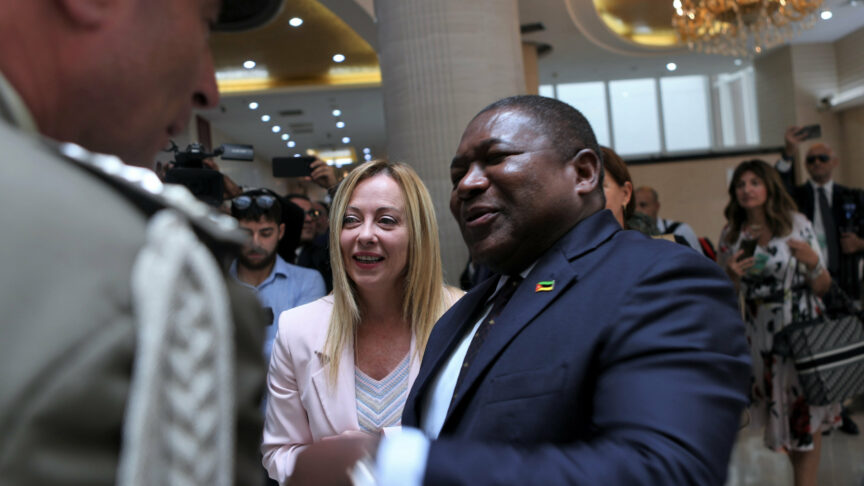
This week, Italian prime minister Giorgia Meloni will present an urgently needed strategic plan for Africa. But as things stand, it is missing a clear strategy and the necessary planning
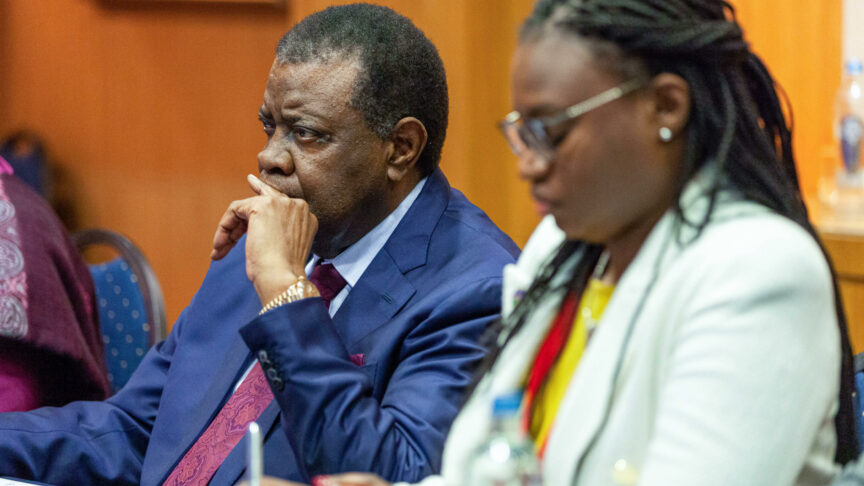
The EU and Namibia have launched the roadmap of their renewable hydrogen partnership. To ensure it effectively helps the EU’s sustainability goals and boosts Namibia’s economic growth, planning should be clearer and more realistic
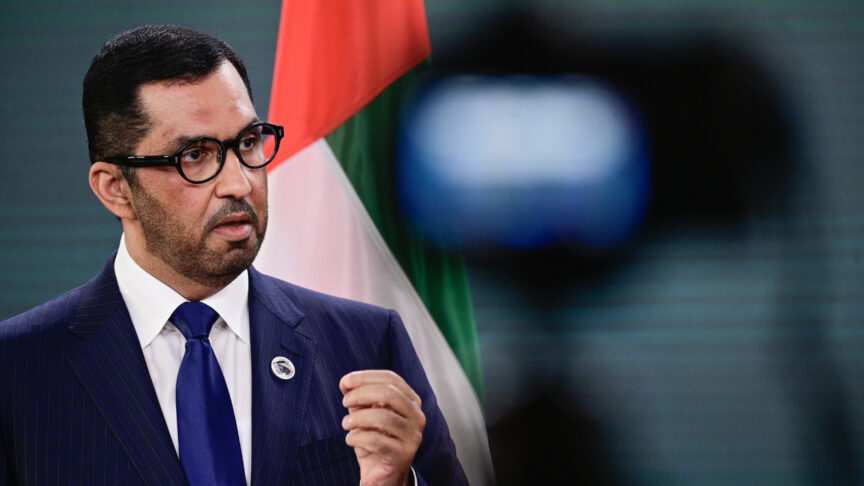
The UAE’s expanding role in Africa’s energy spaces could present a challenge to Europe’s energy security and decarbonisation ambitions – but opportunities for cooperation also exist that could accelerate the global energy transition
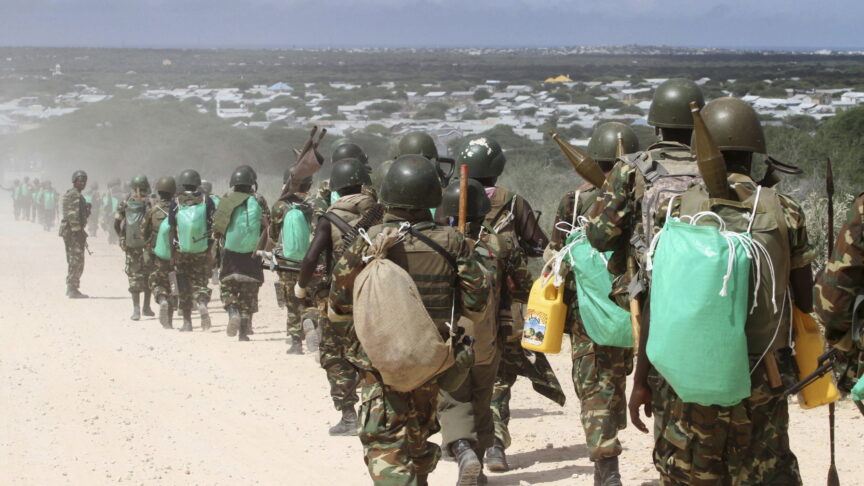
The UN rightly wishes to devolve responsibility for peace support operations to regional partners. But it should draw up novel ways to achieve this in Africa
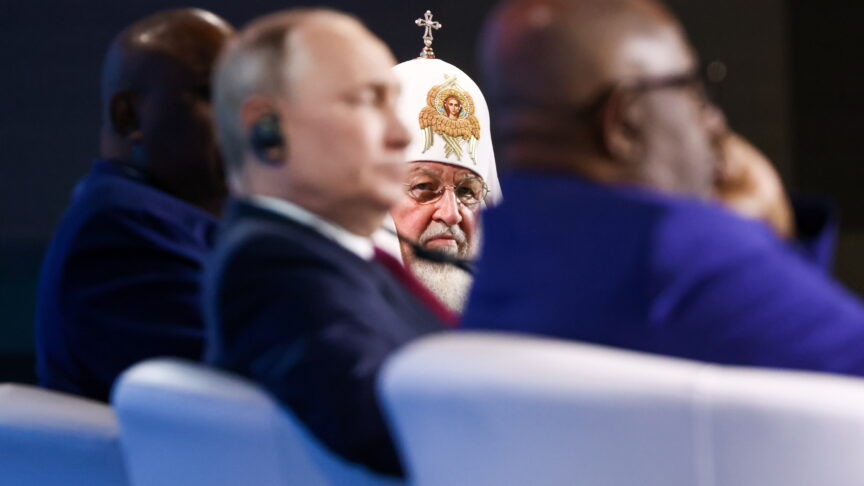
The Russian Orthodox Church’s expansion into Africa is a reminder that Western policymakers should treat the church as an arm of the Russian state
The EU could form coalitions with the African Union at G20 summits on a variety of issues. To prepare for this, it should work with both the current and developing representatives of the organisation
A decade of military, humanitarian, and developmental European interventions in the Sahelian states of Mali, Burkina Faso, and Niger have failed comprehensively. Yet, European governments…
Konflikte in Gaza, im Sudan und in der Ukraine, irreguläre Migration, Klimakrise und Extremismus: Die Welt wird von immer mehr gleichzeitig aufretenden Krisen erschüttert, die…
Amid global geopolitical tensions, the EU has been ramping up efforts to diversify its mineral value chains by forging strategic partnerships with resource-rich African nations
Policy and research circles are increasingly interested in Gulf monarchies’ expanding footprint in Africa, though the challenges and opportunities of the deepening Gulf-Africa relations for…
The lack of affordable finance for climate projects in Africa is a key barrier for the continent to reach its adaptation and mitigation goals. It…
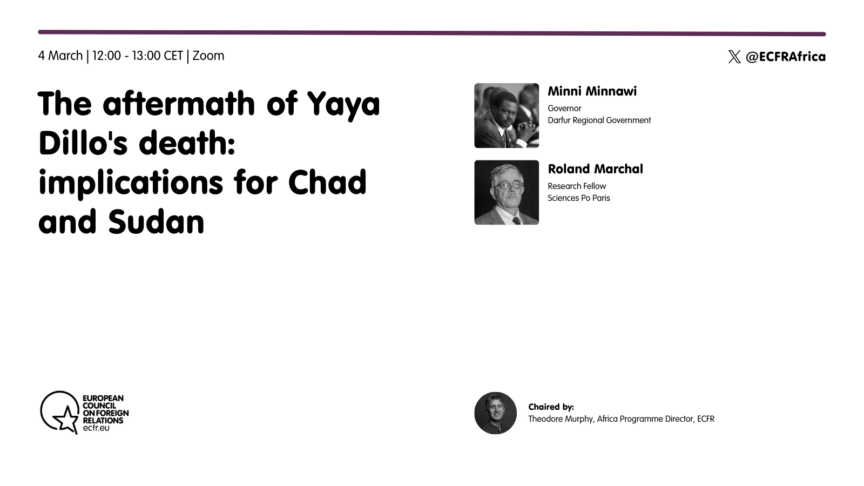
On 28 February, Chadian opposition leader Yaya Dillo was killed in a shootout with security forces. He had been accused of leading an attack against…
Migration in the Mediterranean has been a crisis factor for Europe for decades. To shed light on the issue, the discussion will revolve around ECFR’s policy brief edited by Lorena Stella Martini and Tarek Megerisi, which examines the case study of the Central Mediterranean route to analyse European externalization policies, focusing primarily on migration to Italy
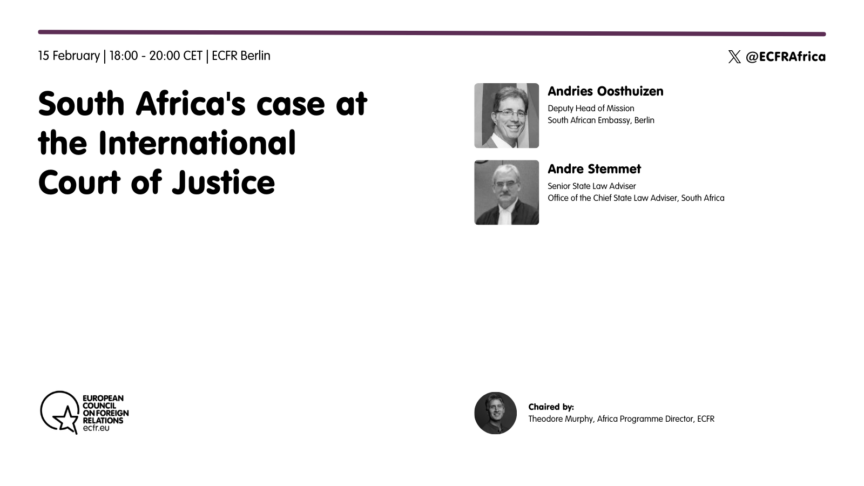
On 29 December 2023, South Africa filed its first-ever application before the International Court of Justice in response to the situation in the Gaza Strip,…
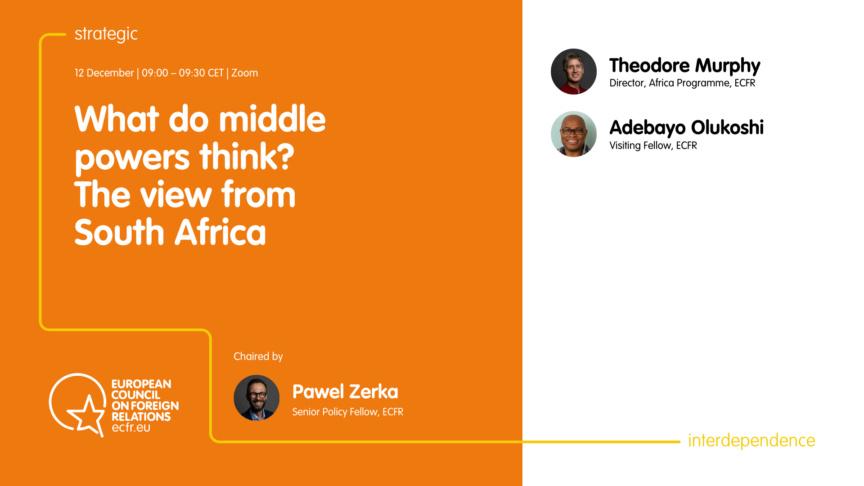
Many people outside the West want Europe and the US in their lives for all they have to offer – but that does not translate…
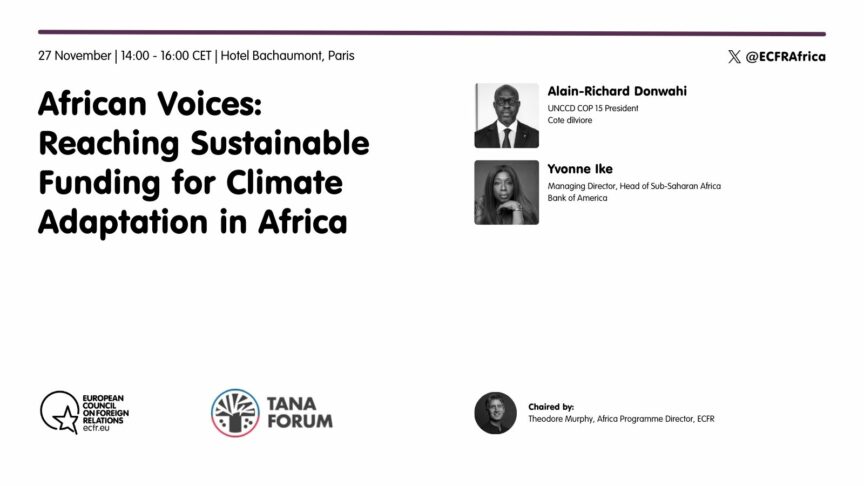
The climate adaptation needs of Africa are not being met and a lack of affordable and consistent finance is a key cause. Between 2019-2020, Africa…
While Russia remains a potent player in parts of Africa, recent events in the Sahelian states have shown that Russian forces are deeply overstretched and losing credibility

Will Brown analyses recent developments in the Sahel that impact on Russian influence in Africa
The Emirates’ change of pace towards Africa is the tip of the iceberg of a broader phenomenon that sees the continent increasingly at the centre of global interest


