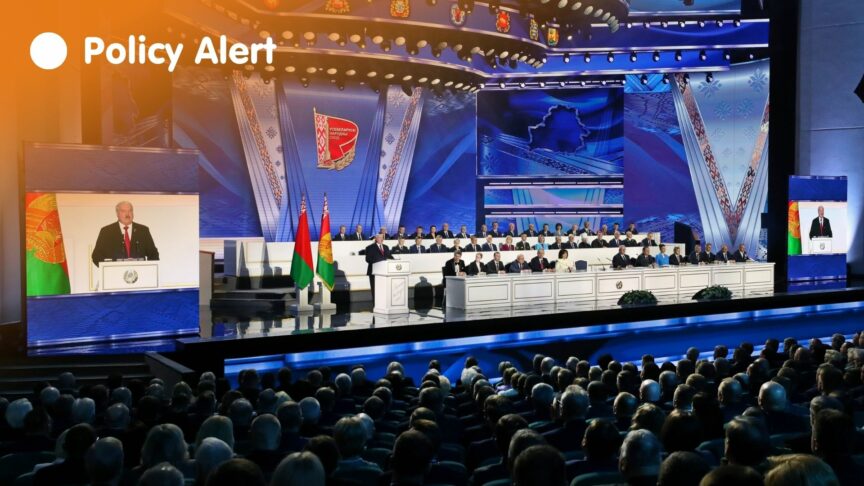
Belarusian leader, Aliaksandr Lukashenka, has created a new and constitutionally powerful assembly that could secure him a smooth transition of power to his loyalists after his rule. But for now, he will control it himself
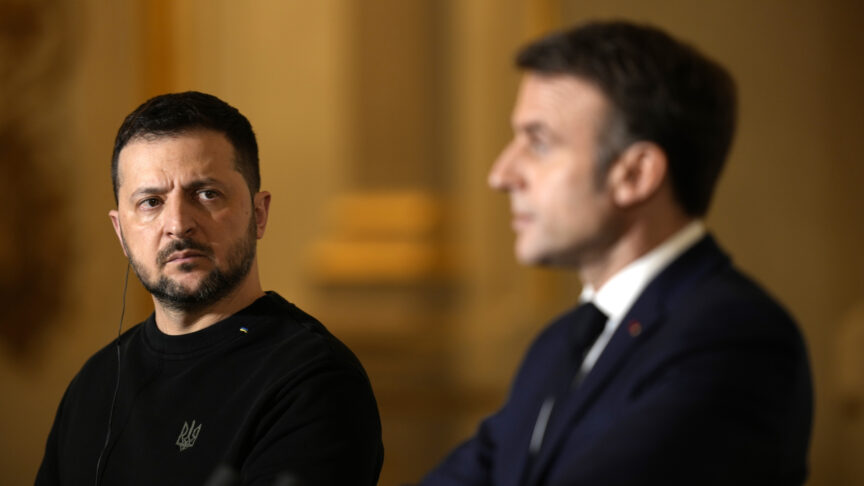
Bilateral security agreements send a clear and important signal of allies’ support for Ukraine. But to avoid hurting Ukraine in the long run, it is important to be clear about their limitations
This podcast explores deeper trends beneath the surface of Russia’s daily politics. In this episode, we delve deeper into Russia’s foreign policy, taking a long-term perspective.
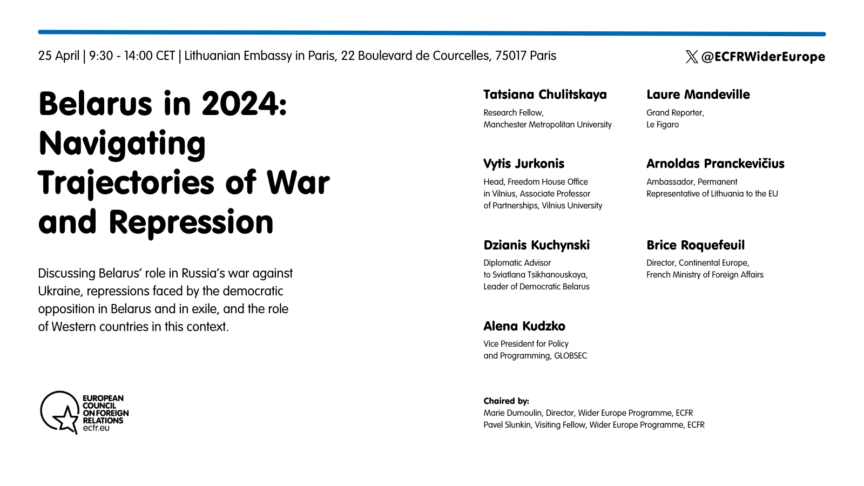
Lithuanian Embassy in Paris, 22 Boulevard de Courcelles, 75017 Paris
ECFR Paris
This event will discuss Belarus’ role in Russia’s war against Ukraine and the repressions and threats faced by the democratic opposition in Belarus and in exile. It will also explore possible actions by Western countries in this context
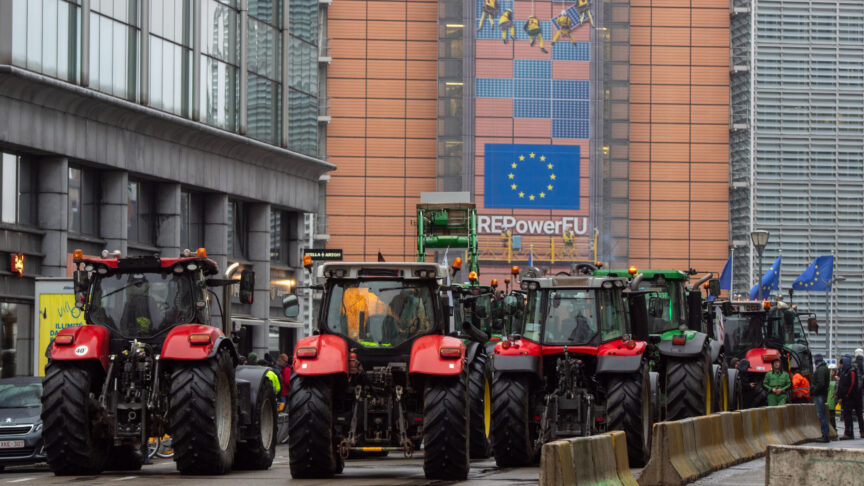
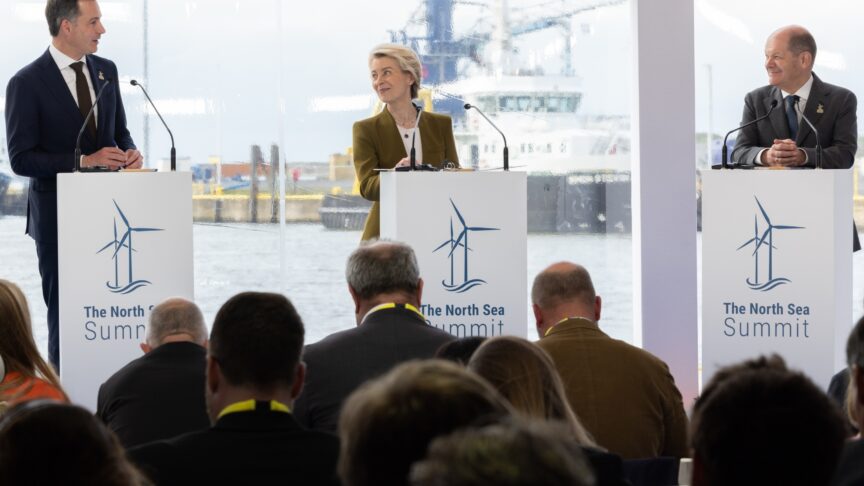
The EU’s green agenda is threatened by a predicted surge to the far-right in the upcoming European Parliament election. Against this, mainstream candidates should remind voters that climate policy is not only necessary for decarbonisation, but an essential tool for EU enlargement
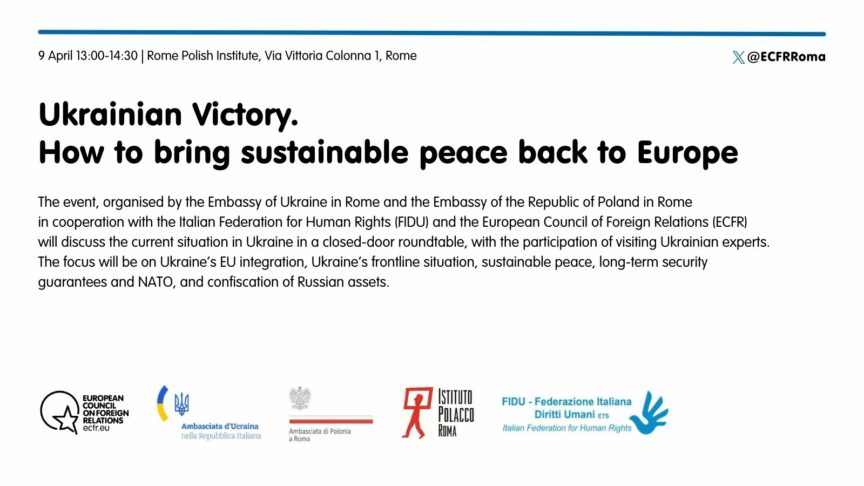
Rome Polish Institute, Via Vittoria Colonna 1, Rome
ECFR Rome
The event, organised by the Embassy of Ukraine in Rome and the Embassy of the Republic of Poland in Rome in cooperation with the Italian Federation for Human Rights (FIDU) and the European Council on Foreign Relations (ECFR) will discuss the current situation in Ukraine in a closed-door roundtable, with the participation of visiting Ukrainian experts
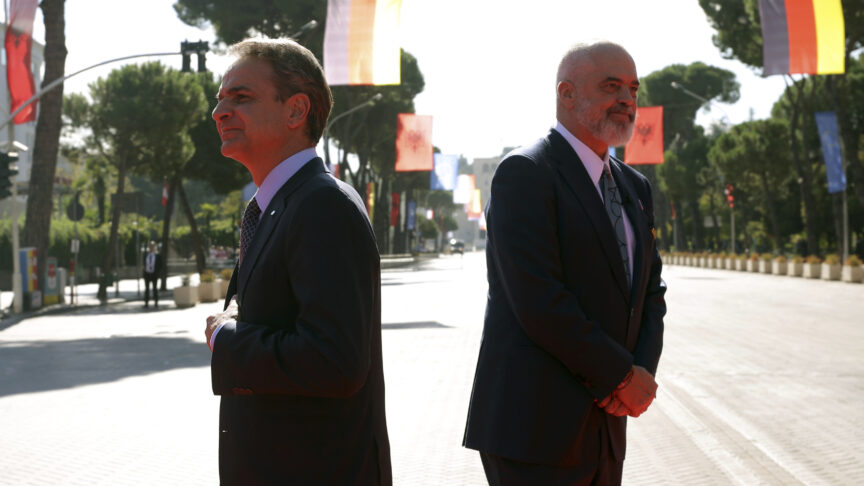
That EU enlargement is a geopolitical imperative is no longer in doubt. But to make enlargement happen, the EU may need to decouple bilateral disputes from the accession process
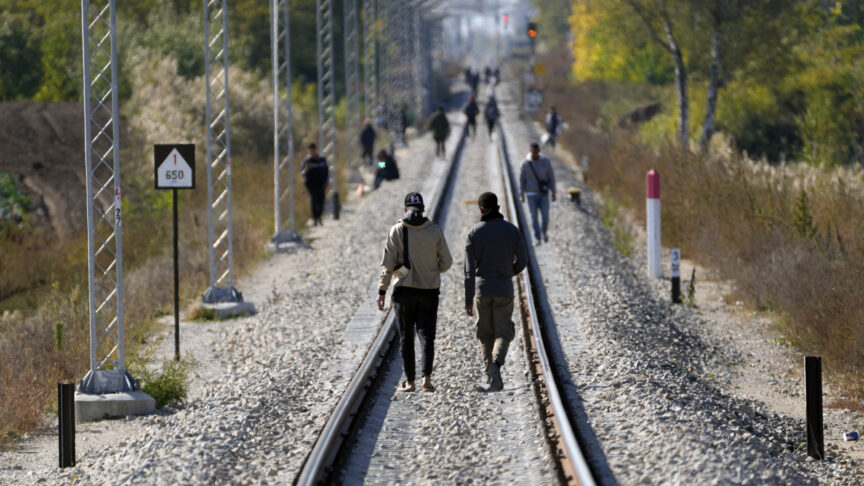
To tackle the political and economic challenges posed by shrinking populations, Balkan governments need to approach immigration as an opportunity, rethinking their policies and political messaging
Since Russia’s invasion of Ukraine, the EU and its member states have intensified their energy diplomacy, moving away from Russian supplies and towards more secure – and greener – alternatives. But to do so efficiently, greater coordination at the EU-level is needed
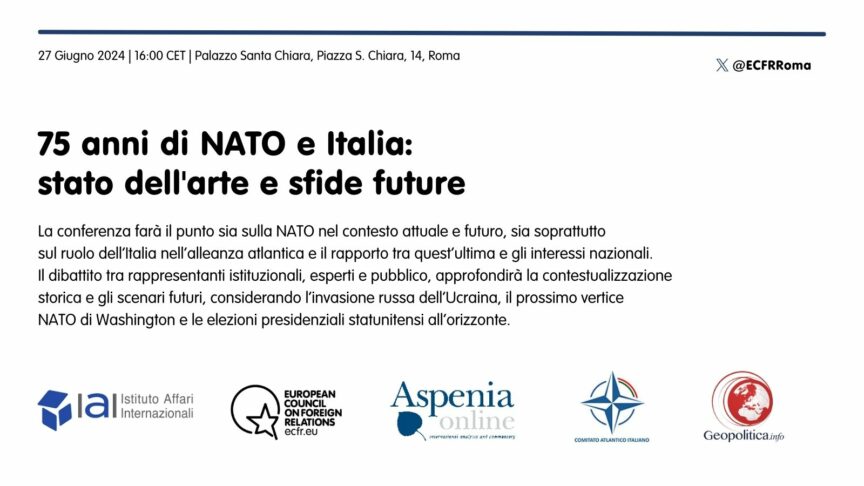
In occasione del 75esimo anniversario della NATO, la conferenza farà il punto sia sulla NATO nel contesto attuale e futuro, sia soprattutto sul ruolo dell’Italia nell’alleanza atlantica e il rapporto tra quest’ultima e gli interessi nazionali
Privacy Preference
We use cookies on our website. Some of them are essential, while others help us to improve this website and your experience.If you are under 16 and wish to give consent to optional services, you must ask your legal guardians for permission.We use cookies and other technologies on our website. Some of them are essential, while others help us to improve this website and your experience.Personal data may be processed (e.g. IP addresses), for example for personalized ads and content or ad and content measurement.You can find more information about the use of your data in our privacy policy.You can revoke or adjust your selection at any time under Settings.
If you are under 16 and wish to give consent to optional services, you must ask your legal guardians for permission.We use cookies and other technologies on our website. Some of them are essential, while others help us to improve this website and your experience.Personal data may be processed (e.g. IP addresses), for example for personalized ads and content or ad and content measurement.You can find more information about the use of your data in our privacy policy.Here you will find an overview of all cookies used. You can give your consent to whole categories or display further information and select certain cookies.