Germany votes: What to look out for on election night
All you need to know to follow the German election unfold on Sunday night

Senior Policy Fellow
German foreign and defence policy; European defence, technology and geopolitics; UAVs/drones; artificial intelligence; military technology; Franco-German defence cooperation
French, English, German
Dr Ulrike Franke is a senior policy fellow at the European Council on Foreign Relations, based in the Paris office. Her areas of focus include German and European security and defence, the future of warfare, and the impact of new technologies such as drones and artificial intelligence on geopolitics and warfare.
Franke has published widely on these and other topics in outlets and journals such as Die Zeit, FAZ, RUSI Whitehall Papers, Comparative Strategy, War on the Rocks, Zeitschrift für Außen- und Sicherheitspolitik, and regularly appears as commentator in the media. She co-hosts Sicherheitshalber, a German-language podcast on security and defence.
She holds a PhD in international relations from the University of Oxford – where her thesis focused on the use of drones by Western armed forces. She also holds a BA from Sciences Po Paris and a double summa cum laude MA from Sciences Po Paris (affaires internationales/sécurité internationale) and the University of St. Gallen (international affairs and governance).
Franke is a policy affiliate at the Governance of AI project at Oxford University’s Future of Humanity Institute. She teaches at Sciences Po Paris.
All you need to know to follow the German election unfold on Sunday night
ECFR’s director Mark Leonard talks with the head of ECFR’s Berlin Office Josef Janning and ECFR's policy fellow Ulrike Franke about the upcoming federal elections…
The televised debates sum up Germany's election campaign perfectly: they have been strangely devoid of proposals, and filled with reactiveness
For the rest of the summer Mark Leonard will be breaking from the usual World in 30 Minutes format to talk about how the global…
When people hear the word ‘drones’, they think of targeted killings and the United States. They picture the “Predator” or the “Reaper”, the world’s most…
Edited by Ulrike Esther Franke, Manuel Lafont Rapnouil & Susi Dennison
This time, ECFR's director Mark Leonard is on the other side of the microphone and tells you all you need to know about the results…
Donald Trump's government is increasingly taking aim at Germany – it is time for Berlin to acknowledge the potential danger
With Michael Clarke, former Director-General of RUSI & Anthony Dworkin, Senior Policy Fellow, ECFR Chaired by Ulrike Esther Franke, Researcher, ECFR The event…
Mark Leonard speaks with former Director of the European Defence Agency Nick Witney, Manuel Lafont Rapnouil and Ulrike Esther Franke about European defence in the…
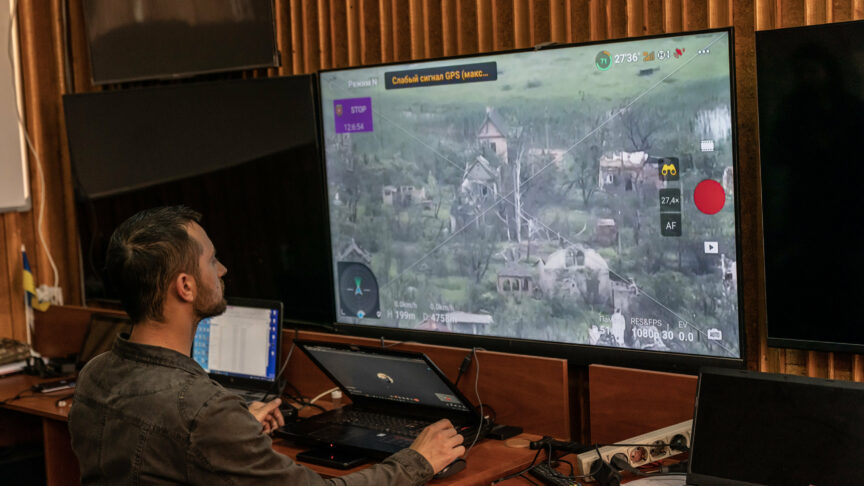
Russia’s war on Ukraine has featured many of the technological advances the world has made over the past decades. If Europeans are serious about their defence capabilities, they need to learn from this use of emerging technology on both sides of the war
New technologies are a significant force shaping international relations. If the EU wants to be more than a mediator between the US and China, it will need to change its mindset
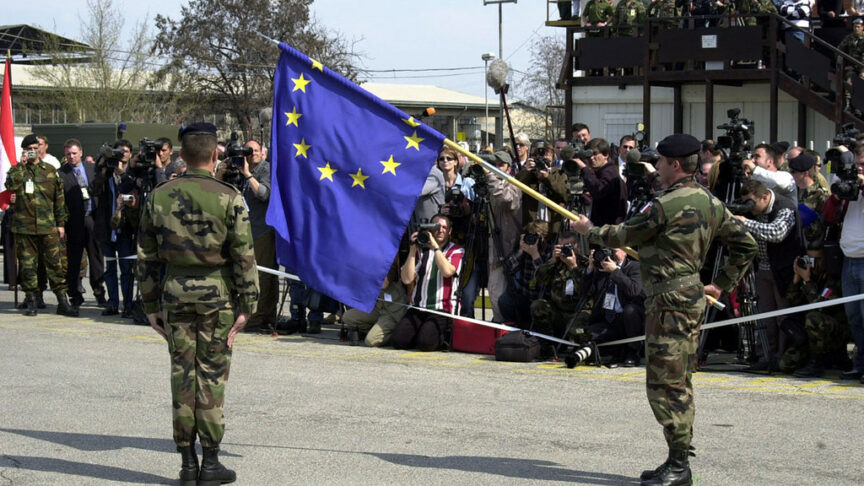
The EU’s work on its Strategic Compass should include debates on the special status states’ future role in European defence
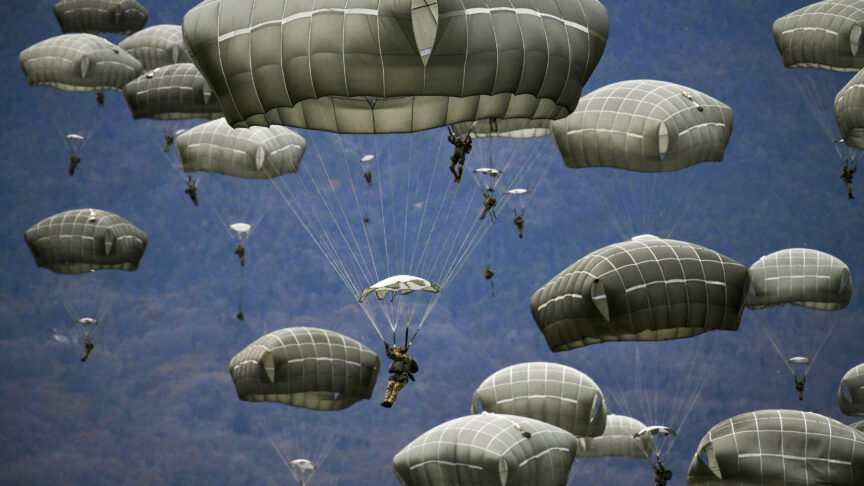
Artificial intelligence is a rapidly advancing field that policymakers everywhere are struggling to keep up with
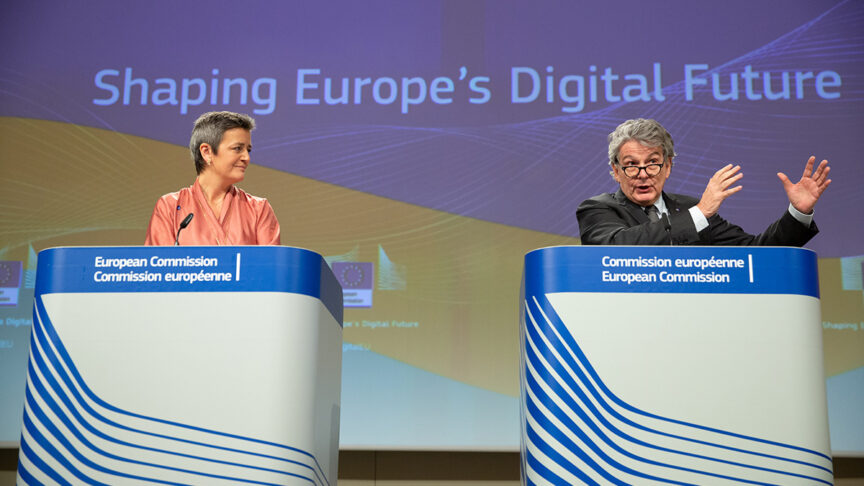
The EU cannot continue to rely on its regulatory power but must become a tech superpower in its own right. Referees do not win the game
The EU Coalition Explorer survey reveals the importance of Germany and France within the EU, and the impact they can have when they cooperate with each other
Failing to coordinate properly in the AI area could threaten future European defence cooperation, including PESCO and the European Defence
The EU appears to be largely uninterested in AI’s geopolitical importance, but its member states can only influence the global development of AI if they act tog
If Europe does not address these difficult questions soon it will find itself surrounded by more powerful rivals deploying AI against it
Polls and interviews conducted for the paper indicate that German millennials are surprisingly conservative and liable to status quo bias
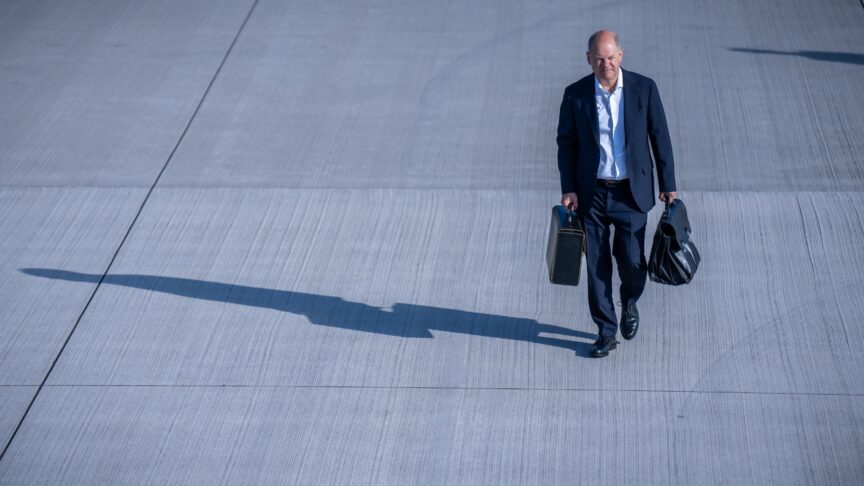
By relying extensively on France and the US for its security and defence, Germany could easily find itself isolated and at risk. Berlin needs to act fast
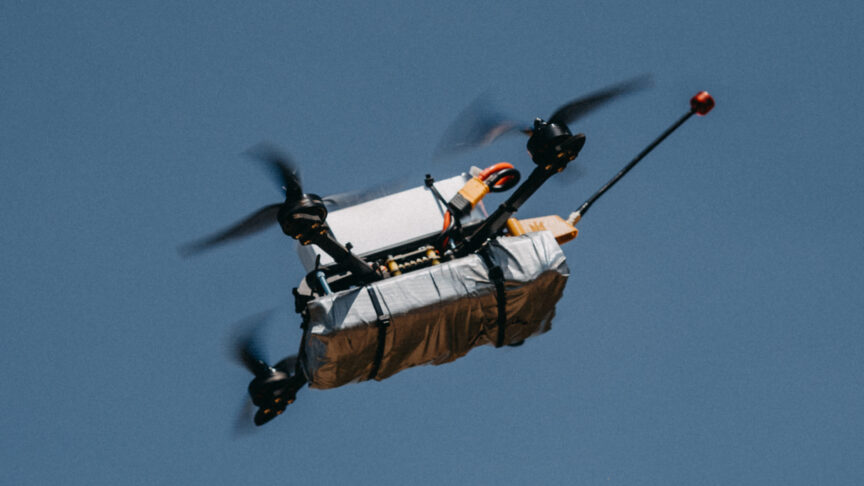
The Ukrainian battlespace features the most intensive use of drones in a military conflict in history, marking a shift in warfare tactics and technology
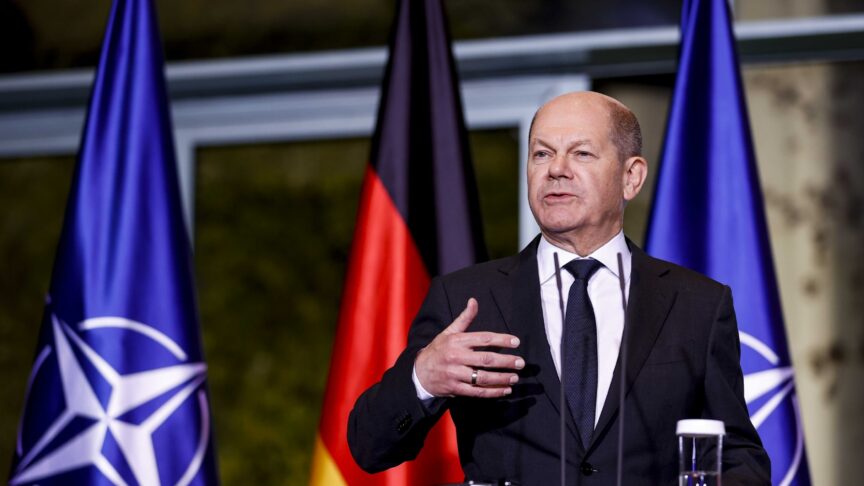
Germany’s first ever national security strategy contained few big surprises – but the country’s NATO partners can still draw three key lessons from the document
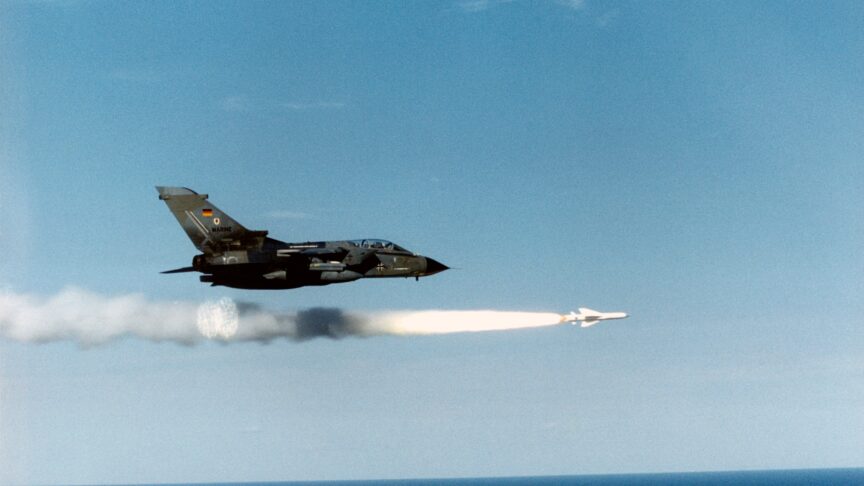
The parties in Germany’s next coalition government could find it hard to bridge their differences on foreign and defence policy
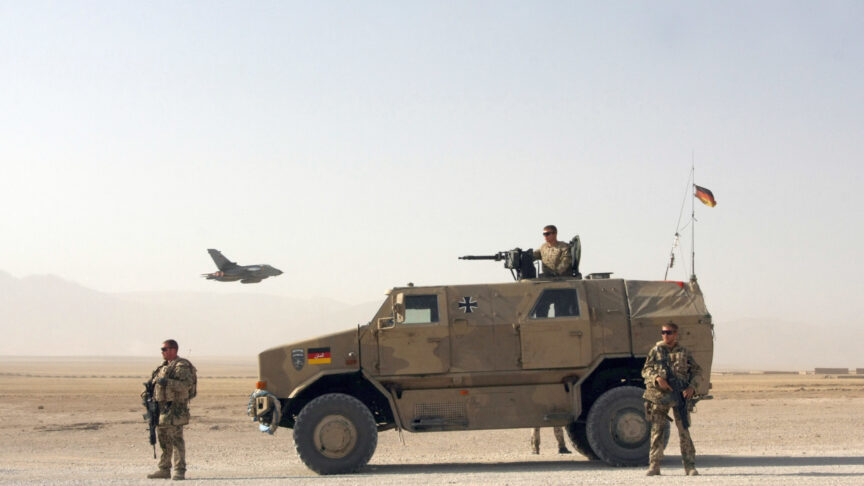
Hand-wringing over Europe’s supposed failure to step up in Afghanistan ignores the fact that Europeans were principally there to support the US

Technological change is already having far-reaching effects on the international balance of power. If the EU is to become a true geopolitical actor, it cannot shy away from these challenges
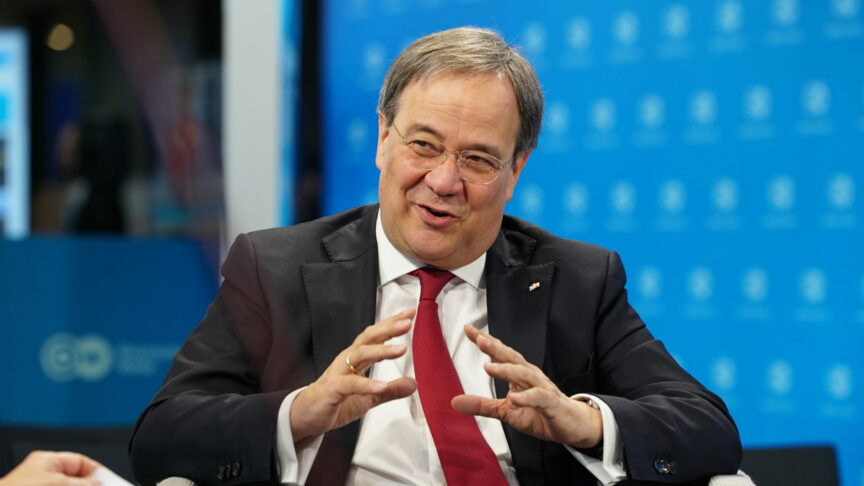
The election of a new CDU party leader last weekend might be the first step towards a novel Black-Green coalition government – whose defence policy could be surprisingly visionary, if the parties are willing to work together
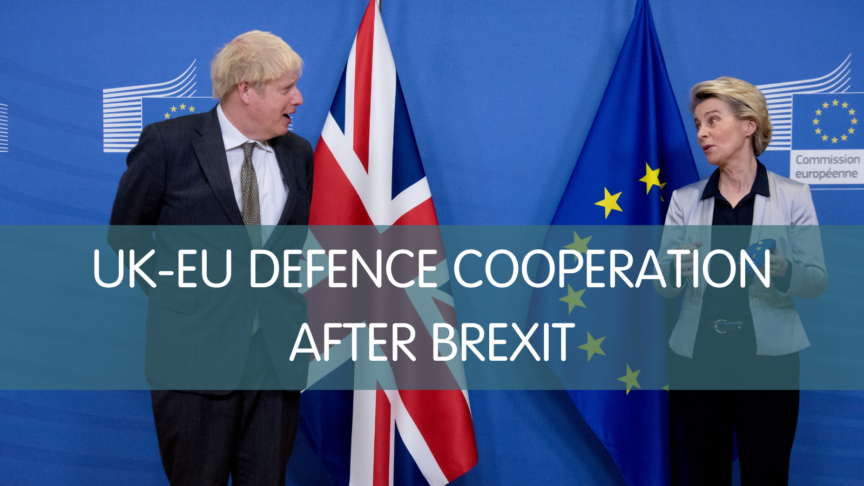
The UK will have to decide how involved it wants to be in EU defence efforts. It seems likely that the country’s aim will be to have flexible structures that allow it to plug into European foreign and defence policy where doing so is in its interests
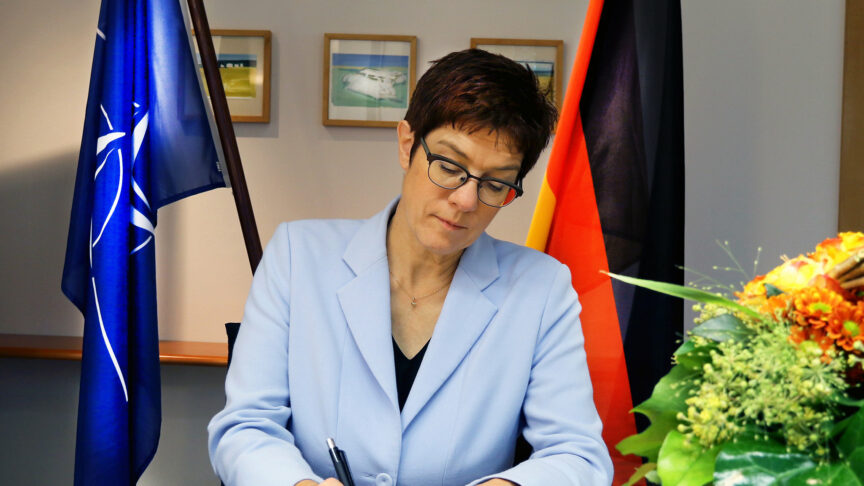
France and Germany have different priorities, but both partners come to the same conclusion: Europe must do more
This could be the moment to build a more balanced transatlantic relationship, with Europeans showing the US where we need it to engage, and how – rather than simply waiting for cues from Washington
The EU can overcome the new challenges it faces and can shape the global order. To achieve this, Europeans will need to improve their joint capacity to act
European cohesion is bouncing back after crisis years. The EU Cohesion Monitor presents new insights on cohesion as an underestimated source of strength and collective action in the EU
The Coalition Explorer illustrates the expert opinions of more than 800 respondents who work on European policy and creates a visual understanding of the views held by Europe’s professional political class
The European Solidarity Tracker collects and displays instances of pan-European solidarity throughout the coronavirus crisis
To fulfil its true potential, the EU needs to end its strategic cacophony and focus on capability building
Great power competition is increasingly shaping Europeans’ security environment, while other security threats are also on the rise, from terrorism and cyber attacks to climate change
Edited by Ulrike Esther Franke, Manuel Lafont Rapnouil & Susi Dennison

Mark Leonard welcomes Ulrike Franke and Jana Puglierin to discuss the recent turmoil surrounding Germany’s defence policy
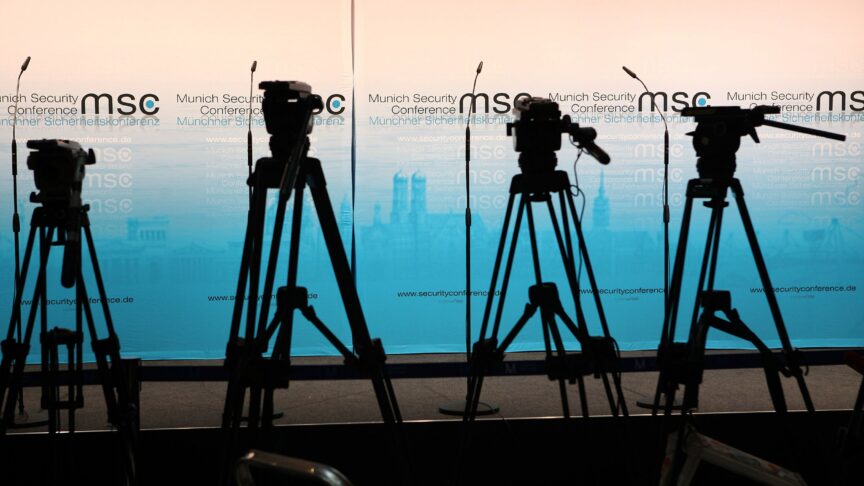
Mark Leonard reports live from the Munich Security Conference
What are the necessary steps the new German government needs to take to advance and support European tech sovereignty?
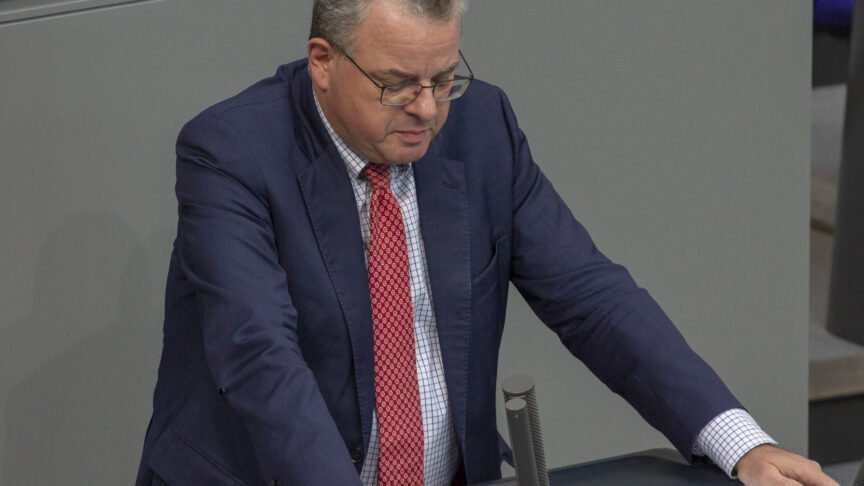
How would a chancellor Armin Laschet approach foreign policy questions on China, Russia, and defence?
The EU is often described as a “regulatory superpower” benefitting from the so-called “Brussels effect.” But is the bloc also able to set its own rules and standards when it comes to new technologies?
The Covid-19 pandemic has shaken the EU’s conception of order and exposed a gap between European aspirations and actions. Firstly, Europeans are confronted with the…
In this week’s episode, we feature one of the focus sessions from our Annual Council Meeting this June. Policy Fellow Ulrike Franke moderated this online…
In this week’s episode, Mark Leonard presents the new and third edition of ECFR´s Coalition explorer, which also included special questions regarding the impact of…
Word on the street seems to suggest that technology will be the way out of the coronavirus crisis and the lockdowns in many European countries. This…
The annual Munich Security Conference was themed “Westlessness”, defining “a widespread feeling of uneasiness and restlessness in the face of increasing uncertainty about the enduring purpose…
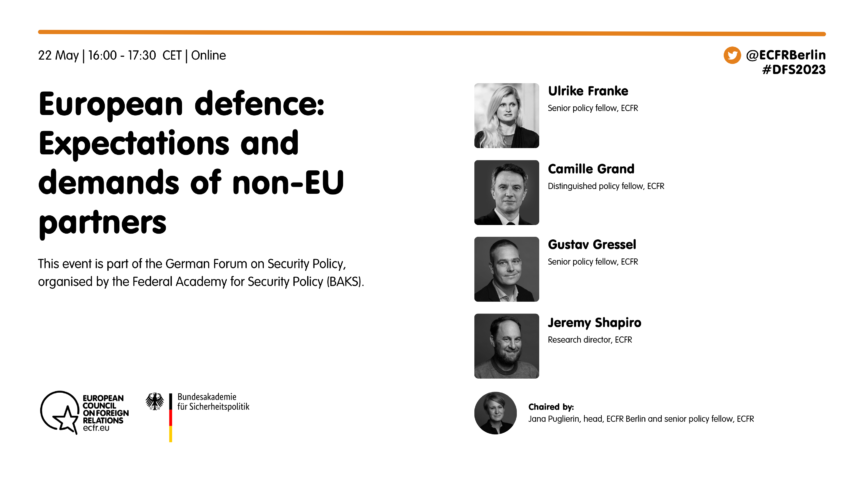
This event is part of the German Forum on Security Policy, organised by the Federal Academy for Security Policy (BAKS).
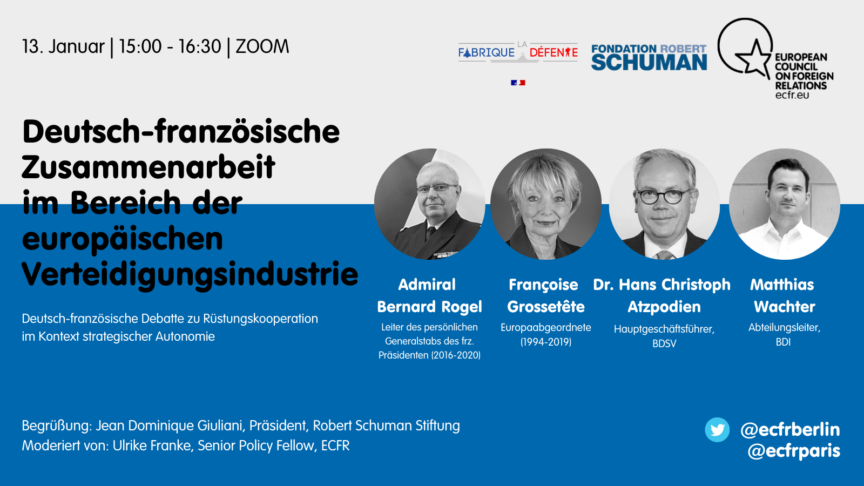
Deutsch-französische Debatte zu Rüstungskooperation im Kontext strategischer Autonomie | Un évènement franco-allemand dans le domaine de l’industrie de défense, pour la construction d’une autonomie stratégique
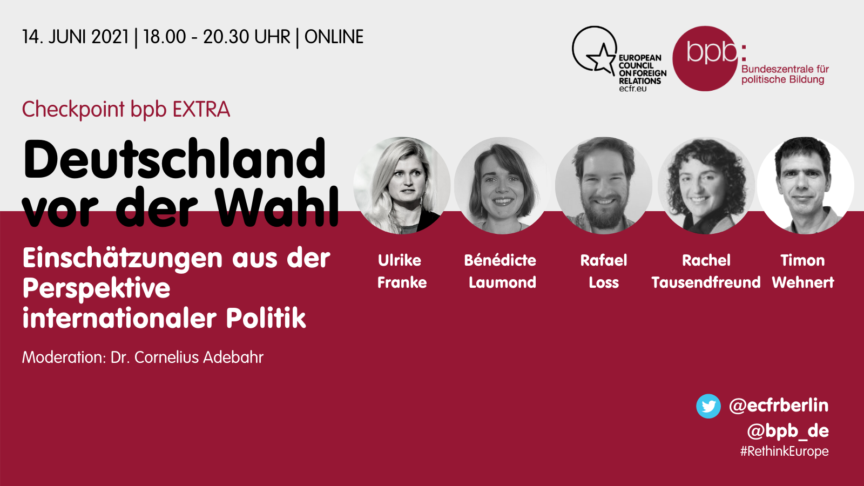
Der Checkpoint EXTRA findet als Kooperation zwischen der bpb und dem Berliner Büro des European Council on Foreign Relations statt
First part of a series jointly organised by the European Movement International and ECFR exploring the challenges the European Union is facing
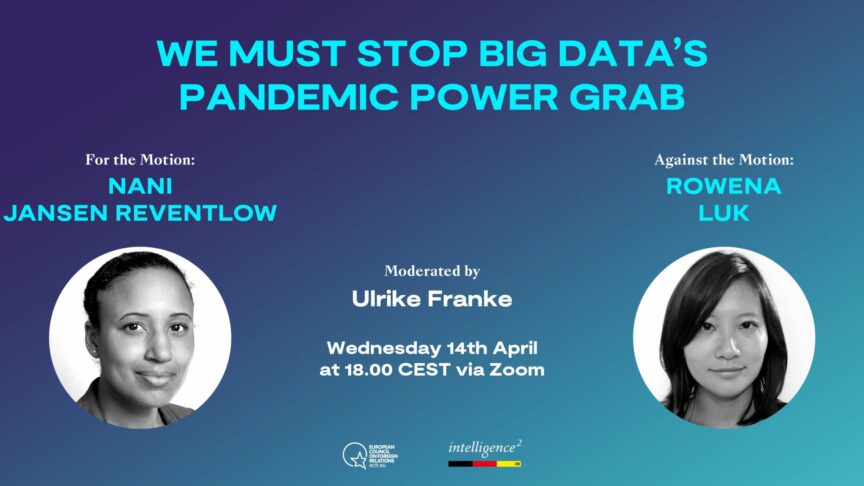
An Oxford-style debate in cooperation with Intelligence² Germany
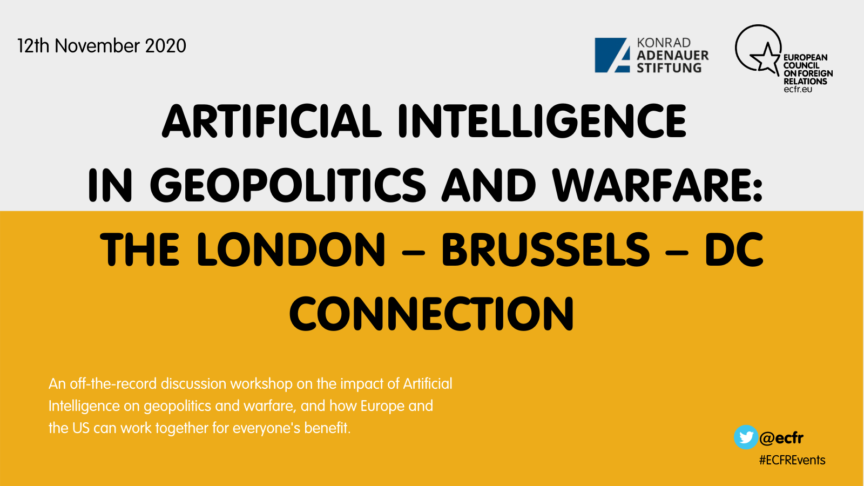
A discussion workshop on the impact of Artificial Intelligence on geopolitics and warfare, and how Europe and the US can work together for everyone’s benefit
Ulrike Franke on why Germany is lagging behind Ukraine with its drone production
Ulrike Franke on the slow pace of drone production in Germany
Ulriek Franke on 75 years of NATO
The high loss rate and the high numbers [of drones] that are being used also points to gaps in other areas
Ulrike Franke is interviewed on Ukraine’s reliance on drones to make up for artillery shortage
Ulrike Franke on the terrorist threat posed to Germany by drones