EU-India relations; India-China relations; European Indo-Pacific policy
Languages
German, English, Gujarati (conversational), Spanish (conversational), Chinese (basic)
Biography
Manisha Reuter is deputy programme director for ECFR’s Asia programme. She is working on India-EU relations, China-India relations and maritime security in the Indo-Pacific. Upon joining ECFR in August 2020, Reuter worked for the Asia Program of The German Marshall Fund of the United States. Moreover, she has gained professional experience working for the Bosch Foundation’s Fellow Program as well as in the German Research Council (DFG) funded project “A BRICS-Variant of Capitalism? Challenges to the Stability of the Economic Model of Larger Emerging Countries, a Case Study of Brazil and India“. Manisha has been awarded as EuropeIndia40 leader as part of the 2023 class by the Europe India Center for Business Industry.
Reuter holds a BA in political science and business psychology from the University of Lüneburg, Germany and the Hong Kong Baptist University, China, as well as an MA in International Studies/ Peace and Conflict Studies from the University of Frankfurt am Main, Germany.

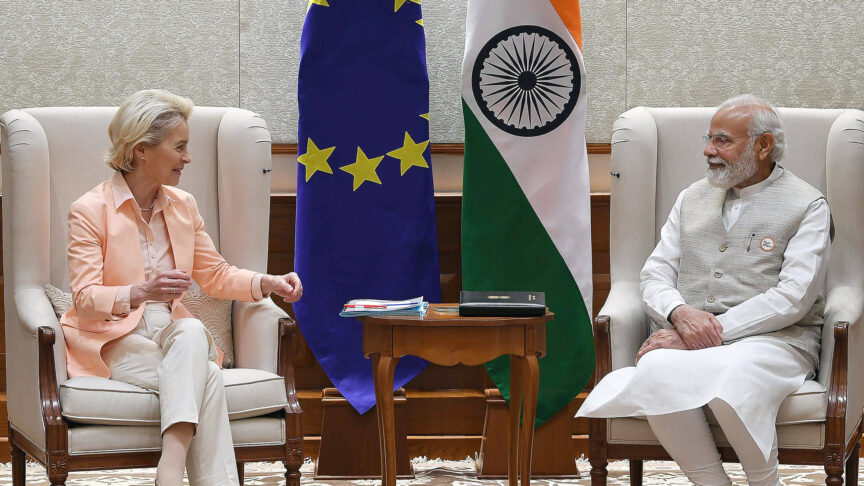
Ties between Brussels and New Delhi have long struggled to reach their potential. After their respective elections, shared geopolitical concerns about China and common goals on topics from technology to economic security can provide a chance for a reboot
The Falepili Union treaty prioritises Tuvalu’s urgent concerns about climate change. As the EU looks to deepen relations with partners in the Indo-Pacific, it should tailor its offers to regional priorities
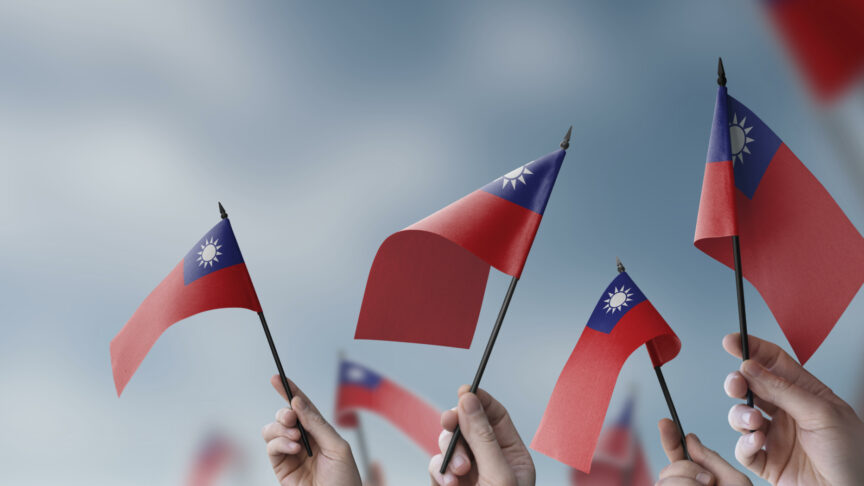
Voters in Europe and the G7 still lack a clear idea of what Chinese action against Taiwan could mean for their own lives. Political leaders should start to remedy this
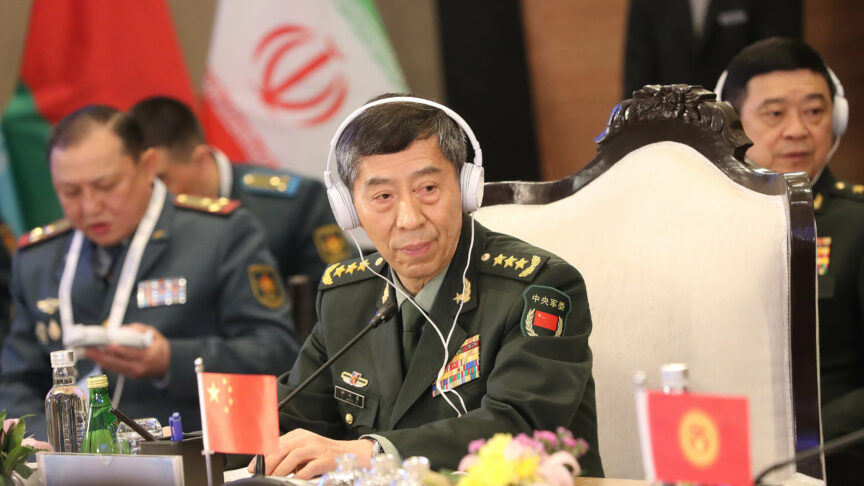
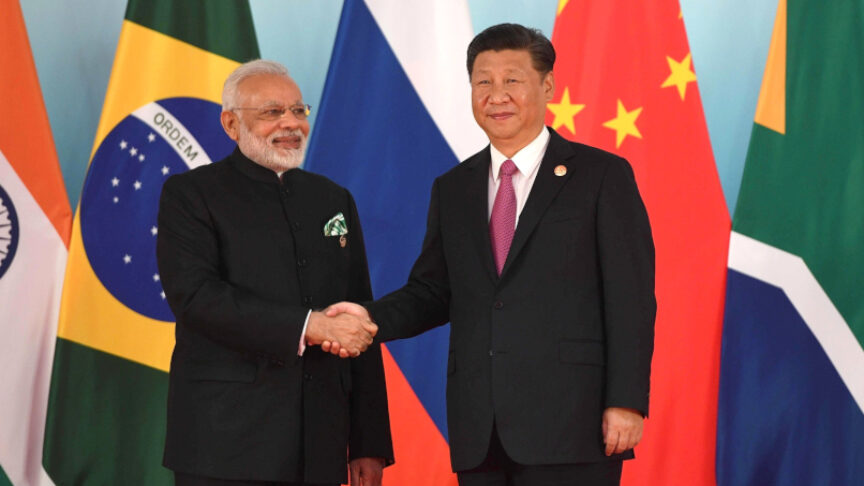
The border standoff between China and India illustrates the growing rivalry between the two countries – and the part that other major powers play in it
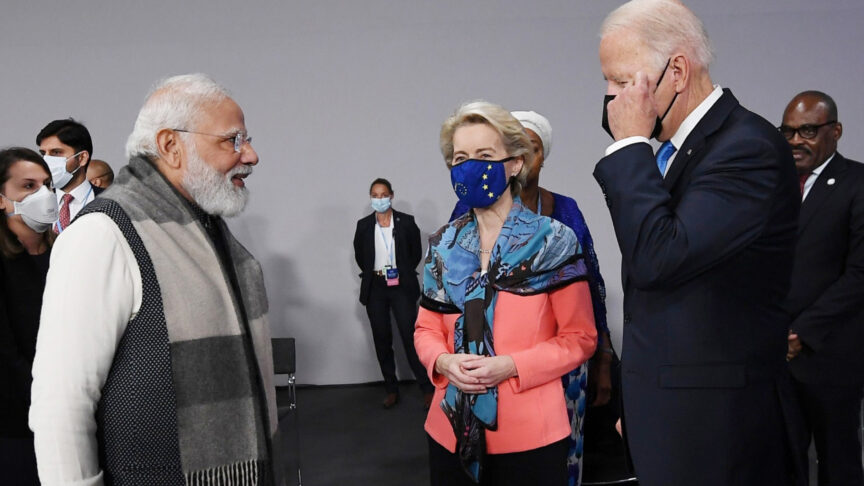
India’s dependency on Russia has left it reluctant to publicly criticise Putin’s war on Ukraine. Rather than pressure India to pick a side, the EU should show India that it is a serious geopolitical partner
It will take more than just strong support from France, Germany, and the Netherlands to ensure that the new EU strategy for the Indo-Pacific is effective in the long term
The EU’s and India’s willingness to fulfil the untapped economic potential of their relationship indicates that their positions might still quite far apart but, for geopolitical reasons, they want to reach a compromise
China’s growing assertiveness is already driving closer cooperation among democracies. The EU should now incorporate the Quad more directly into its strategic thinking and activity
Ties between Brussels and New Delhi have long struggled to reach their potential. After their respective elections, shared geopolitical concerns about China and common goals on topics from technology to economic security can provide a chance for a reboot
The Falepili Union treaty prioritises Tuvalu’s urgent concerns about climate change. As the EU looks to deepen relations with partners in the Indo-Pacific, it should tailor its offers to regional priorities
Voters in Europe and the G7 still lack a clear idea of what Chinese action against Taiwan could mean for their own lives. Political leaders should start to remedy this
The border standoff between China and India illustrates the growing rivalry between the two countries – and the part that other major powers play in it
India’s dependency on Russia has left it reluctant to publicly criticise Putin’s war on Ukraine. Rather than pressure India to pick a side, the EU should show India that it is a serious geopolitical partner
The EU’s and India’s willingness to fulfil the untapped economic potential of their relationship indicates that their positions might still quite far apart but, for geopolitical reasons, they want to reach a compromise
China’s growing assertiveness is already driving closer cooperation among democracies. The EU should now incorporate the Quad more directly into its strategic thinking and activity
The EU has taken a major step forward in protecting its interests from harmful foreign investments and takeovers. Follow ECFR’s new tracker to keep up to date with this important geopolitical challenge
It will take more than just strong support from France, Germany, and the Netherlands to ensure that the new EU strategy for the Indo-Pacific is effective in the long term
Manisha Reuter criticizes the slow progress of EU visa liberalisation for Indian business travellers
The crisis could be a moment to recognize India’s legitimate security interests and look at what are its dependencies and needs, and how we can help reduce its dependencies on Russia
Manisha Reuter comments on the promise of greater EU-India cooperation in the aftermath of Russia’s attack on Ukraine, especially in the defense realm
You are currently viewing a placeholder content from Facebook. To access the actual content, click the button below. Please note that doing so will share data with third-party providers.
You are currently viewing a placeholder content from Instagram. To access the actual content, click the button below. Please note that doing so will share data with third-party providers.
You are currently viewing a placeholder content from OpenStreetMap. To access the actual content, click the button below. Please note that doing so will share data with third-party providers.