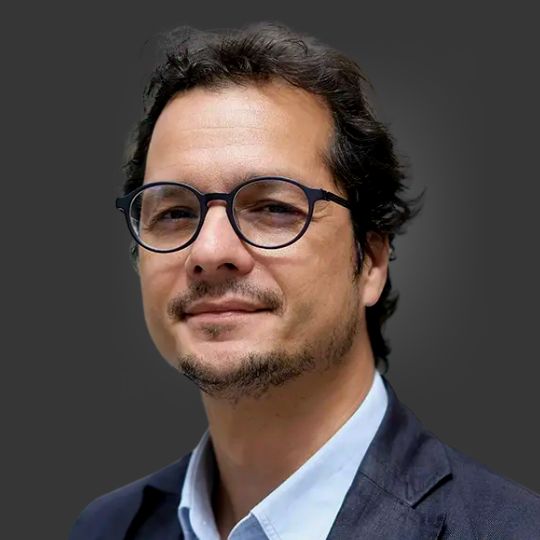
Análisis sobre los nuevos altos cargos europeos, con José I. Torreblanca
José Ignacio Torreblanca, director de ECFR Madrid, y Francisco Fonseca, director de la oficina de la Comisión Europea en Madrid, comentan en Europa Abierta…

Head, ECFR Madrid
Senior Policy Fellow
Technology and geopolitics, EU strategic autonomy; disinformation and influence operations
Spanish, English
José Ignacio Torreblanca is a senior policy fellow and head of the Madrid office of the European Council on Foreign Relations, a position he has held since the launch of ECFR across Europe in 2007. Torreblanca is also Professor of Political Science at Universidad Nacional de Educación a Distancia (UNED) in Madrid.
He is a weekly columnist in EL MUNDO as author of the blog “Café Steiner” and a weekly contributor on RNE (Spanish National Radio) and RTVE. Previously, he was Editorial Director of EL PAIS where he also authored a weekly column in the International Section and a blog.
Torreblanca holds a PhD in Political Science from the Complutense University of Madrid.
José Ignacio Torreblanca, director de ECFR Madrid, y Francisco Fonseca, director de la oficina de la Comisión Europea en Madrid, comentan en Europa Abierta…
José Ignacio Torreblanca presenta 'Cómo completar la Unión bancaria europea', la nueva publicación de Sebastian Dullien…
Bush gave Saddam a kicking, but left Iran to rule over a region infested with terrorists
Cameron might not be able to stop a Juncker presidency, but the European Socialists might.
If Russia’s aim was to keep Ukraine within its sphere of influence, it has clearly failed
José Ignacio Torreblanca presenta en Europa Abierta (Radio Exterior) su último libro, “¿Quién gobierna en Europa?”…
The European Union is facing a crisis of democracy. Will we choose the future or the past?
Spain’s two-party system gets a warning and populists join the fray
ECFR's explainer on the European Parliament elections
Mark Leonard talks to José Ignacio Torreblanca, François Godement and Vessela Tcherneva about elections, outcomes, and the role of the Russians. Bookshelf: José…
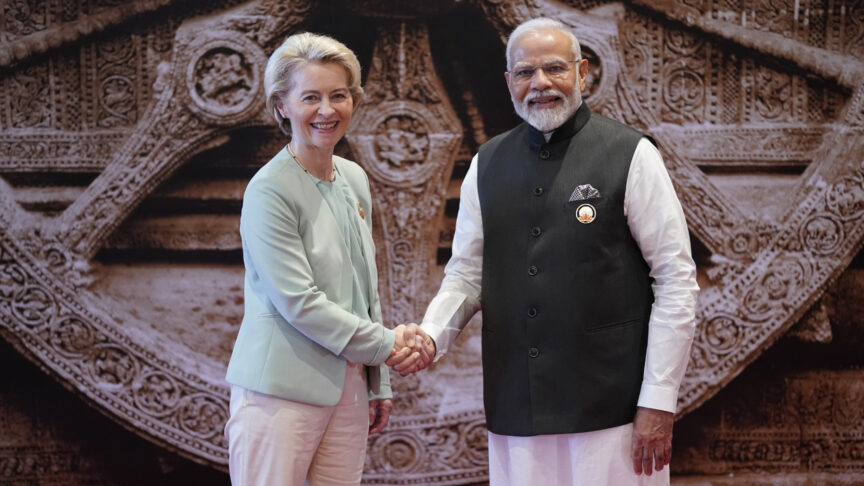
Middle powers are shaping a fragmented world for which Europe is ill prepared. To protect its interests and values, the EU needs a foreign policy strategy that emphasises its wide range of interdependencies

The EU can counter Chinese and Russian influence through a digital alliance with countries in Latin America and the Caribbean
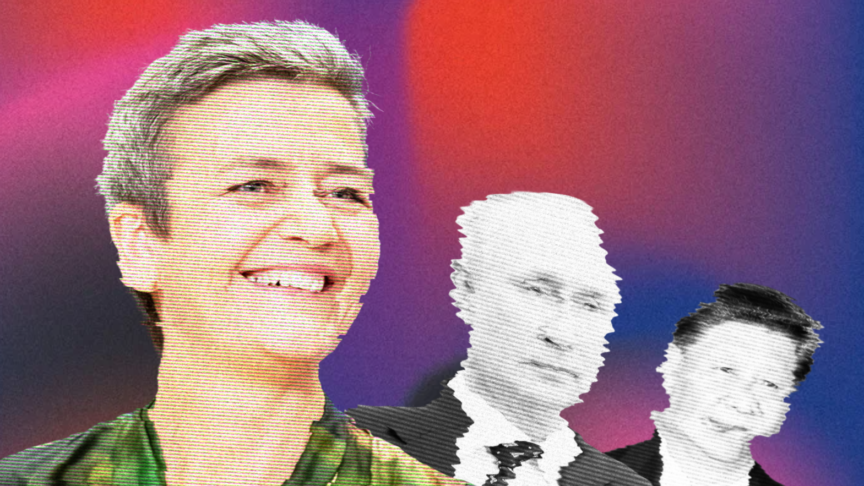
The digital space is a key battleground in today’s global power struggles. For the EU to become a global player in the geopolitics of technology, it needs an ambitious external digital strategy – one that allows it to secure its interests, values, and standing in a world of intensifying geo-technological competition
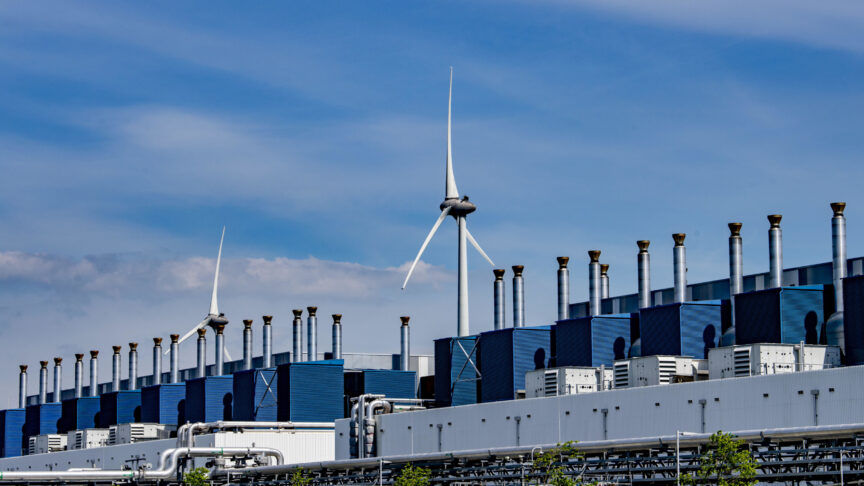
New technologies are a significant force shaping international relations. If the EU wants to be more than a mediator between the US and China, it will need to change its mindset
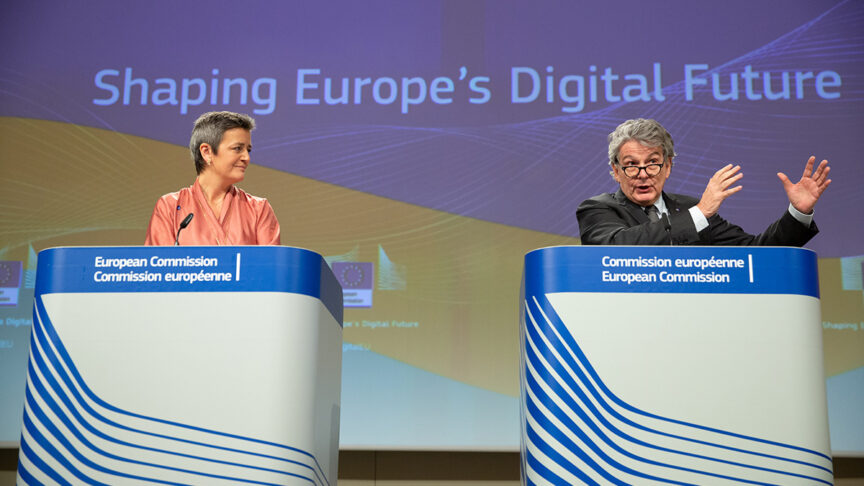
The EU cannot continue to rely on its regulatory power but must become a tech superpower in its own right. Referees do not win the game
Europe must improve its early warning systems, supply chain resilience, medical R&D, and cyber security and technology, to act decisively in future emergencies
A new survey shows that, after the onset of the covid-19 crisis, there has been a rise in public support for unified EU action to tackle global threats
Spain, and Europe, need a new story about migration – it remains to be seen how the country will put this into practice
The results of the European election confront EU leaders with a considerable challenge: navigating a new, more fragmented, and polarised political environment
Pro-Europeans should create space for battles between competing visions of Europe
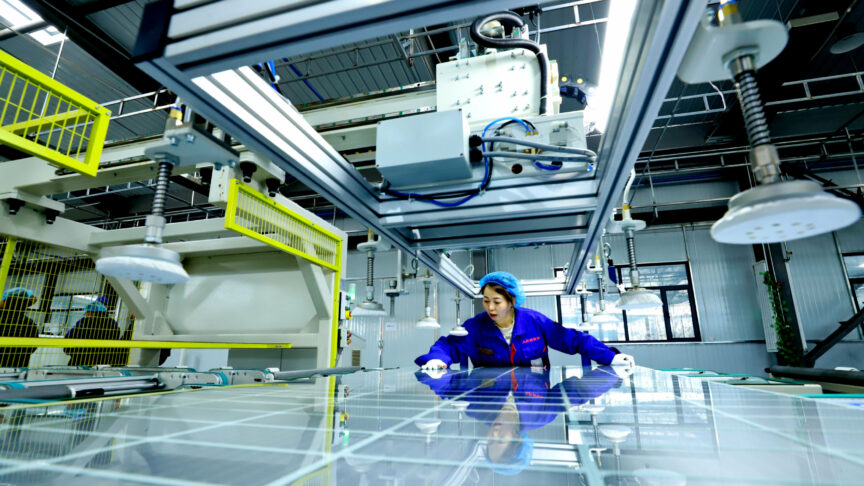
As technological competition between the US and China grows, the EU’s next technology agenda needs to be more assertive to maximise its global influence
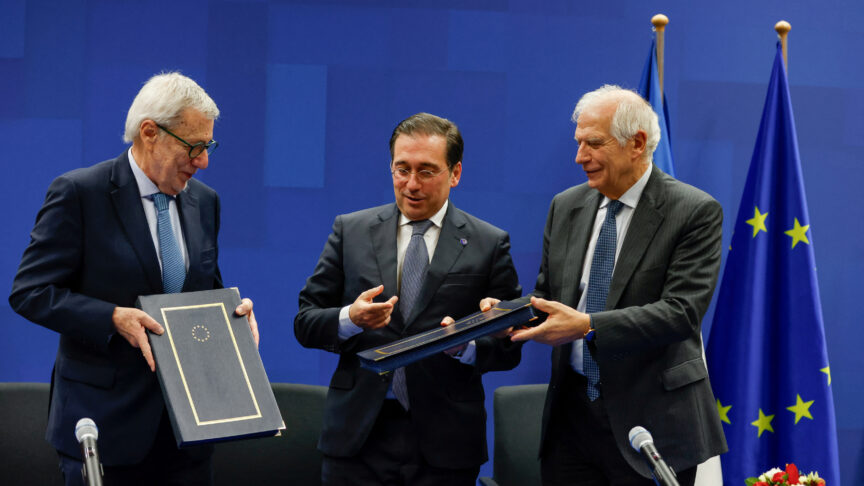
The EU’s and Chile’s enhanced association agreement will strengthen Europeans’ place in the “à la carte” world. The bloc should continue to tackle its dependencies and build mutually beneficial relations with countries across the globe
Strategic autonomy is a defensive strategy that sends the wrong message to the world. The EU should instead accept that interdependencies are not only inevitable but desirable, and cultivate them with its allies and partners
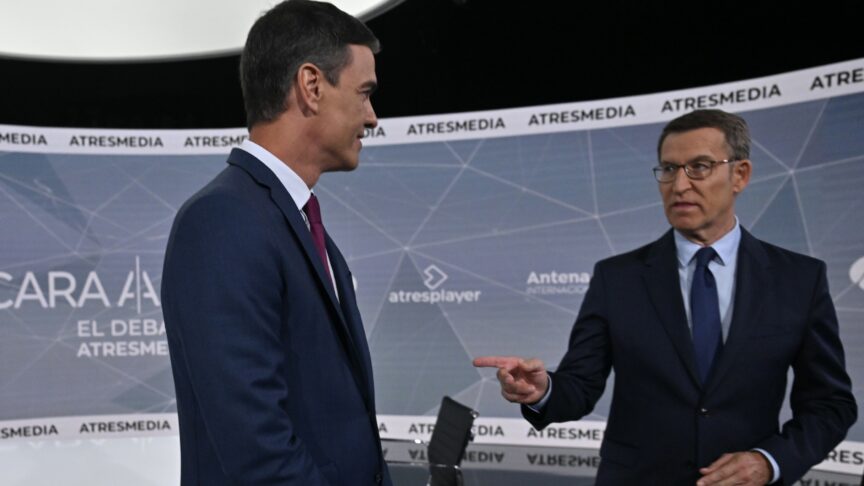
While Spain’s People’s Party leads the polls, obscure alliances and voter concerns leave the country’s future direction – and its impact on next year’s European Parliament elections – uncertain
If the Global Gateway is to compete with the Belt and Road Initiative, it must go big, green, digital, and ethical. And it can prove it in Latin America

The war in Ukraine has reinforced the strategic role of global tech giants in defence and security policy. NATO and the EU should learn from this as they try to deter future aggressors

ChatGPT seems set to shake up the technology industry, but its implications for geopolitics are less clear. We asked ChatGPT what these might be
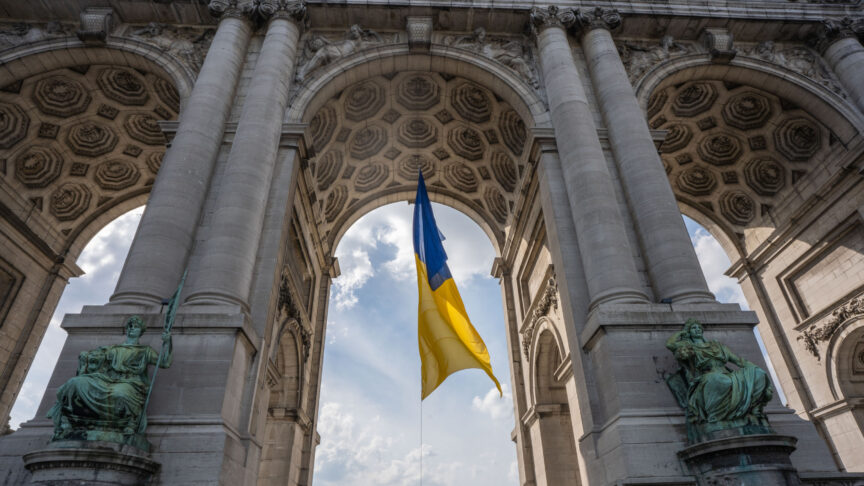
A new compact could allow Ukraine, Balkans states and others to move closer to the EU and drive reform more powerfully than the current rigid rules
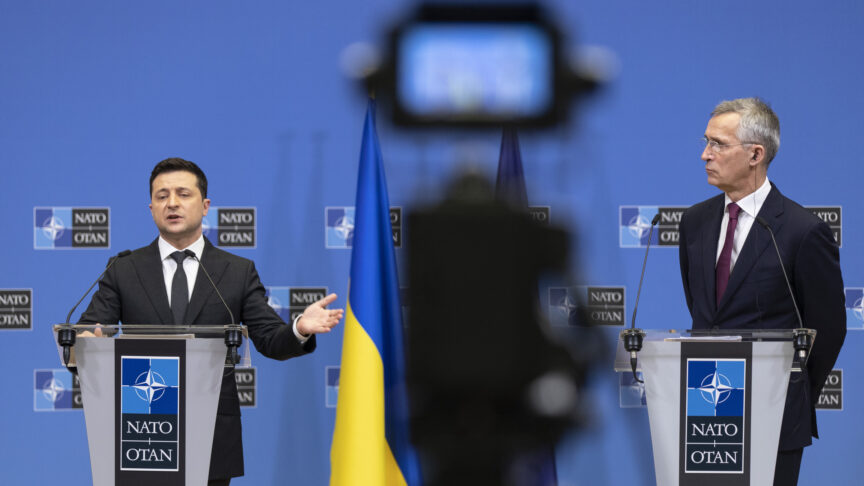
The new European security order should be based on Ukraine’s security, not Russia’s. This will require Ukraine to join NATO and the EU
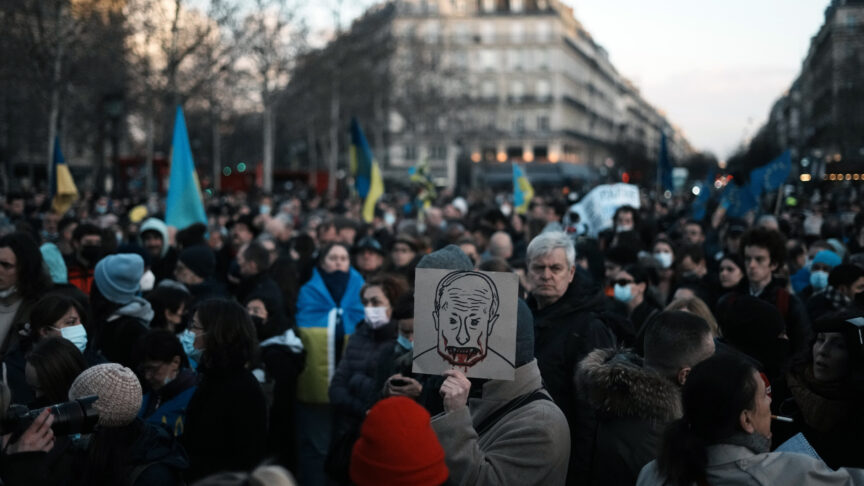
The conflict in Ukraine will change Europe forever. Experts from across ECFR’s network of offices describe the view of the war from Berlin, London, Madrid, Paris, Rome, Sofia, and Warsaw
In this new episode, Vessela Tcherneva welcomes head of ECFR offices to discuss national implications of the EU elections
Mark Leonard welcomes Célia Belin, Piotr Buras, Jana Puglierin, Maria Simeonova, José Ignacio Torreblanca, and Arturo Varvelli to discuss the European Parliament elections and the future of European politics
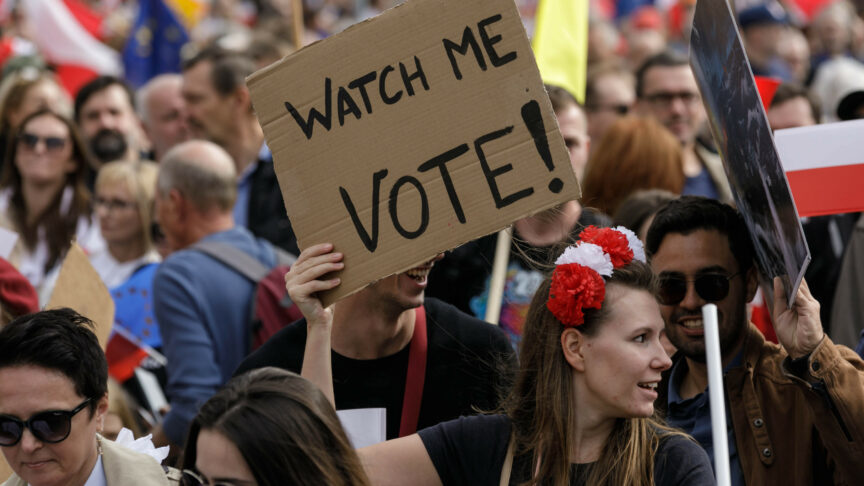
Mark Leonard welcomes José Ignacio Torreblanca and Piotr Buras to discuss recent developments in Spanish and Polish politics and their impact on Europe
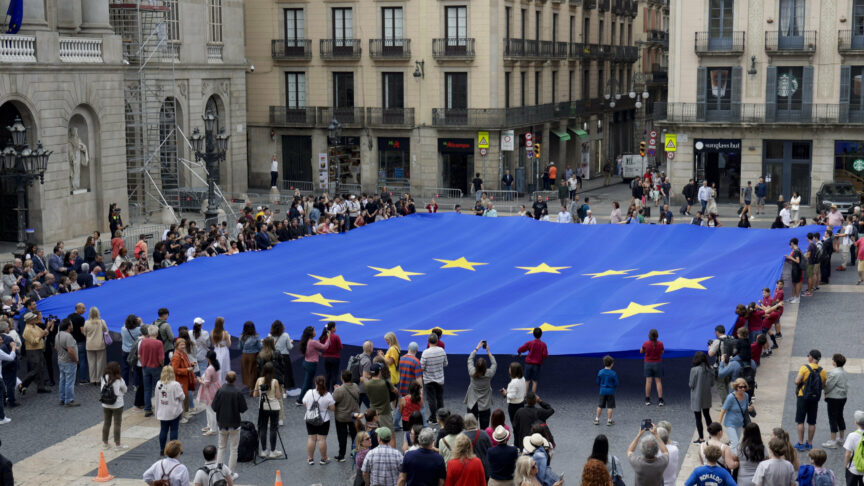
Mark Leonard welcomes the heads of ECFR’s national offices to discuss key players outside the traditional halls of European power
The EU is often described as a “regulatory superpower” benefitting from the so-called “Brussels effect.” But is the bloc also able to set its own rules and standards when it comes to new technologies?

What is the Western Sahara conflict is all about, and how will the most recent developments between Morocco and Spain influence this conflict?
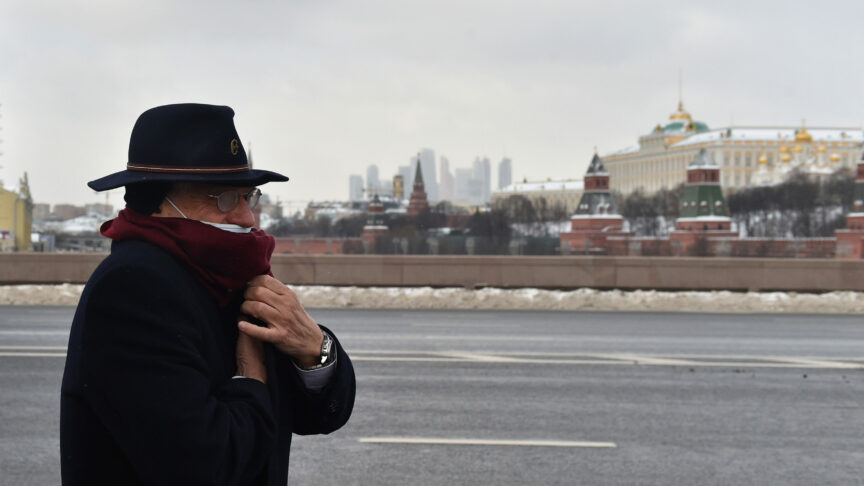
What lessons can be drawn from Josep Borrell’s controversial visit to Moscow?
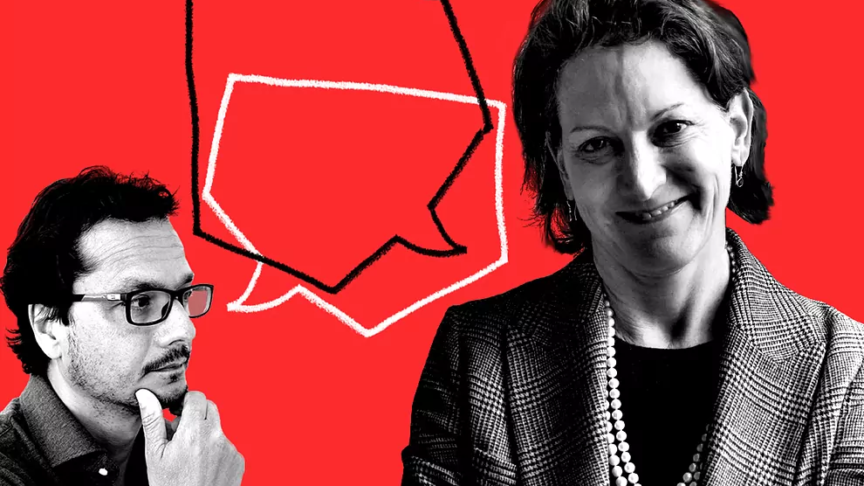
Head of ECFR’s Madrid Office, Jose Ignacio Torreblanca talks to the American historian, a Pulitzer Prize winner for Gulag, and expert on authoritarian populism about…
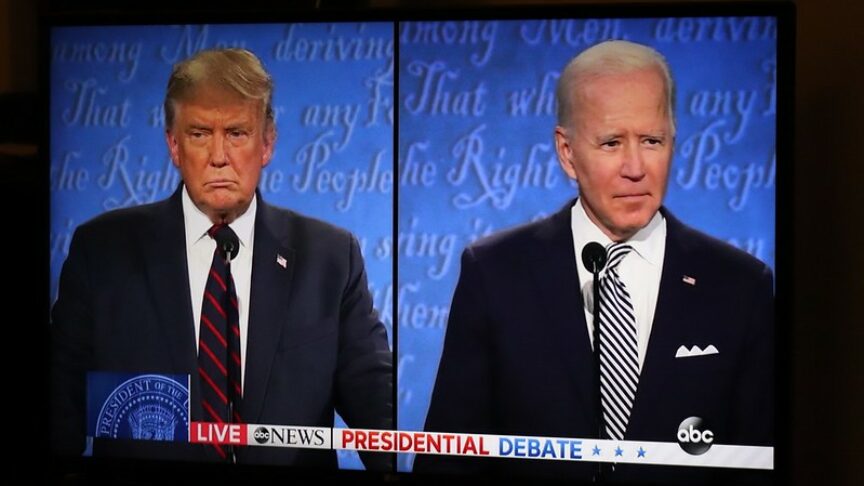
How much impact does the future US president have on the very concept of European sovereignty? Will the idea and initiatives to build more strategic autonomy in Europe be put back to bed with Joe Biden in the White House?
Europe’s digital transformation and sovereignty has become a question of existential importance. But what does it actually mean to be digital sovereign? Host Mark Leonard…
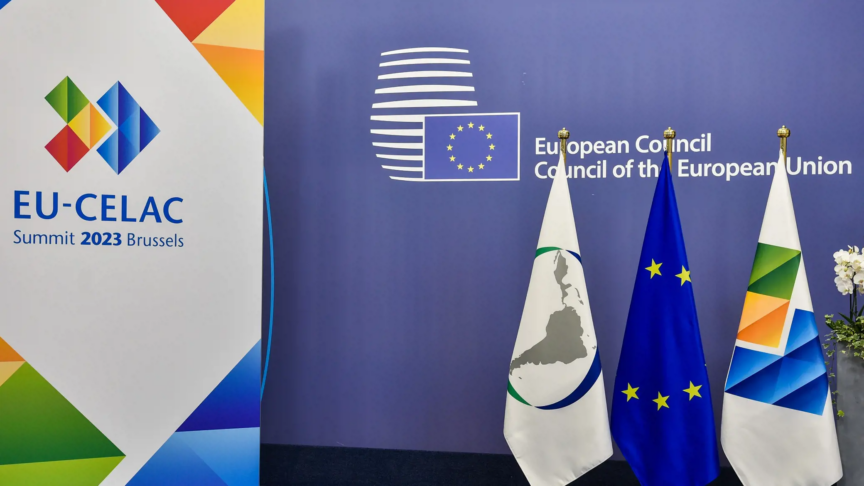
El 20 de julio ECFR celebró una reunión virtual a puerta cerrada para intercambiar perspectivas sobre los resultados alcanzados en la Cumbre UE-CELAC del 17-18 julio y la posterior hoja de ruta durante la Presidencia española del Consejo de la UE
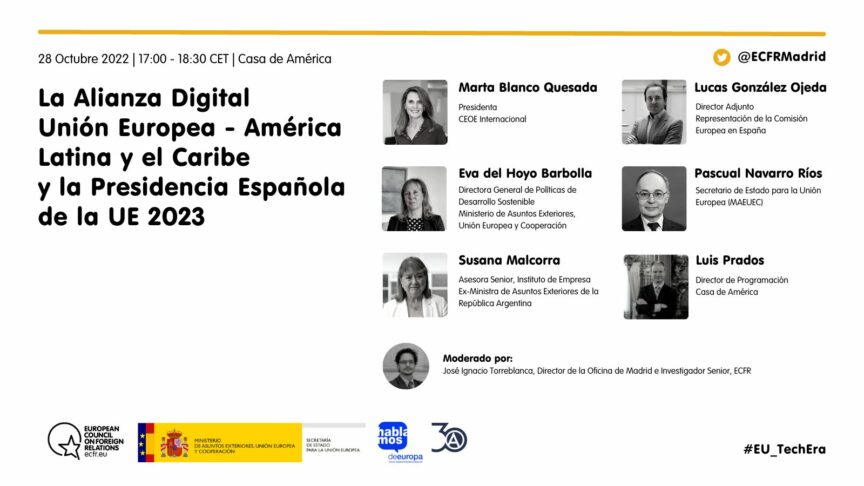
En su reunión (virtual) del 2 de diciembre de 2021, los jefes de Estado y de Gobierno de la UE y América Latina y el Caribe…
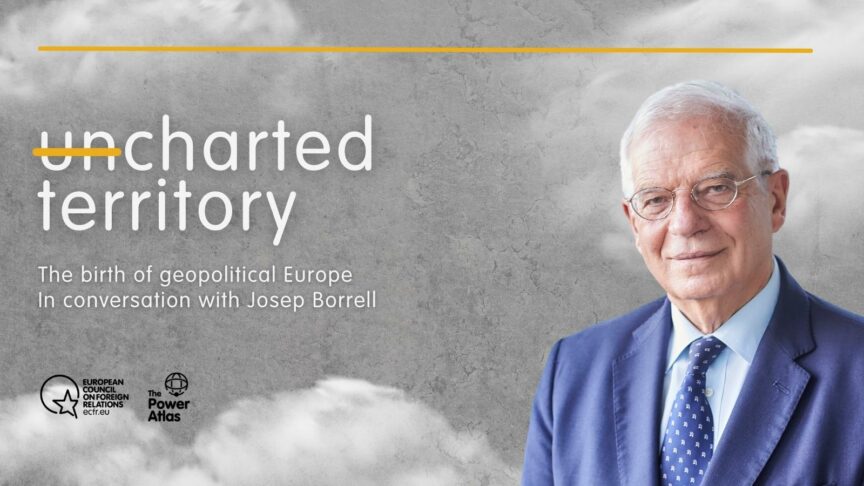
With the EU’s High Representative as our honoured guest, the panel will explore the birth of a geopolitical Europe and the new dimensions of European power with a focus on the tech, economic, and security terrains
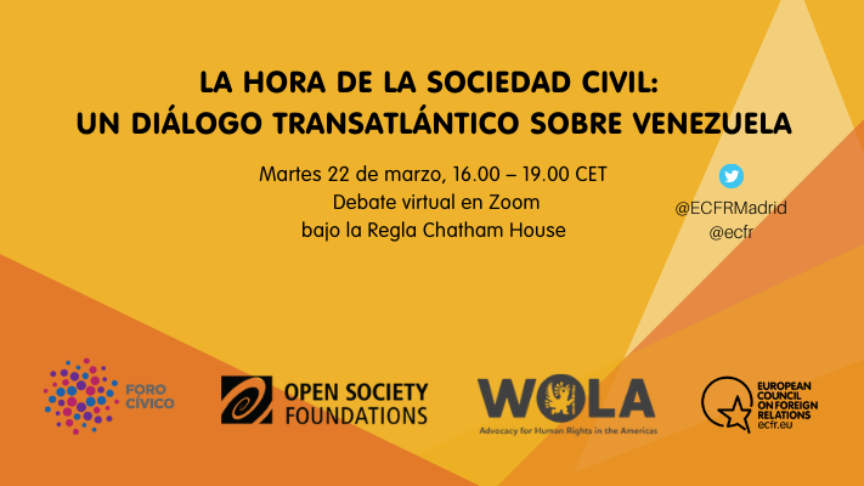
Este debate fue una iniciativa del Foro Cívico, de la Oficina en Washington para Asuntos Latinoamericanos (WOLA), el Open Society Foundations (OSF) y el European…
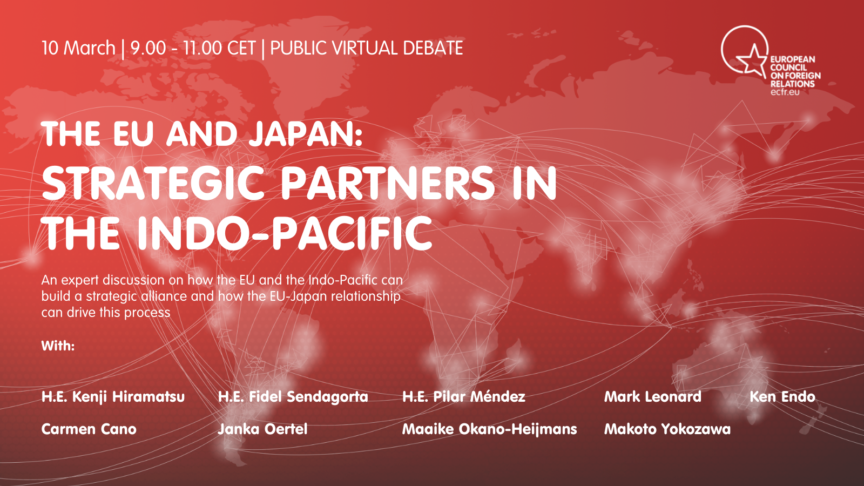
In collaboration with the Embassy of Japan in Madrid, ECFR has organised a public virtual debate to explore how the EU and the Indo-Pacific can build a strategic alliance and how the EU-Japan relationship can drive this process
Esta es la primera reunión de nuestra iniciativa en ECFR diseñada para acompañar a las negociaciones oficiales del Consejo de Comercio y Tecnología (TTC) entre…
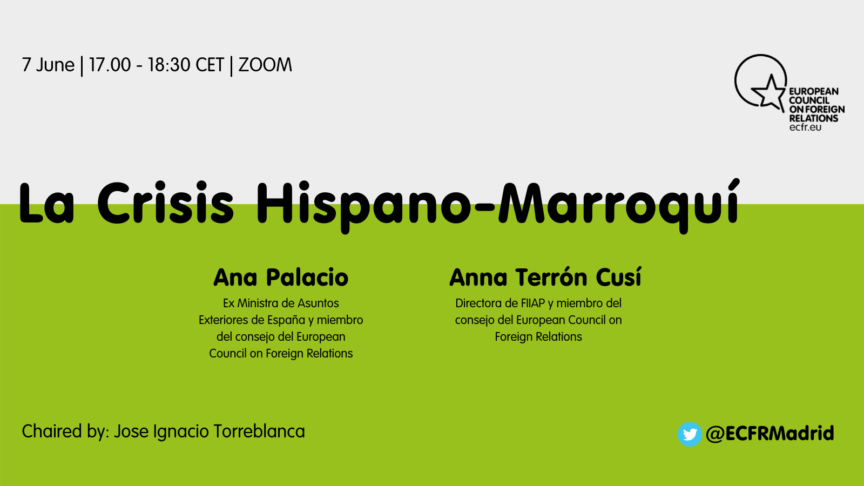
Con motivo de la escalada de tensión en las relaciones bilaterales entre España y Marruecos, y ante la previsible duración de la presente crisis, ECFR…
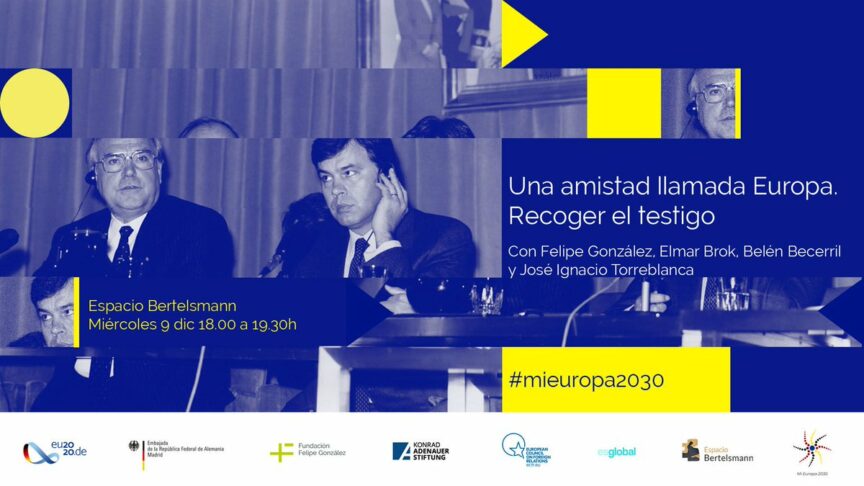
No hay aspiraciones colectivas sin inspiración, ni futuro sin memoria. Seguir construyendo Europa sobre relaciones de confianza es hoy más necesario que nunca
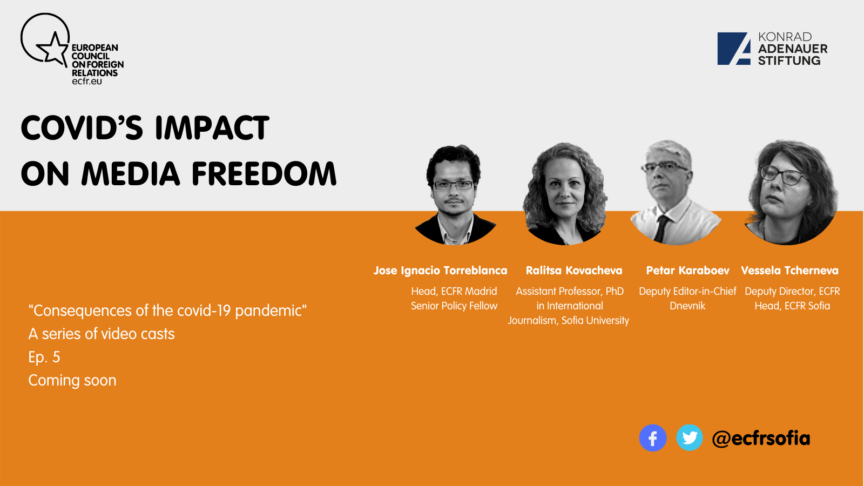
José Ignacio Torreblanca on the escalating tensions between Spain and Argentina
This is the most difficult enlargement in history because we do not know when the war in Ukraine will end or under what conditions, so there are doubts about which parts of their territory would enter
José Ignacio Torreblanca analyses the EU enlargement process
Strategic autonomy is a concept that divides Europeans between ourselves
José Ignacio Torreblanca comments on the varying interpretations of strategic autonomy by European countries
For many EU smaller countries, strategic autonomy is a term that promotes French or German interests
José Ignacio Torreblanca explains the different European approaches on strategic autonomy
The debate in Europe is what might happen if Trump is re-elected and, therefore, there will be a very deep discussion about the need to increase defence spending and strengthen defence policy
José Ignacio Torreblanca explains what would happen if Trump wins the US elections regarding the war in Ukraine and EU Defence policies