
The coronavirus in Eastern Europe: Avoiding another Chernobyl
Eastern Europe has so far not seen an outbreak of the coronavirus as severe as that in the west of the continent. But the situation…


Policy Fellow
Euro-Atlantic security, Ukraine, the Arctic
Polish, English, French, German, Russian, basic Ukrainian
Joanna Hosa is a policy fellow with the Wider Europe programme at the European Council on Foreign Relations. Before moving to Montreal, she worked as the deputy director of the programme.
Her main areas of interest currently include security, conflict resolution, the Arctic, Russian foreign policy, and Ukrainian foreign policy.
Prior to joining ECFR, Joanna worked on democratisation, conflict prevention, human rights, and peacebuilding policies for EU institutions, think-tanks, and civil society organisations in Brussels and Paris. She held a range of positions at the European Commission, the European Union Institute for Security Studies, the Open Society European Policy Institute, the European Peacebuilding Liaison Office, and the International Federation on Human Rights. She is a graduate of the University of Edinburgh and the College of Europe.
Eastern Europe has so far not seen an outbreak of the coronavirus as severe as that in the west of the continent. But the situation…
The US president's impeachment process ensures Ukraine stays on the radar of Americans – and this may work to Ukraine's advantage
Introduction Volodymyrska Hill, Kyiv, on a June evening in 2019. Kyivans and tourists stroll along the riverside park’s newly relaid paths, many wending their way…
Zelensky's visit to Turkey signals the growing importance of Turkish-Ukrainian relations
Trust is a scarce resource in Ukrainian politics. Could a TV president be the one to deliver it in the upcoming elections?
The murder of the mayor of Gdansk is an urgent reminder of the need to overcome violence and divisions in our society
Russia has already – literally – staked its claim to vast tracts of the Arctic, and now China is looking northward too. Can other countries catch up when they are already so far behind?
Our experts pick out four main topics to pay attention to ahead of the NATO Summit in Brussels
Condemnation and a few more EU aid payments will not fix Poland’s resurgent xenophobia
As rifts appear in the ruling camp, the turmoil in Poland is far from over
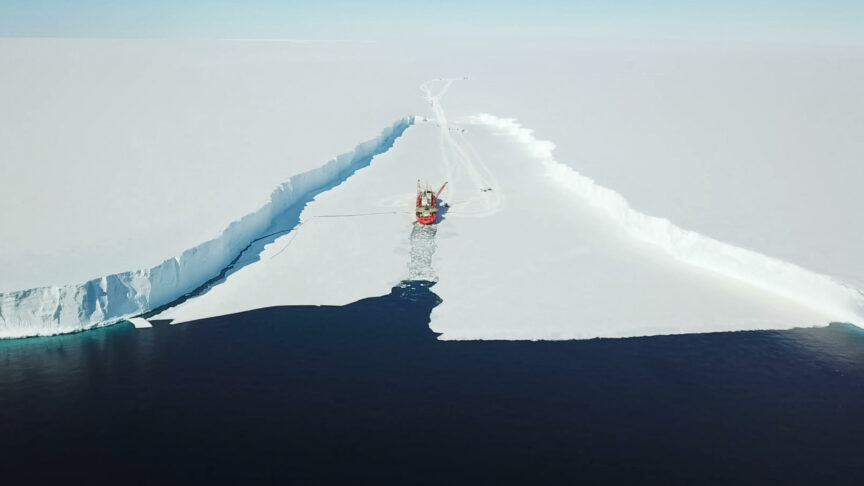
As Russia’s war on Ukraine highlights the Arctic’s geostrategic importance and disrupts its governance formats, European governments need to prioritise cooperation with each other and with the region’s indigenous peoples
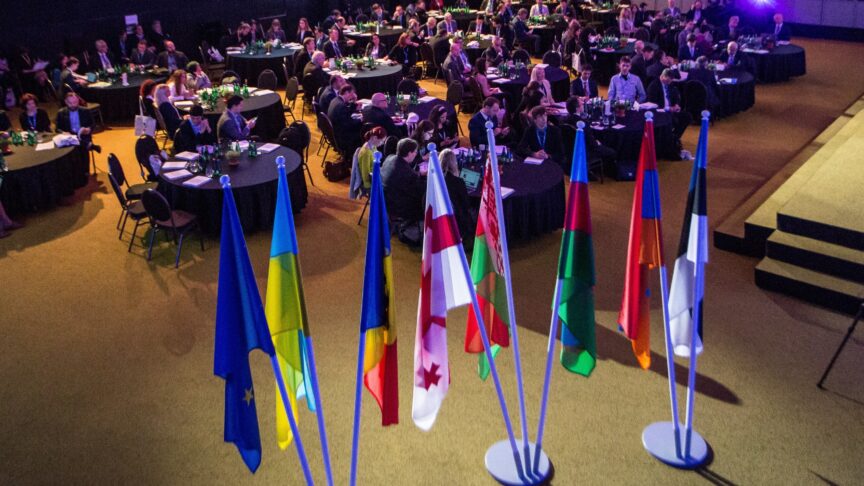
Young diplomats in Eastern Partnership countries are optimistic and pro-European. Many of them want the EU to become a bolder geopolitical actor
Introduction Volodymyrska Hill, Kyiv, on a June evening in 2019. Kyivans and tourists stroll along the riverside park’s newly relaid paths, many wending their way…
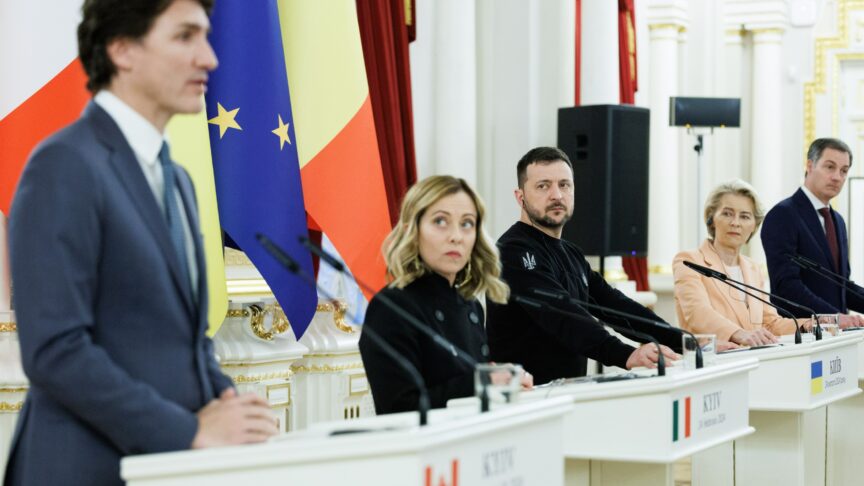
Canada’s support for Ukraine is becoming intertwined with domestic political competition, raising questions about the steadfastness of one of Kyiv’s main supporters
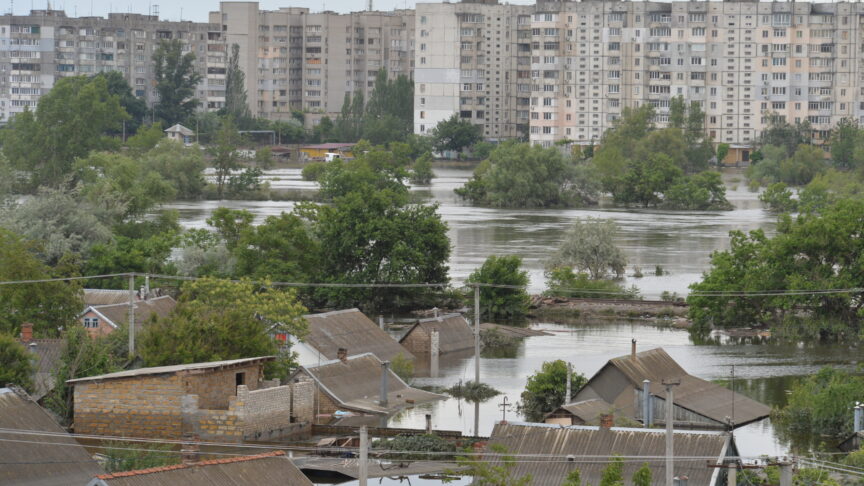
For many decades, proponents have failed to secure the adoption of ecocide as a crime. The circumstances of Russia’s war on Ukraine create momentum for a breakthrough
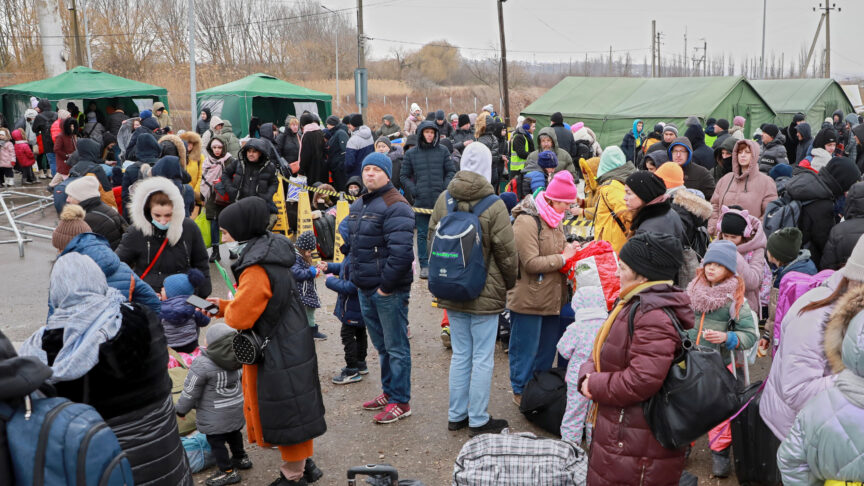
To counter Russian disinformation and take on populist parties, European politicians should do more to shape the debate around Ukrainian refugees in Europe
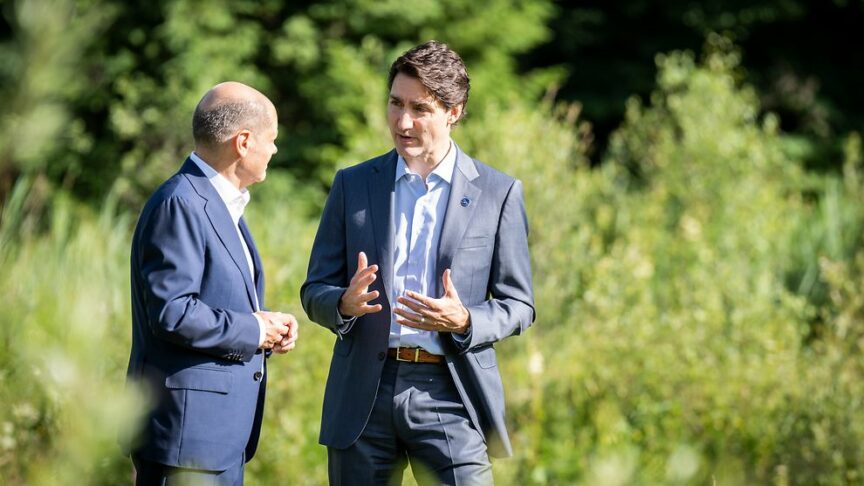
Germany’s new energy partnership with Canada faces a range of technical and political challenges. But sticking with it could bring major benefits for both sides
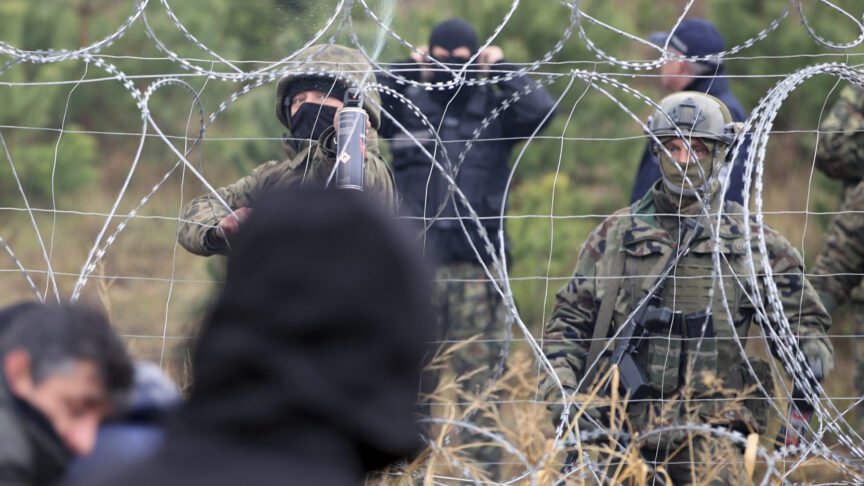
The EU should show the Lukashenka regime that it will no longer tolerate the weaponisation of migration. As with any form of blackmail, it would be senseless and dangerous to make concessions – because the aggressor will only demand more

The Scottish government is developing a foreign policy, and its Arctic vision is one of its most ambitious efforts yet. Should independence come, close friends in the north could be a vital support
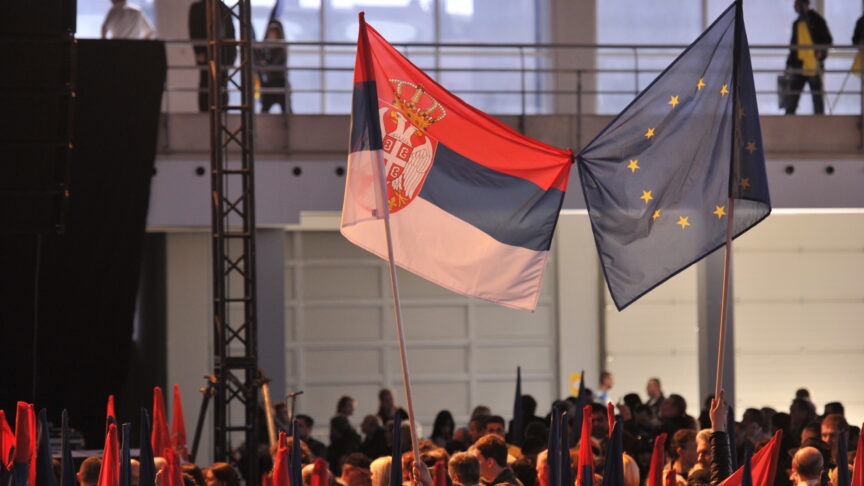
Public attitudes in Ukraine and Serbia raise pressing questions about EU enlargement. If member states are to sustain this process, they will need to base it on a shared sense of belonging
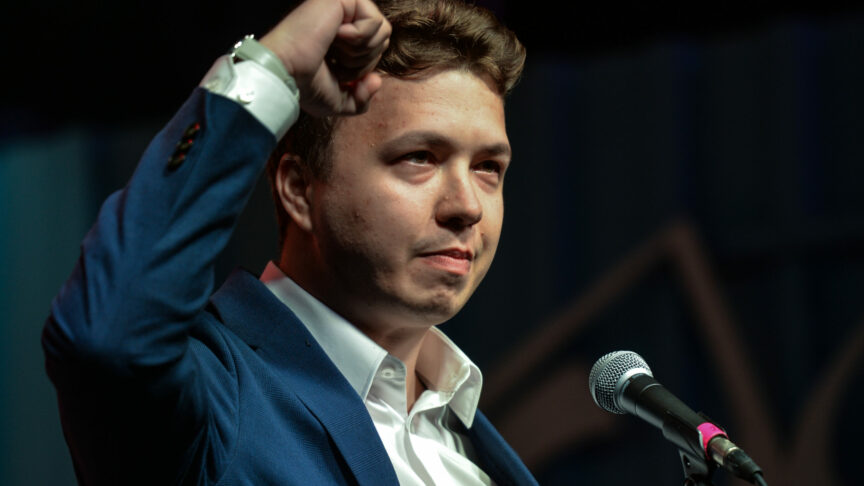
Belarus will continue to cause problems on the EU’s doorstep – so it is now time for a firmer, longer-term approach

A new EUROVAX scheme should be at the heart of the EU’s new offer to help its neighbours tackle covid-19 in the years ahead
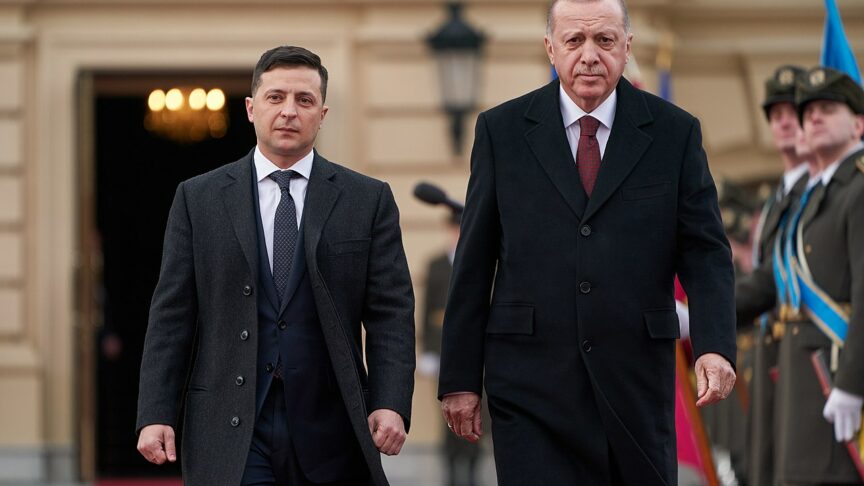
As the Turkish president continues his delicate balancing act between the US and Russia, the crisis in Ukraine presents new opportunities for Ankara’s transatlantic credentials
What can and should the EU do to support Ukrainian sovereignty?
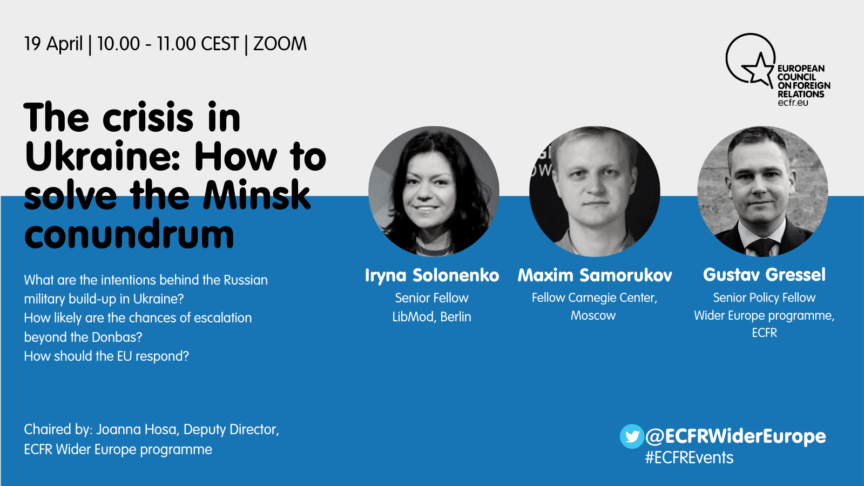
What are the intentions behind the military build-up? How likely are the chances of escalation beyond the Donbas? How should the EU respond?
Russia [is] seen much more strongly as a close ally of the country than the EU, as a study by the European Council on Foreign Relations from last year shows
DW refers to ECFR survey results on Serbia and Russia
Joanna Hosa takes part in Al Jazeera’s ‘The Take’ podcast to talk about the standoff at the Belarus border
For him, this is about vengeance and is a matter of regime survival – meaning that he is ready to escalate further, and to seek Russia’s backing in the process
The Guardian quotes from ECFR’s latest commentary on the Polish-Belarus border crisis,
If Poland is to cooperate with the EU on this, these two issues have to be disassociated as much as possible
The EU should have to convince Poland that the migration crisis in Belarus won’t be linked to the rule-of-law fight, thinks Joanna Hosa
These countries aren’t comfortable with the methods that Poland is using to repel the migrants, but criticism remains muted, because the methods are effective
That unity is probably, in part, a reflection that the Polish tactics are working, believes Joanna Hosa