
Window of opportunity closes on Cyprus reunification
The failure of Cyprus talks leaves Turkey’s formal accession process with the EU hanging by a thread


Associate Senior Policy Fellow
Turkey and Turkish politics; the Kurdish issue (in Turkey and Iraq); democracy; media freedom
English, Turkish, conversational French
Asli Aydıntaşbaş is an associate senior policy fellow at the European Council on Foreign Relation. Her topics of focus include Turkish foreign policy and external ramifications of its domestic politics.
She joined ECFR after a lengthy career in journalism; most recently she was a columnist at Milliyet (2009-2015) and previously a commentator on regional issues in international publications and networks. Aydintasbas’ columns not only delve into issues in Turkish foreign policy vis a vis the Middle East, but also probe issues of freedom and democratization in Turkey. She has written on these issues for publications such as the International Herald Tribune, The Wall Street Journal, the New York Times, Forbes, Politico, and Newsweek.
Aydıntaşbaş hosted the popular daily television programme Karşı Gündem on CNN Türk from 2013 to 2014. Prior to joining Milliyet, she served as a Washington correspondent and later the Ankara bureau chief for Sabah, one of Turkey’s leading newspapers. She covered the Clinton Administration, the United Nations, the Bush Administration, and the Iraq War in 1997-2004 as a Washington and New York correspondent for NTV and Radikal.
Aydıntaşbaş is a graduate of Bates College, where she was the recipient of Maung Maung Gyi Award for Excellence in International Relations and holds a MA in Journalism and Middle East Studies from New York University.
She is based in Istanbul but travels regularly throughout the Middle East and Europe.
The failure of Cyprus talks leaves Turkey’s formal accession process with the EU hanging by a thread
In the federal election year, Germans are ready to give new European solutions a strong boost and take more risks
The thin margin of victory presents numerous problems for Erdogan and suggests that all is not yet lost for Turkish democracy
A “Yes” vote could pave the way for a one-man regime and accelerate Turkey’s drift from Europe
ECFR’s director Mark Leonard speaks with ECFR's senior fellows, Asli Aydintasbas and Almut Moeller on the German-Turkish diplomatic spat, the forthcoming polls and the bigger…
ECFR’s director Mark Leonard discusses with Vessela Tcherneva, Head of ECFR Sofia office, and Aslı Aydıntaşbaş & Kadri Liik, ECFR Senior Policy Fellows, how US…
Instead of ratcheting up tensions, the murder of Karlov seems to have brought Ankara and Moscow closer than ever
Because Germany has deeper roots than any other European nation in Turkish society, it is also the country that is bearing the brunt of Turkey’s domestic problems
European leaders should think twice before severing ties with Turkey
Despite the vote in the European Parliament to “freeze” Turkey’s EU accession talks, there is still a chance to save the troubled EU-Turkey relationship
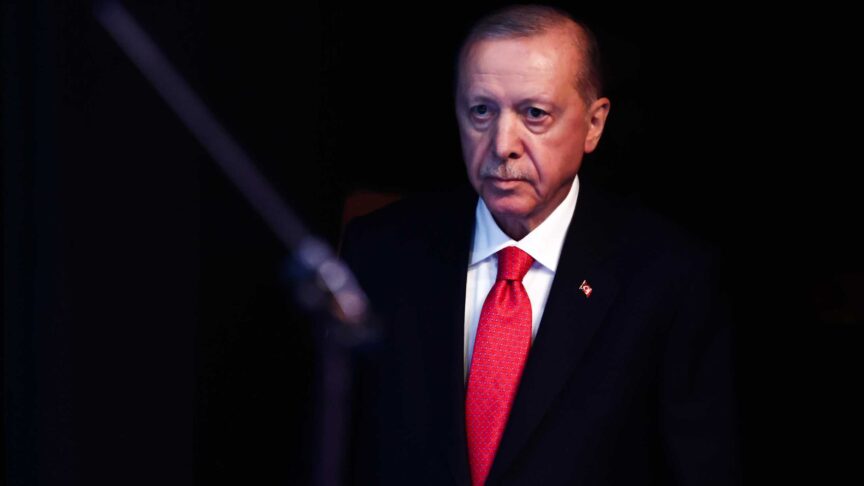
Turkey is neither drifting away from the West nor is it coming home. It has become an embedded outsider: a middle power that has learned to build strategic autonomy from inside the Western system rather than by leaving it

After years of bickering, Europe and Turkey need each other more than ever. A security partnership in the Black Sea could be the first step toward a pragmatic, if uneasy, alliance to contain Russia
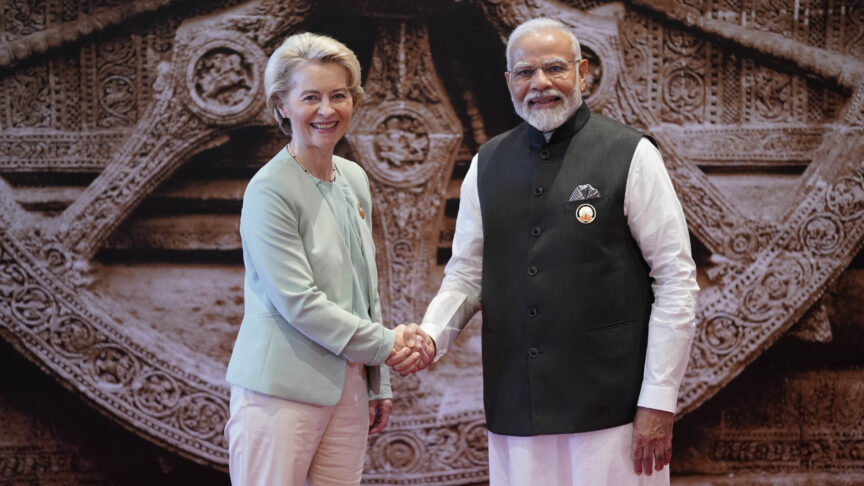
Middle powers are shaping a fragmented world for which Europe is ill prepared. To protect its interests and values, the EU needs a foreign policy strategy that emphasises its wide range of interdependencies
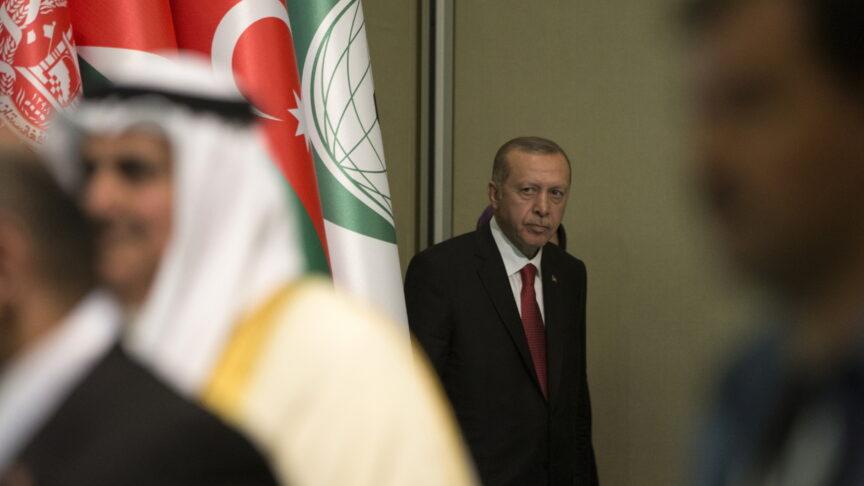
Ankara is trying to normalise its relationships with Middle Eastern governments. The EU needs to adjust to the new Turkey that is emerging from this process

After decades of tension, Turkey and Armenia now feel it is in their interest to normalise their relationship – not least to promote trade and to balance against Russian influence
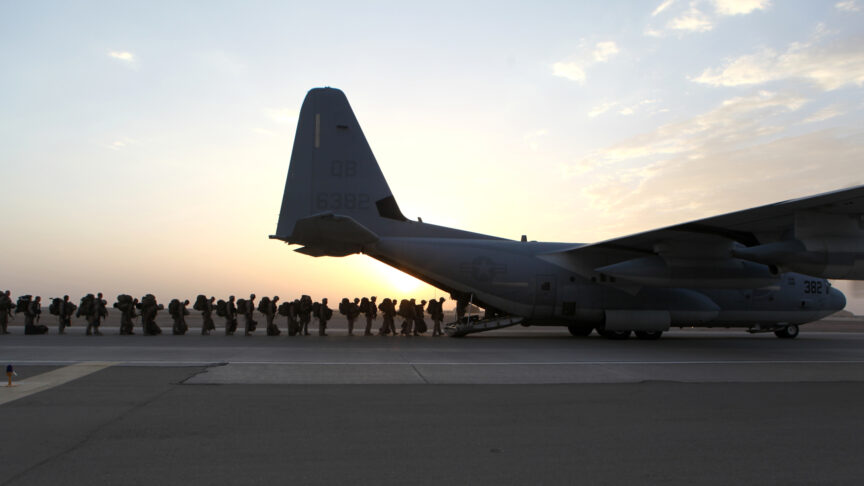
ECFR’s policy experts examine what the Taliban takeover means for countries and regions around the world: Europe, the US, the Middle East, Russia, China, Iran, Turkey, and the Sahel
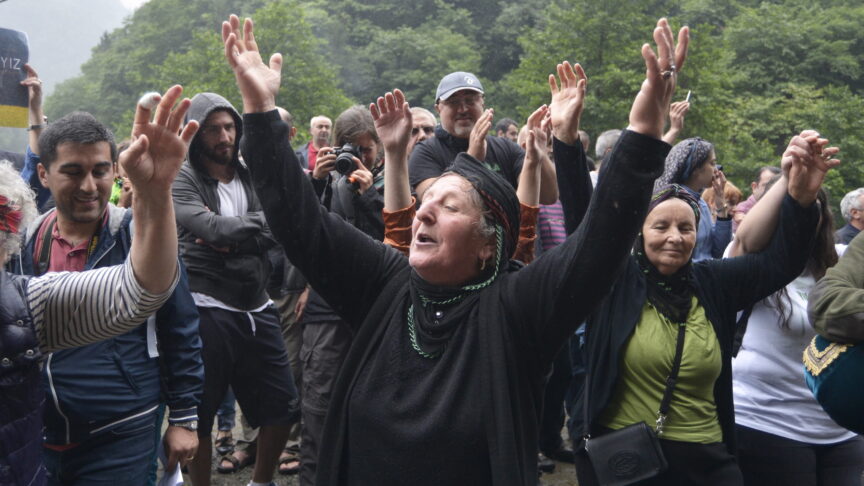
EU member states should help Turkey manage the impact of the new trade regulations the deal would bring in
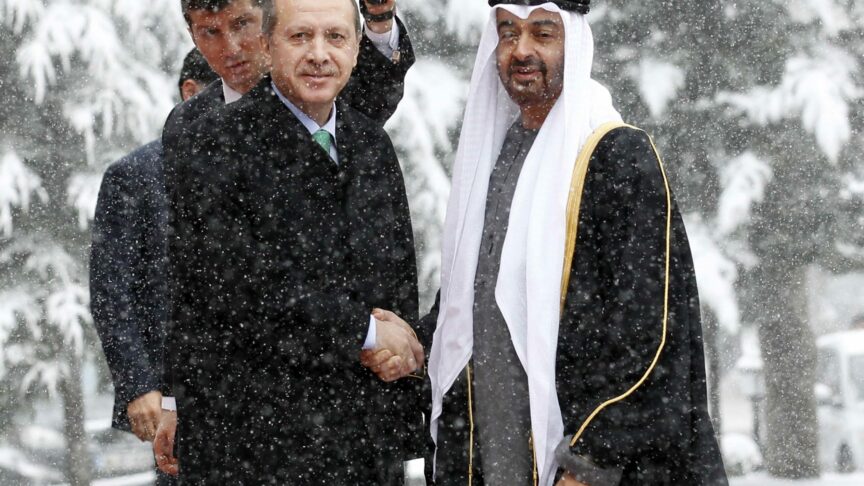
Instead of using the UAE to push back against Turkey or vice versa, Europe should develop its own strategy on their rivalry
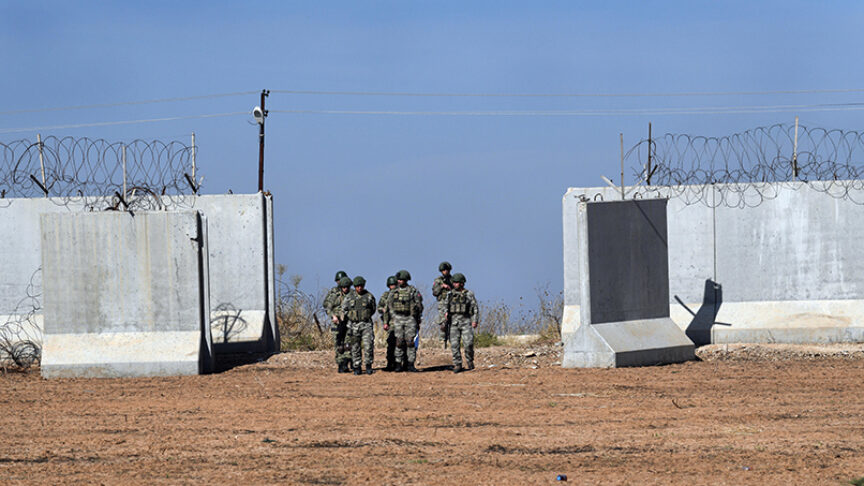
EU member states can find ways to cooperate with Turkey to support stabilisation in parts of the safe zone, without violating their interests and core principle

Introduction In October 2017, the president of Turkey, Recep Tayyip Erdogan, made an official visit to Serbia. It was not the first time a…

US and Israeli strikes on Iran have plunged the Middle East into wider war. Retaliation, regional entanglements and disrupted trade make one outcome clear: no side will achieve an easy victory
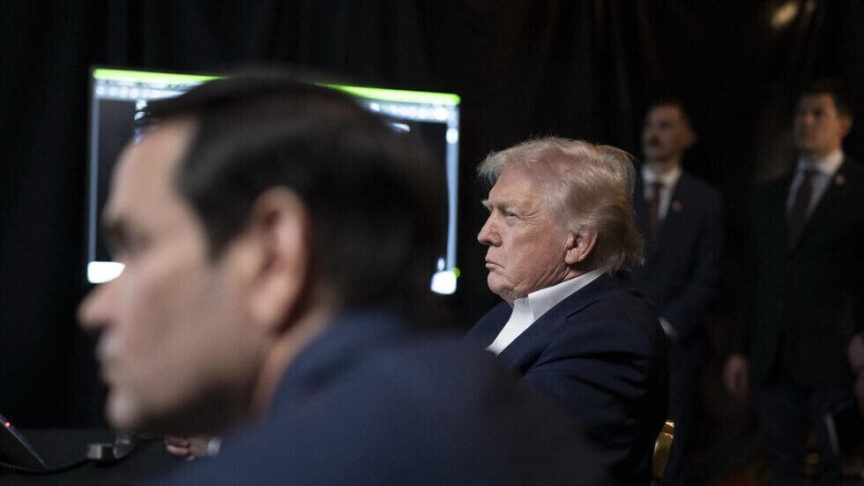
The American capture of Maduro is a signal event in world geopolitics. Europeans must confront three immediate dilemmas

The 12-day war between Israel and Iran could have serious implications across the Middle East, not least by exacerbating ongoing tensions between Turkey and Israel. Europeans need to reassure Ankara that they are focused on regional stability—and take Turkey’s defence concerns seriously

Turkey didn’t orchestrate Assad’s fall, but it’s certainly cashing in on the aftermath. Now, it wants to mould Syria in its own image—if it can keep the Kurds from spoiling the party
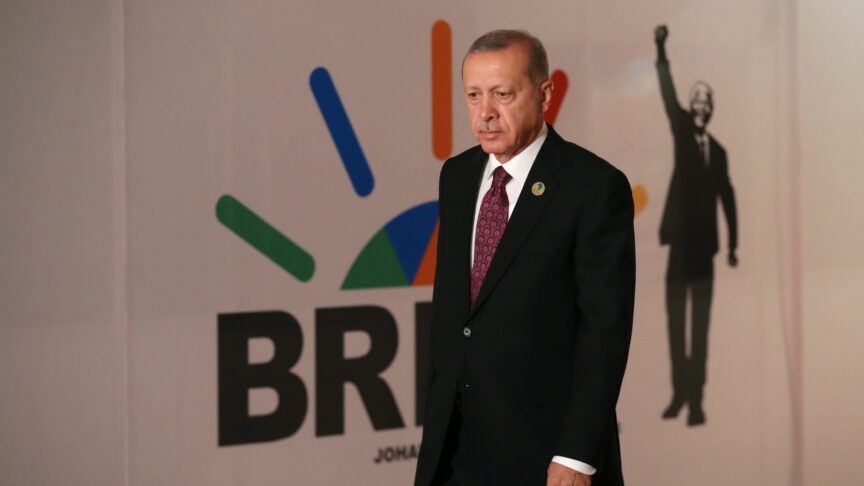
Recep Tayyip Erdogan has announced Turkey’s intention to apply for BRICS membership. If successful, it would be the bloc’s only NATO member – but the mere prospect of joining could open the door to Turkey’s re-engagement with the West
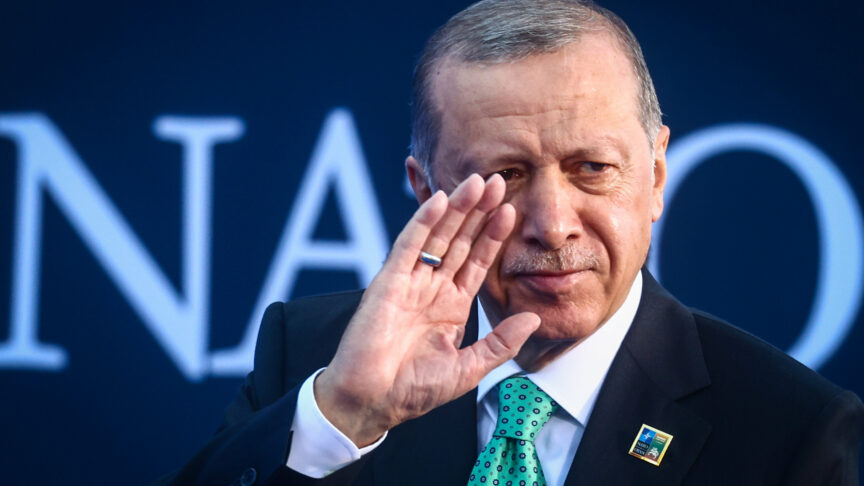
Turkey’s backing of Hamas has left it out of diplomatic processes and further strained its ties with the US. However, its recent decision to approve Sweden’s NATO membership could be an opportunity for Western diplomats to patch things up
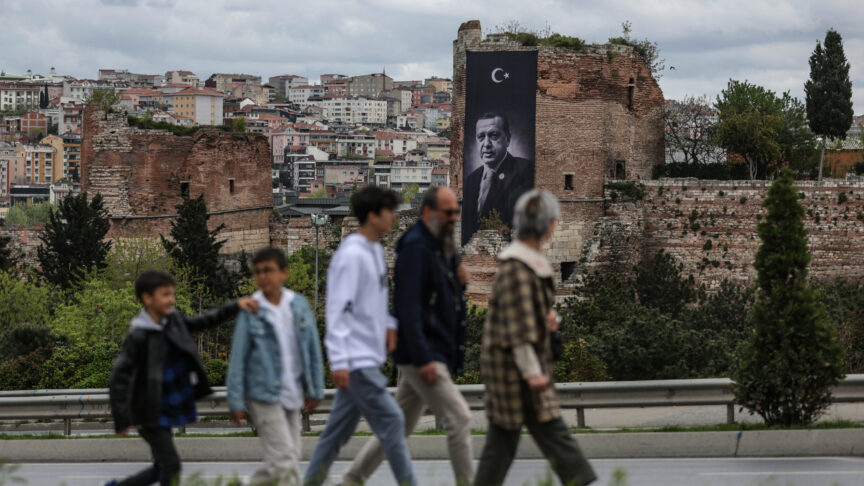
The US and the EU should refrain from making any interventions during Turkey’s election period – but they may need to respond quickly depending on the results of the vote
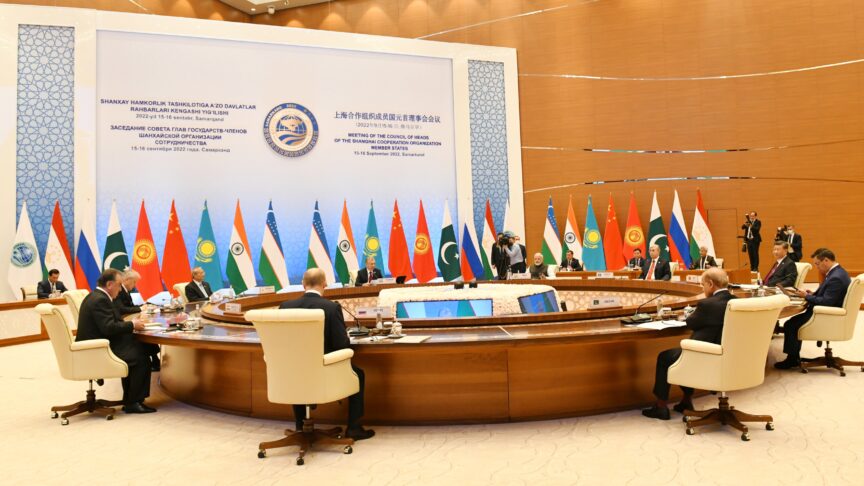
The SCO is often seen as the anti-NATO, but Putin will struggle to convince the other members – especially the Central Asian states – that his war is more important than Chinese investment
The Turkish president is unlikely to veto Nordic membership of NATO – but Turkey’s bigger strategic worry is of a NATO-Russia conflict arising out of the war in Ukraine
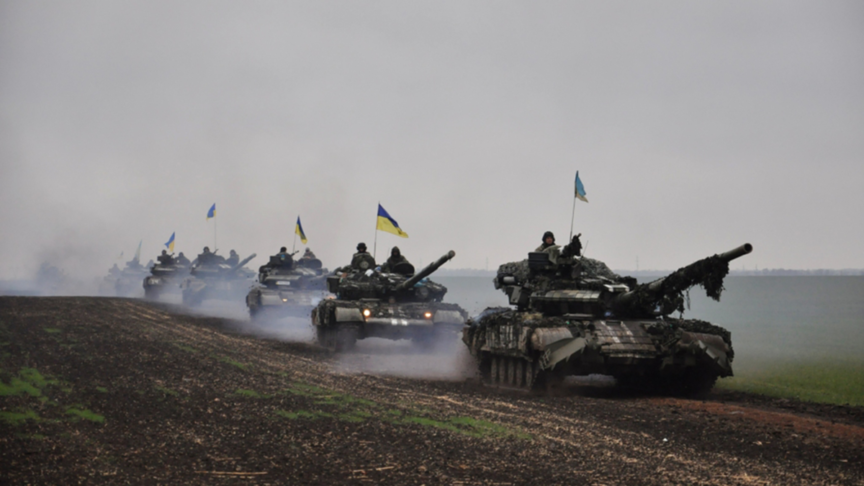
Heightened conflict in Ukraine could have serious consequences for European interests in the Middle East and North Africa. It could further disrupt energy supplies, exacerbate food insecurity, and help states in the region gain leverage over the US and Europe

The eastern Mediterranean is becoming ever more perilous as geopolitical fault lines steadily enmesh the region. These rifts emerge from the Cyprus ‘frozen conflict’, competition for valuable gas fields, and the increasingly entangled wars in Libya and Syria

Mark Leonard is joined by Aslı Aydıntaşbaş to explore the recent Iran-US ceasefire, regional conflicts, and implications for Europe and global security

In this episode of ECFR’s WOMENP podcast, Ellie Geranmayeh welcomes Aslı Aydıntaşbaş, associate senior policy follow at ECFR, Dina Esfandiary, Middle East geoeconomics…
Mark Leonard welcomes Aslı Aydıntaşbaş to unpack the recent political upheaval in Turkey and its broader geopolitical implications
In this bonus episode of Swamp Chronicles, Aslı Aydıntaşbaş and Jeremy Shapiro talk to Mark Leonard about the results of the US election
Mark Leonard welcomes Aslı Aydıntaşbaş and Jeremy Shapiro to discuss the results of the 2024 US election
Aslı Aydıntaşbaş and Jeremy Shapiro talk to Célia Belin and Majda Ruge about the US election and the various foreign policy tribes within the Democratic and Republican party
Aslı Aydıntaşbaş and Jeremy Shapiro talk to Fiona Hill about the future of transatlantic relations and the war in Ukraine after the election
Aslı Aydıntaşbaş and Jeremy Shapiro talk to Ed Luce to talk about what either a Kamala Harris or Donald Trump victory would mean for America, US foreign policy, and Europe
Aslı Aydıntaşbaş and Jeremy Shapiro welcome to Matt Duss to discuss American policy in the Middle East and the future of progressive foreign policy
Aslı Aydıntaşbaş and Jeremy Shapiro welcome Ken Weinstein to discuss why and how Trump’s negotiating tactics could strengthen the US foreign policy position, and help forge alliances against China
Turkey hosted this year’s NATO summit and fields the alliance’s second-largest army, arms Ukraine while trading with Russia, and remains an EU candidate whose accession talks collapsed years ago. Europeans keep asking whether Ankara can be anchored in the West or is drifting away. Both questions assume Turkey must eventually choose a home when…
The relatively short-lived flare-up between Azerbaijan and Armenia in the Nagorno-Karabakh conflict has ended in early November with a ceasefire brokered by Russia
Mario Krebs, Galip Dalay, Evren Balta and Asli Aydintasbas on Turkey-EU relations
Aslı Aydıntaşbaş on Türkiye’s access to F-35
Aslı Aydıntaşbaş on President Erdoğan’s gifts to NATO leaders at the summit in Ankara
Aslı Aydıntaşbaş on the atmosphere around the NATO summit in Ankara
Aslı Aydıntaşbaş on J.D. Vance’s support for Viktor Orbán