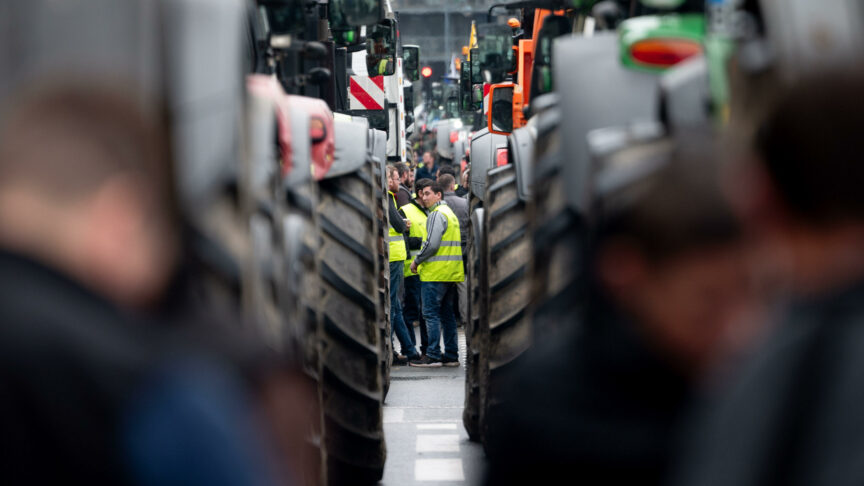
Agricultural tackles: Protesting farmers and the EU’s climate agenda
As farmers’ protests spread across the EU, European leaders will need political courage to implement the next phase of the European Green Deal

As farmers’ protests spread across the EU, European leaders will need political courage to implement the next phase of the European Green Deal
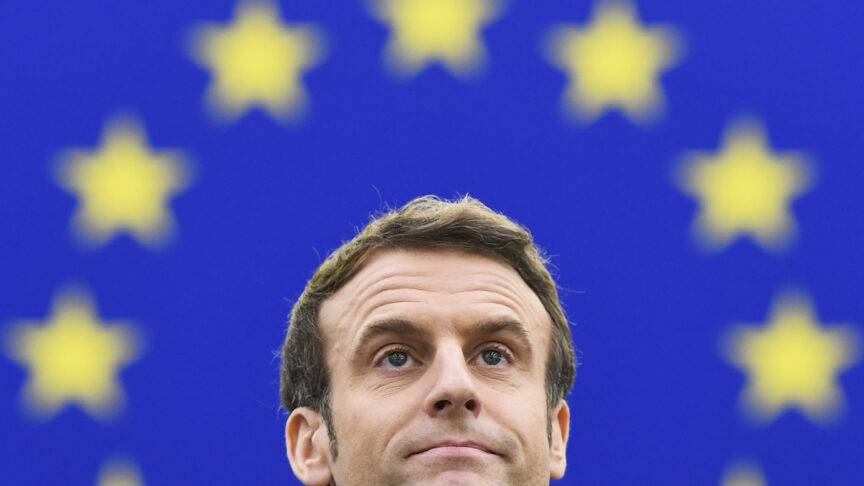
President Emmanuel Macron has set his strategy for this year’s European Parliament election. At its heart are pro-Europeanism, support for Ukraine – and an eye to shaping the leadership of EU institutions
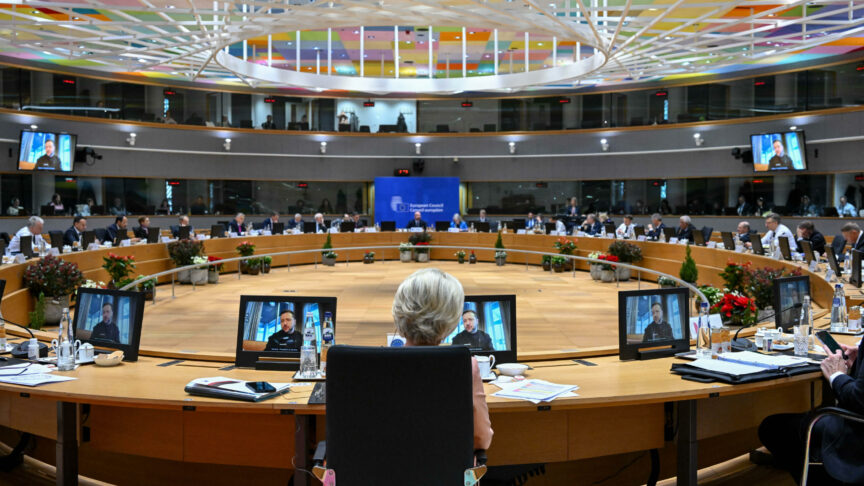
The Orban saga highlights the need for more effective decision-making within the EU – especially now that enlargement is firmly back on the agenda
Mark Leonard welcomes David Miliband to discuss this year’s most pressing crises
Secondo appuntamento di una serie di tre working lunch realizzati congiuntamente da ECFR Roma, SDA Bocconi e l’Institute for European Policymaking @ Bocconi University
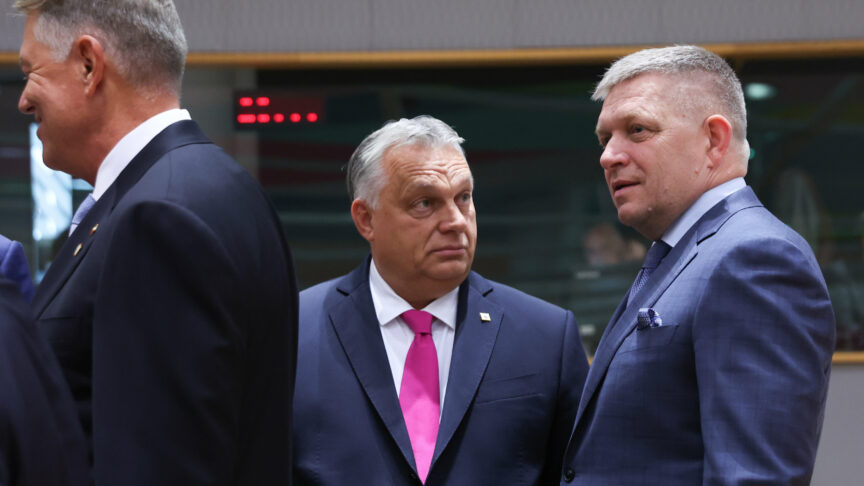
The new Slovak government seems a natural pro-Kremlin ally for Hungary. But there is still time for the EU, member states, and Ukraine to get Fico onside
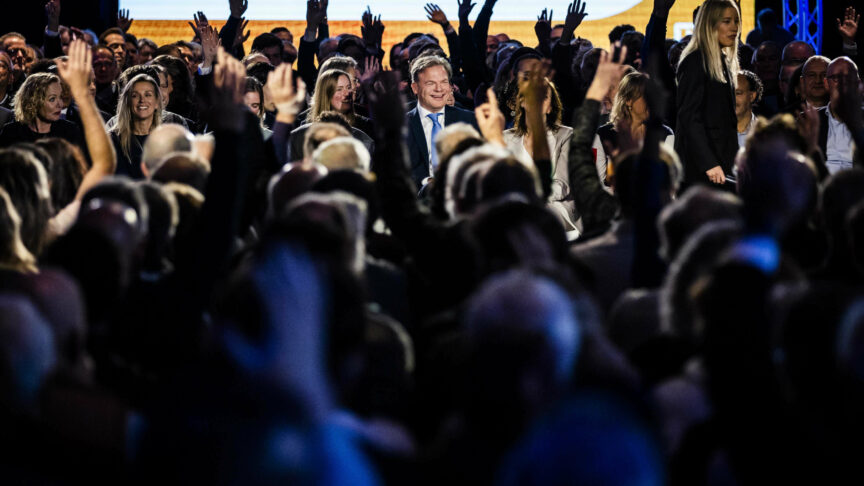
The next Dutch government will come to power amid a broad national consensus on several foreign policy topics. To capitalise on this opportunity, it will need to break with some of the traditional norms of Dutch European policy
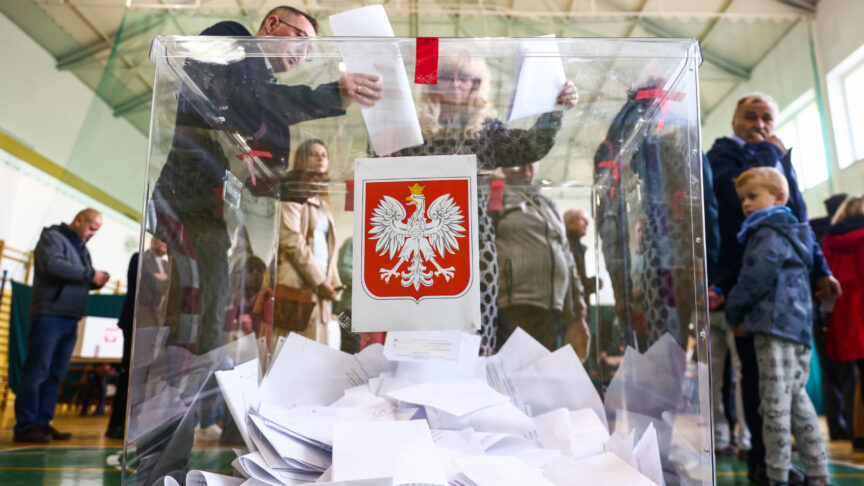
Poland is making its return to Europe – but Warsaw’s partners may still need to be a little patient yet
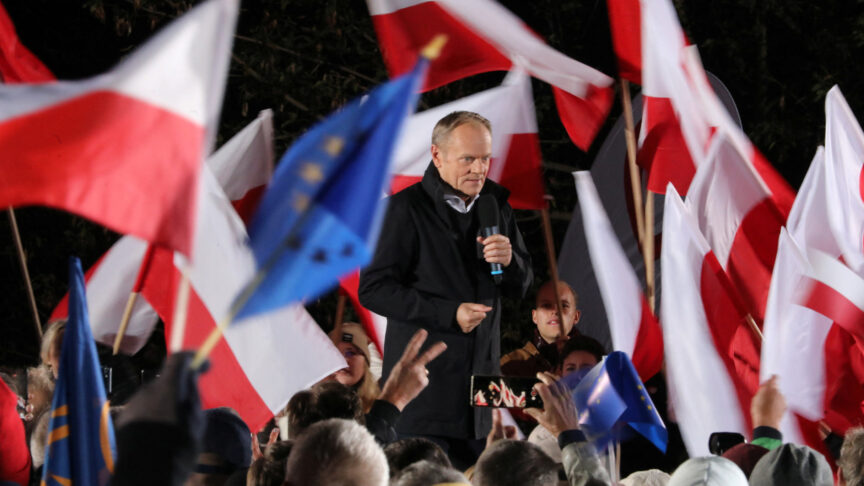
The 15 October election could lead to a historic experiment: if the opposition wins, it will launch an unprecedented attempt to overcome illiberalism
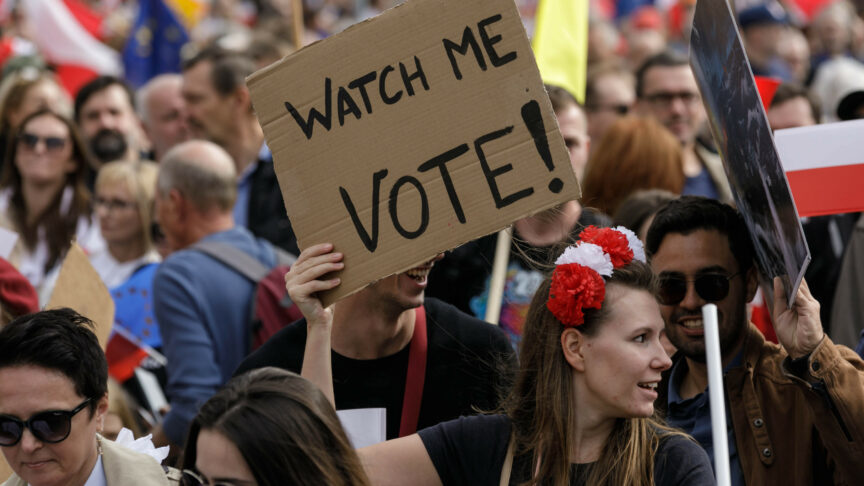
Mark Leonard welcomes José Ignacio Torreblanca and Piotr Buras to discuss recent developments in Spanish and Polish politics and their impact on Europe