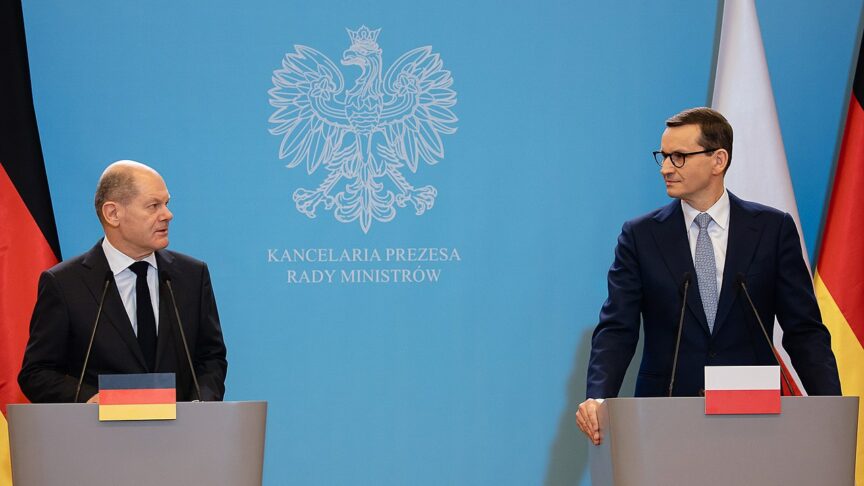
A battle on two fronts: Poland, Germany, and the rule of law
How has the war in Ukraine affected Polish politics and Poland’s relationship to its neighbours and the EU?

How has the war in Ukraine affected Polish politics and Poland’s relationship to its neighbours and the EU?
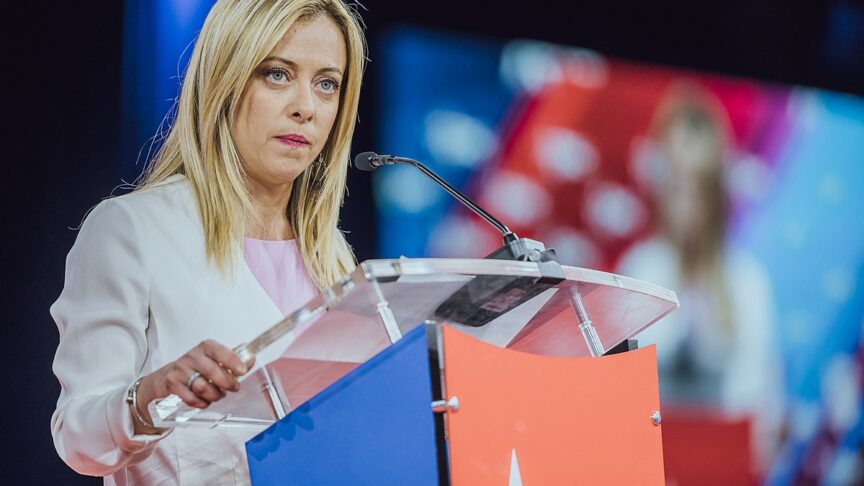
The Meloni government has largely adopted a ‘Russia-pragmatic’ approach to its EU and Ukraine policies. But pressure over migration within the coalition could harm relations with other European states

What would the freezing of EU-funds mean for Hungary-EU relations and Hungary’s role in the union?
We turned 15! Time to reflect on the past years and ECFR’s role in helping Europe find a strong, united voice
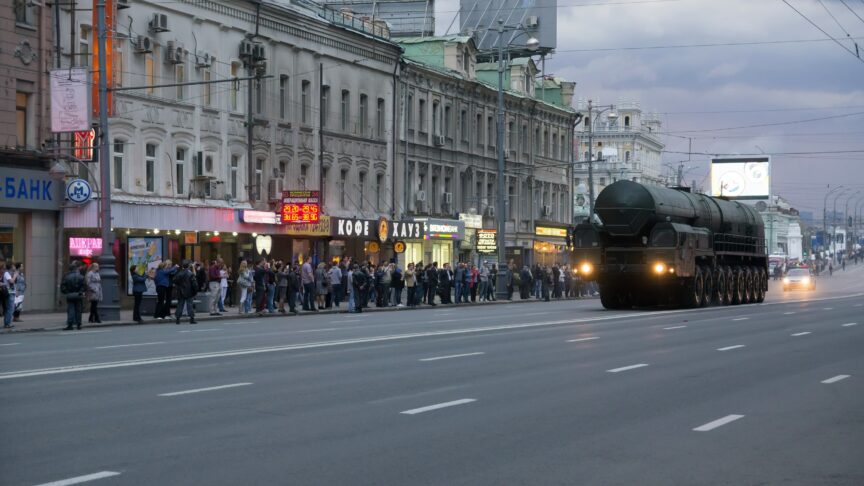
We are not on a path to nuclear war – but strong deterrence measures from the West can help ensure that scenario remains unlikely
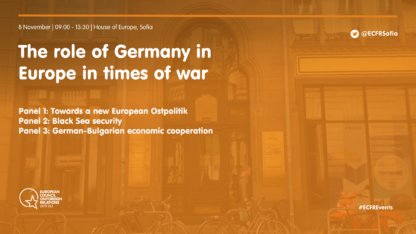
We will discuss Germany’s role in Europe and will reflect on how the new European order is viewed in Berlin

Lo European Council on Foreign Relations (ECFR), Fondazione Compagnia di San Paolo, Formiche ed il Centro Studi Americani organizzano a Roma una nuova edizione de Il Circolo dell’ECFR su come e se cambierà la politica estera italiana del prossimo governo
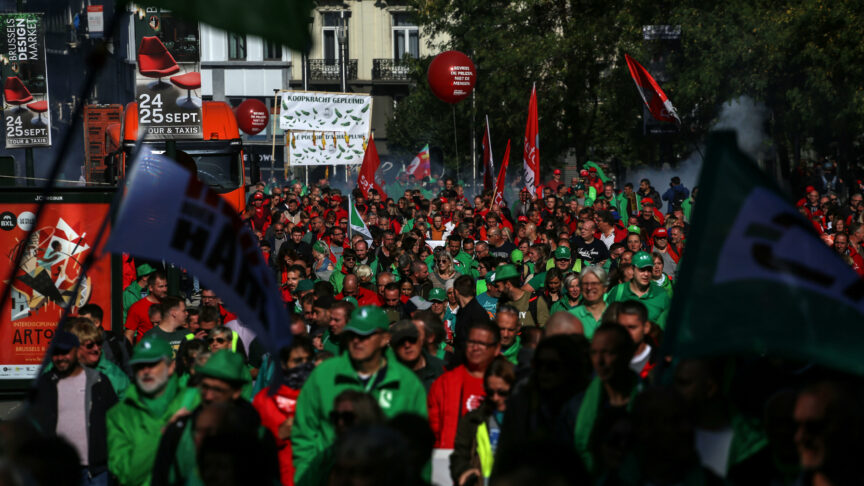
Member states’ reactions to the energy crisis could endanger European unity. A mature political response would help the bloc stay united through the coming winter.
The European Commission’s agreement with Hungary on anti-corruption reforms is significant. But, even if the Hungarian government does implement them, the measures alone are not sufficient to reverse democratic backsliding in the country.
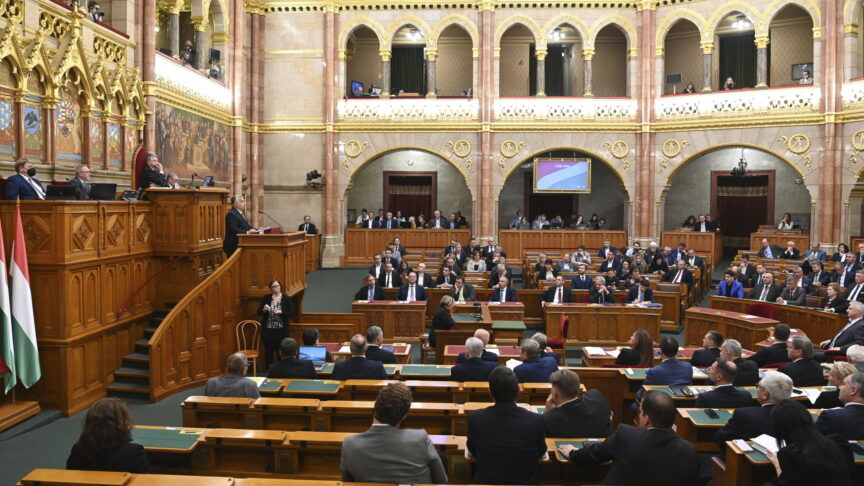
Viktor Orban has had 12 years to learn how to circumvent democratic reforms. The European Commission should bide its time in assessing whether to suspend funding to Hungary.