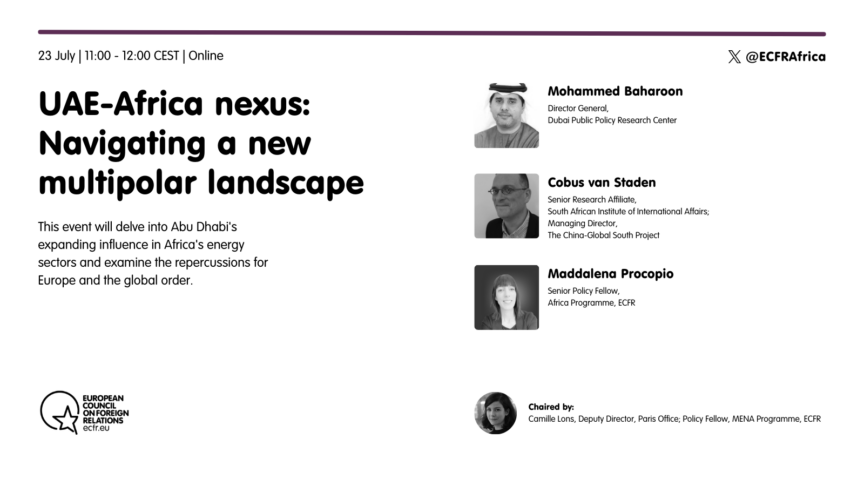
23 Jul
UAE-Africa nexus: Navigating a new multipolar landscape
As European leaders navigate the EU’s strategic future amid rising geopolitical tensions, a critical mass of middle powers, from India and Turkey to the Gulf…

There are no upcoming events.
As European leaders navigate the EU’s strategic future amid rising geopolitical tensions, a critical mass of middle powers, from India and Turkey to the Gulf…
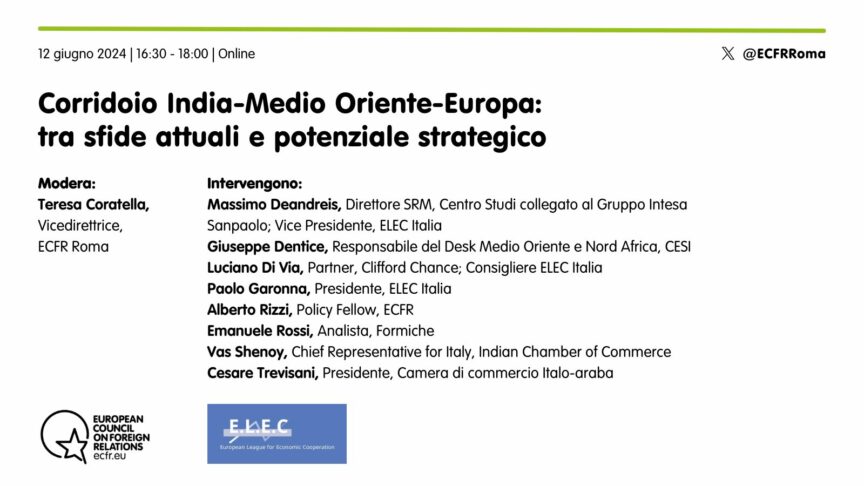
La discussione “Corridoio India-Medio Oriente-Europa: tra sfide attuali e potenziale strategico”, organizzata dall’ufficio di Roma dello European Council on Foreign Relations (ECFR) ed ELEC – European League for Economic Cooperation, avrà luogo, in forma virtuale, mercoledì 12 giugno 2024 dalle ore 16:30 alle ore 18:00 sulla piattaforma Zoom
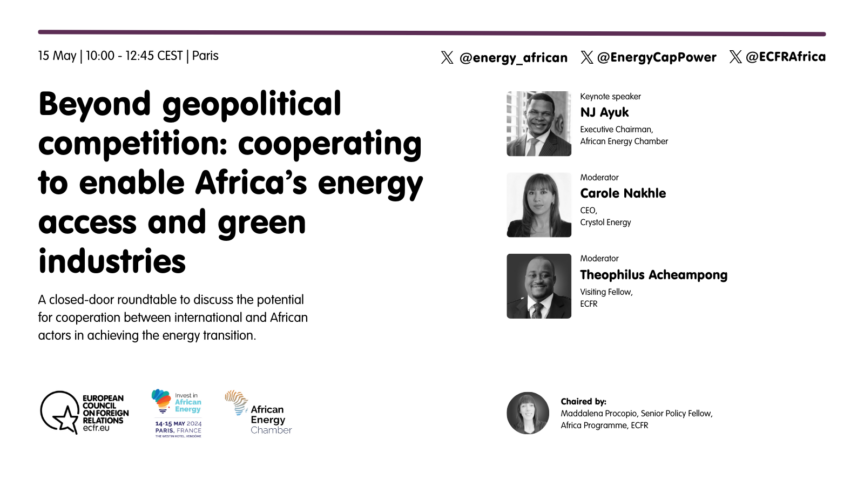
The global energy transition has become a battleground for competing interests, with Africa emerging as a pivotal arena. International players vie for access to Africa’s…
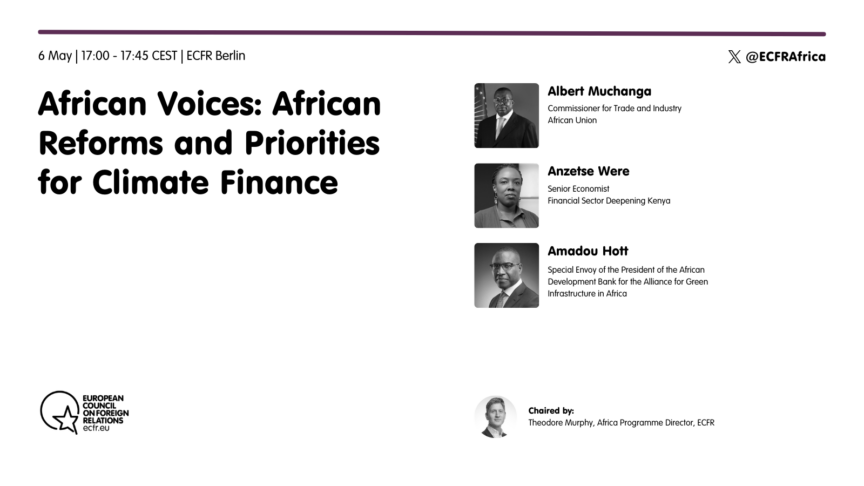
The lack of affordable finance for climate projects in Africa is a key barrier for the continent to reach its adaptation and mitigation goals. It…
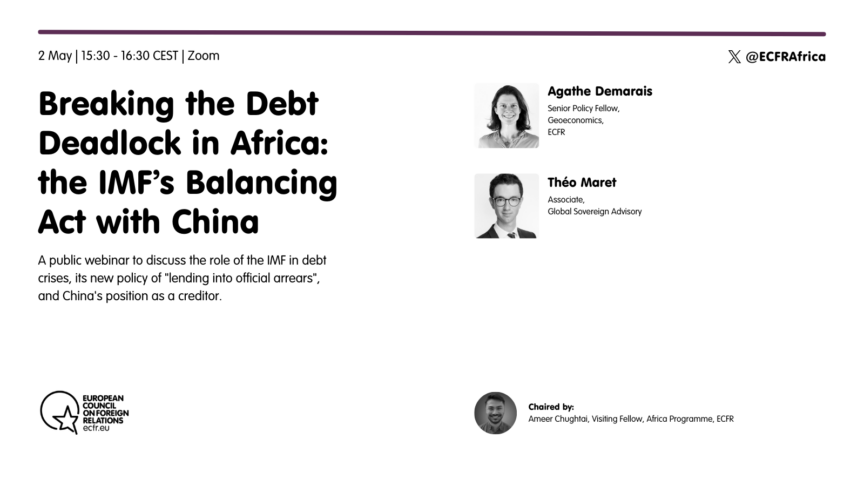
The economic shock after COVID-19 plunged many African economies into debt trouble. Yet, four years later, the current system for restructuring debts – the G20 Common…
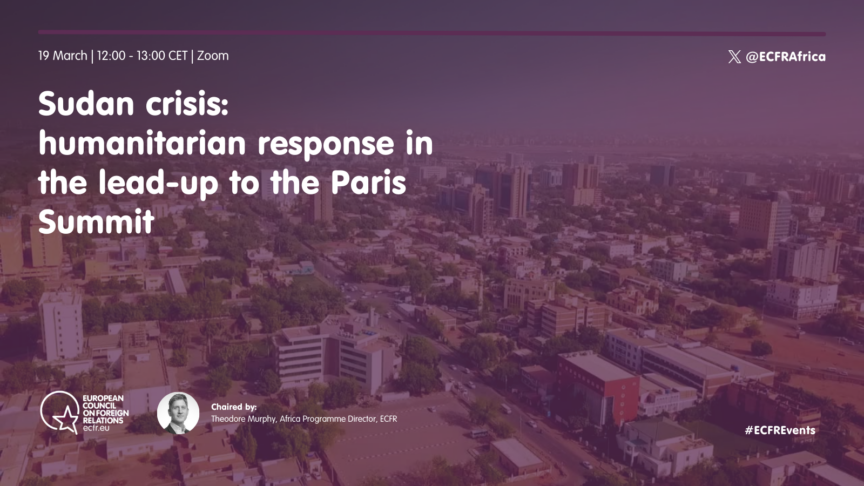
Sudan is facing an unprecedented humanitarian catastrophe. Ethnic killing plagues Darfur once again, millions have been displaced, and now a famine is looming. The fighting…
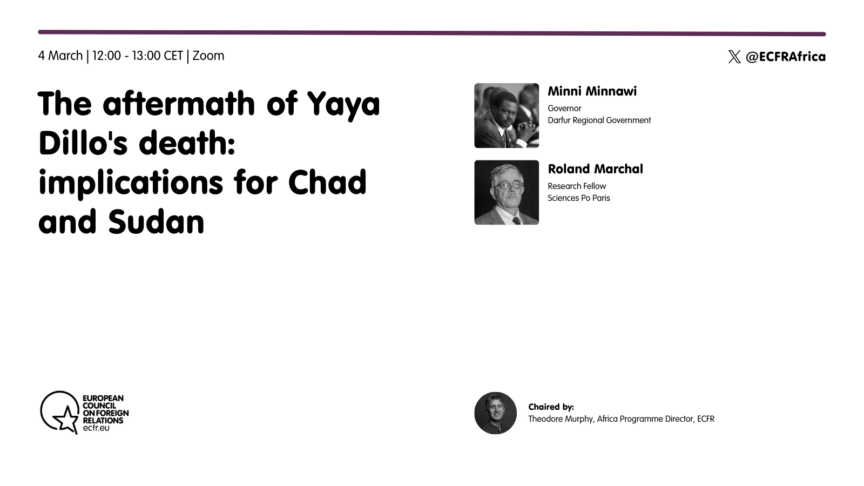
On 28 February, Chadian opposition leader Yaya Dillo was killed in a shootout with security forces. He had been accused of leading an attack against…
Migration in the Mediterranean has been a crisis factor for Europe for decades. To shed light on the issue, the discussion will revolve around ECFR’s policy brief edited by Lorena Stella Martini and Tarek Megerisi, which examines the case study of the Central Mediterranean route to analyse European externalization policies, focusing primarily on migration to Italy
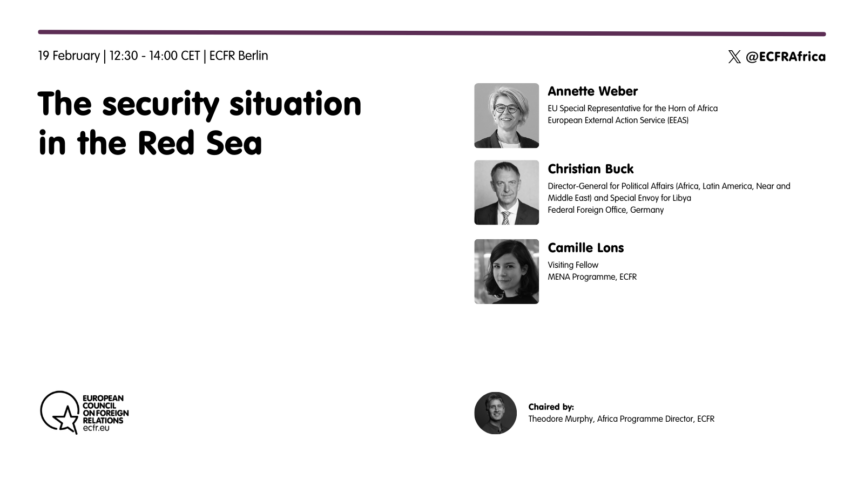
In 2020, the covid-19 pandemic laid bare the vulnerability of global sea trade to external shocks. A year later, the Suez Canal blockage sounded the alarm on…
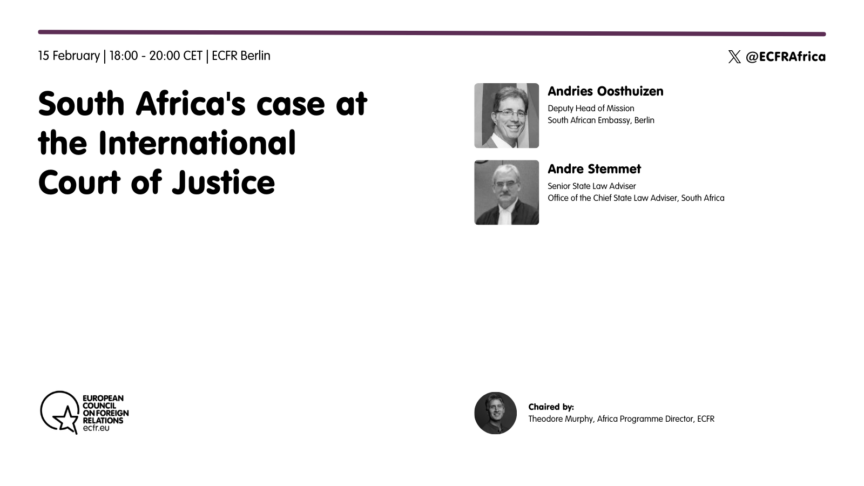
On 29 December 2023, South Africa filed its first-ever application before the International Court of Justice in response to the situation in the Gaza Strip,…