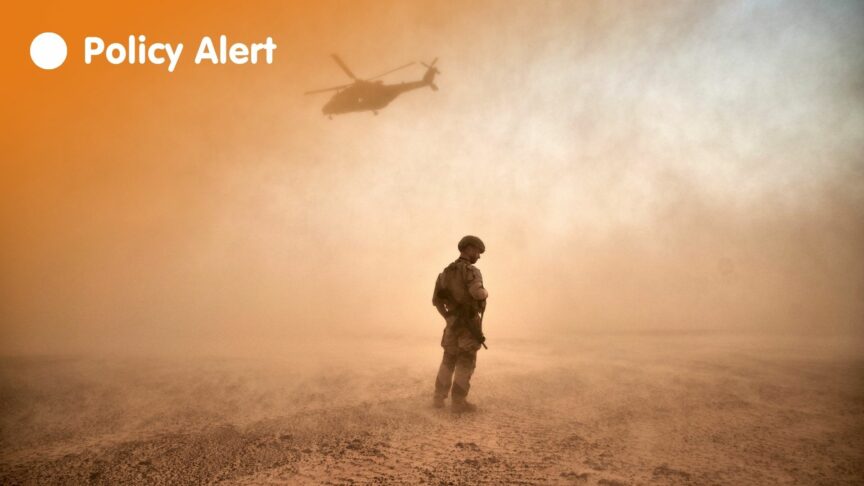
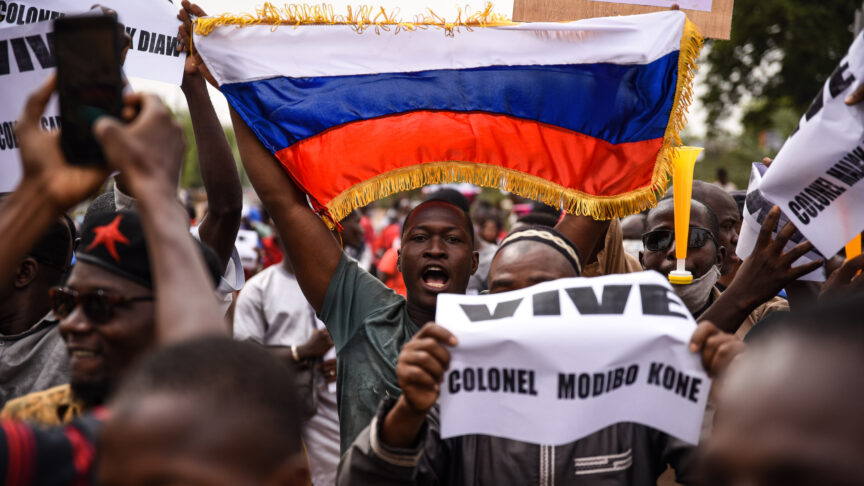
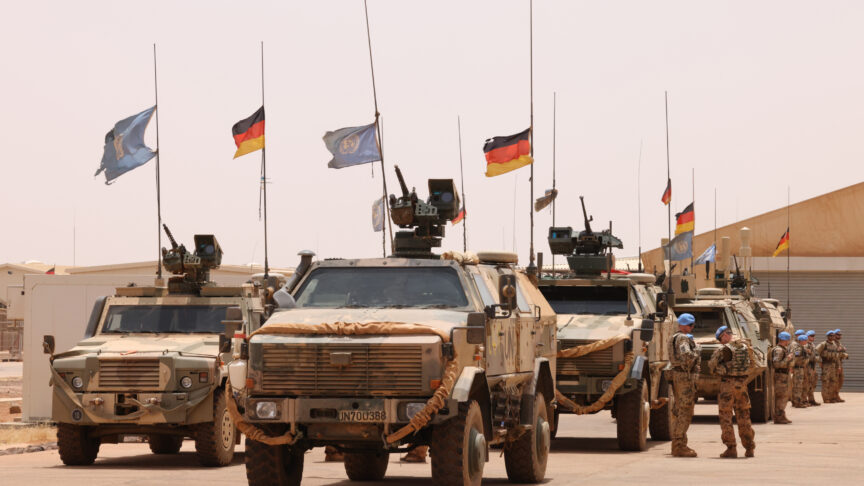
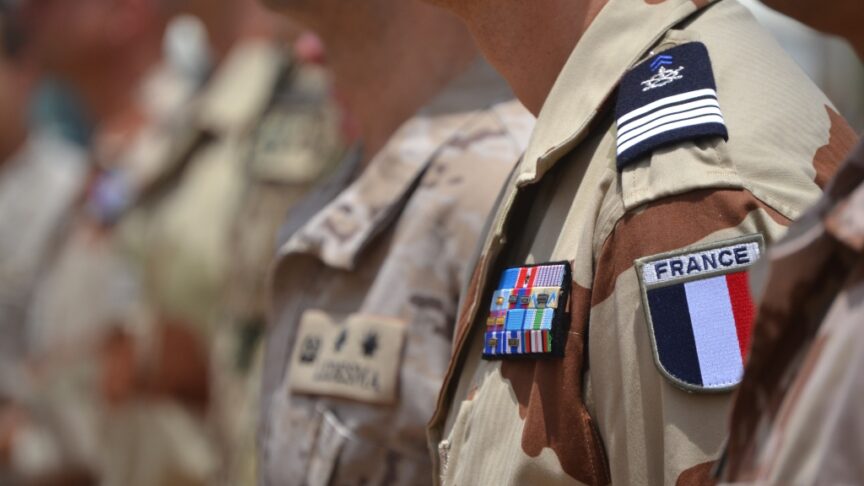
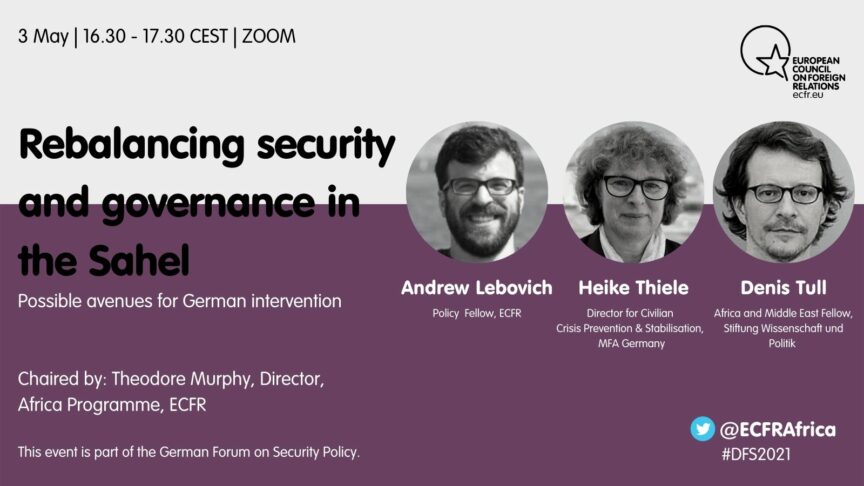
On Saturday, Germany became the latest European country to withdraw military forces from the Sahel. Other states may go further, closing embassies. But walking away, wagging a patronising white finger at states facing existential threats will do nothing to stabilise the region
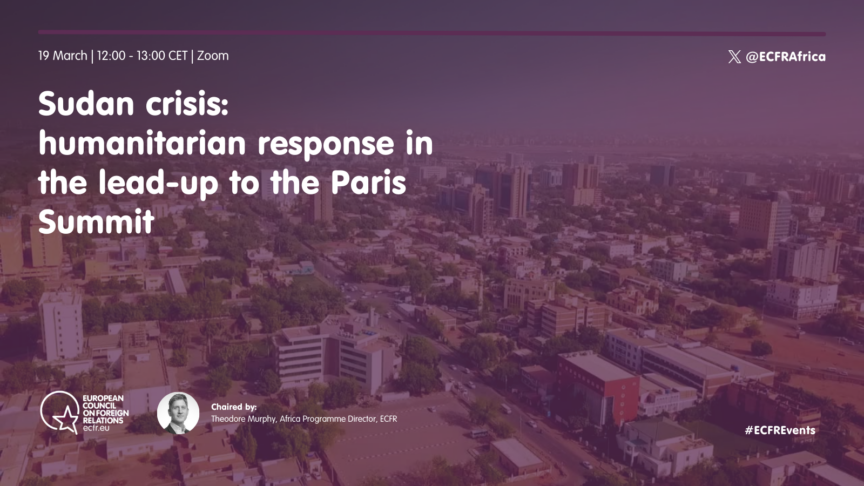
Sudan is facing an unprecedented humanitarian catastrophe. Ethnic killing plagues Darfur once again, millions have been displaced, and now a famine is looming. The fighting…
Rose Garden Palace, Via Boncompagni 19, 00187 Rome
ECFR Rome
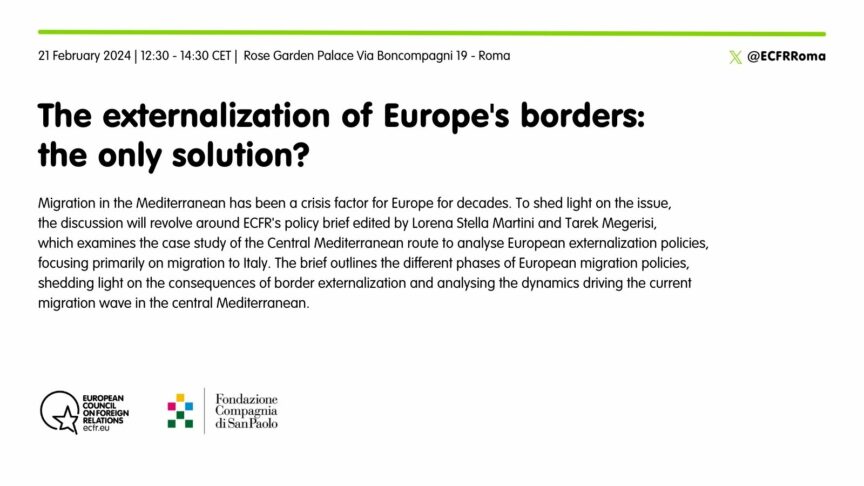
Migration in the Mediterranean has been a crisis factor for Europe for decades. To shed light on the issue, the discussion will revolve around ECFR’s policy brief edited by Lorena Stella Martini and Tarek Megerisi, which examines the case study of the Central Mediterranean route to analyse European externalization policies, focusing primarily on migration to Italy
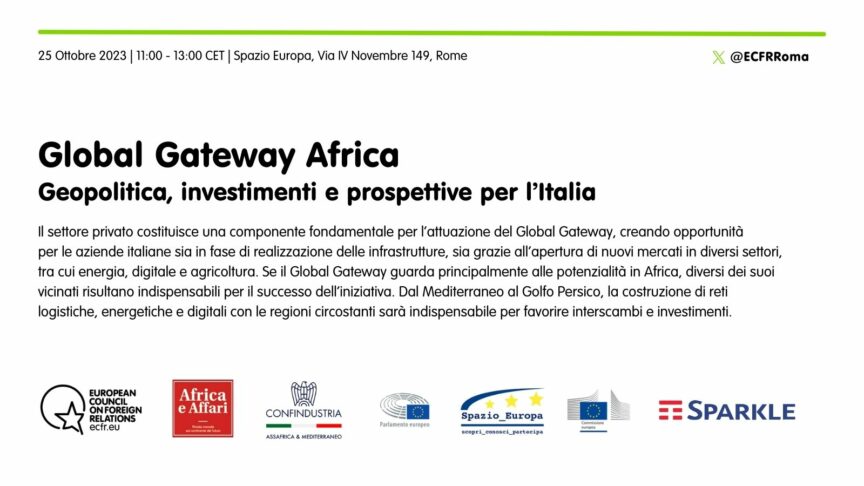
L’evento si concentrerà su come Il settore privato costituisca una componente fondamentale per l’attuazione del Global Gateway e sulle opportunità che questo può rappresentare
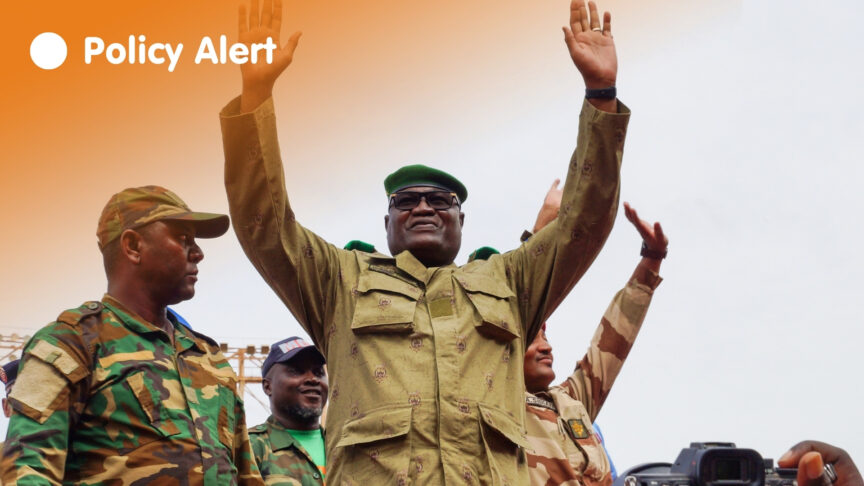
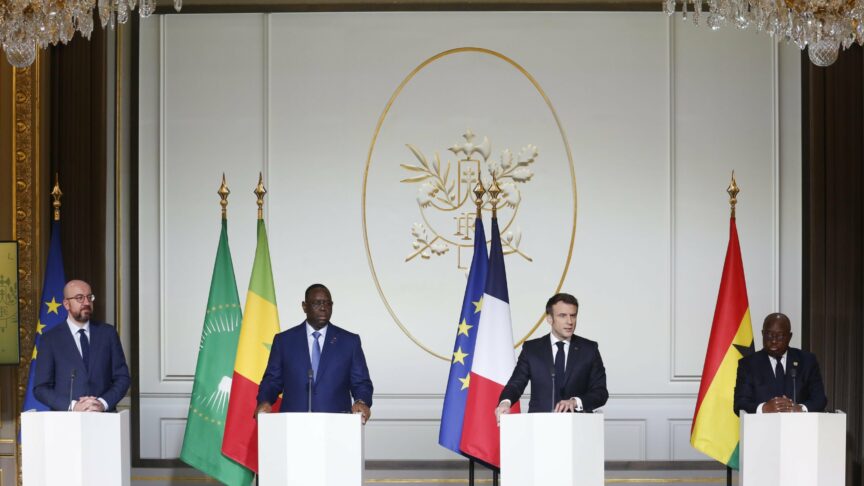
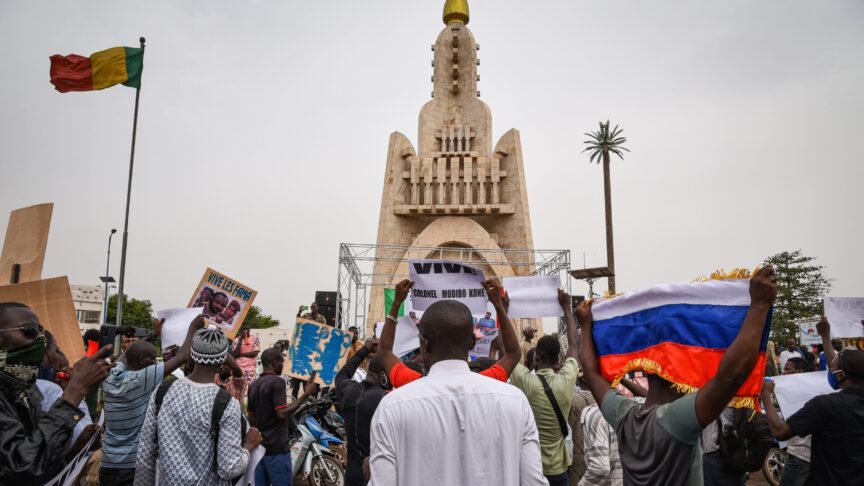
The changing global order has created an enabling environment for the recent spike of takeovers in Africa’s ‘coup belt’ – with Russia and newly assertive middle powers offering themselves as partners to putschists
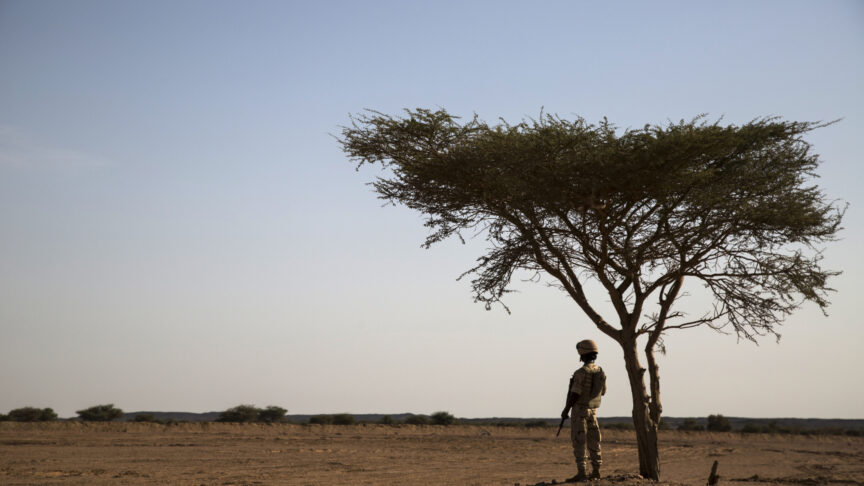
It is necessary to move beyond overly militarised strategies for stabilisation in the Sahel. Local dialogue initiatives can address the roots of conflict – but require consistent buy-in from national governments
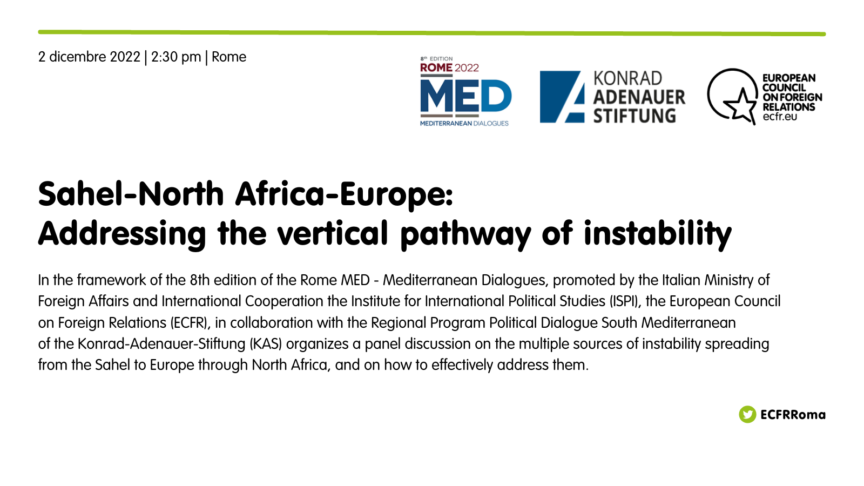
A panel discussion organized in collaboration with the Regional Program Political Dialogue South Mediterranean of the Konrad-Adenauer-Stiftung (KAS) in the framework of the 8th edition of the Rome MED – Mediterranean Dialogues, promoted by the Italian Ministry of Foreign Affairs and International Cooperation the Institute for International Political Studies (ISPI)
Russia is exploiting weaknesses in Europe’s relationships with states across Africa. Germany will need to set a precedent in Mali if it is to respond to this challenge effectively
On Saturday, Germany became the latest European country to withdraw military forces from the Sahel. Other states may go further, closing embassies. But walking away, wagging a patronising white finger at states facing existential threats will do nothing to stabilise the region
The changing global order has created an enabling environment for the recent spike of takeovers in Africa’s ‘coup belt’ – with Russia and newly assertive middle powers offering themselves as partners to putschists
It is necessary to move beyond overly militarised strategies for stabilisation in the Sahel. Local dialogue initiatives can address the roots of conflict – but require consistent buy-in from national governments
Russia is exploiting weaknesses in Europe’s relationships with states across Africa. Germany will need to set a precedent in Mali if it is to respond to this challenge effectively
The EU’s values-led foreign policy and its stabilisation objectives in the Sahel are in tension with each other. Russia is now waiting to exploit that tension
Europeans reacted sharply to the news of Wagner Group’s interest in Mali – and interviews suggest the company has been present in the country. But European states and the EU remain the dominant security and development player in the Sahel
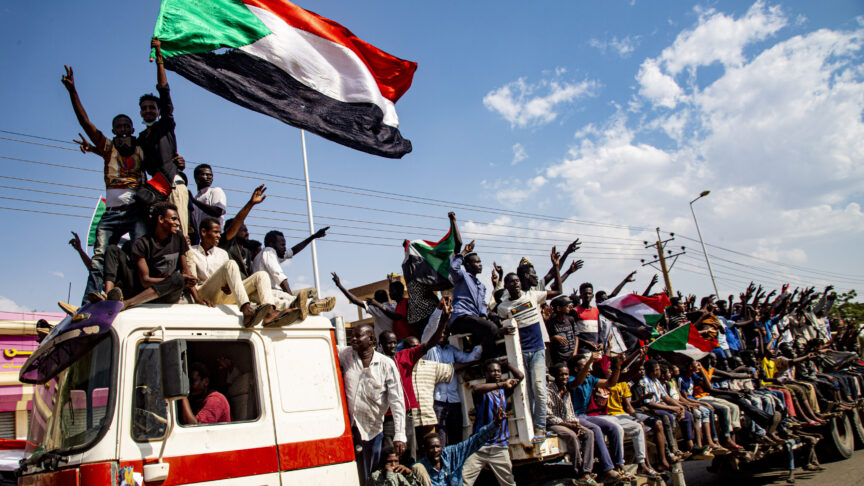
Sudan’s civilian protest movement is fighting for democracy. Europe can play a decisive role, but to do so its condemnation must come with consequences
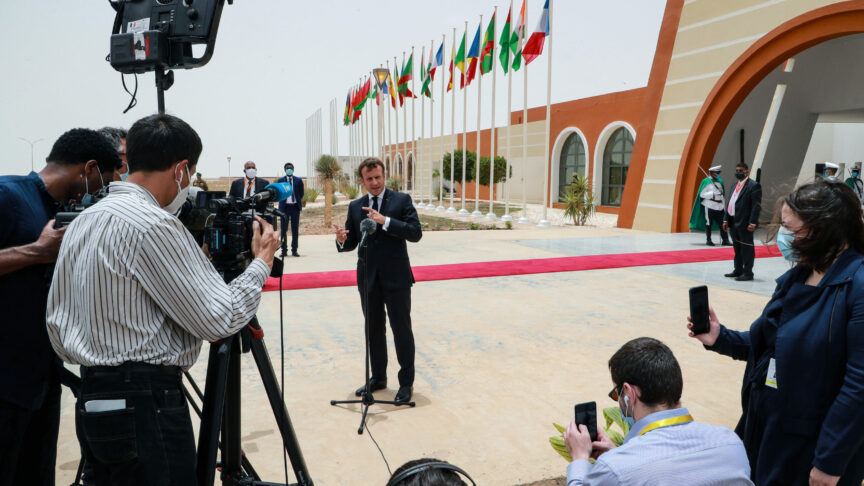
Emmanuel Macron took allies by surprise when he announced the end of Operation Barkhane. But his new plans do not appear to offer the change of tack the Sahel needs
Sudan is facing an unprecedented humanitarian catastrophe. Ethnic killing plagues Darfur once again, millions have been displaced, and now a famine is looming. The fighting…
Rose Garden Palace, Via Boncompagni 19, 00187 Rome
ECFR Rome
Migration in the Mediterranean has been a crisis factor for Europe for decades. To shed light on the issue, the discussion will revolve around ECFR’s policy brief edited by Lorena Stella Martini and Tarek Megerisi, which examines the case study of the Central Mediterranean route to analyse European externalization policies, focusing primarily on migration to Italy
L’evento si concentrerà su come Il settore privato costituisca una componente fondamentale per l’attuazione del Global Gateway e sulle opportunità che questo può rappresentare
A panel discussion organized in collaboration with the Regional Program Political Dialogue South Mediterranean of the Konrad-Adenauer-Stiftung (KAS) in the framework of the 8th edition of the Rome MED – Mediterranean Dialogues, promoted by the Italian Ministry of Foreign Affairs and International Cooperation the Institute for International Political Studies (ISPI)
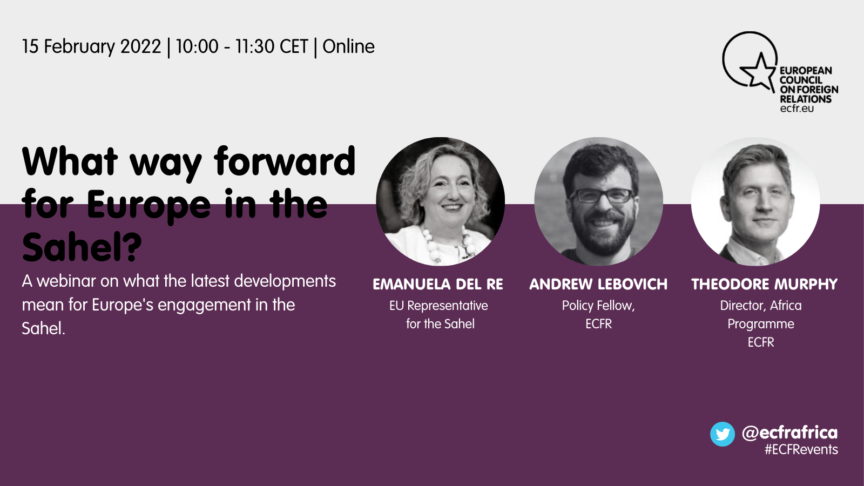
The European Council on Foreign Relations is delighted to invite you to our webinar on what the latest developments mean for Europe’s engagement in the Sahel.
Arturo Varvelli comments on the launch of the Mattei Plan for Africa
It would be foolish to think we can compete with China, the United Arab Emirates or even Turkey. To be meaningful, the Mattei Plan will have to fit into a broader framework of EU initiatives
Arturo Varvelli on the Italian Mattei Plan for Africa
Privacy Preference
We use cookies on our website. Some of them are essential, while others help us to improve this website and your experience.If you are under 16 and wish to give consent to optional services, you must ask your legal guardians for permission.We use cookies and other technologies on our website. Some of them are essential, while others help us to improve this website and your experience.Personal data may be processed (e.g. IP addresses), for example for personalized ads and content or ad and content measurement.You can find more information about the use of your data in our privacy policy.You can revoke or adjust your selection at any time under Settings.
If you are under 16 and wish to give consent to optional services, you must ask your legal guardians for permission.We use cookies and other technologies on our website. Some of them are essential, while others help us to improve this website and your experience.Personal data may be processed (e.g. IP addresses), for example for personalized ads and content or ad and content measurement.You can find more information about the use of your data in our privacy policy.Here you will find an overview of all cookies used. You can give your consent to whole categories or display further information and select certain cookies.