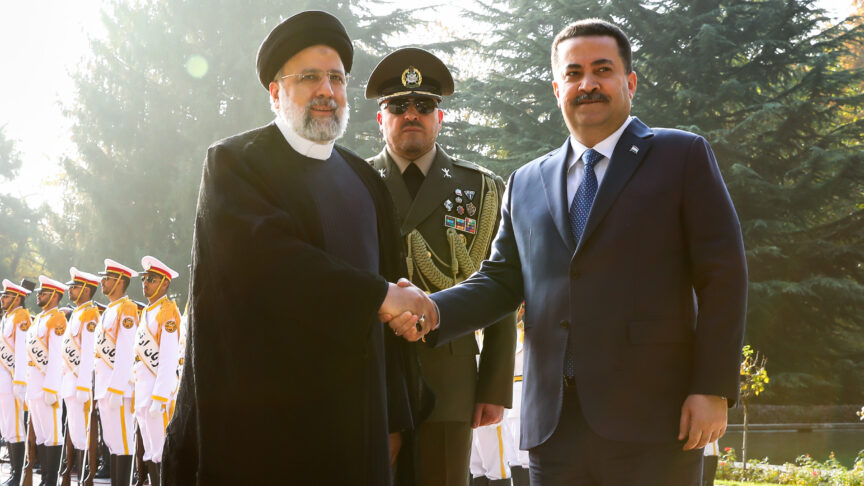
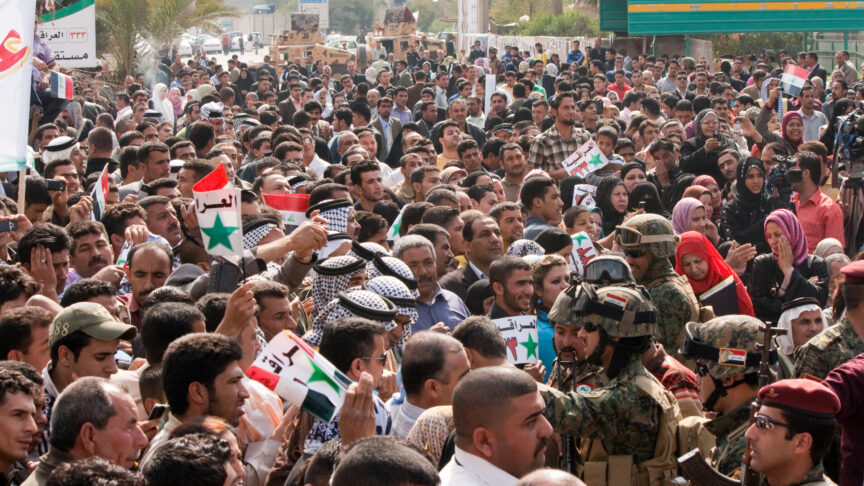
The cycle of escalation in the Middle East since 7 October means Iraq has once again found itself a staging ground for Iranian-US conflict. But the relationship between Iraq and Iran is complex and multifaceted – and Europeans can help Iraq build its autonomy
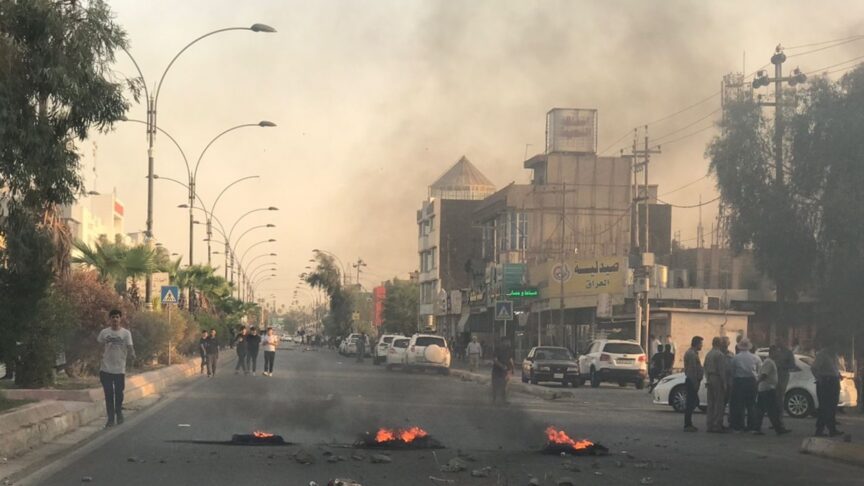
Recent escalations in Iraq’s contested Kirkuk province reveal the structural tensions inherent in the coalition government, posing a risk of Turkish and Iranian intervention and wider instability in the region
Quran desecration in Sweden and Denmark has drawn the ire of Muslim-majority countries. European governments should act now to prevent an escalation of tensions
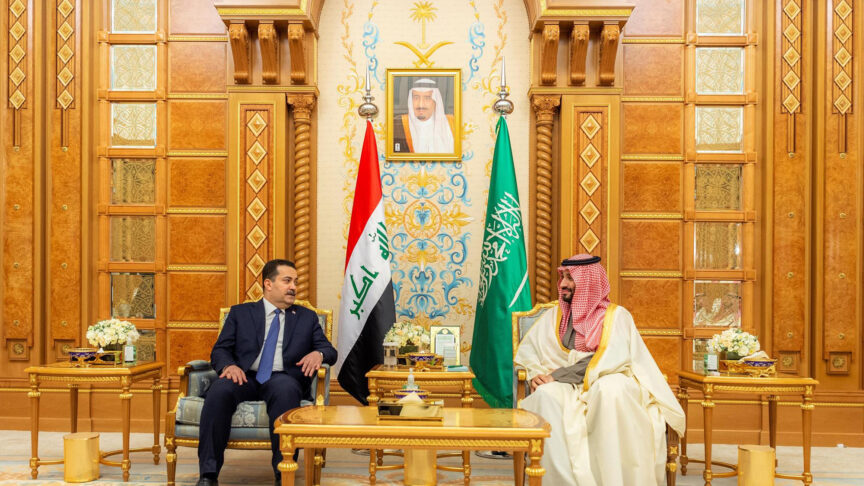
Following the recent thaw in relations between Iran and Saudi Arabia, Iraq is strengthening its ties with GCC states. European countries should support this development, which could help Iraq address its domestic challenges
Europeans should avoid supporting a snap election simply because a political leader is unsatisfied with the result of a government formation process and threatens violence in response
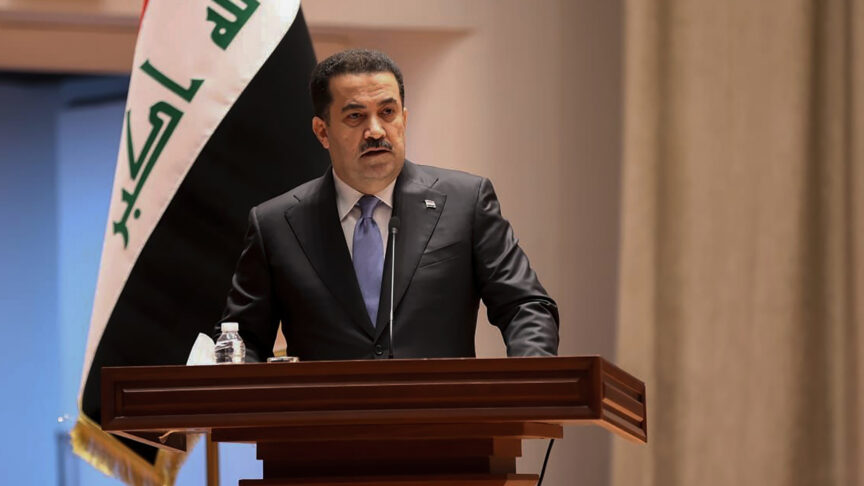
Iraqi leaders’ inability to form a government or deal with national challenges is destroying the legitimacy of the state. They need to appoint a new type of prime minister.
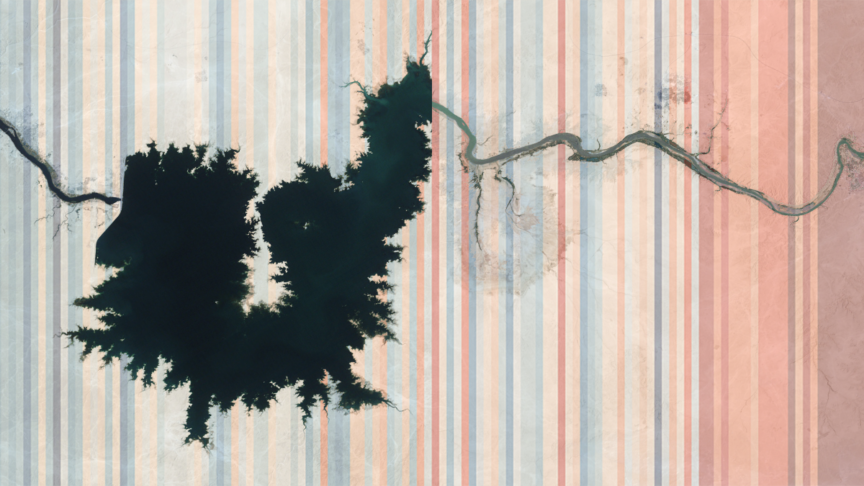
Climate change is increasing the strain on Iraqi society and public services. Despite this, the country’s political figures are overlooking the huge benefits that climate investment would bring.
Much of Iraq’s post-war history has been a question of survival of the state. Now, Shia politicians are driving an intra-sect competition for leadership.
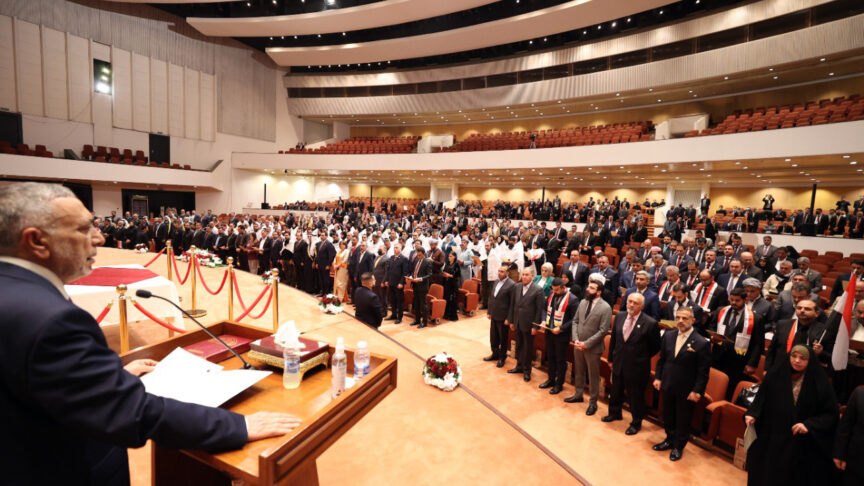
Iraq’s recent election upended the informal political agreement that had dominated its politics since 2003. European countries should press Iraqi leaders to break the current deadlock in parliament.
The cycle of escalation in the Middle East since 7 October means Iraq has once again found itself a staging ground for Iranian-US conflict. But the relationship between Iraq and Iran is complex and multifaceted – and Europeans can help Iraq build its autonomy
Climate change is increasing the strain on Iraqi society and public services. Despite this, the country’s political figures are overlooking the huge benefits that climate investment would bring.
Recent escalations in Iraq’s contested Kirkuk province reveal the structural tensions inherent in the coalition government, posing a risk of Turkish and Iranian intervention and wider instability in the region
Quran desecration in Sweden and Denmark has drawn the ire of Muslim-majority countries. European governments should act now to prevent an escalation of tensions
Following the recent thaw in relations between Iran and Saudi Arabia, Iraq is strengthening its ties with GCC states. European countries should support this development, which could help Iraq address its domestic challenges
Europeans should avoid supporting a snap election simply because a political leader is unsatisfied with the result of a government formation process and threatens violence in response
Iraqi leaders’ inability to form a government or deal with national challenges is destroying the legitimacy of the state. They need to appoint a new type of prime minister.
Much of Iraq’s post-war history has been a question of survival of the state. Now, Shia politicians are driving an intra-sect competition for leadership.
Iraq’s recent election upended the informal political agreement that had dominated its politics since 2003. European countries should press Iraqi leaders to break the current deadlock in parliament.
The attempted killing of the Iraqi prime minister looks set to transform the post-election landscape. European engagement could prove valuable, but it will need to strike the right balance between urgency and caution.
In the wake of Iraq’s parliamentary election, European states should be highly cautious about publicly engaging with Iraqi policy on armed groups. They should only help Baghdad deal with this issue following a direct request.
In the media
Al-Sudani’s government must continue to work out arrangements with the US Treasury while implementing its own fiscal reforms to access foreign reserves in USD
Hamzeh Hadad on how US strikes in the Middle East are impacting Iraq
Let’s face it, the stability of the region hangs by a thread, although no one wants escalation, neither Israel nor Iran, let alone the United States and the European Union
Arturo Varvelli on the situation in the Middle East in light of the Houthi attacks in the Red Sea and the latest Iranian attacks
While the security setup is different today, and foreign troops are in Iraq in an advisory capacity at the invitation of the Iraqi government since 2014, it is not a permanent setup
It is important to understand that Iraqis — and this goes across the spectrum of political leaders, religious leaders, civilians — are pro-Palestinian rights
Hamzeh Hadad explains Iraq’s stance on the Israel-Gaza war
Privacy Preference
We use cookies on our website. Some of them are essential, while others help us to improve this website and your experience.If you are under 16 and wish to give consent to optional services, you must ask your legal guardians for permission.We use cookies and other technologies on our website. Some of them are essential, while others help us to improve this website and your experience.Personal data may be processed (e.g. IP addresses), for example for personalized ads and content or ad and content measurement.You can find more information about the use of your data in our privacy policy.You can revoke or adjust your selection at any time under Settings.
If you are under 16 and wish to give consent to optional services, you must ask your legal guardians for permission.We use cookies and other technologies on our website. Some of them are essential, while others help us to improve this website and your experience.Personal data may be processed (e.g. IP addresses), for example for personalized ads and content or ad and content measurement.You can find more information about the use of your data in our privacy policy.Here you will find an overview of all cookies used. You can give your consent to whole categories or display further information and select certain cookies.