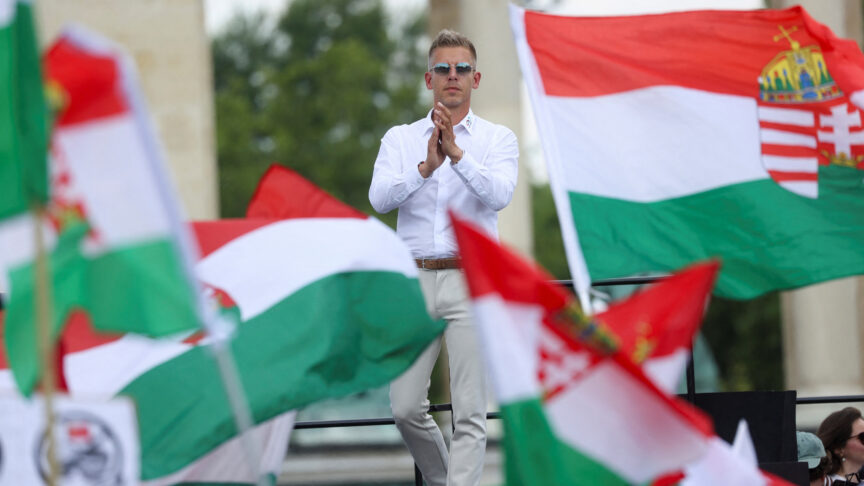
A star in the storm: The rise of Peter Magyar
There is a new kid on the block in Budapest, but it remains to be seen whether Peter Magyar can break 14 years of Orban rule

There is a new kid on the block in Budapest, but it remains to be seen whether Peter Magyar can break 14 years of Orban rule
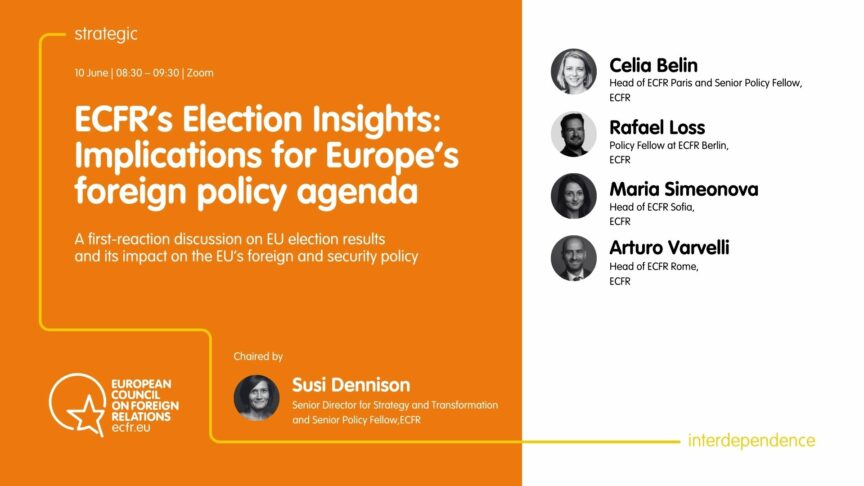
This webinar will provide a snapshot analysis of election results and their implications for Europe’s foreign policy and security agenda. Featuring perspectives from selected ECFR…
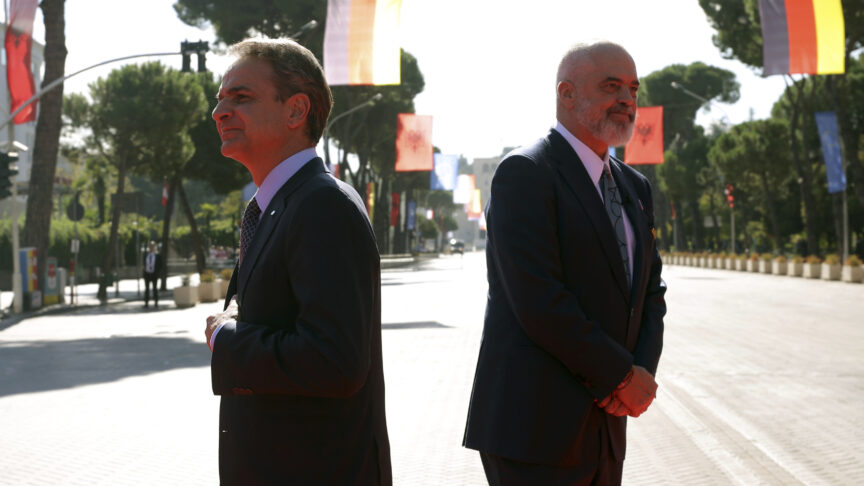
That EU enlargement is a geopolitical imperative is no longer in doubt. But to make enlargement happen, the EU may need to decouple bilateral disputes from the accession process
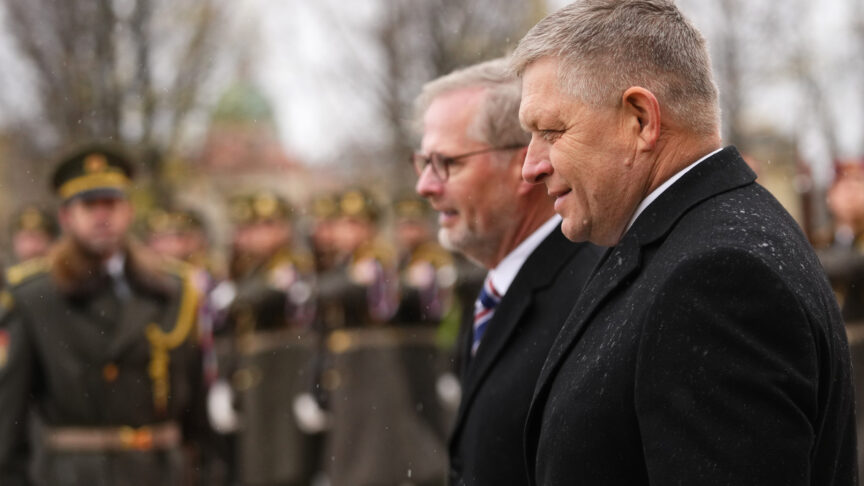
Governments in Budapest, and now Bratislava, are treading a fine line of alignment with the West, showing their central European neighbours what they can get away with, and risking the credibility of EU foreign policy and values
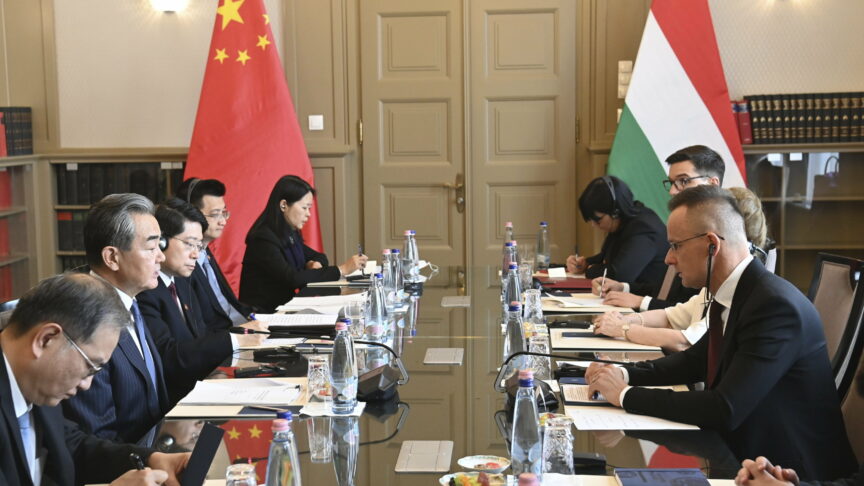
Against the backdrop of the US-China rivalry, it is tempting to ignore recent strategy changes by smaller players like Canada and Hungary. But these two countries offer radically different models for other countries to consider as they navigate an increasingly fraught geopolitical terrain
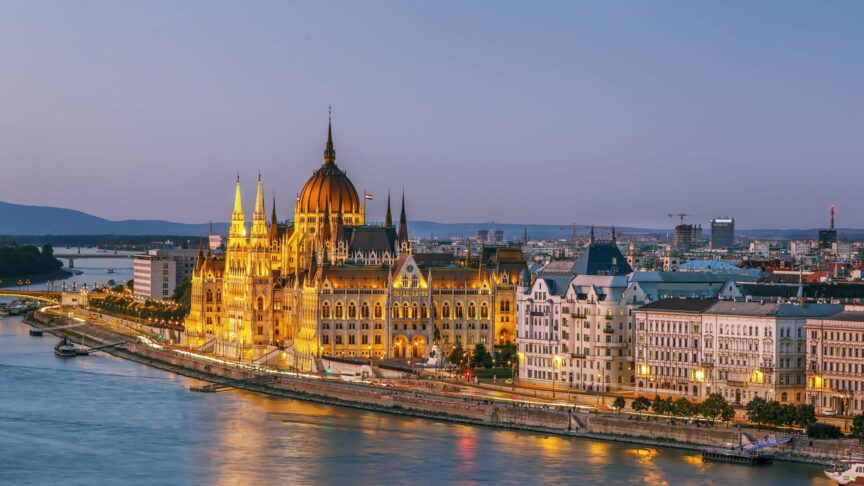
The new energy cooperation between Hungary and Serbia threatens to undermine the EU’s energy sovereignty and pull Serbia further from the EU
Mark Leonard is joined by Balázs Orbán to discuss Hungary’s strategy

To escape the middle-income trap in the next decade, Hungary needs an economic strategy of connectivity

What would the freezing of EU-funds mean for Hungary-EU relations and Hungary’s role in the union?

The European Commission’s agreement with Hungary on anti-corruption reforms is significant. But, even if the Hungarian government does implement them, the measures alone are not sufficient to reverse democratic backsliding in the country
There is a new kid on the block in Budapest, but it remains to be seen whether Peter Magyar can break 14 years of Orban rule
That EU enlargement is a geopolitical imperative is no longer in doubt. But to make enlargement happen, the EU may need to decouple bilateral disputes from the accession process
Governments in Budapest, and now Bratislava, are treading a fine line of alignment with the West, showing their central European neighbours what they can get away with, and risking the credibility of EU foreign policy and values
Against the backdrop of the US-China rivalry, it is tempting to ignore recent strategy changes by smaller players like Canada and Hungary. But these two countries offer radically different models for other countries to consider as they navigate an increasingly fraught geopolitical terrain
The new energy cooperation between Hungary and Serbia threatens to undermine the EU’s energy sovereignty and pull Serbia further from the EU
To escape the middle-income trap in the next decade, Hungary needs an economic strategy of connectivity
The European Commission’s agreement with Hungary on anti-corruption reforms is significant. But, even if the Hungarian government does implement them, the measures alone are not sufficient to reverse democratic backsliding in the country
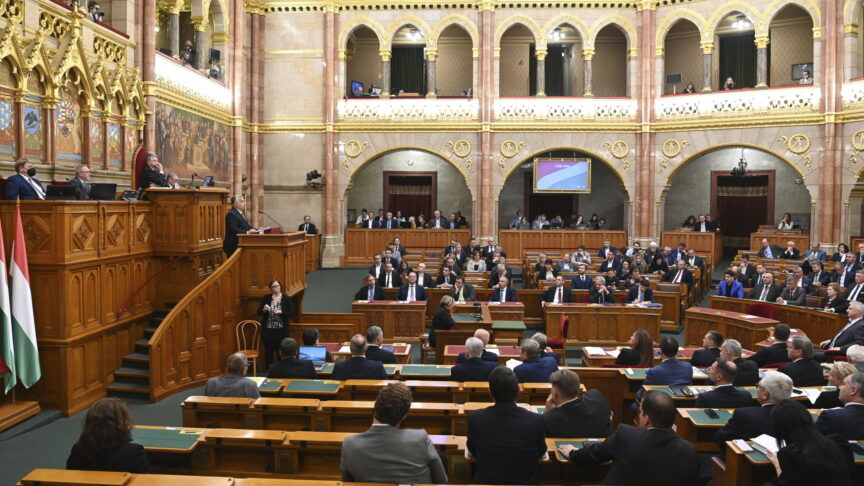
Viktor Orban has had 12 years to learn how to circumvent democratic reforms. The European Commission should bide its time in assessing whether to suspend funding to Hungary
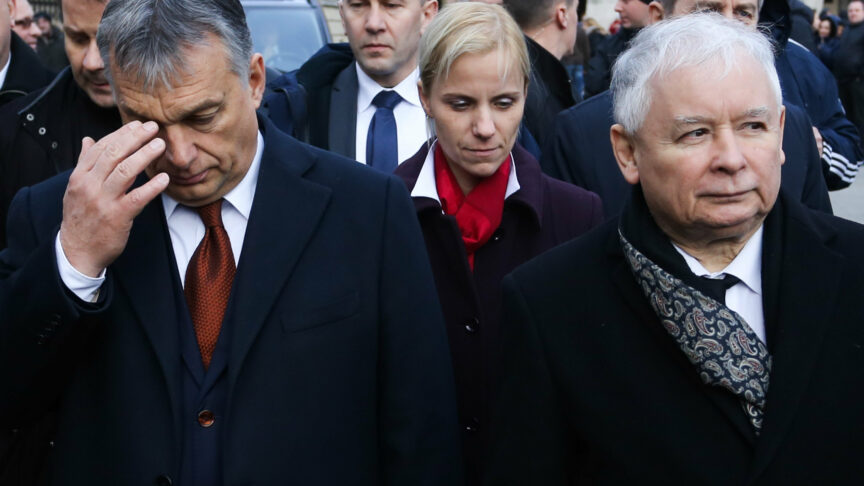
The war in Ukraine has driven a wedge between Hungary’s Fidesz and Poland’s Law and Justice parties. But they could still mount a powerful challenge to the EU if – or, rather, when – they reunite in their opposition to rule of law demands
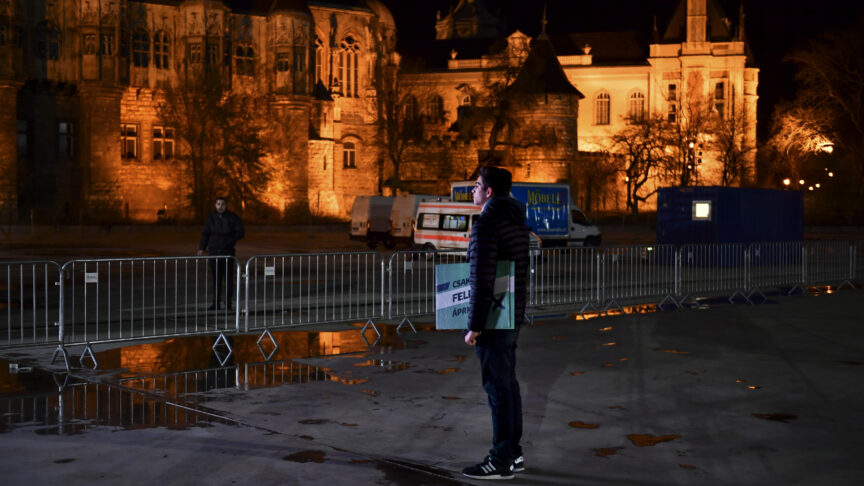
The goal of preserving European unity could hinder the EU’s fight against democratic backsliding in Hungary. To remain a community of values, the union needs to keep up the pressure on the country’s leader
Mark Leonard is joined by Balázs Orbán to discuss Hungary’s strategy
What would the freezing of EU-funds mean for Hungary-EU relations and Hungary’s role in the union?
This webinar will provide a snapshot analysis of election results and their implications for Europe’s foreign policy and security agenda. Featuring perspectives from selected ECFR…
Orbán appears to be using Hungary’s rotating presidency of the EU Council to launch his diplomatic initiatives and hobnob with the world’s autocrats

Rafael Loss analyses Orban’s approach to both Putin and Trump within the context of Hungary’s presidency of the Council of the EU

