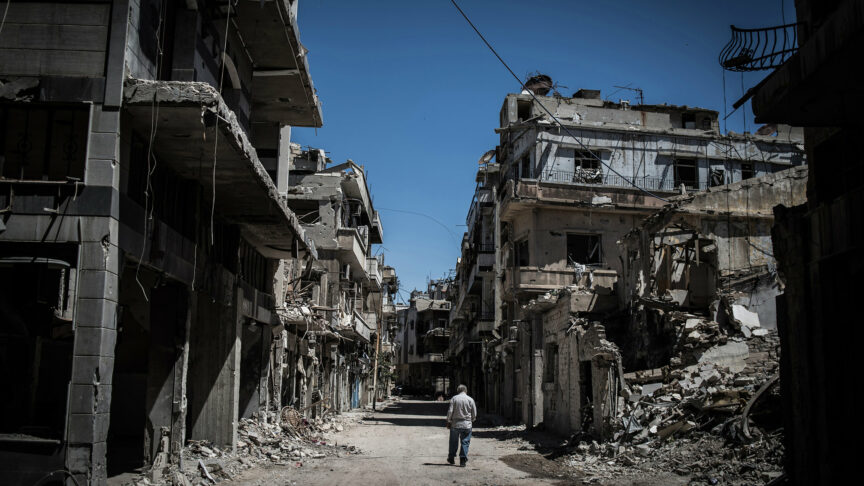
Syria’s war, Europe’s problem
What does the re-engagement of regional actors mean for the future of Syria? And what role can Europe play to create breathing space in the country?

In our weekly series, Mark Leonard and guests explore the big issues in foreign policy.
Short interviews and commentary by ECFR experts and others on breaking news and key topics.
Europe Listens is a podcast series that features interviews with thought leaders from outside of Europe. It explores how they think about the global challenges we face and how they view Europe’s role and responsibilities as well as opportunities and obstacles for multilateral cooperation. Europe Listens is hosted by Rafael Loss and Jana Puglierin, with support from Stiftung Mercator.
China is becoming ever more important to global affairs. But political and geopolitical challenges, as well as the covid-19 pandemic, have diminished Europeans’ ability to engage with Chinese thinkers and understand their views and ideas about the world. In this mini-series, Mark Leonard and Janka Oertel try to change that by engaging in conversations with some of the best Chinese academics, researchers, writers, and journalists on the topics in Chinese internal debates that matter most to Europeans.
In the first big multilateral test for prime minister Giorgia Meloni, this mini-series will explore the four main priorities of Italy’s 2024 G7 presidency: AI, infrastructure, Ukraine, and Africa.
Countries such as China and Russia, but also India, Brazil, Indonesia, South Africa and Nigeria, have their own ideas about what the international order should look like. However, apart from their ambition to overcome Western dominance, their respective visions for a new order do not always coincide. Consequently, catch-all terms such as “Global South” do not do justice to the actual diversity of views. In “The World after the West”, Mark Leonard discusses China, Brazil, Russia, India, Southeast Asia and the USA with his guests. What visions of order and power are there in the world and how do they relate to the European one? What potential do new regional and ideological clubs and institutions have and what effects can be expected for Europe?
On 23 February, Germany will hold an election—but the country seems to have turned inwards. Relations with France and Poland, its two essential partners, have deteriorated; where the country previously provided the European project with leadership at crucial moments, it now drags its feet. As a result, Jeremy Cliffe and Jana Puglierin are “Searching for Deutschland”. This new podcast from the European Council on Foreign Relations sees the think-tank's Berlin-based editorial director and Berlin office head joined by expert guests to discuss the domestic fault-lines behind the country's foreign policy disorientation. Following the election campaign from a European and global perspective, they will explore the political debates and what the country's new government might have to offer.
We are living in an explosive world: Trump is blowing up political order, Xi Jinping is scrambling the economy and Putin is redrawing the map of Europe. At a time when each crisis bleeds into the next—from pandemics and wars to climate shocks and AI revolutions—the old rules of global order are collapsing. In this special series, Mark Leonard draws on conversations with leaders and thinkers from Beijing to Washington to explore his new book, Surviving Chaos.
ECFR's Swamp Chronicles series features expert discussion on US election issues, and their impact on foreign policy.
The new right is becoming a dominant force in Western politics, yet the rapid speed of this global revolution often leaves mainstream observers struggling to grasp its underlying logic. In this special series, Mark Leonard talks to key figures behind the movement as well as its keenest observers from both sides of the Atlantic.
ECFR’s podcast series “Under the Overcoat” explores the deeper trends beneath the surface of Russian daily politics. It reveals how fundamental changes in Russia enabled its war of aggression against Ukraine and how the conflict is sparking further transformations. The podcast series delves into various aspects of Russian society and politics to provide a comprehensive understanding of the country’s evolution.
ECFR WOMENP podcast mini-series: this podcast places leading women experts from, and on, the Middle East at the centre of discussions on the region’s future. It seeks to explore avenues for de-escalation, emerging opportunities, and risks in the face of developments in the region and beyond.
What does the re-engagement of regional actors mean for the future of Syria? And what role can Europe play to create breathing space in the country?

What does the German coalition agreement say about foreign policy issues, China, defence and security?
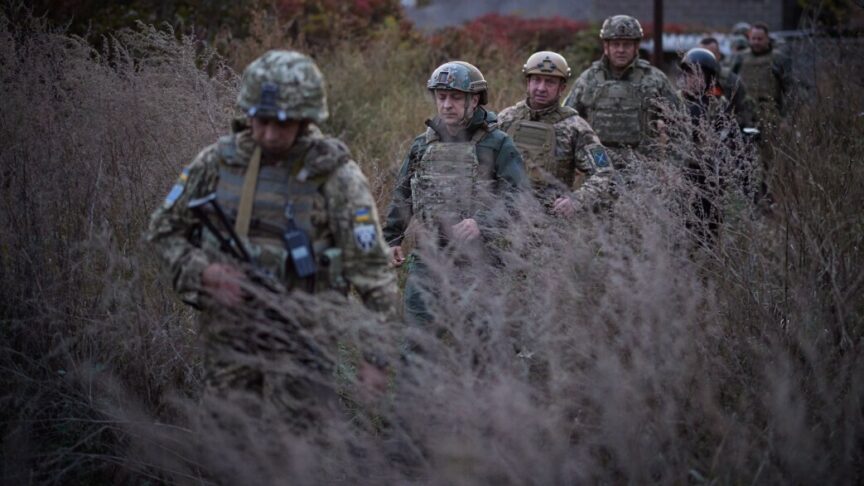
How serious is the Russian troop build-up near the Ukraine border? And what should NATO do about it?
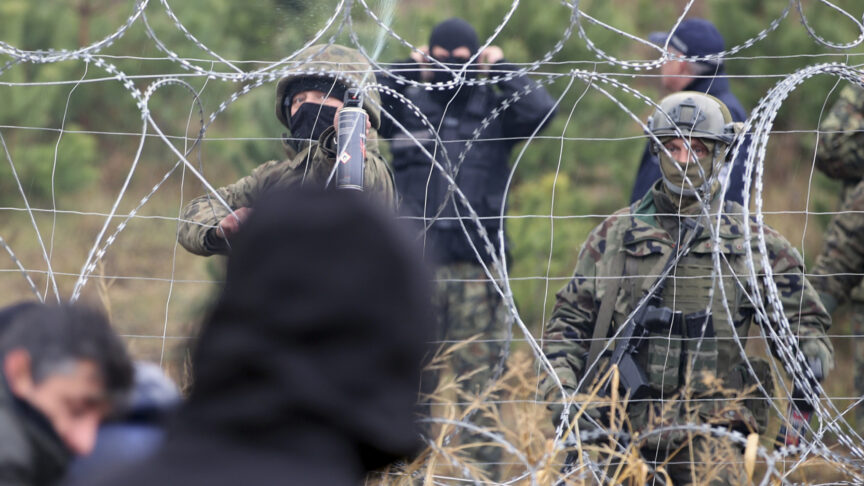
What is coercive engineered migration? And what would be the best way for the EU to respond to Minsk’s tactics?
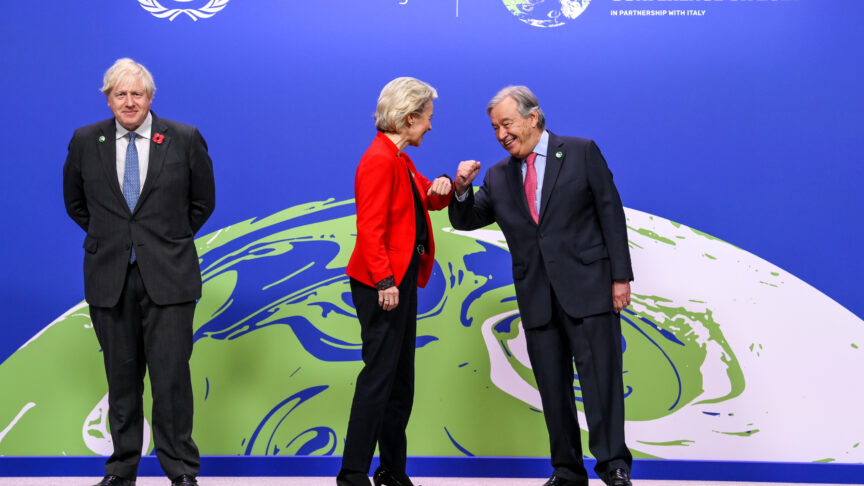
Is the EU in a position to deliver a green grand bargain, or is its role as peripheral now as it was at COP15?

Mark Leonard answers questions from our listeners about his newly released book, “The Age of Unpeace: How Connectivity causes Conflict”
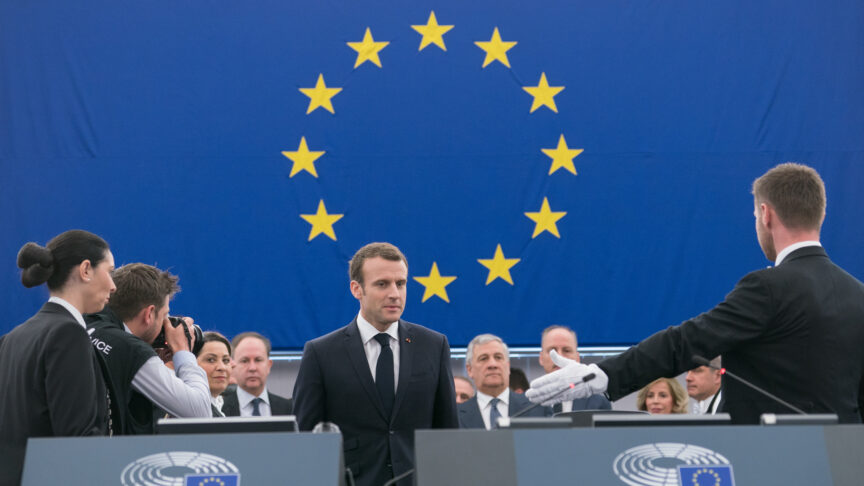
What are Macron’s plans for the EU Council presidency in 2022 and beyond?
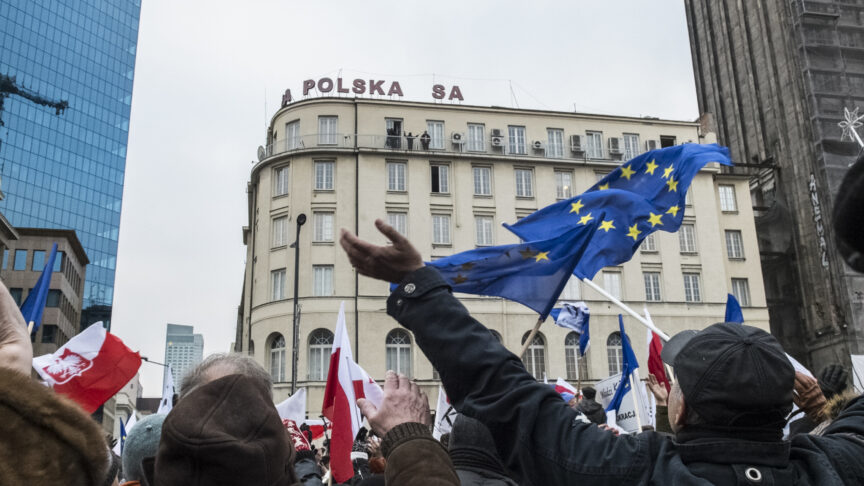
What steps can the EU take to defend its legal order and protect the authority of the CJEU?
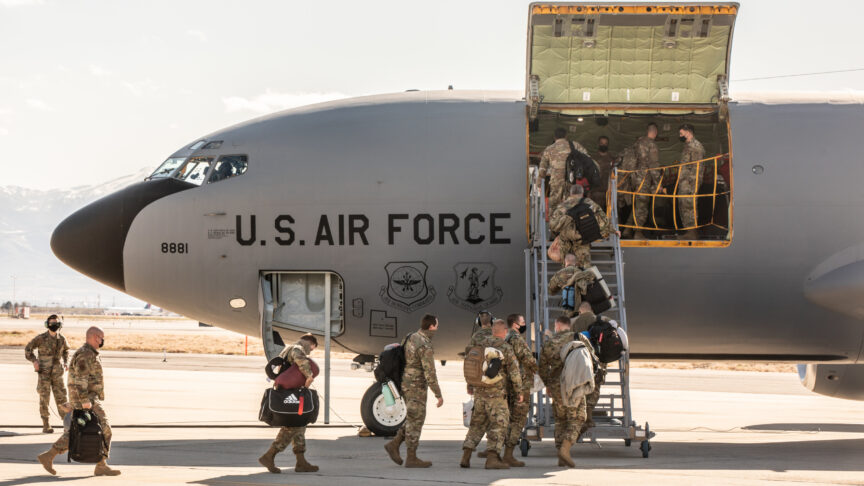
Who is filling the vacuum which the US is increasingly leaving behind in the MENA region? How are regional actors reacting to US disengagement?
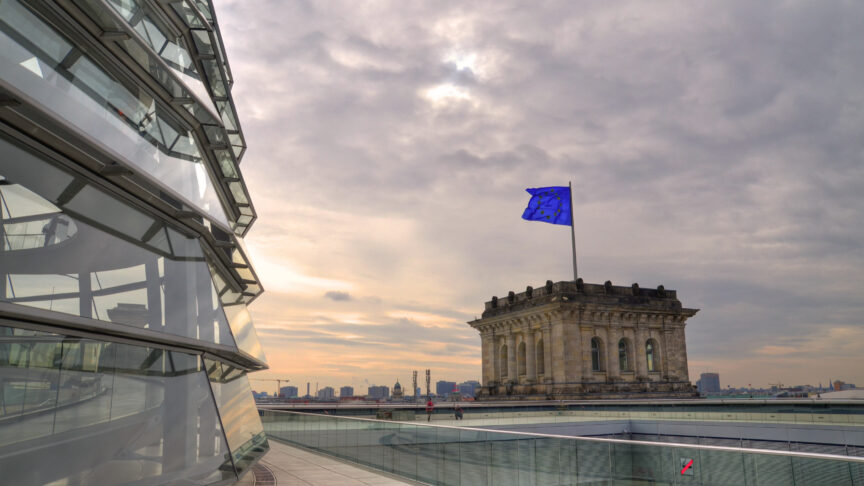
How are the German election results being perceived throughout Europe? And what do they mean for the future of our continent?