19 Jan
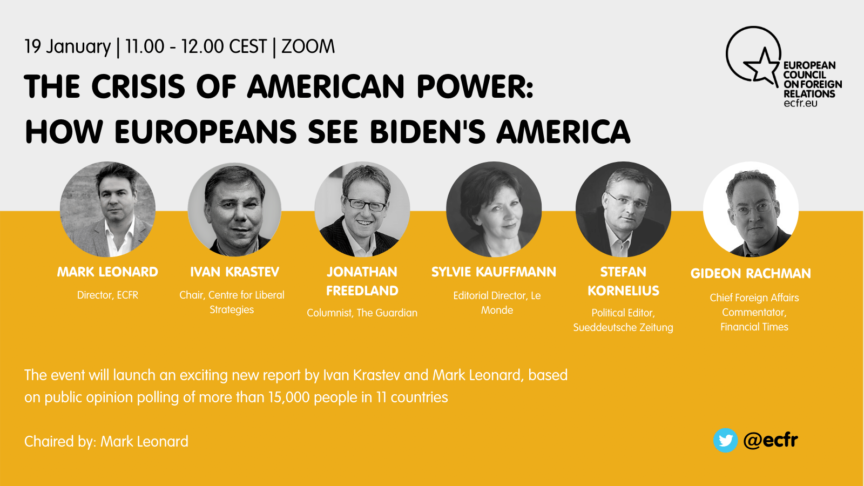
The crisis of American power: How Europeans see Biden’s America
The event will launch an exciting new report by Ivan Krastev and Mark Leonard, based on public opinion polling in 11 countries


Chairman, Centre for Liberal Strategies
Ivan Krastev chairs the Centre for Liberal Strategies in Sofia and is a permanent fellow at the Institute for Human Sciences, IWM Vienna. He is a founding board member of ECFR, a member of Open Society Foundations’ global advisory board, a contributing opinion writer for the New York Times, and the author of the widely acclaimed book “After Europe”. In 2020, he was awarded the Jean Améry Prize for European essay writing. Previously, he served as executive director of the International Commission on the Balkans and as editor-in-chief of the Bulgarian edition of Foreign Policy.
The event will launch an exciting new report by Ivan Krastev and Mark Leonard, based on public opinion polling in 11 countries
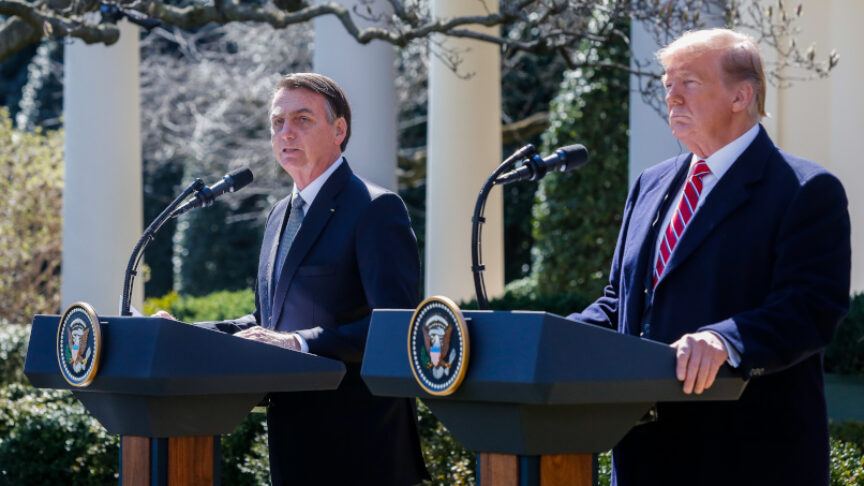
From Trump to Lukashenka, authoritarians are discovering that this isn’t their kind of crisis

Victory for Joe Biden in November would empower liberals in former Habsburg lands
As covid-19 raged, speculation grew that the crisis would re– strengthen public support for the state; faith in…
New research reveals that the crisis has revolutionised citizens’ perceptions of global order – scrambling the distinctions between nationalism and globalism
The Covid-19 crisis will dramatically reshape the EU’s response to all other crises it has faced in the last decade
As Western leaders gather in London this week, you might be able to detect a huge rupture beneath the surface
This month’s EU elections aren’t a fight between nationalists and progressives. They are total chaos
Podcast de notre conférence du 24 avril « L'avenir de la démocratie en Europe » en partenariat avec la Revue Esprit, en présence…
New ECFR/YouGov research reveals huge fluidity in current voting intentions: 70 percent of Europeans certain to vote are yet to make their choice. Nearly 100m swing voters are up for grabs
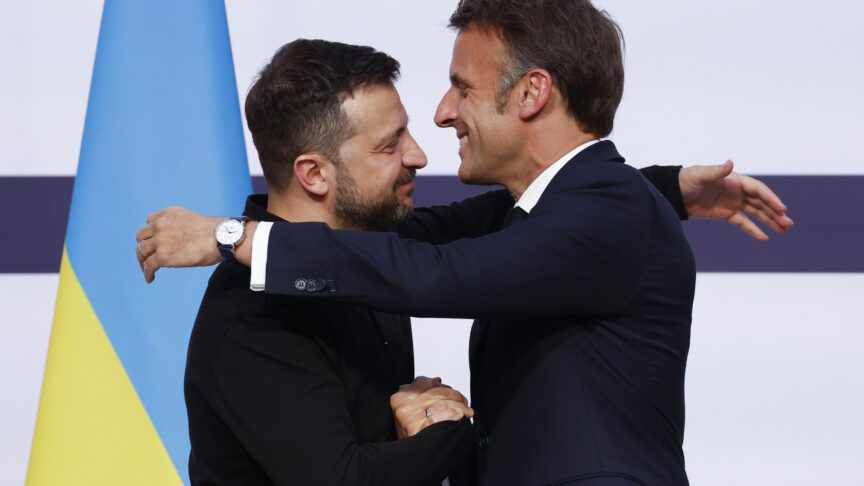
New research confirms Ukrainians’ determination to fight and Europeans’ steady support for Kyiv. But a major divide lurks beneath this appearance of unity
Mainstream parties are hoping to prevent an anticipated far-right surge in this year’s European Parliament election. But the results of ECFR’s latest opinion poll suggest their current strategy could backfire – and what they should do instead
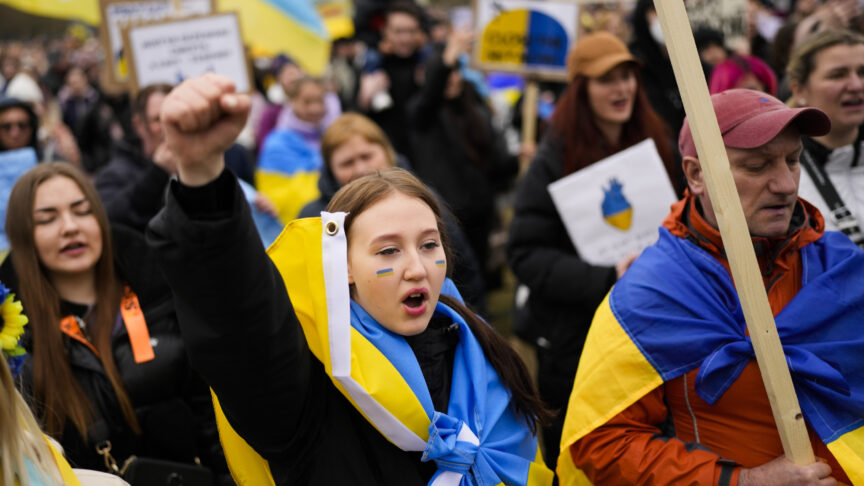
As Russia’s war on Ukraine approaches its second anniversary, European leaders need to prevent Vladimir Putin from capitalising on war fatigue in the West. To maintain public support for backing Kyiv in this crucial election year, they should make clear that a Russian victory is not peace
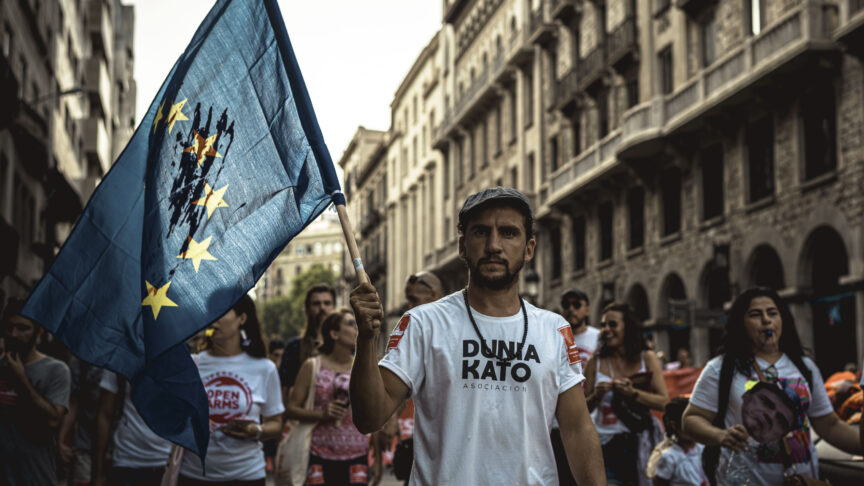
European politics is divided between ‘crisis tribes,’ formed from different traumas. Climate and migration are set to be especially influential in this year’s European Parliament election
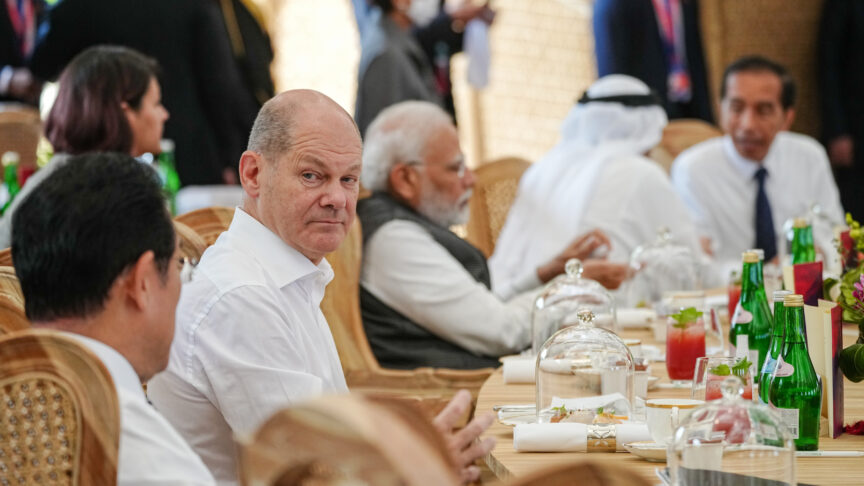
A new global opinion poll for ECFR reveals that many people outside the West want Europe and the US in their lives for all they have to offer – but that does not translate into full political alignment. People instead prefer an a la carte arrangement, in which their governments pragmatically select their partners depending on the matter at hand
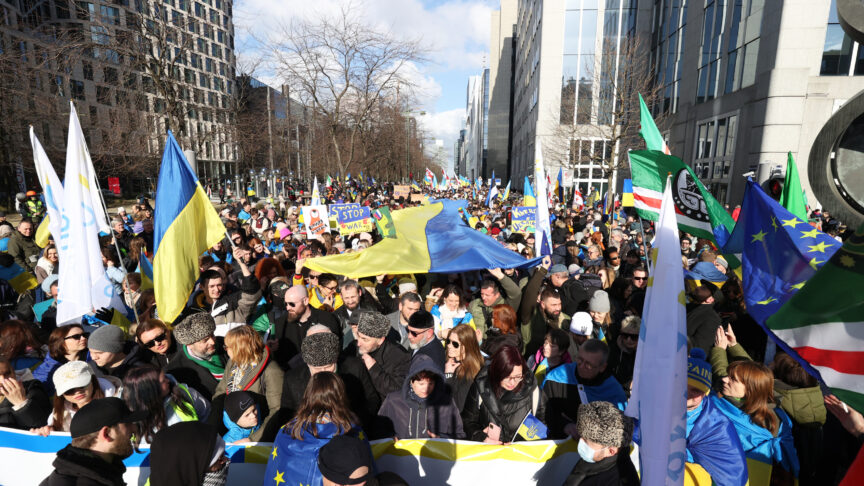
Recent polling for ECFR suggests that Europeans have come closer together in their support for Ukraine. But the factors driving this unity are fragile, contingent, and may not last
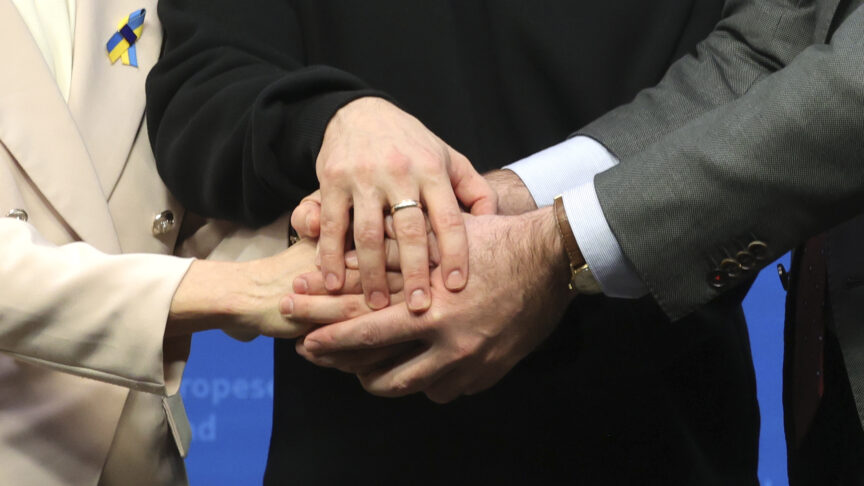
New polling for ECFR reveals the West is consolidating – while facing an increasingly post-Western world, in which powers such as India and Turkiye are readier than ever to act independently
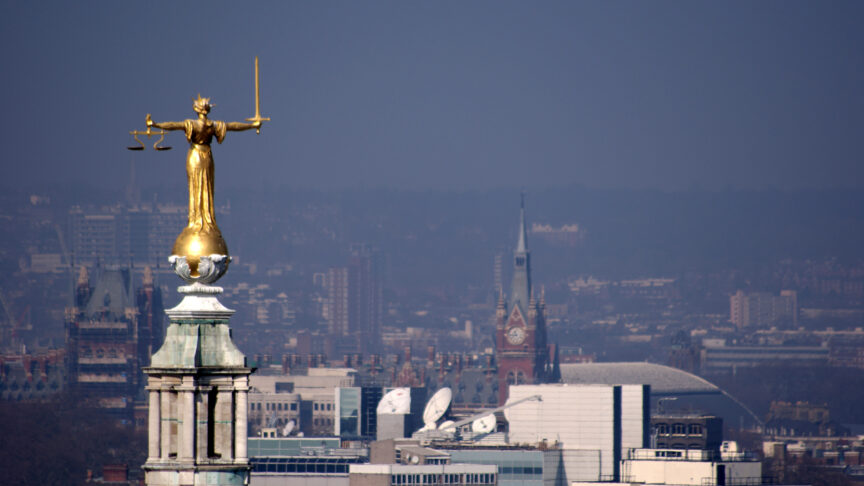
New ECFR research reveals that Europeans are split about the long-term goals of the war in Ukraine. Unless political leaders find a new language to bridge the gap between emerging “Peace” and “Justice” camps, Europe could become polarised between – and within – countries
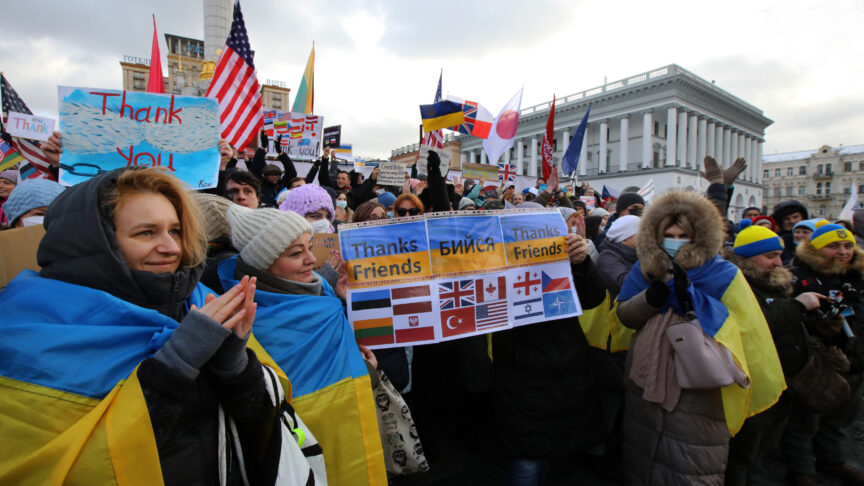
Europeans are united around three key ideas about the war in Ukraine. The crisis will likely test their readiness to defend the European security order
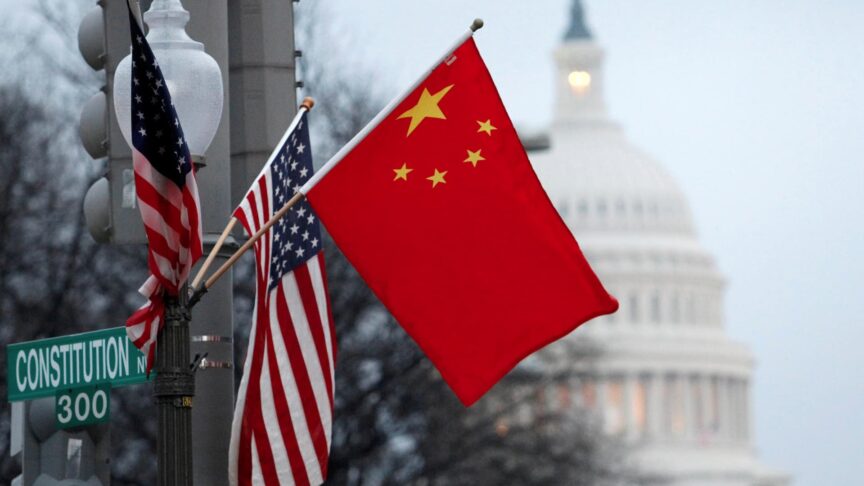
A majority of European citizens believe a new cold war with both China and Russia is under way – but they mostly do not think that their own country is involved
From Trump to Lukashenka, authoritarians are discovering that this isn’t their kind of crisis
Victory for Joe Biden in November would empower liberals in former Habsburg lands
The Covid-19 crisis will dramatically reshape the EU’s response to all other crises it has faced in the last decade
As Western leaders gather in London this week, you might be able to detect a huge rupture beneath the surface
This month’s EU elections aren’t a fight between nationalists and progressives. They are total chaos
Right-wing populists think voters obsess about immigration. But that’s not the case
Fears about political and economic marginalisation have damped the spread of new EU-optimism to Central Europe
“Go and love yourself” is essentially Mr. Trump’s message to his European allies.
In the new polycentric world, global institutions must be reformed so that regional powers have a say in the system
The Deauville summit involving Sarkozy, Merkel and Medvedev was always likely to be a non-event, beyond the recognition that Europe is now a multipolar continent. Instead we need a new system – an informal trialogue on European security that would keep the EU united, Russia post-imperial and Turkey European
New ECFR/YouGov research reveals huge fluidity in current voting intentions: 70 percent of Europeans certain to vote are yet to make their choice. Nearly 100m swing voters are up for grabs

Mark Leonard welcomes Ivan Krastev to discuss how NATO membership can help Ukraine negotiate a durable peace
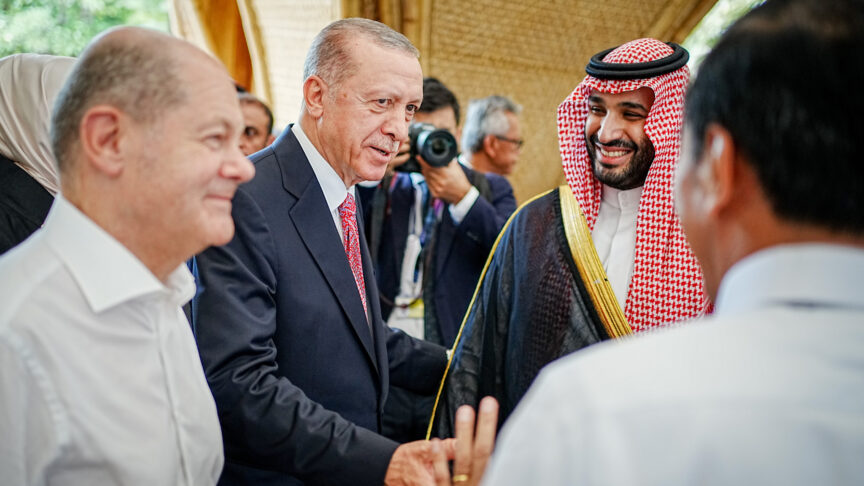
Jeremy Shapiro welcomes Timothy Garton Ash, Ivan Krastev and Mark Leonard to discuss how public sentiment can guide Europe in building partnerships and the world of tomorrow
Mark Leonard, Timothy Garton Ash, and Ivan Krastev discuss the main findings of ECFR’s latest opinion poll
We turned 15! Time to reflect on the past years and ECFR’s role in helping Europe find a strong, united voice
New ECFR research reveals that Europe’s remarkable unity in the early days of the war is under threat from an emerging split – between those who want peace as soon as possible and those who favour justice for Ukraine
As covid-19 raged, speculation grew that the crisis would re– strengthen public support for the state; faith in…
Podcast de notre conférence du 24 avril « L'avenir de la démocratie en Europe » en partenariat avec la Revue Esprit, en présence…
ECFR's Policy Fellow and Associate Director of the Madrid Office, Francisco de Borja Lasheras, and ECFR Board Member and chairman of the Centre of…
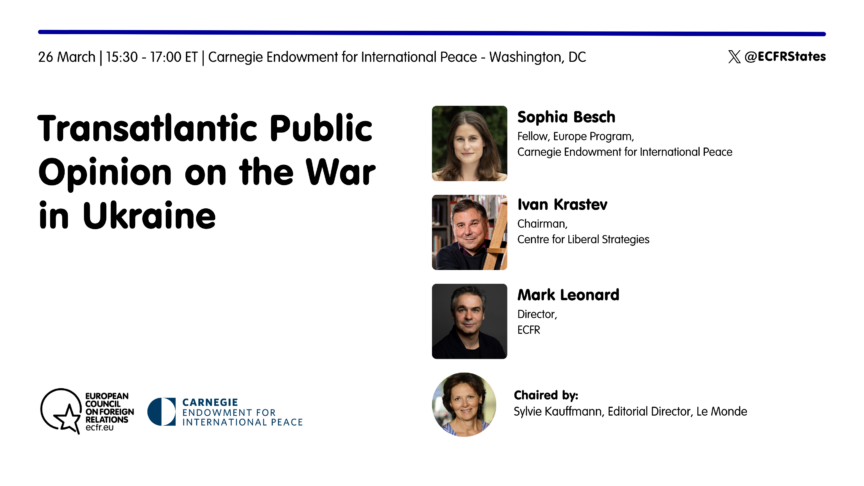
In celebration of the opening of the ECFR Washington office, this public panel will look at the state of public opinion on the war in…
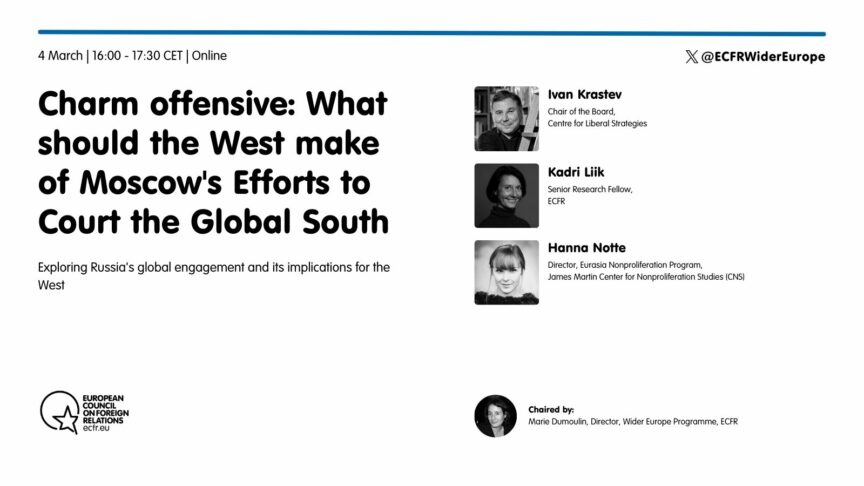
Exploring Russia’s global engagement and its implications for the West
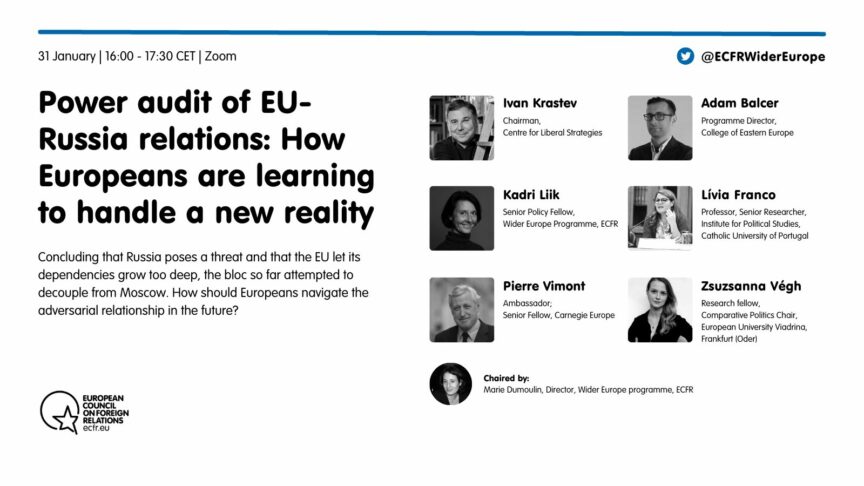
Concluding that Russia poses a threat and that the EU let its dependencies grow too deep, the bloc so far attempted to decouple from Moscow. How should Europeans navigate the adversarial relationship in the future?
The event will launch an exciting new report by Ivan Krastev and Mark Leonard, based on public opinion polling in 11 countries
Ukraine Unlock polling quoted in Al Jazeera
Berlingske reports on the findings of the Unlock polling Ukraine paper
Politiken reports on the new Ukraine public opinion Unlock paper
Hospodarske Noviny article on “The meaning of sovereignty” polling
Politico piece on polling from “The meaning of sovereignty”