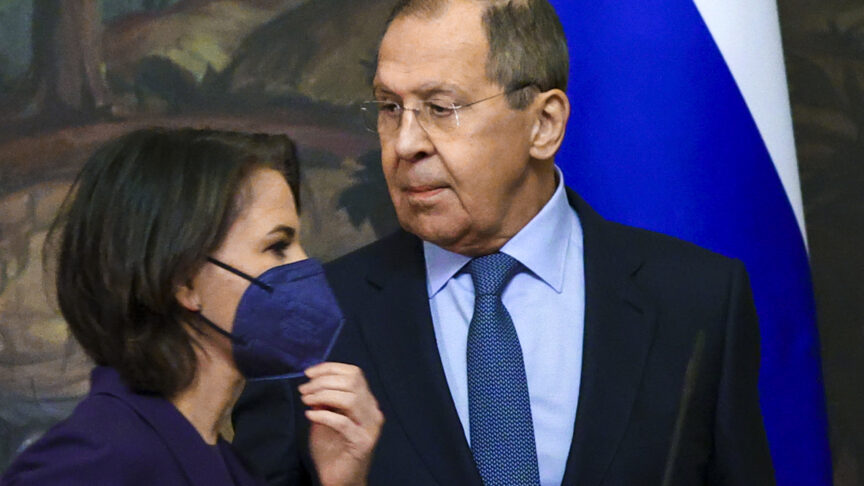
The German government has finally dispelled the uncertainty around its stance on Nord Stream 2 and potential sanctions on Russia. But the major tests of Berlin’s ability to act may still lie ahead.
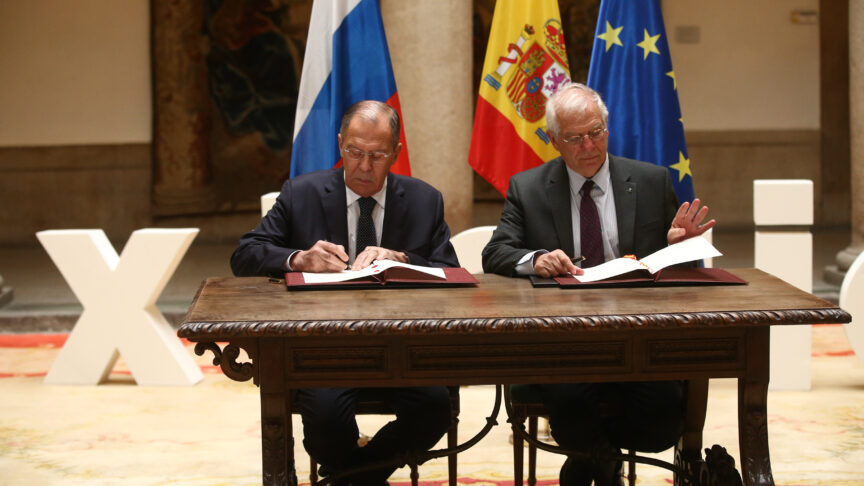
The EU should respond to the Russian threat to Ukraine by making use of its main strength – economic influence. There is no other way for the union to persuade the great powers struggling over Europe’s future that it is a force to be reckoned with.
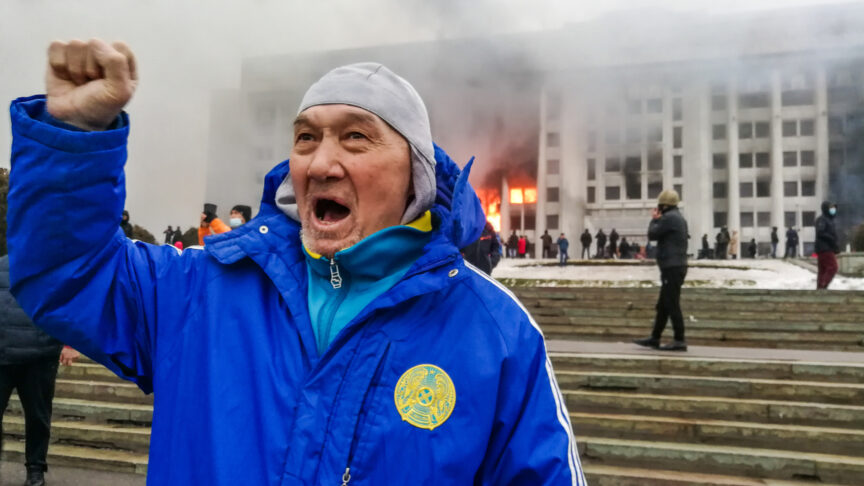
The EU should work to find out what exactly happened during the week of unrest in Kazakhstan – and press for further reforms beyond those already announced
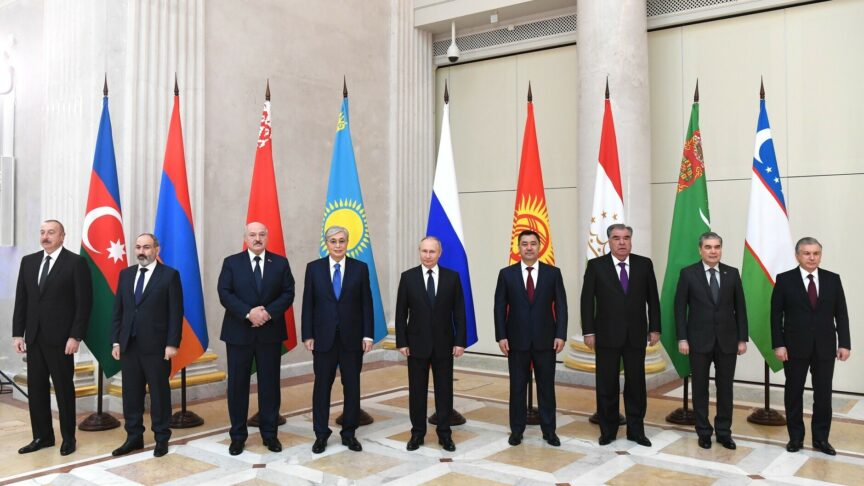
Europeans too often see strategy in Russia’s tactical use of regional crises. The EU and member states should help eastern partners become more resilient in the face of such opportunism.
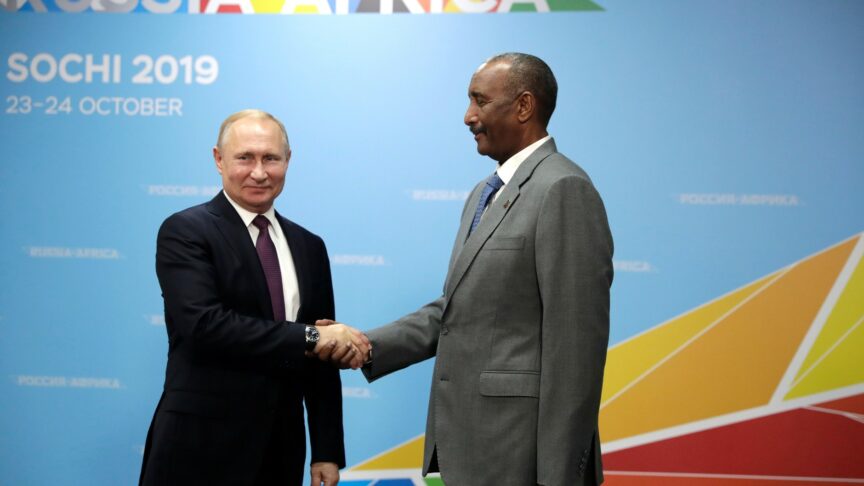
Western leaders can prevent Sudan’s military from drifting further into dependence on the Kremlin. To achieve this, they will need to take a more assertive approach to supporting the country’s protest movement and dealing with its military.
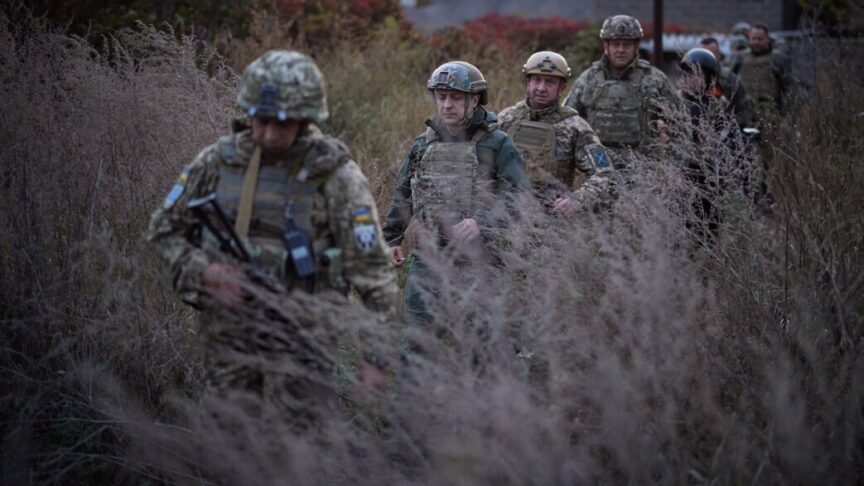
Many European leaders do not seem to grasp the seriousness of this moment in the Ukrainian conflict. Unless the West makes a greater effort to counter Russian military coercion, there is no guarantee that Russia will stop with Ukraine.
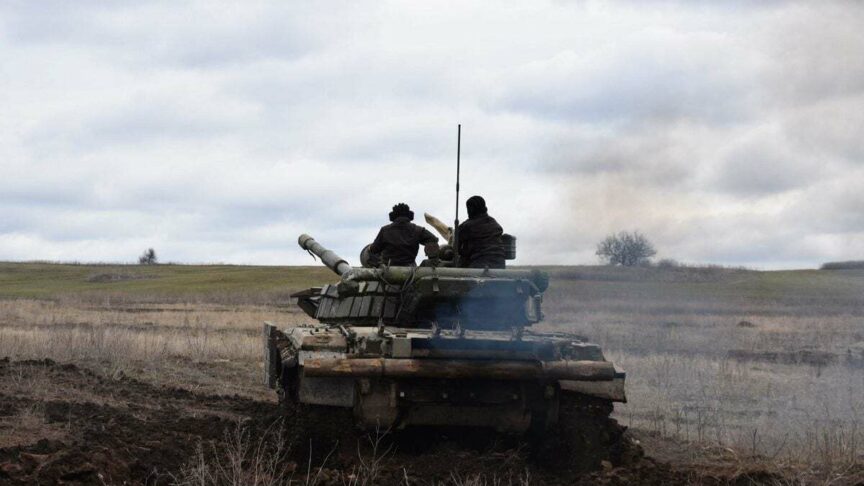
Russia is mobilising its forces, but much more covertly than in the past. Moscow’s belief that the EU and US will not step in to protect Ukraine could lead it to take direct military action.
The NATO-Russia Council has not met for two years, since the annexation of Crimea, but both sides need to discuss their differences to understand each other better
Privacy Preference
We use cookies on our website. Some of them are essential, while others help us to improve this website and your experience.If you are under 16 and wish to give consent to optional services, you must ask your legal guardians for permission.We use cookies and other technologies on our website. Some of them are essential, while others help us to improve this website and your experience.Personal data may be processed (e.g. IP addresses), for example for personalized ads and content or ad and content measurement.You can find more information about the use of your data in our privacy policy.You can revoke or adjust your selection at any time under Settings.
If you are under 16 and wish to give consent to optional services, you must ask your legal guardians for permission.We use cookies and other technologies on our website. Some of them are essential, while others help us to improve this website and your experience.Personal data may be processed (e.g. IP addresses), for example for personalized ads and content or ad and content measurement.You can find more information about the use of your data in our privacy policy.Here you will find an overview of all cookies used. You can give your consent to whole categories or display further information and select certain cookies.