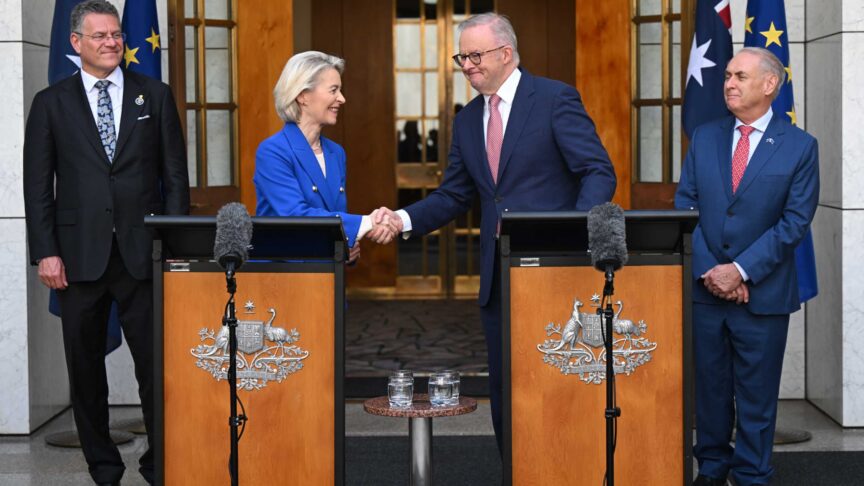
The EU has concluded its third major trade deal of 2026. Its agreement with Australia reflects both sides’ desire for new partners amid Trumpian chaos and Chinese coercion. But now this partnership should go further
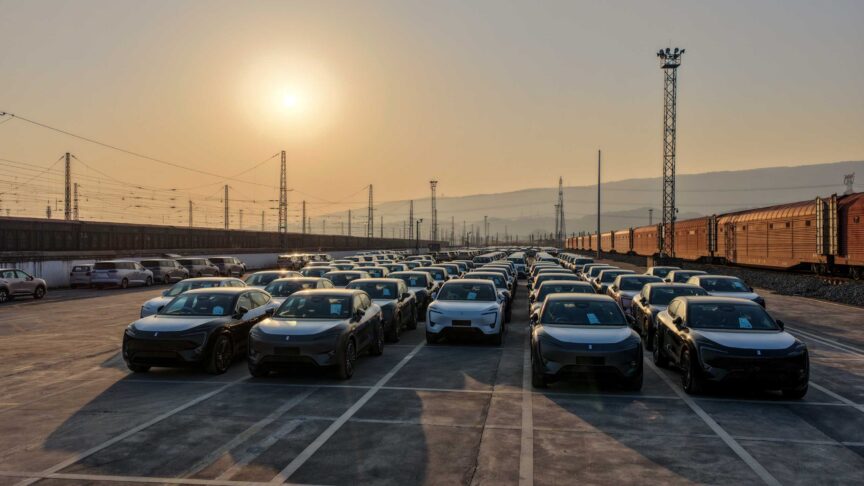
Chinese electric vehicle brands are adapting to Western trade barriers by increasing their presence in the Middle East and North Africa. Europe’s response must go beyond merely closing the loopholes
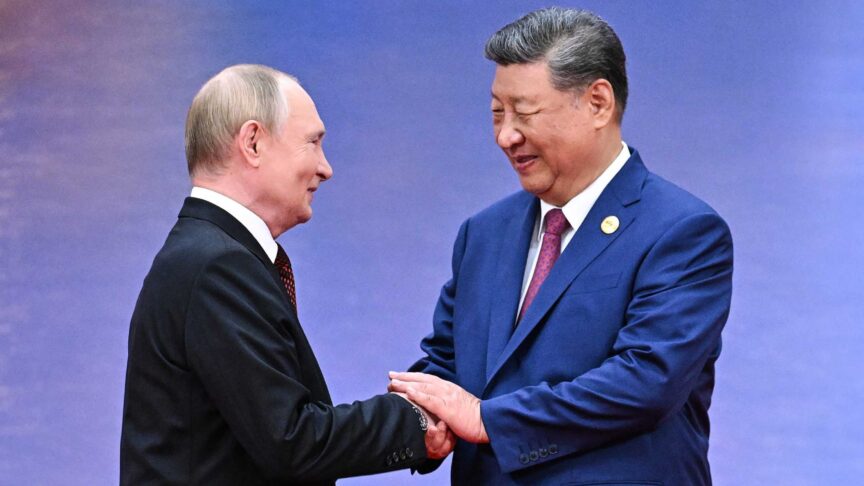
Russia is backing China’s claims to Taiwan in return for economic and trade support. Europeans need to understand the real cost of Beijing-Moscow cooperation
Alicja Bachulska, Ivana Karásková, Konrad Szatters
Policy Brief
Chinese foreign manipulation and interference are rising in Europe. Five techniques feature in Beijing’s playbook, communicating messages about China’s place in the world and support for Russian positions.
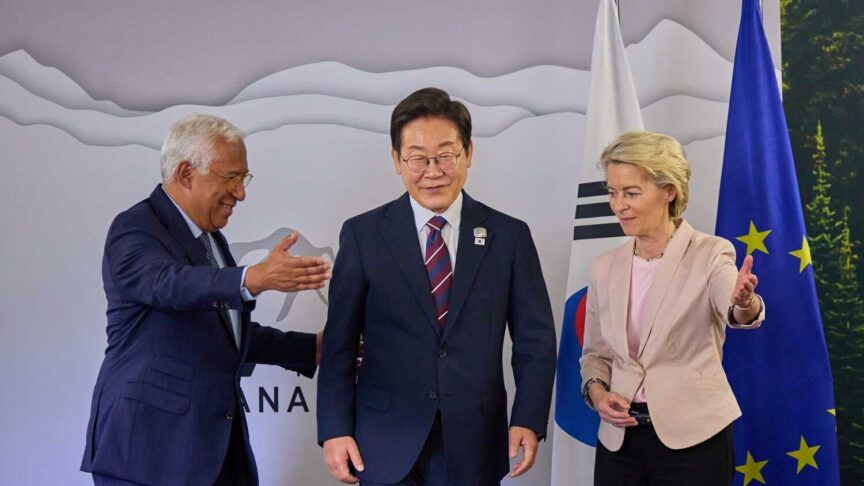
South Koreans still regard America as an ally, but frictions in their relationship could resurface at any point. The EU and South Korea should use 2026 to deepen their own defence and economic security ties, thereby strengthening their collective resilience
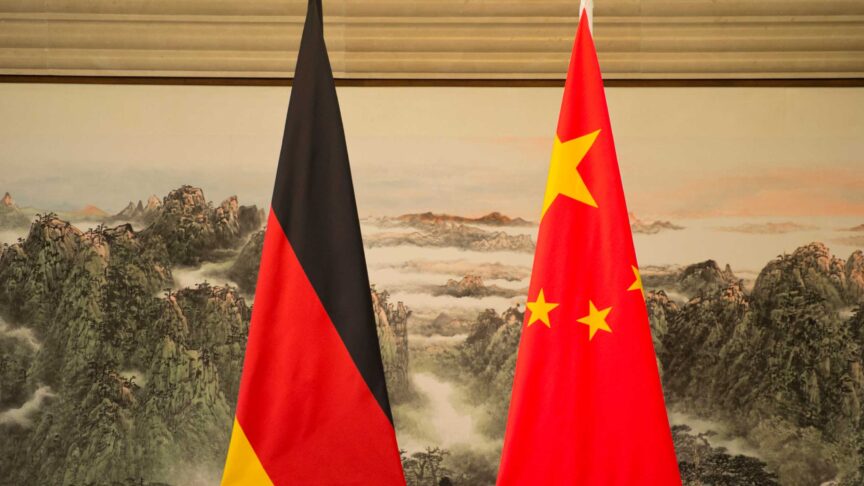
Merz’s trip is less a bilateral tour than a signal setting moment: his words and stance will influence whether Europe pivots to a more assertive China strategy or lets Beijing lock in a costly status quo
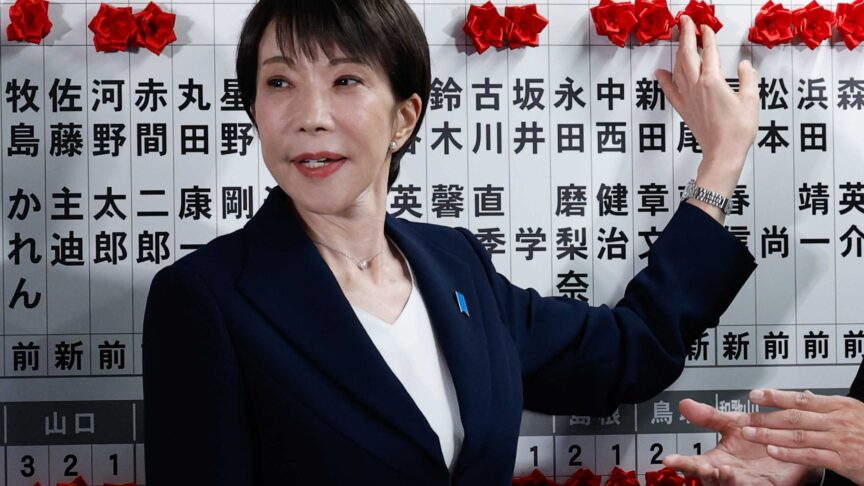
Sanae Takaichi’s supermajority victory will speed up Japan’s assertive policies on defence and economic security. For Europe, this makes Japan a more predictable partner—but it also adds pressure to match Tokyo’s new pace
China is shifting its economic strategies towards micro-integration and market diversification, which pose a more subtle danger to Europe’s industrial heartlands