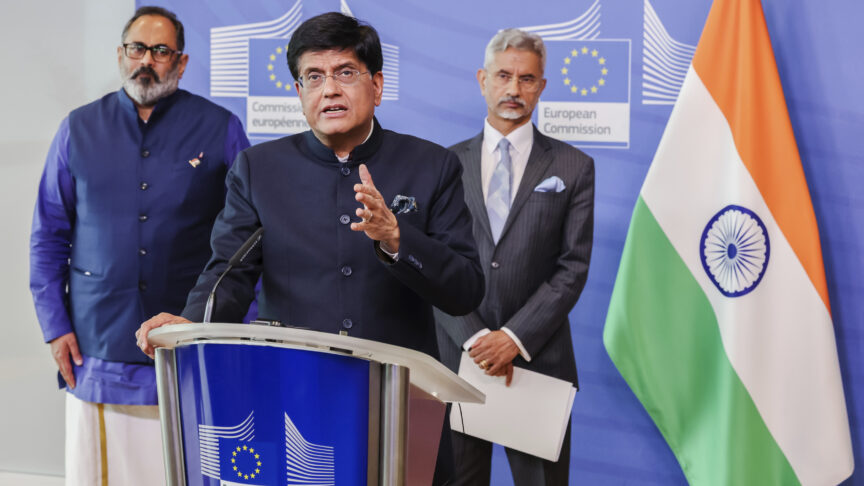
India’s tough stance at the World Trade Organisation’s ministerial conference in Abu Dhabi illustrates emerging economies’ rising resentment towards EU trade policies
Disaster relief efforts in the Indo-Pacific are quickly becoming a space for geopolitical competition, especially between the US and China. Europeans should watch closely, working to showcase their own usefulness to the region while helping to reduce its dependencies on China
Two decades ago, China’s reformist economists walked the halls of power and dictated policy. Now, they have been sidelined in favour of a new priority: national security. What happened?
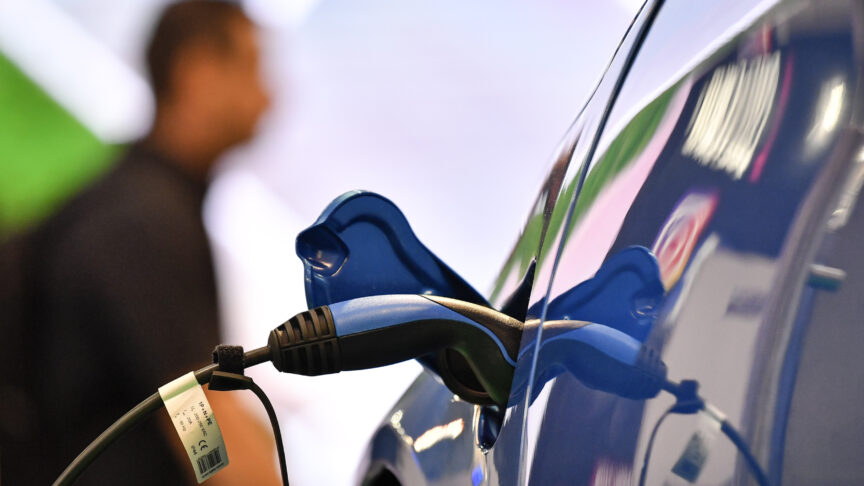
The security challenge posed by Chinese electric vehicles is in many ways greater – and trickier to solve – than that of 5G networks. With such cars entering the European market at growing speed, policymakers need to move swiftly
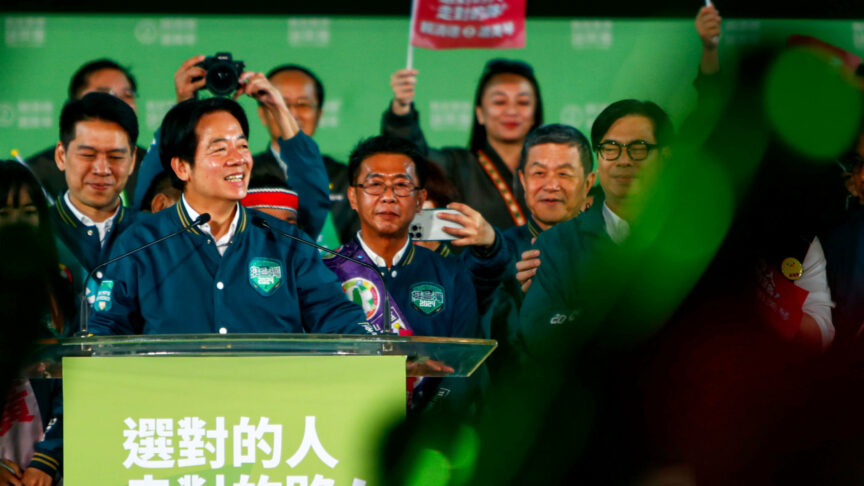
Tensions over Taiwan are likely to rise in the aftermath of this weekend’s election, regardless of who wins. The next president will seek closer ties with Europe, which will necessitate a more coherent and unified policy
The electric vehicle industry demonstrates the challenges of de-risking in practice. The EU needs more than tariffs if it wants to prevent a looming over-dependence on Chinese electric vehicles without strangling its own green ambitions
The Falepili Union treaty prioritises Tuvalu’s urgent concerns about climate change. As the EU looks to deepen relations with partners in the Indo-Pacific, it should tailor its offers to regional priorities
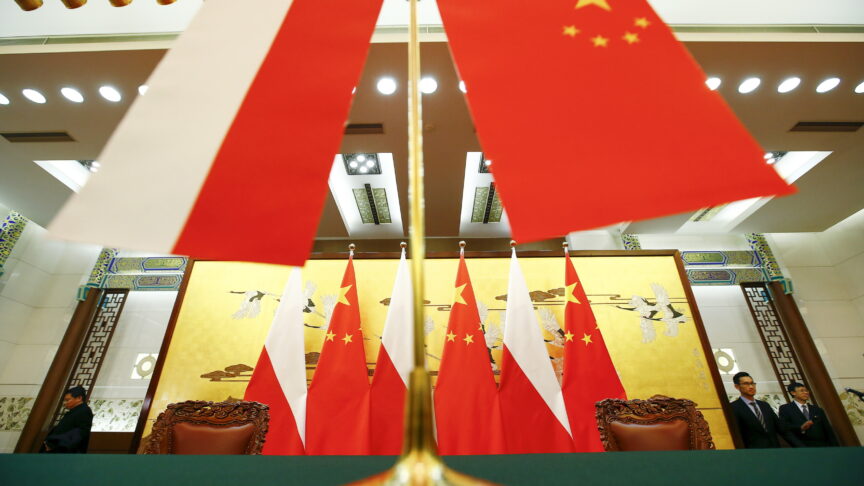
Poland needs to rethink its approach to China. The new government provides an opportunity for Warsaw to work with European partners to develop a China strategy that strengthens both Poland and the EU
As ties between Europe and China continue to cool, European leaders should refocus their energies on strengthening relations elsewhere in the Indo-Pacific
Speech by EU Commission President von der Leyen at the European China Conference 2023, organised by the European Council on Foreign Relations and the Mercator Institute for China Studies
Privacy Preference
We use cookies on our website. Some of them are essential, while others help us to improve this website and your experience.If you are under 16 and wish to give consent to optional services, you must ask your legal guardians for permission.We use cookies and other technologies on our website. Some of them are essential, while others help us to improve this website and your experience.Personal data may be processed (e.g. IP addresses), for example for personalized ads and content or ad and content measurement.You can find more information about the use of your data in our privacy policy.You can revoke or adjust your selection at any time under Settings.
If you are under 16 and wish to give consent to optional services, you must ask your legal guardians for permission.We use cookies and other technologies on our website. Some of them are essential, while others help us to improve this website and your experience.Personal data may be processed (e.g. IP addresses), for example for personalized ads and content or ad and content measurement.You can find more information about the use of your data in our privacy policy.Here you will find an overview of all cookies used. You can give your consent to whole categories or display further information and select certain cookies.