
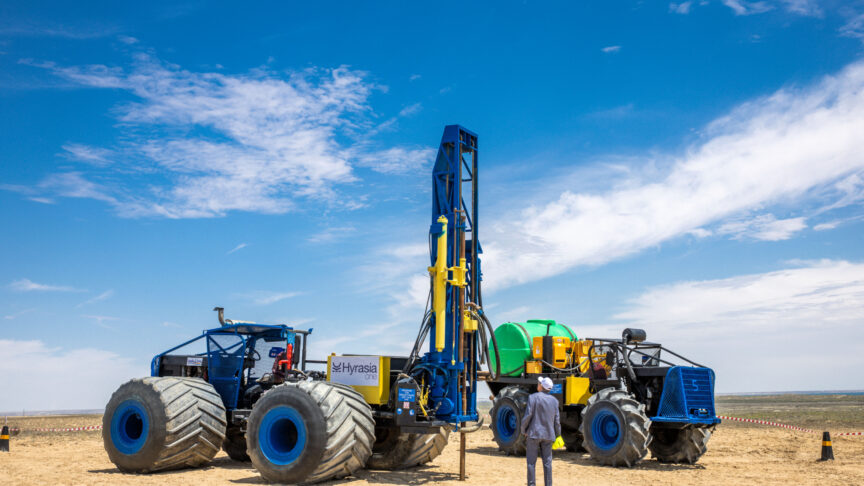
The green great game: Crafting an EU-Central Asia energy alliance
With the difficult post-Soviet years behind it, Central Asia is becoming more integrated and actively seeking partnerships beyond Russia and China


Senior Policy Fellow
EU’s energy and climate policy; Russia’s energy policy; Russia’s internal politics and foreign policy; international relations in Central and Eastern Europe
Polish, English, Russian
Szymon Kardaś is a senior policy fellow on energy within the European Power programme, based in ECFR’s Warsaw Office. His analysis will be focused on geopolitics of Europe’s new energy environment.
Between September 2012 and December 2022, Kardaś held the position of senior policy fellow at the Russian Department of the Centre for Eastern Studies in Warsaw (Ośrodek Studiów Wschodnich – OSW). He is a graduate of the Institute of International Relations, Faculty of Journalism and Political Science, University of Warsaw and the Faculty of Law and Administration, University of Warsaw. Kardaś gained his PhD in Political Science in April 2010 and is an assistant professor at the Faculty of Political Science and International Studies at the University of Warsaw since 2010.
With the difficult post-Soviet years behind it, Central Asia is becoming more integrated and actively seeking partnerships beyond Russia and China
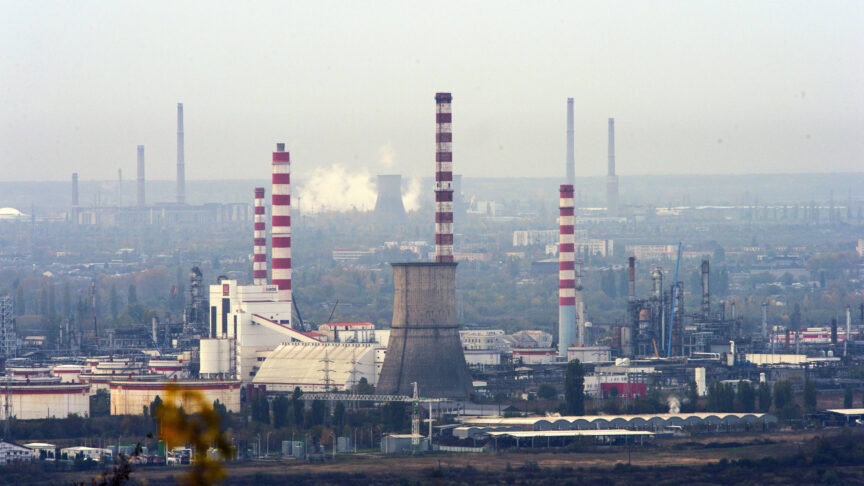
The EU has a strategic opening to align with US sanctions on Rosneft and LUKoil. It must compel divestment from European assets and close loopholes that enable Moscow to circumvent restrictions
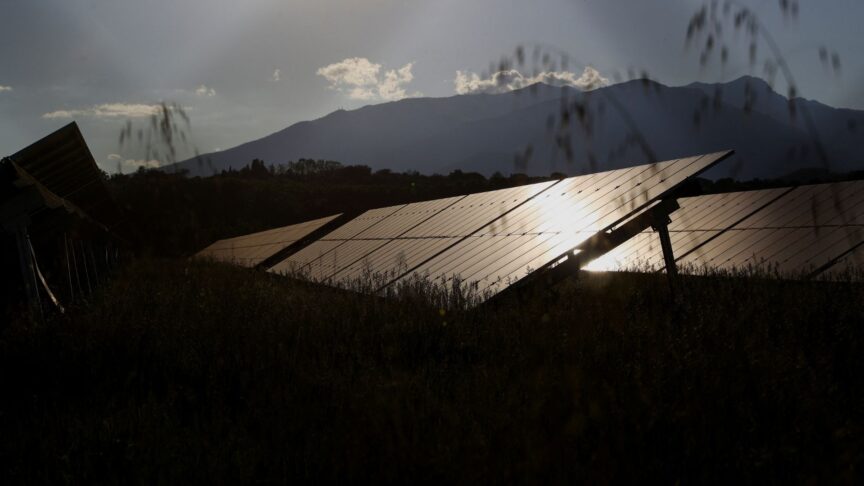
In April, millions of people across Spain and Portugal were left without power—some for almost a day. The EU must now address weaknesses in its energy infrastructure to ensure the lights stay on
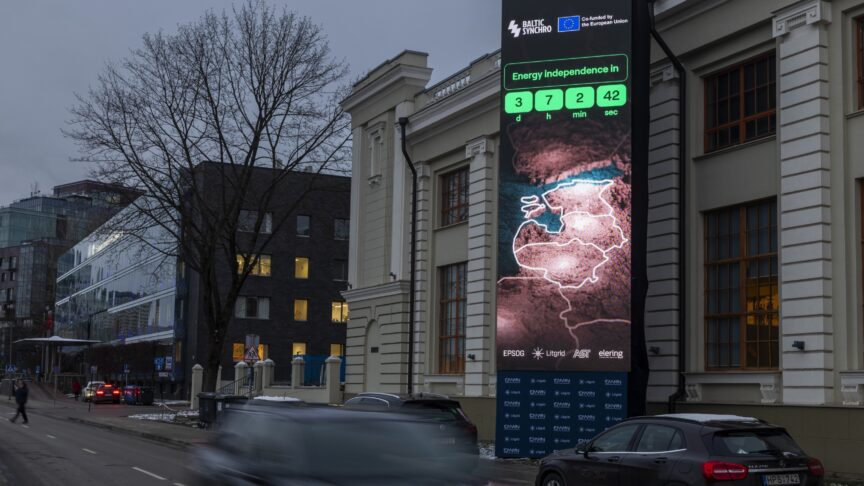
The synchronisation of the Baltic states with EU electricity networks will enhance their energy security in the face of Russian threats—but further investment is needed
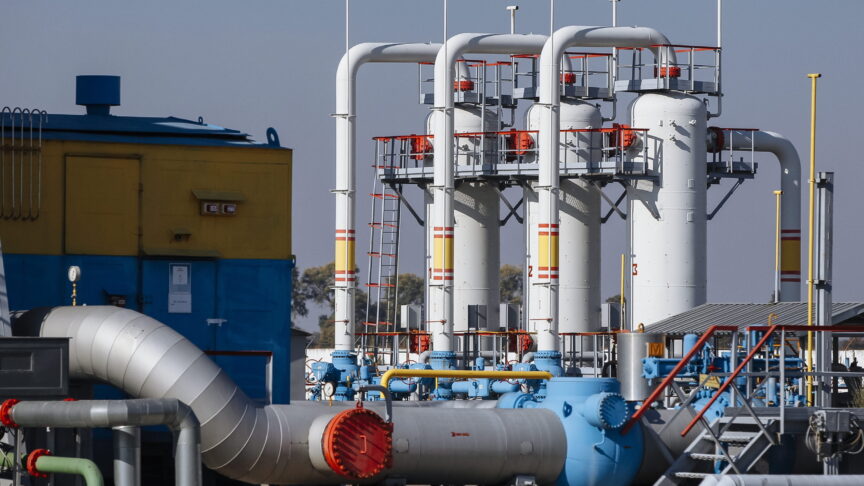
Ukraine’s suspension of Russian gas transit through its territory is not a threat to EU energy security. However, the bloc’s member states should continue working towards their goal of becoming independent of fossil fuel supplies—including gas—from Russia by 2027
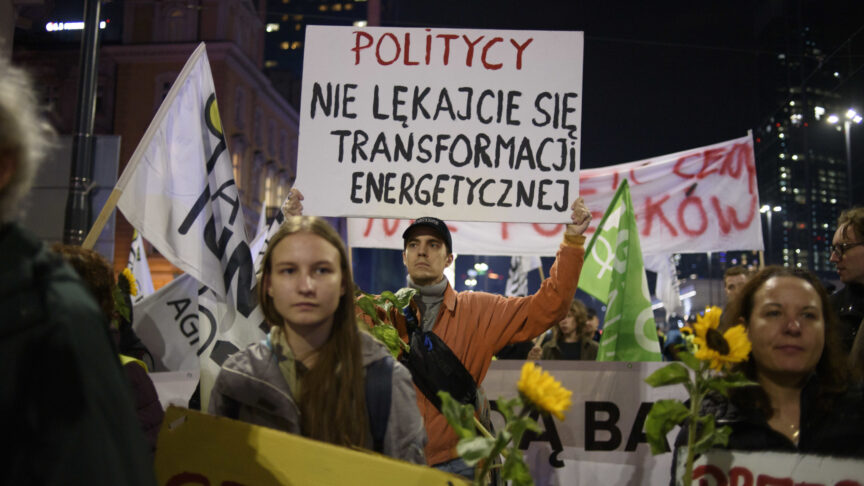
To effectively transition to a low-carbon economy while bolstering energy security and economic stability, Poland is betting on cooperation with international partners
ECFR’s 2024 Energy Sovereignty Index shows both progress and persistent pitfalls on the EU’s path to energy independence, efficiency, and cleanness. While gains in renewable energy and efficiency are notable, the bloc’s heavy reliance on energy imports is a critical vulnerability

The EU’s energy transition is a pragmatic political choice – one that can even help the new European Commission and member state governments fight the “greenlash”
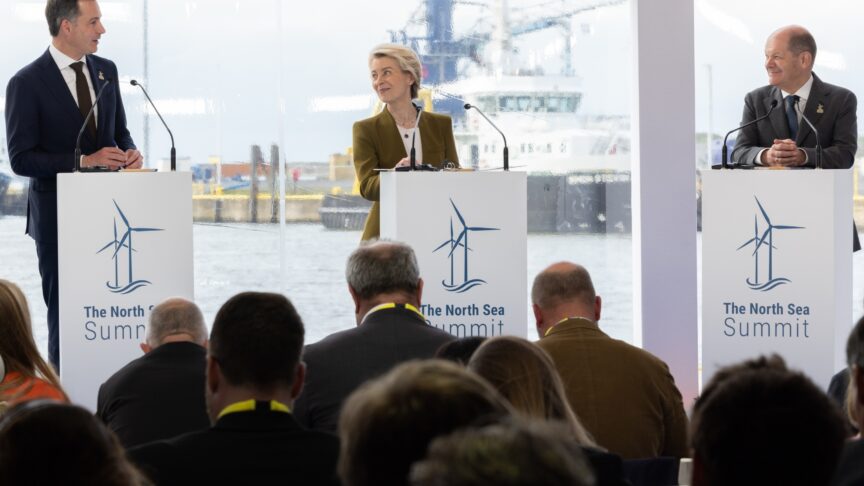
Since Russia’s invasion of Ukraine, the EU and its member states have intensified their energy diplomacy, moving away from Russian supplies and towards more secure – and greener – alternatives. But to do so efficiently, greater coordination at the EU-level is needed
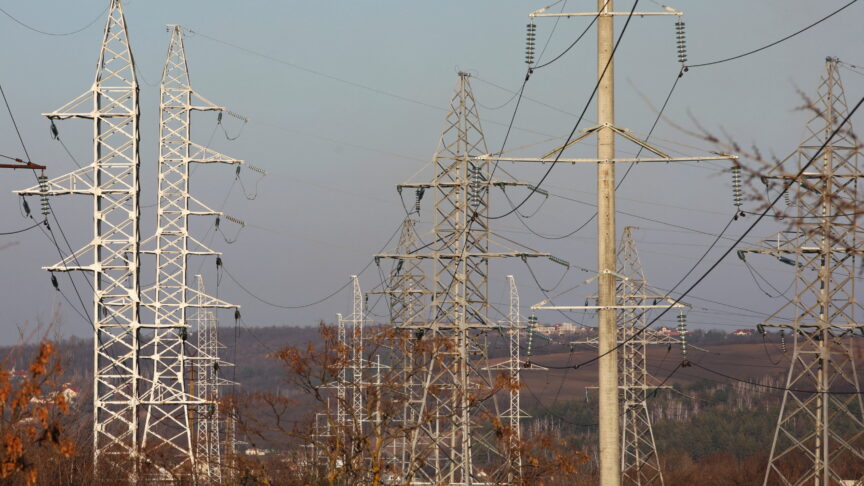
Over the past two years, the EU has helped Ukraine and Moldova to diversify away from Russian fossil fuels. This has significantly strengthened their energy sovereignty – but improving the efficiency and cleanness of their energy sectors would bring further mutual benefits
With the difficult post-Soviet years behind it, Central Asia is becoming more integrated and actively seeking partnerships beyond Russia and China
To effectively transition to a low-carbon economy while bolstering energy security and economic stability, Poland is betting on cooperation with international partners
The EU’s energy transition is a pragmatic political choice – one that can even help the new European Commission and member state governments fight the “greenlash”
Over the past two years, the EU has helped Ukraine and Moldova to diversify away from Russian fossil fuels. This has significantly strengthened their energy sovereignty – but improving the efficiency and cleanness of their energy sectors would bring further mutual benefits
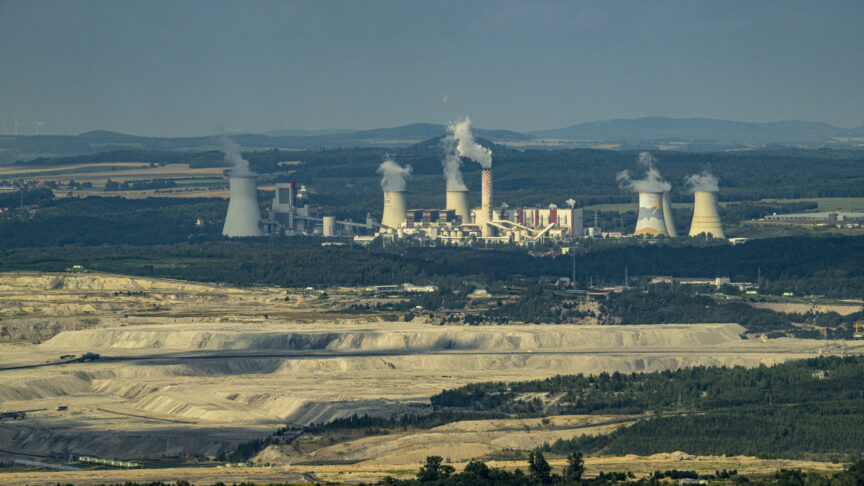
Poland has the potential for an ambitious energy transition – which it should treat comparably to its accession to the EU and NATO
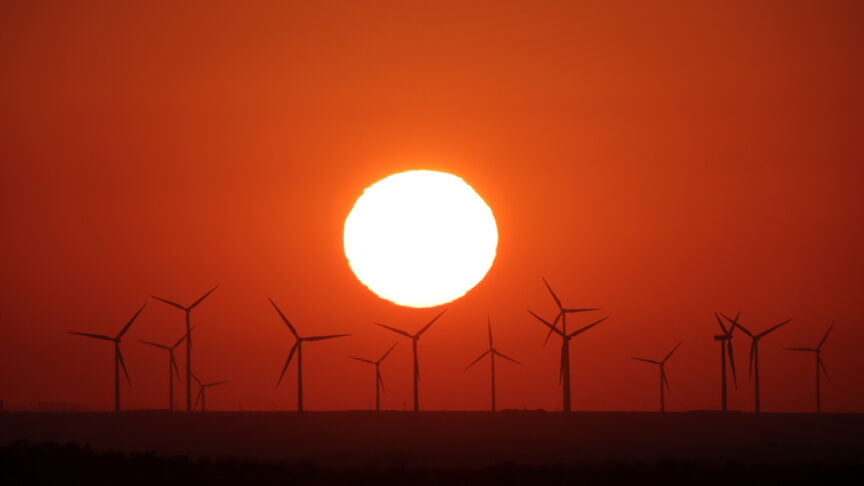
The EU’s ‘friends in need’ have supported it through the energy crisis. The bloc must now balance buying more gas with helping supplier states develop clean energy
The EU has a strategic opening to align with US sanctions on Rosneft and LUKoil. It must compel divestment from European assets and close loopholes that enable Moscow to circumvent restrictions
In April, millions of people across Spain and Portugal were left without power—some for almost a day. The EU must now address weaknesses in its energy infrastructure to ensure the lights stay on
The synchronisation of the Baltic states with EU electricity networks will enhance their energy security in the face of Russian threats—but further investment is needed
Ukraine’s suspension of Russian gas transit through its territory is not a threat to EU energy security. However, the bloc’s member states should continue working towards their goal of becoming independent of fossil fuel supplies—including gas—from Russia by 2027
Since Russia’s invasion of Ukraine, the EU and its member states have intensified their energy diplomacy, moving away from Russian supplies and towards more secure – and greener – alternatives. But to do so efficiently, greater coordination at the EU-level is needed
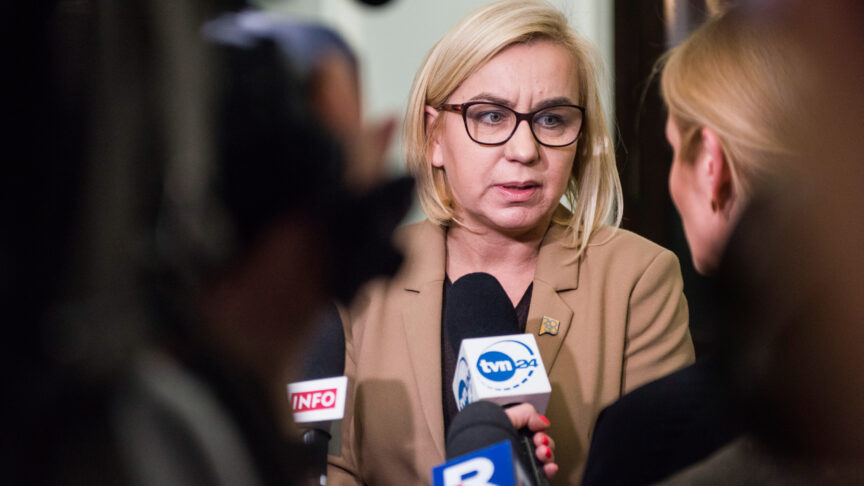
The new government in Warsaw is committed to pursuing a more ambitious energy and climate policy than its Law and Justice predecessors. There are several ways it can position itself to deliver on its goals and work closely with EU partners
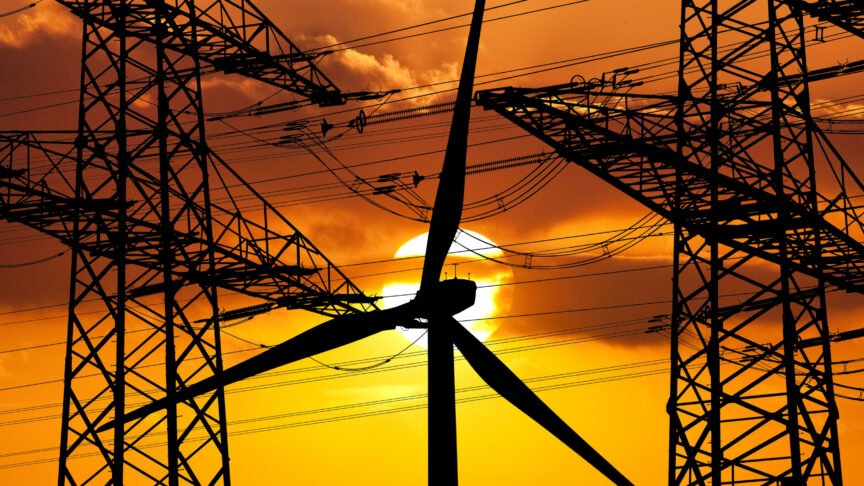
Europe urgently needs to expand and modernise its outdated electricity grid if the European Union is to achieve its renewable energy goals
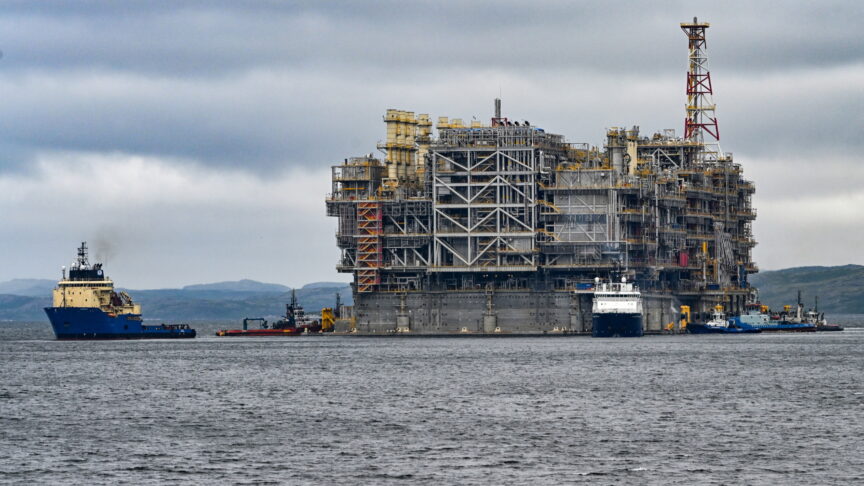
When Russia drastically reduced gas supplies to Europe in 2022, European countries scrambled to find new suppliers. Paradoxically, the biggest victim of the Kremlin’s gas war seems to be Russia itself
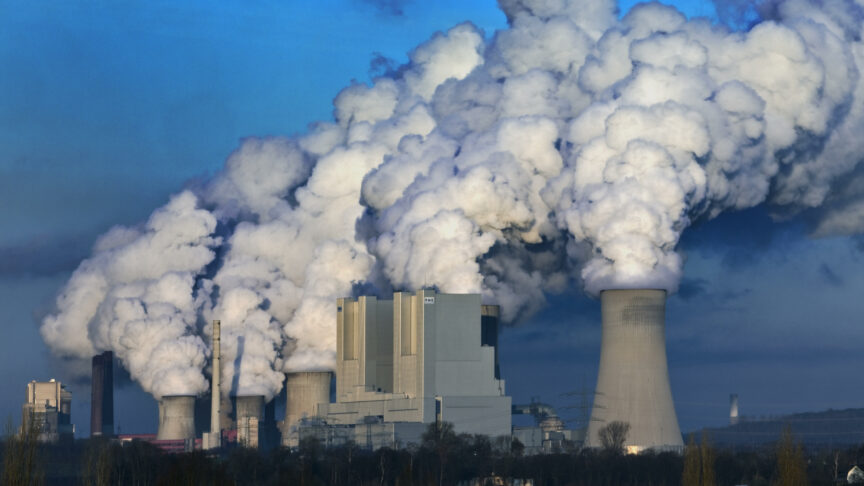
Passions on either side of the decades-long nuclear debate could slow the EU’s efforts to decarbonise its energy mix. Member states should respect one another’s positions and focus on building renewables as quickly as possible
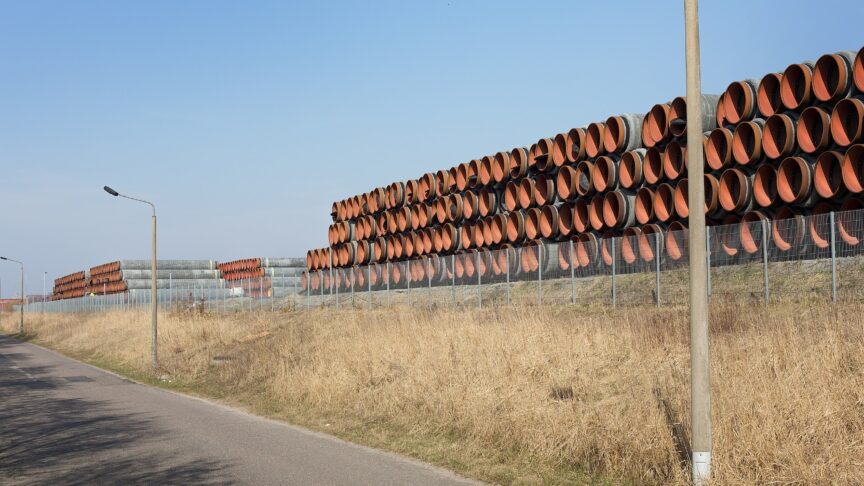
Europeans made remarkable progress in removing Russian gas from their energy mix in 2022. But 2023 brings with it a whole host of new challenges
ECFR’s 2024 Energy Sovereignty Index shows both progress and persistent pitfalls on the EU’s path to energy independence, efficiency, and cleanness. While gains in renewable energy and efficiency are notable, the bloc’s heavy reliance on energy imports is a critical vulnerability
ECFR presents an innovative new way to assess the energy sovereignty of EU member states in the wake of Russia’s invasion of Ukraine
The energy deals the EU and its member states are now making with third countries will shape Europeans’ ability to protect their energy security in the long term. The EU Energy Deals Tracker provides a comprehensive overview of these agreements, including their implications for the sustainable transition
Referring to it as “our answer to the call of history”, European Commission President Ursula von der Leyen lauded the achievements of the European Green Deal (EGD) in her recent State of the Union address. Yet, recognising that much work remains to be done, she urged Europeans to “stay the course” and to “stay ambitious”
Szymon Kardaś on US sanctions on Russian oil
Szymon Kardaś on the European Council meeting on October 23
Szymon Kardaś on US sanctions against Russian oil companies
Szymon Kardaś on the EU-US trade deal
Szymon Kardaś Russia-USA relations
You are currently viewing a placeholder content from Facebook. To access the actual content, click the button below. Please note that doing so will share data with third-party providers.
More InformationYou are currently viewing a placeholder content from Instagram. To access the actual content, click the button below. Please note that doing so will share data with third-party providers.
More InformationYou are currently viewing a placeholder content from OpenStreetMap. To access the actual content, click the button below. Please note that doing so will share data with third-party providers.
More Information