Political movements, Feminist economics, European integration, CEE countries and Poland
Languages
English, French and Polish
Biography
Gosia Piaskowska is the research and data officer at the European Council on Foreign Relations, based in the Paris office. Before, she had been the European Power programme assistant.
Prior to joining ECFR, she has worked as a UN Online Volunteer conducting desk research for the UNEP Gender and Safeguards Unit (GSU) on the Beijing+25 national reports and the UN DESA Division for Public Institutions and Digital Government on governance and institutional arrangements for the implementation of the Sustainability Development Goals in Europe.
Piaskowska holds an MA in International Employment Relations from the London School of Economics and Political Science (LSE) and a Bachelor’s Business degree from the University of Strathclyde in Glasgow.

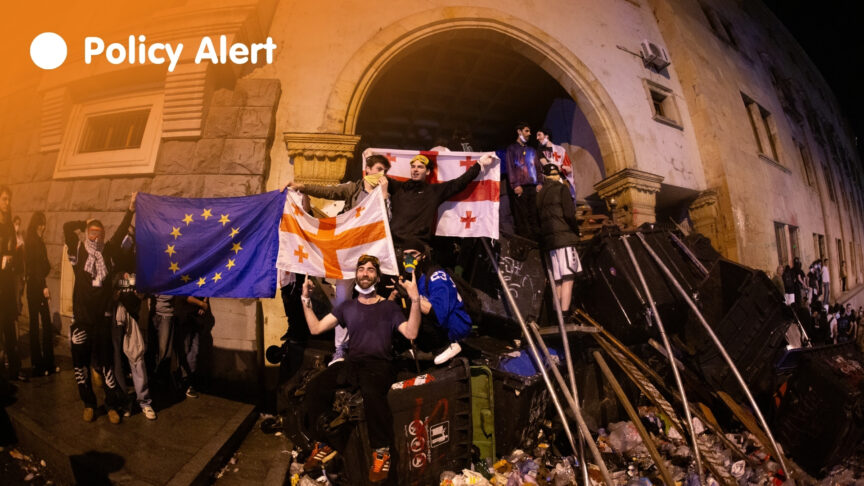
As Georgia looks set to adopt a Russian-style bill against “foreign agents” which will harm the country’s EU accession prospects, Europeans should be ready to suspend some funding assistance to Tbilisi
The energy deals the EU and its member states are now making with third countries will shape Europeans’ ability to protect their energy security in the long term. The EU Energy Deals Tracker provides a comprehensive overview of these agreements, including their implications for the sustainable transition
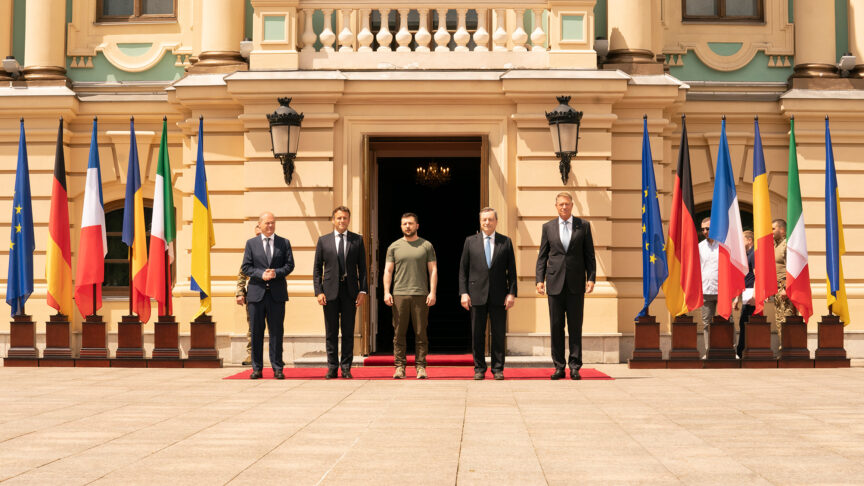
Most Europeans now support Ukraine’s accession to the EU. Yet the union’s energy, economic, and security policies will need to address public fears if it is to sustain this support
The EU can overcome the new challenges it faces and can shape the global order. To achieve this, Europeans will need to improve their joint capacity to act
European leaders need to recognise the influence that Slovenia’s Council presidency could have on the EU debate on the rule of law. They should discourage the Slovenian leadership’s undemocratic tendencies
In the media
Europeans’ support for Ukraine and their changing view of Russia will long shape national and EU-level debates
Even before Putin launched his war against Ukraine, the European public at large was ahead of their governments in expecting the Russian president to opt for violence, explain Rafael Loss and Gosia Piaskowska in their article
You are currently viewing a placeholder content from Facebook. To access the actual content, click the button below. Please note that doing so will share data with third-party providers.
You are currently viewing a placeholder content from Instagram. To access the actual content, click the button below. Please note that doing so will share data with third-party providers.
You are currently viewing a placeholder content from OpenStreetMap. To access the actual content, click the button below. Please note that doing so will share data with third-party providers.