
Germany’s second China shock
Mark Leonard welcomes Janka Oertel and Andrew Small to discuss how China’s industrial rise is shaking Germany—and Europe’s—economic foundations


Director, Asia Programme
Europe-China relations, US-China relations, Chinese foreign and economic policy, Transatlantic relations, East Asia, South Asia
English
Andrew Small is the director of the Asia programme at the European Council on Foreign Relations, based in the Berlin office. He was previously a senior fellow at the German Marshall Fund’s Indo-Pacific programme, based in Brussels, Berlin and Washington DC. He worked in 2023-2024 as the first China fellow at IDEA, the advisory hub that reports to the European Commission president, Ursula von der Leyen. He is the author of “The Rupture”, also titled “No Limits”, about the transformation of European and American policy toward China, which was named one of the Financial Times’ 2022 Politics Books of the Year. He also wrote, in 2015, “The China-Pakistan Axis: Asia’s New Geopolitics”.
His articles and papers have been published in Foreign Affairs, The New York Times, and several other journals, magazines and newspapers. He has provided congressional testimony on a number of occasions, including to the US Senate Committee on Foreign Relations.
He has been a visiting fellow at the Chinese Academy of Social Sciences, the Takshashila Institution, and in the office of Senator Edward M. Kennedy. Small was educated at Balliol College, University of Oxford.
Mark Leonard welcomes Janka Oertel and Andrew Small to discuss how China’s industrial rise is shaking Germany—and Europe’s—economic foundations

The EU can exploit its system to say no to China—now, and long into the future
The G7 and its close partners, particularly the Republic of Korea (ROK), face a rapidly evolving geopolitical landscape marked by growing economic competition, technological fragmentation, and mounting security challenges. From supply chain vulnerabilities to shifting alliances and rising geopolitical tensions, these developments are testing the resilience of existing frameworks for international cooperation

Donald Trump is in Beijing, but Europeans should not expect decisive guidance or a grand bargain with Xi Jinping. They should instead focus on managing their own exposure to Chinese risks

US and Israeli strikes on Iran have plunged the Middle East into wider war. Retaliation, regional entanglements and disrupted trade make one outcome clear: no side will achieve an easy victory

Merz’s trip is less a bilateral tour than a signal setting moment: his words and stance will influence whether Europe pivots to a more assertive China strategy or lets Beijing lock in a costly status quo
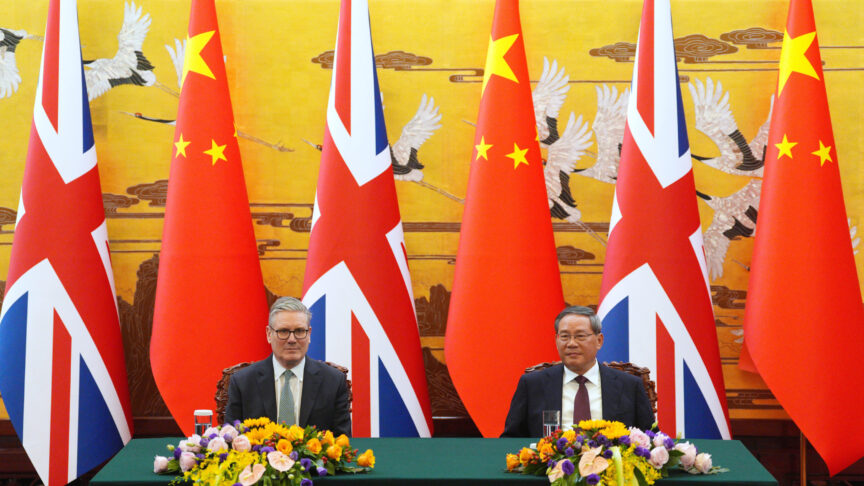
Like-minded countries are starting to protect themselves from US unpredictability and Chinese dominance by forging new coalitions. This will only work if they limit their solo deals with Beijing
Mark Leonard welcomes Julien Barnes-Dacey, Jana Kobzová, Andrew Small and Alex Vines to discuss upcoming political changes in 2026
Mark Leonard welcomes Tobias Gehrke and Andrew Small to discuss how Europeans can combat varieties of Chinese economic coercion
China now poses a deindustrialisation-level shock to Europe’s economic future. The external impact of Chinese overcapacity, involution, and Beijing’s technological leadership and supply-chain dominance in critical future technologies is presenting an existential threat to Europe’s industrial base. The EU is weighing new measures in response, including stricter investment screening, European preference in procurement, a…
The EU can exploit its system to say no to China—now, and long into the future
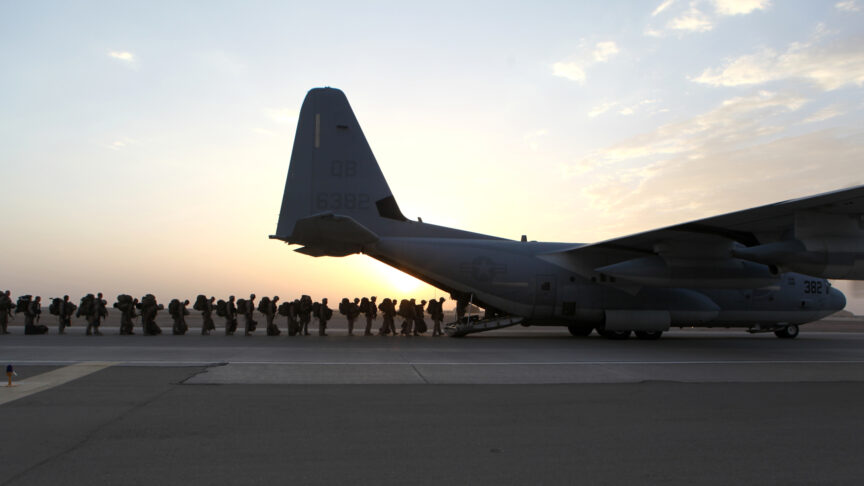
ECFR’s policy experts examine what the Taliban takeover means for countries and regions around the world: Europe, the US, the Middle East, Russia, China, Iran, Turkey, and the Sahel
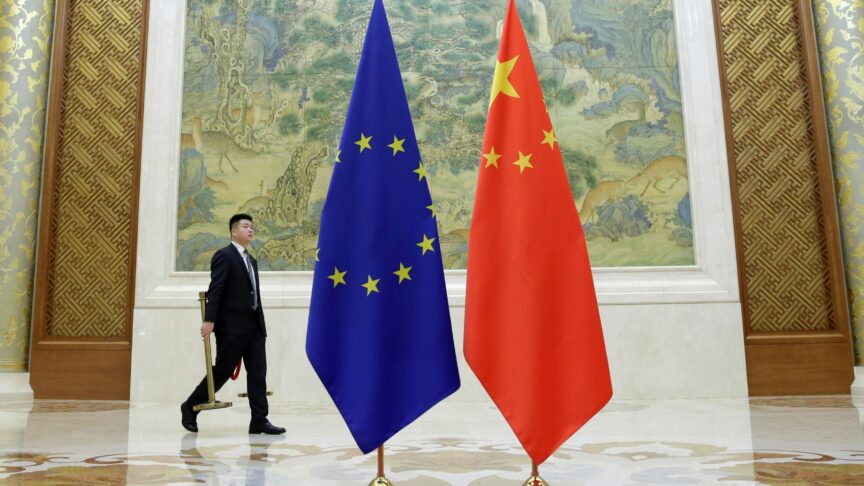
Europe should upgrade its security activities, and seize the moment to push multilateral institutions up the agenda. But it will be Europe’s connectivity agenda that provides the golden thread running through its foreign policy and its other objectives in the region
The crisis is intensifying demands for Europe to puts its China policy on a more open, accountable, and values-based footing
Donald Trump is in Beijing, but Europeans should not expect decisive guidance or a grand bargain with Xi Jinping. They should instead focus on managing their own exposure to Chinese risks
US and Israeli strikes on Iran have plunged the Middle East into wider war. Retaliation, regional entanglements and disrupted trade make one outcome clear: no side will achieve an easy victory
Merz’s trip is less a bilateral tour than a signal setting moment: his words and stance will influence whether Europe pivots to a more assertive China strategy or lets Beijing lock in a costly status quo
Like-minded countries are starting to protect themselves from US unpredictability and Chinese dominance by forging new coalitions. This will only work if they limit their solo deals with Beijing
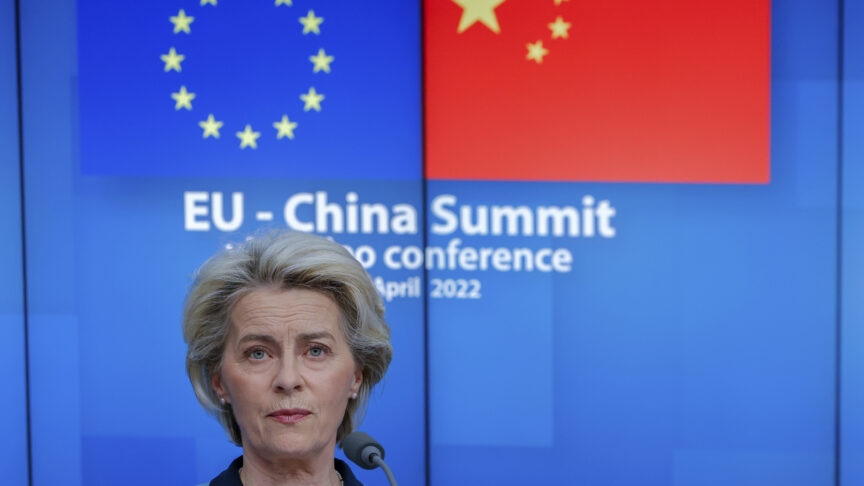
Numerous European leaders are beating a path to Beijing’s door. ECFR Asia director Janka Oertel and the German Marshall Fund’s Andrew Small reflect on European wishful thinking, clever tactical manoeuvres, and long-term strategic choices
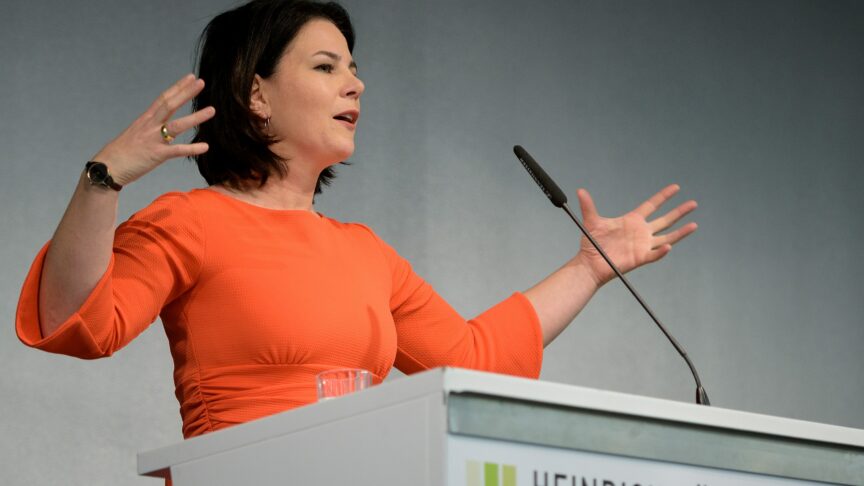
ECFR’s Janka Oertel and Andrew Small discuss how the new government in Berlin will adjust Germany’s approach to China

ECFR’s Janka Oertel and Andrew Small discuss China’s attitude towards the NATO withdrawal from Afghanistan
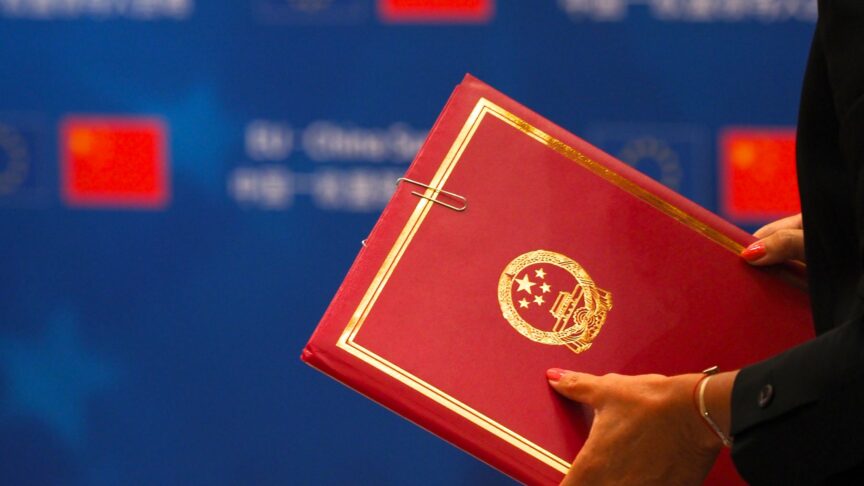
The mere prospect of a strengthened EU-US alliance forced Beijing to make concessions to Brussels last month – a lesson on the power of global coalition-building that Europe failed to take on

The US-China trade deal could make life tougher for Europe. But there are risks for China too in provoking greater coalition-building against it
Mark Leonard welcomes Janka Oertel and Andrew Small to discuss how China’s industrial rise is shaking Germany—and Europe’s—economic foundations
Mark Leonard welcomes Julien Barnes-Dacey, Jana Kobzová, Andrew Small and Alex Vines to discuss upcoming political changes in 2026
Mark Leonard welcomes Tobias Gehrke and Andrew Small to discuss how Europeans can combat varieties of Chinese economic coercion
In this week’s emergency podcast episode, Mark Leonard welcomes Andrew Small to discuss the recent escalation in tensions between India and Pakistan
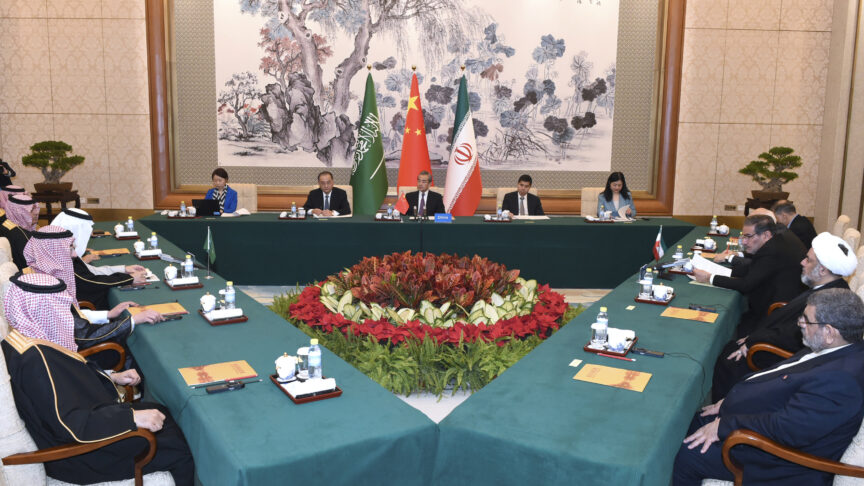
Mark Leonard welcomes Julien Barnes-Dacey, Cinzia Bianco and Andrew Small, to talk about the new Saudi – Iran deal
How do chips decide power in today’s geopolitical competition?
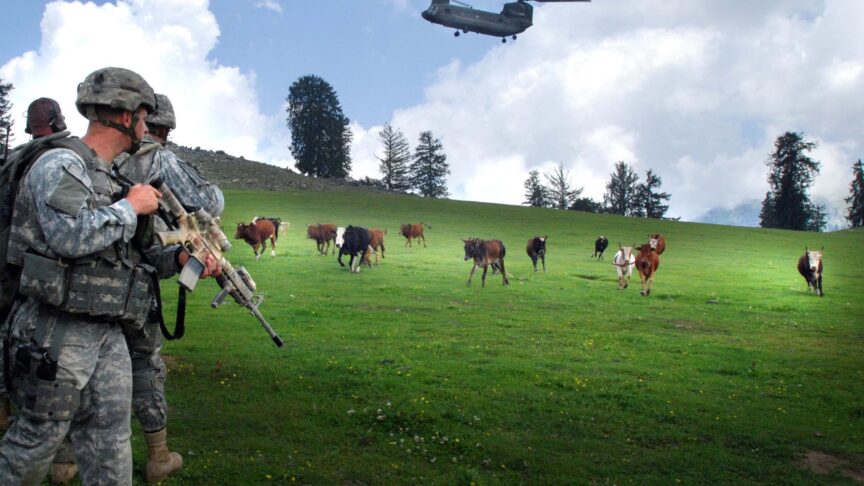
How will the Western withdrawal impact on the state of European defence and military capabilities?

What lies behind China’s dual circulation strategy? How will the EU approach all of this? And are European policy-makers really prepared to deal with this new challenge coming from China?
What are the prospects for transatlantic cooperation on China now that a new US administration is in power?
The G7 and its close partners, particularly the Republic of Korea (ROK), face a rapidly evolving geopolitical landscape marked by growing economic competition, technological fragmentation, and mounting security challenges. From supply chain vulnerabilities to shifting alliances and rising geopolitical tensions, these developments are testing the resilience of existing frameworks for international cooperation
China now poses a deindustrialisation-level shock to Europe’s economic future. The external impact of Chinese overcapacity, involution, and Beijing’s technological leadership and supply-chain dominance in critical future technologies is presenting an existential threat to Europe’s industrial base. The EU is weighing new measures in response, including stricter investment screening, European preference in procurement, a…
This panel is part of the annual Japan-Europe Core Group Warsaw 2022 on “The Future of Russia-China Relations – Implications for European and Japanese Foreign Policy
The policy brief “Promoting European strategic sovereignty in Asia” by Janka Oertel and Andrew Small will serve to kick off the discussion, which will be held in English, under Chatham House rules
An Oxford-style debate in cooperation with Intelligence² Germany
Andrew Small on EU-China trade negotiations
Andrew Small on Europe’s strategy towards China and Beijing’s moves
Andrew Small on EU-China trade negotiations
Andrew Small on EU-China trade negotiations and China’s potential concessions
Andrew Small on EU-China trade negotiations