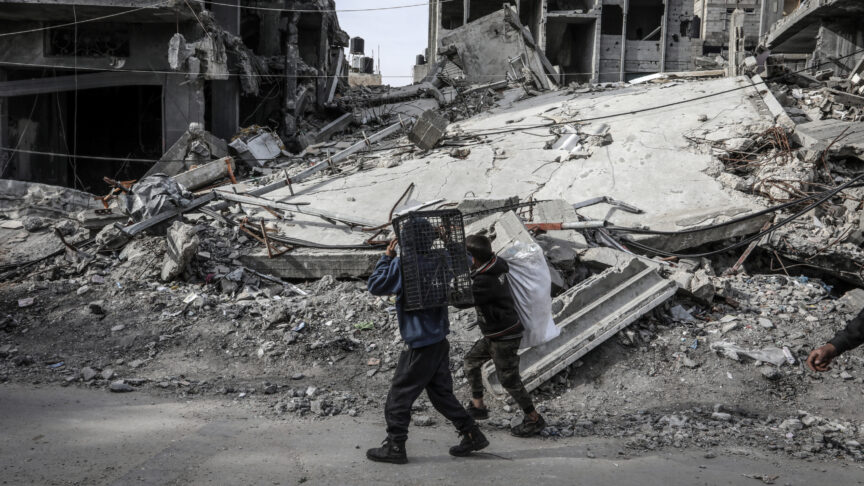
When soft power is spent: Gaza, Ukraine, and Europeans’ standing in the Arab world
Europeans’ reputation as defenders of international law has cratered among their Arab partners. The first step is to recognise the problem

Europeans’ reputation as defenders of international law has cratered among their Arab partners. The first step is to recognise the problem
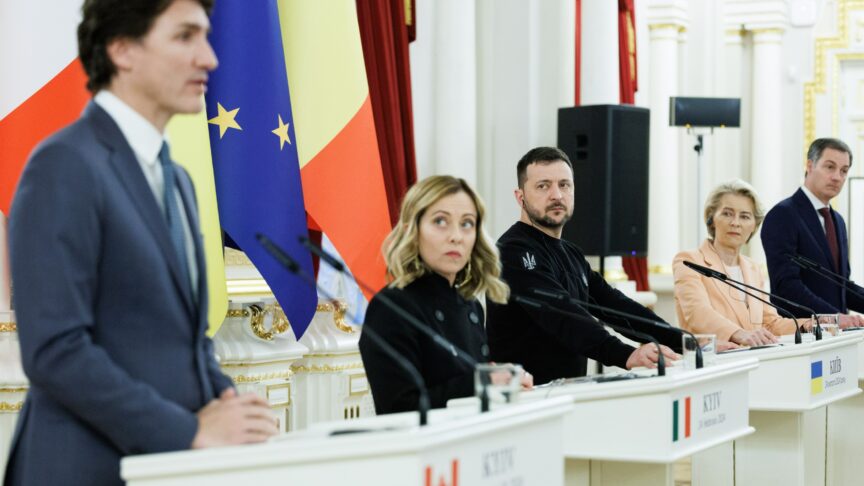
Canada’s support for Ukraine is becoming intertwined with domestic political competition, raising questions about the steadfastness of one of Kyiv’s main supporters
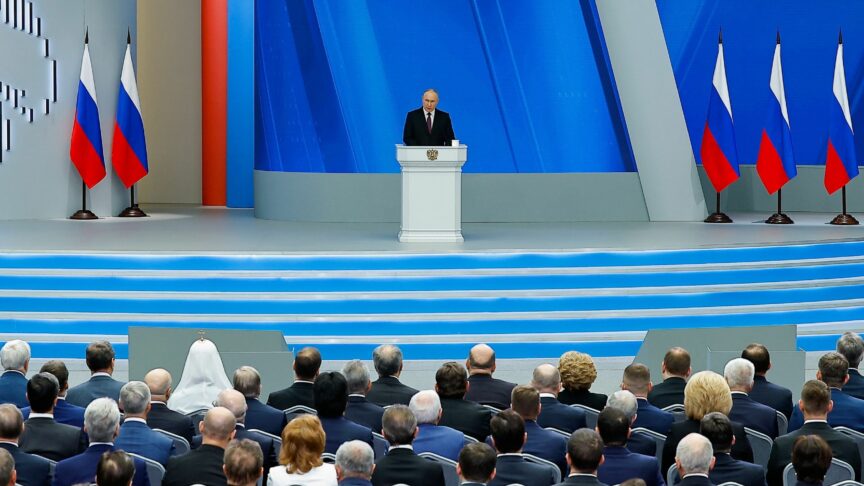
Vladimir Putin is ramping up his radical-right credentials. This reinforces his grip on power in Russia, but it could also increase his influence worldwide
Mark Leonard welcomes Ivan Krastev to discuss how NATO membership can help Ukraine negotiate a durable peace
This podcast explores deeper trends beneath the surface of Russia’s daily politics. In this episode, we analyse who is really in charge of the Russian military and its nuclear weapons.
Mark Leonard welcomes Gustav Gressel and Jeremy Shapiro to understand what factors will shape a third year of war in Ukraine
Migration in the Mediterranean has been a crisis factor for Europe for decades. To shed light on the issue, the discussion will revolve around ECFR’s policy brief edited by Lorena Stella Martini and Tarek Megerisi, which examines the case study of the Central Mediterranean route to analyse European externalization policies, focusing primarily on migration to Italy
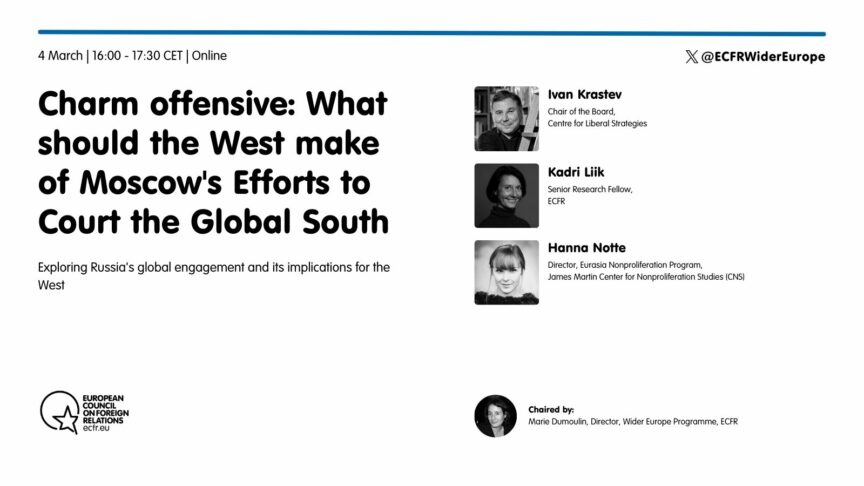
Exploring Russia’s global engagement and its implications for the West

Ukraine’s Western allies are discussing the possibility of confiscating frozen Russian sovereign assets to support Ukraine’s reconstruction. But if confiscated during the war, these funds could provide desperately needed – and stable – financial support for Kyiv’s war effort
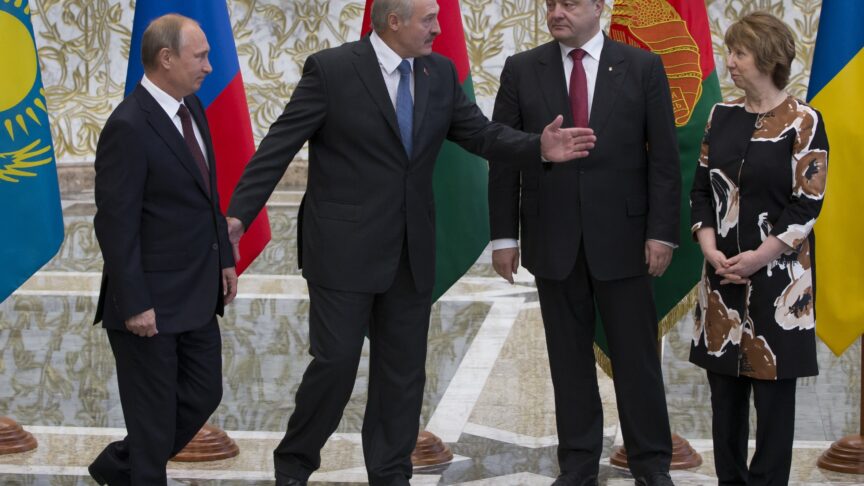
Western policymakers should study the lessons of the Minsk agreements – and drop any illusions about the ways in which Russia supposedly acts