Merz’s trip is less a bilateral tour than a signal setting moment: his words and stance will influence whether Europe pivots to a more assertive China strategy or lets Beijing lock in a costly status quo
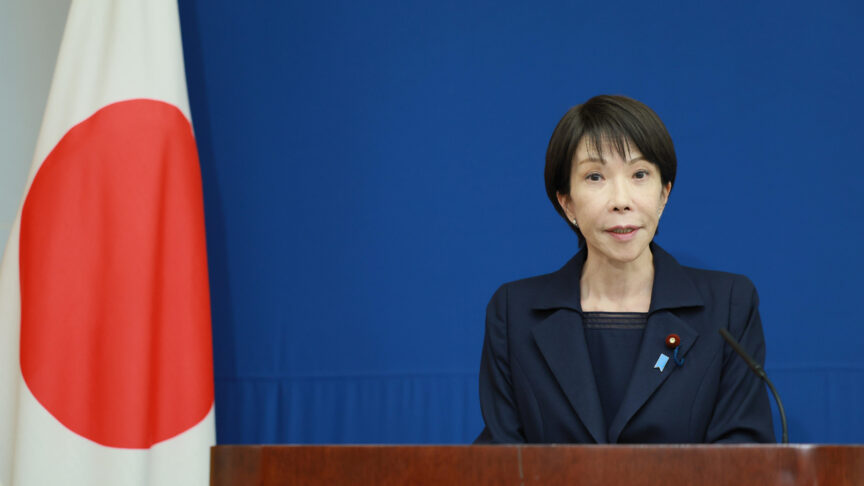
Sanae Takaichi’s supermajority victory will speed up Japan’s assertive policies on defence and economic security. For Europe, this makes Japan a more predictable partner—but it also adds pressure to match Tokyo’s new pace
China is shifting its economic strategies towards micro-integration and market diversification, which pose a more subtle danger to Europe’s industrial heartlands
Like-minded countries are starting to protect themselves from US unpredictability and Chinese dominance by forging new coalitions. This will only work if they limit their solo deals with Beijing
China’s maritime grey-zone activities threaten Taiwan’s and Europe’s security. Europeans need to work with Indo-Pacific partners to expose and counter China’s evolving tactics
Japan and China are heading towards a new, albeit contained, rivalry. To mitigate the economic and security impacts of further Chinese coercion, the EU needs to coordinate its response with Indo-Pacific partners
According to Chinese academics, economists and retired military officers, the country’s leaders are not losing any sleep over Donald Trump’s America First agenda. In fact, as they see it, the US president is ushering in a world that Chinese strategists have long been preparing for
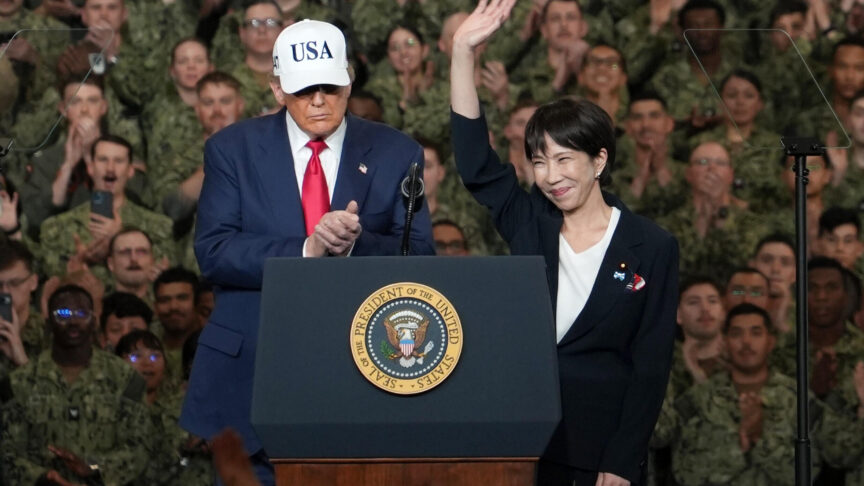
Donald Trump has already met Japan’s new prime minister, Sanae Takaichi, in Tokyo. As the two move closer on defence and economic security, the EU must reflect on the credibility of its own alliance