Enough is enough: Europe needs to oppose Israel’s aggression
Israel has become the Middle East’s leading destabiliser, threatening key European interests. Europe must avoid making the same mistakes that led to the 2003 Iraq invasion, prioritise diplomacy and urge the US not to get entangled in a war with Iran
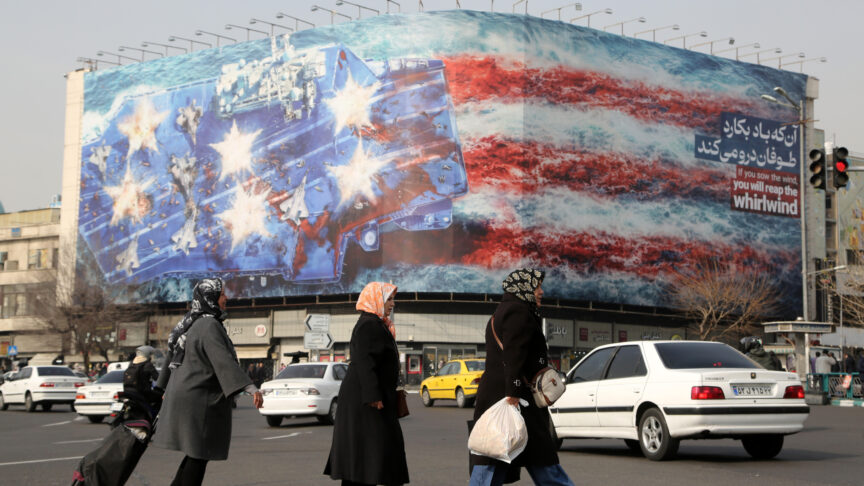
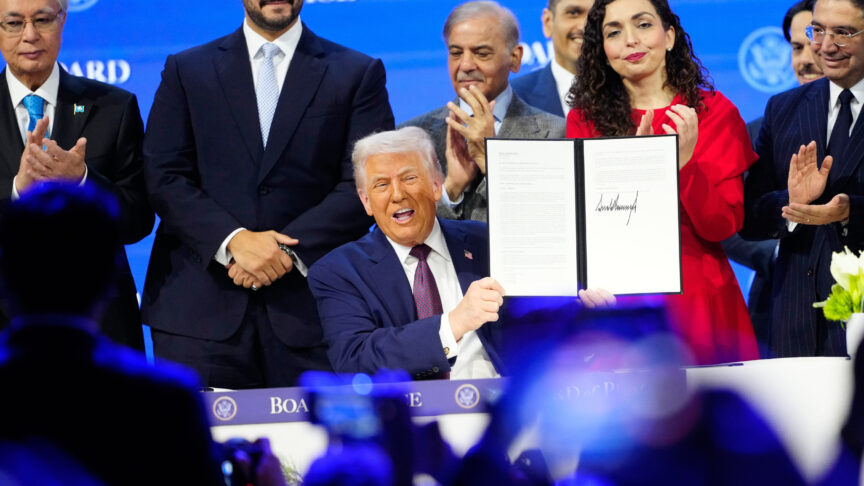
Israel’s war of choice against Iran is quickly approaching the point of no return. If the United States joins the fray, as President Donald Trump is close to authorising, the war will become more destructive and could destabilise Europe’s regional allies with far-reaching consequences.
At this pivotal moment, European governments openly supporting Israeli strikes as “doing our dirty work” must come to their senses. Europeans should use their long-standing relationship with Israel to vocally demand it halts the war, while urgently ramping up diplomatic efforts with Arab powers to press Trump to not join the campaign.
This means not just withdrawing European political cover and longstanding military assistance but also adopting sanctions on Israel and suspending preferential trade deals, to ensure constructive movement on Iran, as well as wider regional issues where Israel is also pursuing conflict, most urgently in Gaza.
On the US-Iran front, there is still a narrow space to press for renewed diplomacy to ensure Iran does not obtain a nuclear weapon and to secure regional peace. It is positive that the E3 foreign ministers—in coordination with the United States—will meet with their Iranian counterpart on June 20th. This is a critical moment which both the Iranian and European parties should view as a last chance to avert an Iran-US conflict.
Getting the facts straight
In a twisted logic, most EU leaders continue to underscore Israel’s right to self-defence while demanding Tehran de-escalate and engage in diplomacy. They should instead stick to the facts: it was Israel, the Middle East’s only nuclear-armed state, that launched a “pre-emptive” attack against Iran, in violation of international law. Israel’s initial shock-and-awe strikes inside Iran, which targeted nuclear and military sites, and killed the country’s top military commanders as well as hundreds of civilians, came just hours before a scheduled meeting between American and Iranian nuclear negotiators—and was clearly intended to derail talks.
For sure, Tehran’s recent negotiating stance, rejecting a ban on uranium enrichment on Iranian soil, increasingly frustrated Trump. The president thought he could pocket a quick win with Iran, despite the distrust caused by his decision to withdraw from the painstakingly negotiated 2015 nuclear deal. Since then, Iran’s continued expansion of its nuclear activities has legitimately heightened American and European frustration. Last week, the Board of Governors of the International Atomic Energy Agency (IAEA) formally censured Iran.
Iran likely viewed its steady nuclear escalation as a way to boost its bargaining power in negotiations with America, aiming to secure much-needed sanctions relief. But while it had increased its deterrence position, Iran had not made a decision to weaponise its programme according to Western intelligence reports, and the IAEA has found no evidence that Iran was “systematically” marching towards a bomb. Looking at the evidence, Israel did not face an “imminent threat” from Iran’s nuclear programme. Rather, Iran sought to reach a new deal over recent months, as demonstrated by five rounds of negotiations with the US, including direct talks (which Iran’s Supreme Leader Ali Khamenei had previously rejected).
The factual distortions around Iran’s nuclear programme now eerily echo the lead-up to the US invasion of Iraq in 2003. At that time, America and Britain acted on fabricated intelligence, dragging Europeans into support for military action and triggering two decades of regional war and instability—which ultimately benefited Iran. Just as he did with Iraq, Israeli prime minister Benjamin Netanyahu has been warning the world for the past 33 years that Iran is on the verge of developing nuclear weapons.
European governments must not repeat their mistakes.
The road to ruin
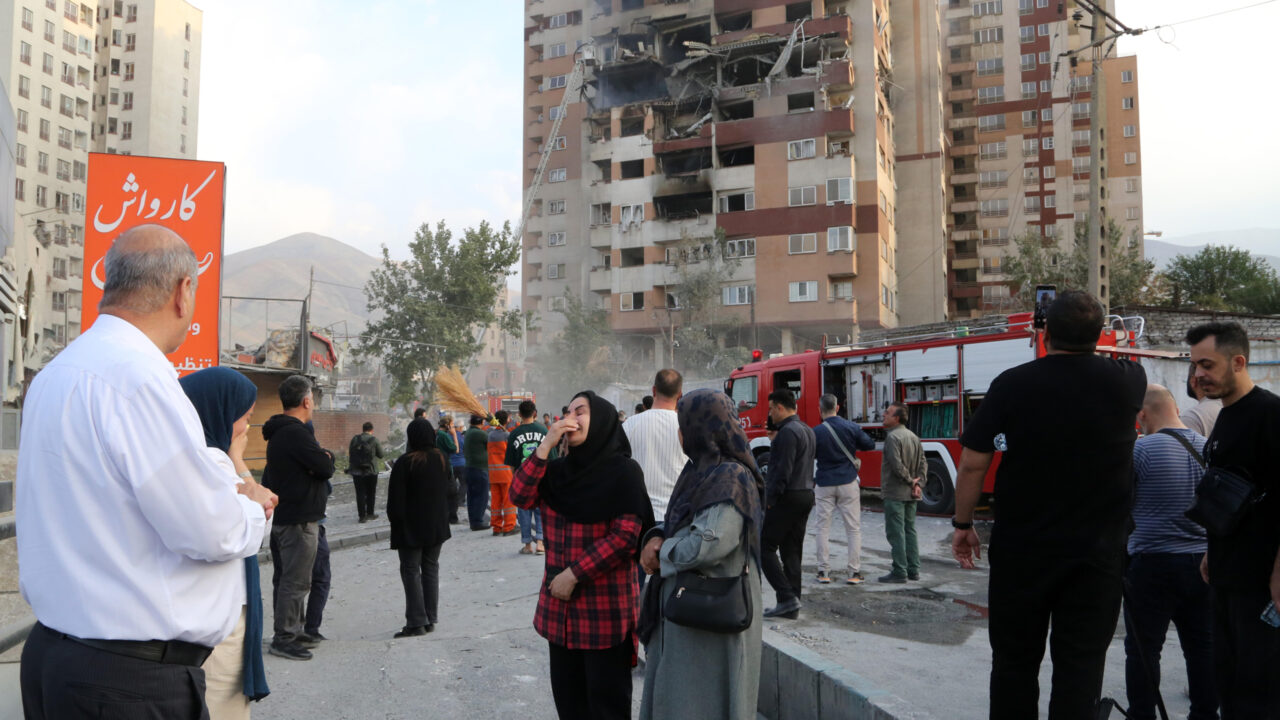
Israel’s goals have quickly expanded beyond obliterating Iran’s nuclear programme and ballistic missile capacity. Its current focus appears to include destroying the country’s wider infrastructure to stoke chaos and topple the regime.
The death toll on both sides is rising, with civilian daily life upended. This is especially so in Iran’s capital Tehran, a densely populated city of 10 million which has come under heavy Israeli strikes, with the US president warning its citizens to evacuate. Israel and Iran have targeted one another’s energy infrastructure, and hospitals have been hit on both sides. Based on the first week of conflict, however, it is obvious that Israel has the military and intelligence superiority over Iran.
This is clearly a moment of unprecedented Iranian vulnerability and Iran cannot win the fight. But Iran is not Hizbullah—it is a state actor with far more capability to resist the ongoing onslaught, including to safeguard some nuclear continuity and to inflict unprecedented damage on Israel.
Israel’s decision to go to war with Iran risks opening a Pandora’s box by dealing a fatal blow to diplomacy and pushing Iran towards either nuclear weaponisation as its primary security guarantee or towards state collapse. Any further escalation will have serious regional consequences.
Iran has so far only targeted Israel. However US intervention would undoubtedly trigger attacks by Iran and allied groups against American military assets and personnel across the region, with Tehran seeking to draw the US into a painful war of attrition. Iran could also attempt to close the Strait of Hormuz—a chokepoint through which 20% of global energy supplies pass—thereby spiking oil and gas prices. There are also rumours that Israel used Iraqi Kurdistan and Azerbaijan to smuggle Israeli drones into Iran which were used in the initial wave of attacks.[1] Israel could use these territories as launchpads for future strikes. If true, Iran could see these territories as fair game for retaliation.
Even if Israel succeeds in toppling Iran’s leadership, there is no clear plan for what happens next. As seen with Afghanistan and Iraq, nation-building is a very messy affair. Iran is a multiethnic country of over 90 million people and state failure will certainly have spillover effects, including increased migration flows to Europe.
Forebodingly, the editorial board of The Jerusalem Post, a right-wing Israeli newspaper, has called on the US to support the ethnic partition of Iran. Neighbours like Turkey and Pakistan are likely concerned that Kurdish and Balochi groups in Iran—which sit at their respective borders and have long-standing separatist aspirations—will become direct national security threats. Turkey and Arab gulf states are also wary of Israel’s ambitions to become the dominant power in the Middle East, and will likely respond by bolstering their own militaries, potentially igniting a regional arms race.
Call out Israel now
Israel, which most European governments still strongly back, has assumed the role of the chief destabiliser, actively pursuing a series of counterproductive regional conflicts that inflict immense human suffering with no endgame in sight
There is no doubt Iran is a problematic actor and threat to multiple European interests, including on the non-proliferation issue where Europeans are right to press for a solution. But Israel, which most European governments still strongly back, has assumed the role of the chief destabiliser, actively pursuing a series of counterproductive regional conflicts that inflict immense human suffering with no endgame. This comes at a moment when nearly all other nearby states, including Iran itself, had been moving towards de-escalatory diplomacy to break the region’s long cycle of conflict.
Israel is simultaneously continuing its campaign of ethnic cleansing in Gaza—pushing the population into starvation—and advancing its illegal annexation of the West Bank. It is also engaged in military conflict and occupations in Lebanon and Syria. It now seeks to drag the West into a war with Iran—one whose aims go far beyond the nuclear issue.
While Europe and Israel have shared concerns regarding the threats posed by Iran, Israel’s stance across the Middle East is increasingly threatening core European interests, including regional stability, migration control, counter-terrorism efforts, global trade and energy security.
But there is still time for European leaders to persuade Trump and Iran to take a political exit-strategy. To achieve this, they should help the US find a face-saving path for Iran to return to the negotiating table. Khamenei has made clear that Tehran will not unconditionally surrender as Trump has demanded. However Iran has signalled its desire to resume diplomacy if Israel stops its attacks—an outcome that European leaders should be calling for unequivocally.
With Israel dependent on US military support to continue its war efforts and now calling on Washington to deploy critical bunker buster bombs to target Iran’s Fordow nuclear facility, Trump has tremendous leverage to end the war. Europeans should make the case that a nuclear deal remains possible and is a far better option for America and the world than a costly war that will consume Trump’s presidency and his legacy. They should work closely with Arab Gulf states, which also oppose the conflict given their own fears of spillover, to strengthen their case.
Renewed diplomatic efforts and firm pressure on Israel are the only way to achieve the de-escalation that Europeans are calling for—not only on Iran but on wider regional issues, especially Gaza. It’s time the West rejected Israel’s preference for war over diplomacy.
[1] Based on author’s discussions with experts in Istanbul, June 2025.
The European Council on Foreign Relations does not take collective positions. ECFR publications only represent the views of their individual authors.