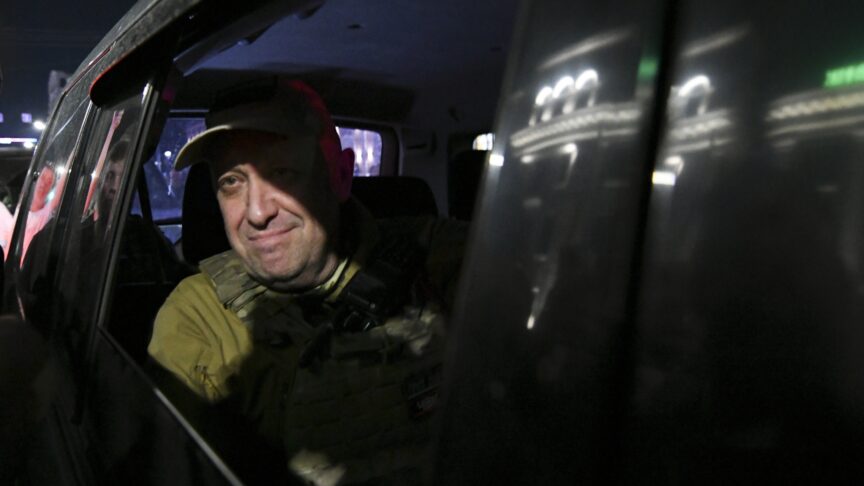
Be prepared: Lessons for the West from the Wagner mutiny
Western states should take steps now to map out the future scenarios that could unfold – and engage with Russian civil society to understand what may happen

Western states should take steps now to map out the future scenarios that could unfold – and engage with Russian civil society to understand what may happen
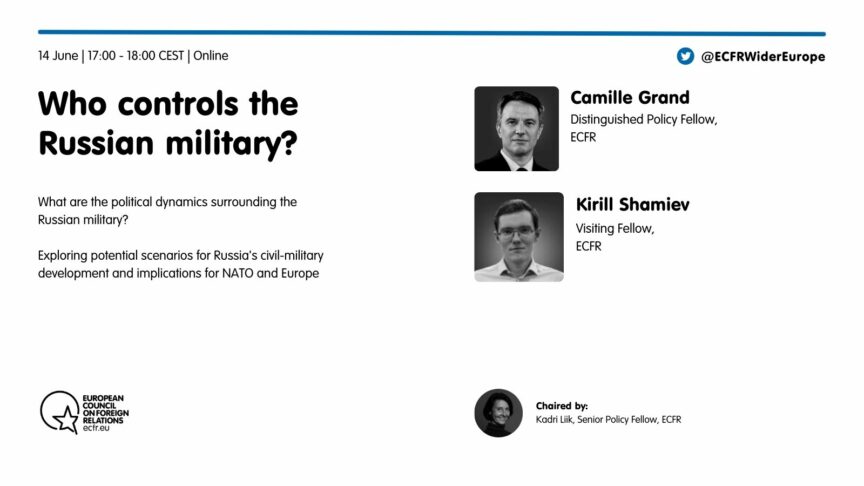
What are the political dynamics surrounding the Russian military? Exploring potential scenarios for Russia’s civil-military development and implications for NATO and Europe
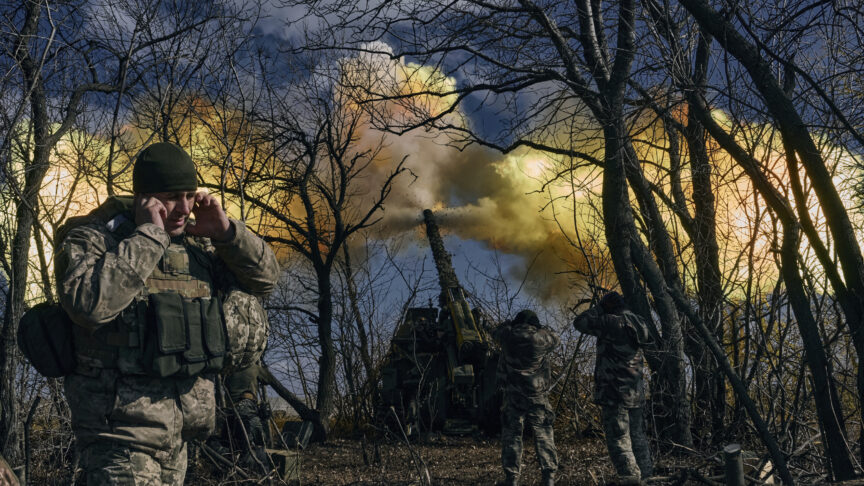
Ukrainians are preparing for a make-or-break counter-offensive. They have a theory of victory. Do we?
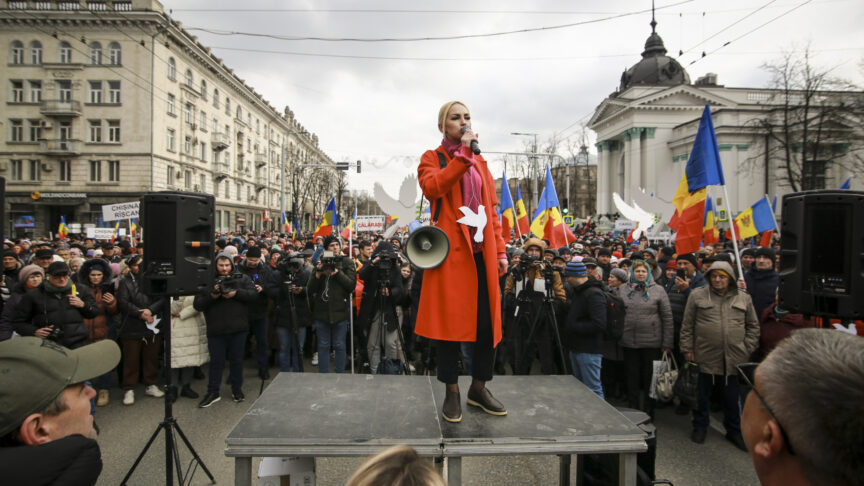
Russian political proxies are weaponising protests in Moldova, escalating Russia’s hybrid war in the country. Despite optimistic appearances, Moldovan authorities are ill-prepared to face this crisis
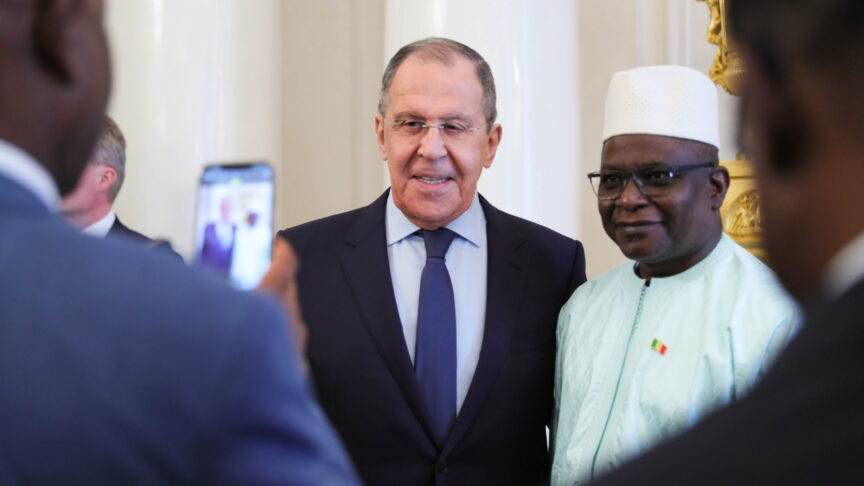
By making new offers of partnership to African countries, Russia is setting a trap for the West
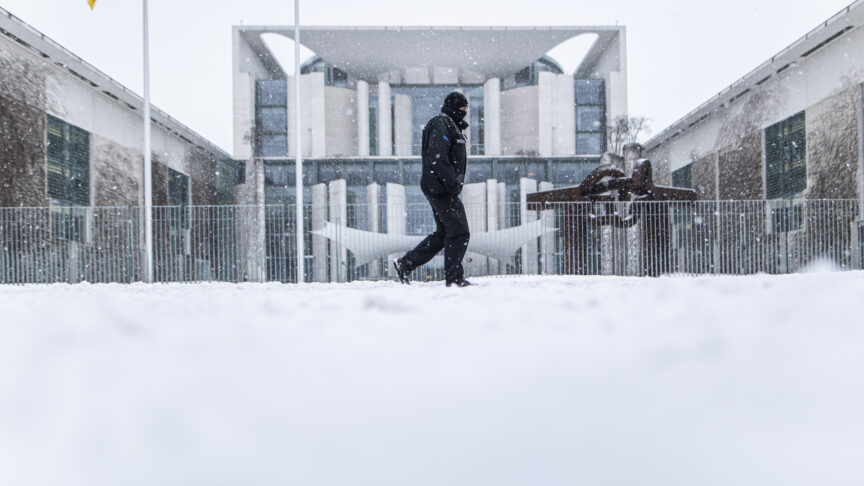
Decades of wilfully blind dependence on Russian gas have left Germany facing a bleak winter. German leaders could now have an opportunity to begin repairing the damage
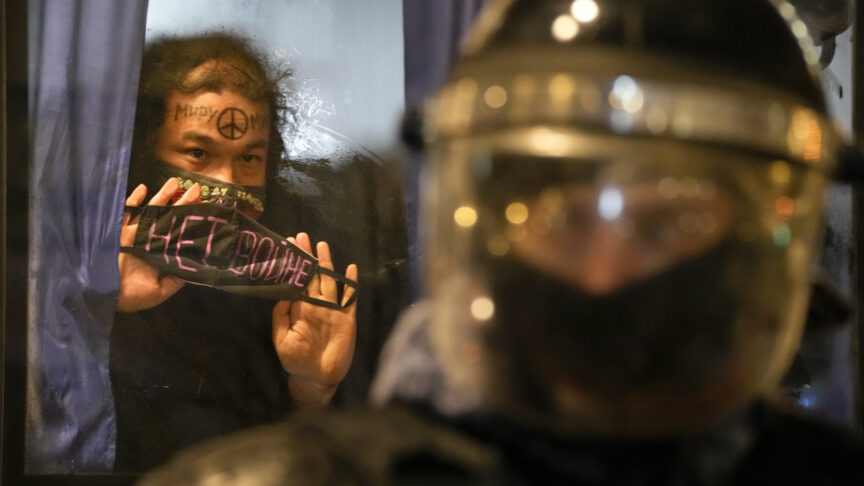
To counter the Kremlin’s information campaign in Russia, European policymakers need to account for individual and group psychology
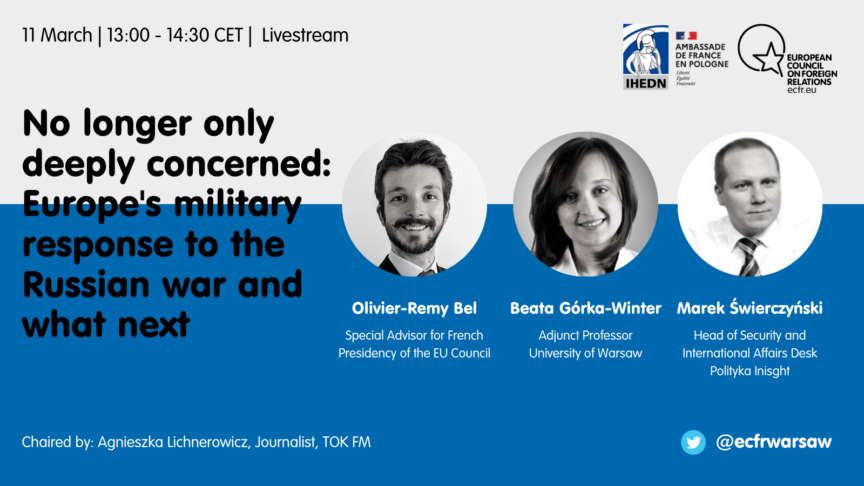
Ahead of the EU summit, French and Polish experts will discuss the European security situation as the war in Ukraine unfolds. They will analyse the current developments, EU’s role in the conflict and challenges for the EU security and defence in the upcoming months
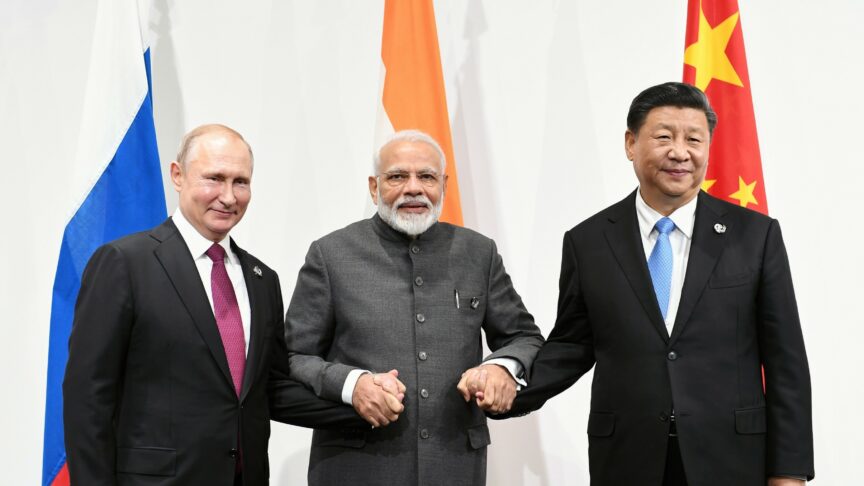
Asia’s three largest powers all have a stake in the Russia-Ukraine crisis. China hopes to change the global order, Japan aims to resist this effort, and India is eager not to alienate Russia or the West
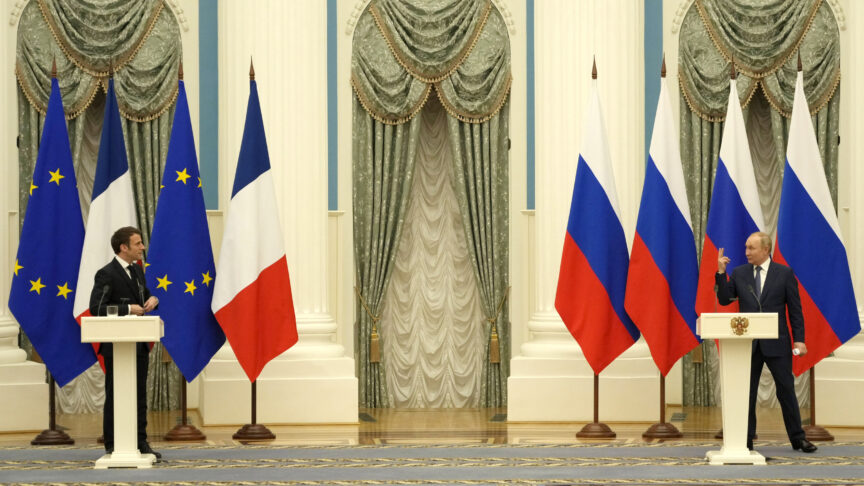
Across Europe, national attitudes toward the Russian threat against Ukraine reflect a broad array of concerns and historical experiences. Yet underlying Europeans’ differences are key shared interests that they are increasingly willing to defend