React, rinse, repeat: How Europe can help break Somalia’s cycle of conflict

Summary
- After years of setbacks, al-Shabab is regaining strength in Somalia, exploiting political infighting and obstacles around the new African Union peacekeeping operation.
- The peace operation began its mandate in January but already faces funding challenges due to uncertainty regarding United States’ commitments with the UN.
- In parallel, a major power struggle within Somalia’s electoral system is under way, with rising tensions threatening to block federal elections scheduled for May 2026. If these elections do not take place, the country’s entire institutional system could face a fatal crisis.
- As international partners work to address the urgent need to deter the al-Shabab offensive, they are also increasingly anxious to transfer security responsibilities to the Somali government, hoping to shift away from costly external missions.
- Partners can only break the cycle of external operations with a countercyclical approach that tackles Somalia’s structural drivers of instability, such as the fragmented anti-al-Shabab coalition and problems with the power-sharing system.
- As Europe grapples with its own security challenges, it cannot afford to let the Horn of Africa fall into a new phase of military escalation, as the consequences will inevitably return to haunt it. But if it wants to scale down its commitments in Somalia sustainably, it needs a long-term strategy.
A new peace mission is here. Will it be the last?
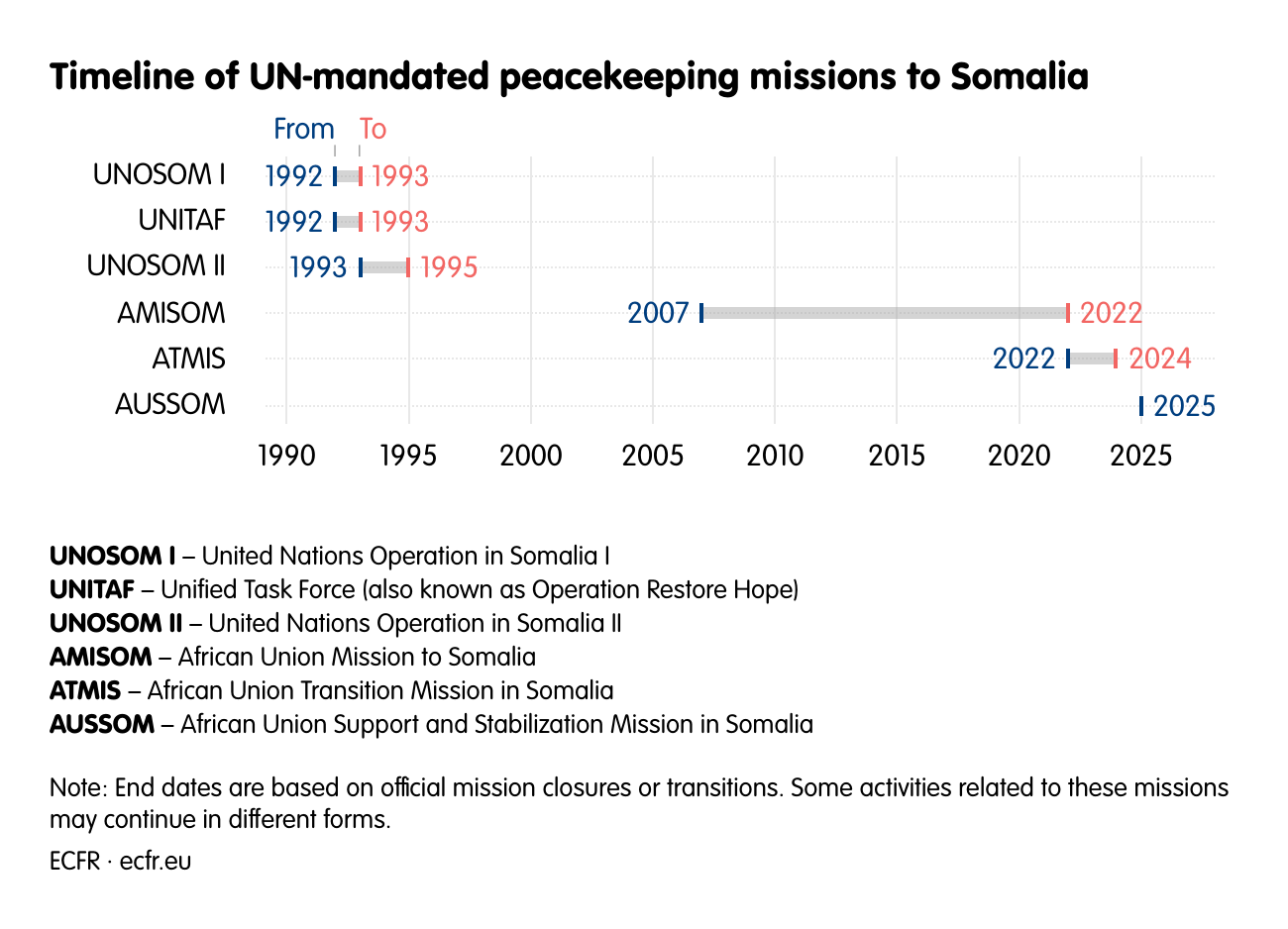
Over the past three decades, Somalia has undergone multiple international interventions. Initially aimed at securing aid delivery amid the chaos of civil war, these operations later evolved to strengthening Somalia’s federal government in combating the Islamic insurgent group al-Shabab. They have achieved some successes, such as claiming back key territories from al-Shabab, but have fallen short of solving Somalia’s persistent political, security and economic crises—which continue to fuel instability both domestically and throughout the Horn of Africa.
There is a growing sense of urgency among donors, particularly in Europe, to shift security responsibilities to Somali actors and move beyond these costly, complex missions that evoke an eternal Groundhog day. This anxiety has already impacted the latest peace operation—the African Union Support and Stabilisation mission in Somalia (AUSSOM), approved by the UN Security Council in December 2024. Its foundations are already shaky: although its mandate began in January, it has not yet secured all the necessary funds, primarily due to the United States backing out from the UN-centred funding system agreed in December. A final US decision is due in May, but with senior Republicans lashing out at that system and the Trump administration dismantling international aid, including UN funding, support seems off the table. AUSSOM’s available funding is expected to dry up by July.
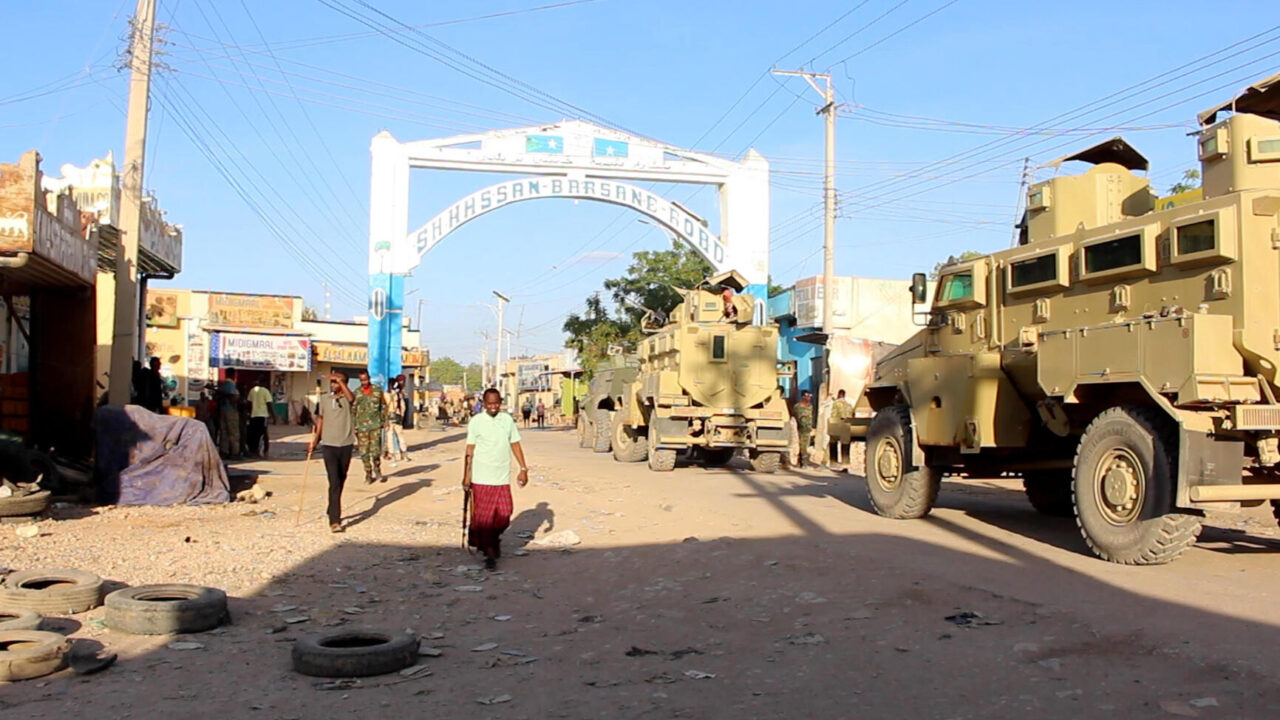
In the meantime, al-Shabab is gaining momentum. Since January, the group has overrun a number of rural settlements in central Somalia, and is now leveraging clan rivalries in Hirshabelle state. Al-Shabab has also been active on the outskirts of the capital, Mogadishu. In February, shortly before Ethiopian prime minister Abiy Ahmed landed in the capital, the group fired mortar shells at the airport. Less than three weeks later, it attempted to assassinate Somalia’s president Hassan Sheikh Mohamud by bombing his official convoy (the president was unharmed). On top of that, Somalia’s fragile federal system enshrined by the 2012 provisional constitution is fraught with divisions and hinges on a reconciliation initiative led by President Mohamud to avoid collapse.
For all international concerns about the viability and return on investment of these missions, the reality remains that, if Somalia’s instability is allowed to fester, not only the humanitarian cost could become unbearable, but also the entire Red Sea region will be at risk and threaten European interests.
The key to breaking the cycle of violence and peace missions lies in addressing the structural drivers of instability in Somalia. They include not only al-Shabab itself but also the fragmented coalition fighting against it, which consists of the Somalia National Army (SNA)—itself diverse and troubled with coordination problems—clan militias, state security forces and international peacekeepers. On top of that, there are tensions between the federal government and key member states.
While tackling these challenges seems daunting, there is a way out. AUSSOM has a five-year mandate, divided into four phases ending in 2029, with troop withdrawals expected to start in 2028. This timeline offers an opportunity for the Somali government and its international partners to design a strategy to ensure that AUSSOM is the last international peace mission in Somalia.
For that to work, this strategy needs to tackle not just the immediate al-Shabab threat, but also the deeper political, security and economic dynamics fuelling Somalia’s crisis. The goal should not be to solve all issues at once but to create the minimum conditions necessary for stability. Achieving this would allow external forces to leave and enable Somalia to take control of its own future.
Europe has several compelling, material reasons to support the success of AUSSOM and the security emancipation of Somalia’s government. First, Somalia’s strategic location on the Red Sea is critical for Europe’s economic and energy security. Second, an empowered al-Shabab could ignite a new cycle of clan conflict, leading to increased refugee flows towards Europe and neighbouring countries. Ethiopia and Kenya could face direct security threats, as al-Shabab claims part of their territory due to the presence of Somali-speaking communities. These countries are strategic European partners in sub-Saharan Africa, with close economic and security ties to Europe.
If neglected by the West, Somalia would easily turn to China, and possibly Russia. Beijing already wields substantial influence in the Horn of Africa through large infrastructure investments and some development assistance, including in Somalia. Meanwhile, Moscow has gained multiple footholds in the region by infiltrating conflict zones with its Africa Corps (formerly known as Wagner) and has its sights set on rebuilding a naval base in the Horn of Africa. The Soviet Union had a military presence in the Somali port of Berbera until 1978.
If the root causes of these cyclical political-security crises remain unaddressed, conditions for reducing European commitment are unlikely to be met in five years. Somalia will continue to require substantial support from the EU and European states in terms of security and economic assistance. As the EU grapples with emerging challenges of its own, the Somali crisis will keep draining critical resources that could be used for other priority areas. The bottom line is clear: the time to act is now.
A brief history of Somalia’s crises
From independence to the fall of Siad Barre
For centuries, Somalia was a nomadic, pastoralist society organised around relatively autonomous clan units, with interactions that varied from peaceful to violent over water and pasture. After gaining full independence from Italy and Britain in 1960, the complex process of forging a unitary nation began. This endeavour was soon undertaken by Siad Barre, who seized power in a military coup in 1969. Barre promoted a mix of nationalism and Marxist socialism, bringing Somalia close to the Soviet Union. Under the banner of “scientific socialism”, Barre nationalised land and abolished customary tenure rights, crafting a system of clan-based clientelism to access land and other state assets.
Barre also championed the reunification of all Somali-speaking people who colonial borders had cut off from the motherland. To fulfil these ambitions, Somalia attacked Ethiopia in 1977–78 to wrest control of the Somali-speaking region of Ogaden in what became known as the Ogaden war. The effort failed. During the war, the USSR switched allegiance to Ethiopia, prompting Somalia to turn towards the West. However, US president Jimmy Carter did not extend support to Mogadishu, adhering to his cold war de-escalation strategy. Consequently, the Ogaden war left the Barre regime internally weakened and without any external support from major powers, accelerating its crisis and subsequent demise. During the 1980s, the regime turned clan-based clientelism into a divide-and-rule system that unleashed brutal violence against certain clans—especially the Isaaq of Somaliland—fuelling insurgencies and sowing the seeds of inter-clan war.
With the fall of Barre in 1991, Somalia descended into a state of total collapse. The central government disintegrated, and the country fragmented into fiefdoms ruled by warlords. The 1990s were marked by lawlessness, famine and failed international interventions, most notably the United Nations Operation in Somalia I (UNOSOM I) mission, followed by the US-led Operation Restore Hope. Brutality was widespread, especially against members of minority, less powerful clans.
The rise of al-Shabab
In the early 2000s, widespread exasperation with insecurity and warlordism led to the emergence of the Union of Islamic Courts (UIC), which brought about relative peace and order by employing targeted violence and enforcing Islamic law. Many of its affiliates came from minority clans that had faced the brutality of powerful groups. However, the UIC’s links to terrorism alarmed neighbouring Ethiopia and its Western allies. In 2006, with US support, Ethiopia launched a military intervention to oust the UIC. After its defeat, one of its splinters, Harakat al-Shabab al-Mujahideen, emerged as the primary force for control of the country.
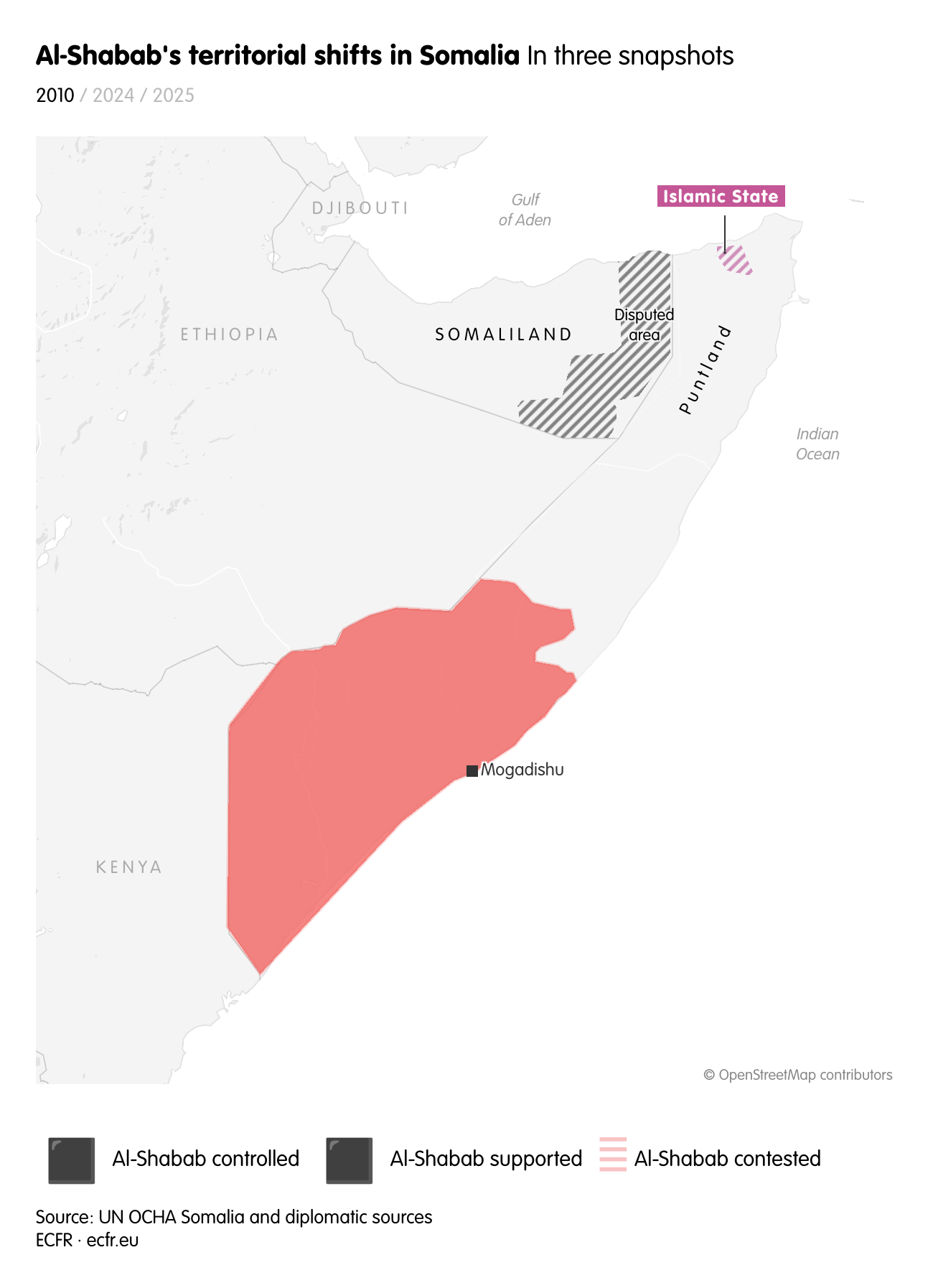
Known simply as al-Shabab, this al-Qaeda affiliate organisation peaked in the early 2010s, when it was estimated to control roughly 80% of Somalia. To counter its dominance, the African Union (AU) authorised a peace-enforcement mission in 2007, known as AMISOM. These international efforts, along with Somali forces, have reduced the group’s territory by a great extent since then, down to 20-30% of the country, but the insurgency remains in control of vast rural areas in the centre and south.
Enter the federal system
International efforts extended beyond security to facilitate political reconciliation. A key turning point came in 2012, when Somalia adopted the provisional constitution and inaugurated a new federal government structure designed to distribute power among the major clans and regions. This included the federal government, based in Mogadishu and appointed through a power-sharing agreement, and the gradual formation of federal member states.
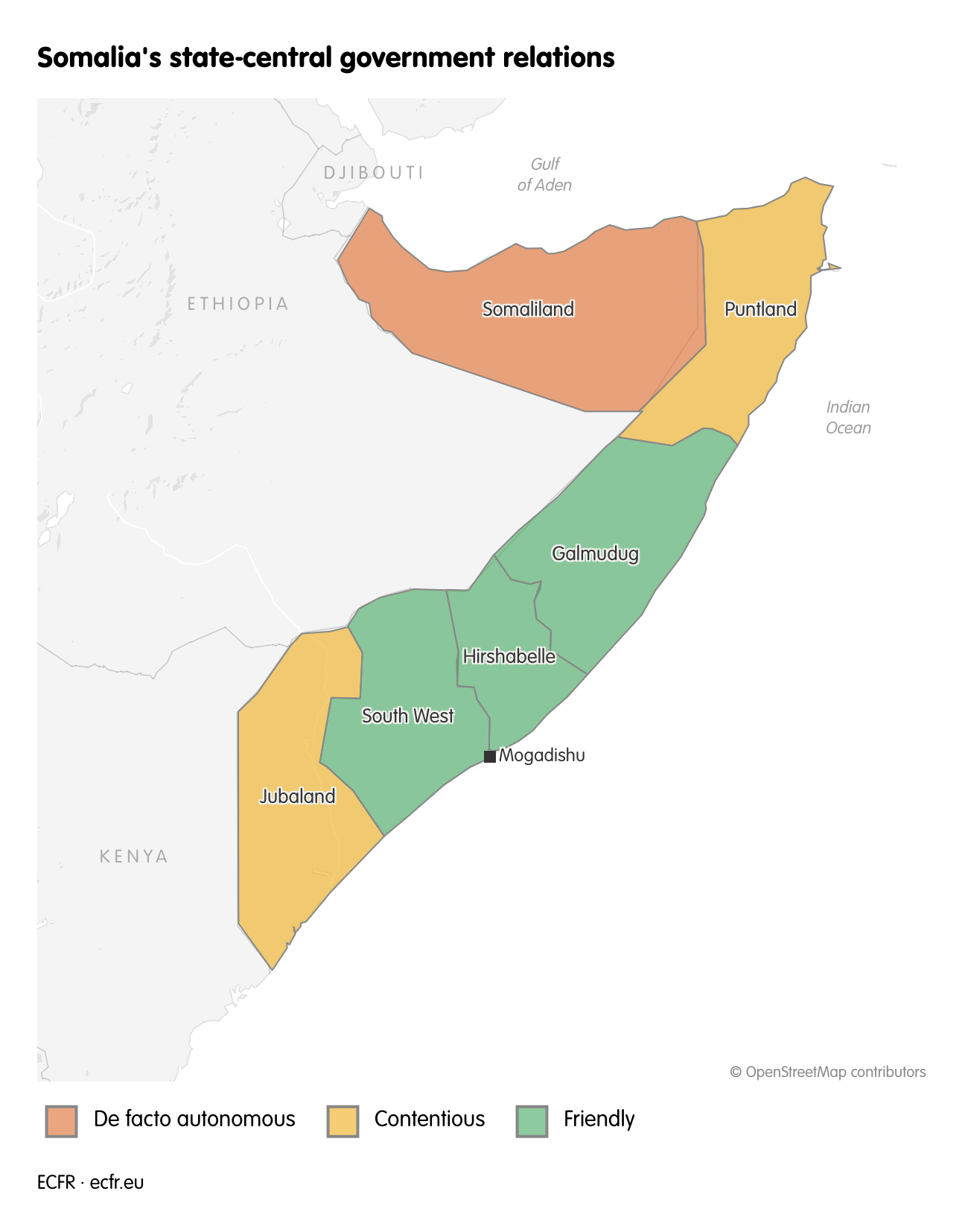
Tensions between the government and member states have become a chronic issue, often disrupting cooperation on security, elections and resource-sharing. Meanwhile, Somaliland in the north has remained functionally independent since 1991 and continues to seek international recognition. (Currently no country recognises it as a sovereign state.)
Since 2012, periodic elections and international support have kept the formal state afloat, but Somalia has continued to grapple with overlapping crises, clan rivalries, political deadlock and a poor economy. In recent years, this fragile equilibrium has been deteriorating. Al-Shabab has been on the offensive this year. The group’s intelligence network, known as the Amniyaat, continues to continues to reach deep into government-held areas, allowing the group to carry out targeted assassinations and extort taxes from businesses. Its capabilities to conduct guerrilla warfare remain strong.
With an estimated force of 7,000 and 9,000 fighters, al-Shabab has proven able to launch complex military operations in contested areas as well as targeted attacks with mortars and improvised explosive devices beyond its territory. The February attack on Mogadishu airport and the targeting of President Mohamud’s convoy in March shows the capacity of al-Shabab to strike high-level targets.
Somalia’s current challenges
Security
The anti-al-Shabab coalition
The anti-al-Shabab coalition is deeply fragmented. It gathers together the SNA, state-level forces, clan militias, AU troops and other external military support, but lacks effective coordination among them. The SNA for one is a very multifaceted army. It includes the 2,000-strong, cross-clan Danab brigades, which were trained and equipped by the US Army, as well as the Turkish-backed Gorgor brigades, which comprise 6,000 soldiers. These are highly mobile units with a track record of successful offensive operations against al-Shabab.
However, many other battalions within the SNA remain poorly trained, paid and equipped, organised along clan lines and fraught with corruption. Although the lifting of the UN arms embargo on Somalia in late 2023—originally imposed in 1992 to prevent the arming of warlords—has allowed the delivery of advanced weaponry to the SNA, it has not resulted in a significant improvement of its equipment. These static units have repeatedly failed to hold liberated areas and have suffered heavy casualties, especially due to the scarcity of armoured vehicles. Consequently, morale is generally low. With cycles of advances and retreats, the fight against al-Shabab has resulted in a prolonged stalemate over the years.
Somalia’s member states also deploy separate security forces drawn from each state leadership’s clan. This is particularly true for Jubaland and Puntland, which receive some support from the United Arab Emirates through training, funds and equipment, and the South-West State, which is backed by Ethiopia. Cooperation or conflict between these forces and the SNA largely depends on the relations of the state leadership with the federal government. Last December, for example, tensions escalated in Jubaland, Somalia’s southernmost state, and the SNA engaged in armed clashes with local forces there.
Adding another layer of complexity to the anti-al-Shabab front are clan militias. Well-armed clans have long maintained their own militias, which both the government and al-Shabab have tried to coopt. The Hawadle sub-clan militias, known as the Ma’awisley, led the 2022 uprising against al-Shabab with government and international support, liberating large chunks of Hirshabelle and Galmudug states—the greatest achievement against the jihadist group in latest years. Yet, this success was undermined by a long-standing dispute over the Hirshabelle state presidency and capital among the Hawadle leadership and with the other major sub-clan of Hirshabelle, the Abgal.
As funding to the Ma’awisley dried up, clan fighters partly withdrew from a few frontline villages, which the SNA was unable to defend and which were eventually recaptured by al-Shabab. Government efforts to incite other clan-based insurgencies have been unsuccessful due to a lack of resources, internal divisions, corruption and al-Shabab’s threats against clan leaders and elders.
Shrinking AU missions
AU missions have played a critical, albeit shrinking, role in the fight against al-Shabab. The main AU peace operation (the African Union Mission to Somalia, or AMISOM, 2007-2022) led all major offensives against al-Shabab—except the 2022 clan uprising—thanks to its superior logistics, training and equipment, especially armoured vehicles. AMISOM, like subsequent missions, was essential in defending contested territory through its network of forward operating bases. However, the size and scope of AU missions have varied widely, ranging from 22,000 troops in 2014 to around half that number with AUSSOM.
The gradual reduction in size and funding of AU operations curbed their capacity to conduct kinetic operations, limiting their scope to holding recaptured positions—for which the missions remain essential.
Looking at the situation now, the ongoing al-Shabab offensive in central Somalia is putting pressure on government forces. In the first days of 2025, al-Shabab militants crossed the Shabelle river to take control of Hirshabelle state and reverse the territorial losses suffered in 2022. These efforts were largely contained in the northern region of Hiiraan by the SNA and the Ma’awisley militias but were more successful in Middle Shabelle, where the jihadist group captured 22 villages by mid-March, more than in the entirety of 2024.
The other axis of the offensive is Mogadishu, as the al-Shabab becomes more active on the capital’s outskirts. In response to the group’s attacks during the visit of Ethiopia’s Abiy Ahmed and on the convoy of President Mohamud in March, the government and its partners have ramped up air and drone strikes. While Mogadishu is not on the brink of falling, it risks becoming isolated from the rest of central Somalia.
The institutional stand-off
Sharing power among clans, subclans and sub-subclans
A major urgency is to prevent the collapse of the current constitutional system, which is threatened by the rift between Somalia’s federal government and the federal member states.
Inspired by the Ethiopian model, federalism in Somalia was first adopted at the Mbagathi conference in 2004 and later included in the provisional constitution of 2012. Somali representatives viewed federalism as a viable tool of conflict resolution and stable governance in a country fraught with clan violence. Their experience with Barre’s highly centralised rule was that it fostered fierce clan competition over a single central power hub, further exacerbated by the dictator’s divide-and-rule tactics and targeted oppression of certain clans which sowed the seeds of civil war. They therefore pursued a system that allocated power across clans at both central and peripheral level.
This power-sharing agreement included the formation of clan-dominated member states and an informal system to distribute positions across the federal government and parliament, known as the 4.5 formula. Under this framework, the four major clans (Hawiye, Darod, Dir and Rahanweyn) each receive an equal “share” of 1.0, while minority clans collectively receive a half share. A share corresponds to seats in parliament, cabinet positions or other federal government appointments.
This system was introduced to ensure inclusivity and stability, but many experts and civil society members criticise it for entrenching clan politics, marginalising minorities and hindering merit-based governance. Although it was originally intended as a temporary solution, the 4.5 formula continues to shape Somalia’s elections and political structures, influencing parliament composition and government appointments. As President Mohamud has stated on several occasions, “We [Somalis] are clans, subclans [and] sub-subclans”.
Moreover, the provisional constitution left the distribution of responsibilities between the federal government and member states to future legislation, creating disputes in critical policy areas. The prevalence of al-Shabab in rural areas further shaped Somali institutions into an archipelago made up of largely insulated and autonomous power centres.
The combination of these factors also resulted in conflict within states and between the federal government and member states, like Hirshabelle, Jubaland and Puntland. Thanks to their de facto autonomy, some states have even built special relations with other external actors, including Ethiopia, Kenya, Qatar and the UAE, further diluting the influence of the federal government and its own external partners and creating a political hedge to resist compromise. These centrifugal dynamics will strengthen should the US recognise Somaliland as an independent state, as several members of the Republican establishment have been advocating in recent months. The move could provide the US with an additional military base near the strategically important strait of Bab al-Mandab, diversifying its presence from Djibouti where it shares space with China’s base.
Struggle over the electoral system
In 2012, as the security situation impeded universal voting, Somali representatives opted for an indirect electoral mechanism. This system relies on appointed electoral committees made up of clan elders and representatives who nominate members of parliament, who then elect the president. Over time, the indirect system has become increasingly flawed due to the influence exerted by federal and state leaders over the selection of electoral committees and widespread vote-buying, especially with funds from the Gulf states. At the state level, this indirect voting system has also allowed some state presidents to secure their re-election. To address the problems with this system, the government has pushed for a standard one-person, one-vote system and has sought to revise the constitution, which has been met with resistance by some state presidents.
For example, in March 2024, after the federal parliament passed the constitutional amendments introducing the one-person, one-vote system, Puntland’s president Said Abdullahi Deni cut ties with Mogadishu. In October that year, Ahmed Islam Madobe of Jubaland did the same and secured his re-election. Meanwhile, the federal government set up a central electoral committee to handle all elections, including in member states. Tensions with Jubaland escalated quickly: the federal authorities and Jubaland issued arrest warrants against their respective presidents, prompting the Mogadishu government to deploy the SNA. Armed clashes between the SNA and Jubaland state forces erupted in Ras Khamboni and Bardheere. While the military standoff did not yield any meaningful results, it provided al-Shabab with an opening to put pressure on liberated areas across Jubaland.
These escalating tensions are poised to block federal elections scheduled for May 2026, mirroring the situation at the end of President Farmaajo’s term in 2020. That year, the confrontation between the Farmaajo and the presidents of Jubaland and Puntland delayed the election schedule for more than a year. Without the collaboration of all member states, it will be impossible to appoint parliament members from all constituencies. With key subclans excluded from institutional positions, the power-sharing system will effectively come to an end.
If the elections do not proceed, the current constitutional system would enter a potentially fatal crisis that could even result in the country’s breakup or a new cycle of clan war reminiscent of the 1990s. In either scenario, years of external support would be wasted. Al-Shabab would take advantage of the chaos to expand across Somalia and beyond, with devastating consequences for the stability of the Horn of Africa.
Breaking the cycle
Somalia faces a mix of short-term, cyclical problems related to the shifting military power dynamics and recurring political crises between the federal government and member states. This cyclicality suggests that external partners should adopt a countercyclical approach in their cooperation with Somali institutions. Just as governments and central banks tend to implement expansive monetary and fiscal measures during economic downturns and more restrictive policies during periods of growth, external partners could apply a similar strategy to stabilise Somalia.
A countercyclical approach would involve enhanced support during critical phases, such as the current one, and more selective cooperation during favourable periods to encourage Somali actors to make progress on structural issues. To succeed, this strategy needs to be underpinned by clear and credible conditionalities. The next five years, coinciding with the AUSSOM mandate, offer a suitable timeframe to test it.
Security solutions
Short-term actions: Military aid and funding AUSSOM
In the current context, external partners need to urgently help Somalia address the deteriorating security situation before it spirals out of control. It is now critical to support the federal government in fending off the al-Shabab offensive in central Somalia and strengthen the military balance between government forces and the jihadist group. To achieve this, external partners need to step up their military assistance to Somali security forces beyond air support. The AU’s recent delivery of armoured vehicles and equipment to the SNA is a positive step. More initiatives of this kind by other external partners are necessary to strengthen the military capabilities of the SNA and build more confidence and cohesion within the government front. This support is crucial to help reassert full control over the outskirts of the capital and Middle Shabelle.
In parallel, external partners need to ensure that AUSSOM continues its deployment from July onwards. The December 2024 UNSC resolution contains key unresolved details, the most important being funding. Up to 75% of funds are expected to come from an expansion of the UN budget, whose largest contributor is the US. The other 25% is funded by the AU—also sponsored mainly by the US. Alleging concerns with this overall funding structure, the US abstained on the December resolution. A final decision on this is anticipated in May when Washington’s position will be again decisive. While fighting terrorism remains a US priority, as seen with renewed airstrikes against al-Shabab and Islamic State in Somalia, the Trump administration’s approach to peacekeeping and foreign assistance raises serious doubts about the US commitment to financing AUSSOM. Any revision of foreign aid and UN funding by the White House could undermine the mission and further reduce its military capabilities on the ground. Lastly, there is still no clarity over the remaining 25% of the funding, which should come from the AU with the support of its international partners.
As seen in recent years, AU troops are essential to maintaining control of contested areas and countering potential al-Shabab advances. The drawdown of the previous AU missions contributed to the loss of some advanced positions in recent years, such as in Jubaland and Hirshabelle. Additionally, the announced drawdown of the Burundian contingent—largely stationed in Middle Shabelle—following disagreements with the federal government could further undermine the government coalition. It is crucial that the overall deployment is not scaled down further at this critical stage. African officials whose countries contributing troops to AUSSOM recently gathered in Kampala and pledged to strengthen the mission with an additional troop deployment on a bilateral basis, but the number of soldiers they are willing to sustain outside the mission remains unclear.
External partners need to accelerate negotiations to secure budget for AUSSOM and prevent any interruption of its deployment after July. Failing to do so could result in a fallback of government positions with dire consequences for the security and stability of the country. Once the equilibrium is reestablished and AUSSOM is secured, external partners can relaunch discussions with Somali institutions around broader structural issues.
Long-term actions: Peace with al-Shabab?
Military efforts, heavily supported by external partners, have helped contain al-Shabab but have not resulted in decisive victory. At the same time, the group is unlikely to fully take over Somalia given strong opposition to it among several local communities, neighbouring countries and international actors. In late April, Turkey deployed hundreds of troops to Mogadishu, further boosting the capital’s security. This overall military stalemate suggests that a political settlement with al-Shabab may offer a more sustainable solution for Somalia’s future.
Although no official mediation has taken place, both sides have occasionally shown openness to dialogue. President Mohamud stated that the government was ready to negotiate with al-Shabab at a conference in Oslo in June 2024, though he later revised this stance. And while al-Shabab has consistently rejected talks, arguing the government is illegitimate, individual members, including senior leaders, have hinted at a willingness to engage in discussions, provided that counterparts adhere to Islamic principles. Notably, a top leader, Sheikh Mahad Warsame “Karate,” stated in a 2022 interview that negotiations could be possible when conditions are right. Past defections from al-Shabab further suggest that some fighters might be open to a negotiated peace.
Changing geopolitical conditions may also bring both sides to the table. In Mogadishu, uncertainty about the future role of the US, shifting EU priorities and the conditional nature of Gulf all undermine the government’s position. Meanwhile, al-Shabab may face its own pressures, including a looming drought. The 2020-2022 drought devastated its strongholds, sparking public anger and eventually leading to the Ma’awisley uprising.
Any negotiation would need to address core demands from both sides. The Somali government insists that al-Shabab must cease violence, end attacks on civilians and cut ties with al-Qaeda. Although al-Shabab is more ideologically rigid than other groups, there might be room for pragmatism similar to that demonstrated by Syria’s Hayat Tahir al-Sham (HTS). Under the right conditions, a break with al-Qaeda could be possible under the right conditions. Notably, al-Shabaab has never condemned HTS for leaving the network.
In return, al-Shabab is likely to advocate the implementation of its interpretation of sharia law, the withdrawal of foreign troops and inclusion in power-sharing arrangements. Since Islam is already central in Somalia’s legal framework, there may be room for compromises over the level of strictness of sharia enforcement. Al-Shabab already adapts its sharia rules in regions where it lacks full control.
Foreign troop withdrawal could align with the planned drawdown of AUSSOM forces, provided that al-Shabab fighters are demobilised and integrated into Somalia’s national forces. Ethiopia might resist such a plan due to its security interests—al-Shabab claims the Ogaden region and Ethiopia fears the group could infiltrate its Somali population to stir an insurgency there. But Addis Ababa could shift its position if reintegration shows results.
The most sensitive issue will be governance. Al-Shabab has built parallel governance systems—including courts and tax collection—that would need to be either dismantled or integrated into the official framework. Interestingly, some of al-Shabab’s systems, especially its justice mechanisms, are deemed more effective than the official ones by many Somalis, complicating the process of merging them into national institutions.
Given the scale and complexity of such talks, they must begin early in the AUSSOM mandate. Delays could encourage al-Shabab to wait for a post-AUSSOM power vacuum, as it has done before. External actors will be key in initiating this process. In Oslo, President Mohamud invited any capable mediator to step forward. Qatar and Turkey are the most credible candidates. Both are Muslim nations, easing ideological concerns for al-Shabab. They also have communication channels with the group and a strong track-record of mediation in Africa and with Islamist movements, such as the Taliban. Qatar has the financial resources to facilitate an agreement and has reportedly expressed interest in mediating in Somalia. Turkey recently mediated Somalia-Ethiopia talks and is a widely respected actor among Somali leaders. In the background, European support would be vital to the success of this endeavour.
Political solutions
Short-term actions: Securing a national reconciliation
The rift between the federal government and key states is undermining Somalia’s stability. If not solved, these tensions could lead to a de facto partition of Somalia along lines of influence exerted by both domestic and external players. For AUSSOM to have a viable exit strategy this scenario needs to be prevented, as it would potentially lead to new cycles of clan conflict that al-Shabab would exploit.
For AUSSOM to end AU deployments in Somalia, the post-2012 political system needs to get back on its feet. While several stumbling blocks still lie on the path to reconciliation, the constitutional system has averted collapse in other occasions, such as during the 2019-2020 military standoff between the federal government of President Farmaajo and Jubaland forces, and during the 2020-2022 electoral crisis. Tensions subsided in part due to pressure from key external partners, including the EU. Now, President Mohamud has called for a national reconciliation conference to be held in early May. External partners should step up their support to the government, ensuring the process remains inclusive, helping it build momentum for a long-term settlement.
The initial goal would be to support the president’s efforts to unite all parties back to the National Consultative Council, the body gathering the federal government and member states. Then, talks should focus on reaching an agreement on the upcoming national elections. This is the key short-term goal to prevent a major breakdown of Somalia’s institutional architecture. Multiple issues will need to be addressed, with the most pressing being the electoral system. Additionally, the election of the president—whether elected by members of parliament or individual voters—will inevitably involve some degree of bargaining between clans to secure enough votes around one candidate. Talks must therefore start urgently to allow a smooth electoral process later next year.
To move in this direction, external partners should promote a mediation initiative between the federal government and states, specifically Jubaland and Puntland. Besides Turkey, several actors play a role in these dynamics and could be suitable candidates to lead this effort. Kenya, for example, is currently mediating between Mogadishu and Jubaland, capitalising on strong cross-border and population ties with the southern Somali state, while also enjoying improved relations with the federal government since the return of President Mohamud for his second mandate. (He was president in 2012-2017). Similarly, the UAE is highly influential in Puntland and has recently re-established friendly relations with Mogadishu, positioning it as the best facilitator for a reconciliation between President Deni of Puntland and President Mohamud. Coordination and support from international partners are vital for this dialogue to succeed.
Long-term actions: Constitutional dialogue
On security, it is crucial to address the political crisis beyond an emergency mode and focus on its structural drivers. Once the current cycle of instability is reverted, external players need to urge their Somali partners to find long-term solutions to the constitutional crisis. Building on the stabilisation of relations between the federal government and states, the international community should facilitate national reconciliation talks aimed at establishing a long-term settlement. Without such efforts, the Somali political system is doomed to remain trapped in cycles of political unrest that will gradually erode the constitutional framework and limit external partners’ options in Somalia.
This comprehensive negotiation should tackle the outstanding issues that the 2012 provisional constitutional left to future legislation. While external partners can play a crucial supporting role, this discussion needs to be fully Somali-led, as it pertains to the core structures of the Somali institutions. Traditional mediators, such as elders, and technical specialists from civil society could lend legitimacy and know-how to assist the parties throughout this complex process.
As recommended in a study by the Rift Valley Institute, a constitutional dialogue should address the following issues:
- Security sector architecture: The parties need to establish a common chain of command for federal and state forces. This chain can be loose and flexible to guarantee sufficient autonomy to the member states but needs to effectively coordinate the efforts against domestic threats.
- Judicial system: The federal government and member states need to define the role of central courts versus local courts and appoint a constitutional court to settle disputes between them, among other tasks.
- Revenue sharing: As taxes are managed autonomously by Somali institutions, the parties need to devise a framework for public agencies to levy taxes and handle transfers between the centre and the periphery.
The two mediation processes—between the federal government and member states and the federal government and al-Shabab—need to progress in parallel as they are both urgent and mutually reinforcing. If talks between the government and al-Shabab gain steam, member states would feel more pressure to compromise, and vice versa. While the dialogue with the member states can and should be public to enhance accountability of public officials, talks between the federal authorities and al-Shabab need to proceed through private and discreet channels to prevent external pressures and reputational concerns from disrupting them. If talks start on both fronts, it will be crucial to gradually involve parties from each discussion, moving from a consultative role to decision-making, ensuring inclusivity and acceptance of what would become a new political deal for Somalia.
What Europe should do
Europe has a primary role to play in this process and has compelling reasons to actively engage. The EU currently operates three missions in Somalia under its Common Security and Defence Policy, the EU’s largest operational involvement in a foreign country. These missions aim to train the SNA, build the capacities of local police and maritime security forces and counter piracy. On top of this, the EU has invested over €2.4bn in AU peacekeeping missions to Somalia since 2007, making it its largest contributor. Beyond the security sector, the EU is also one of Somalia’s largest donors of humanitarian and development assistance, with €1.6bn spent between 2014-2021 along with €2.8bn delivered by its member states during the same period. Norway, Switzerland and Britain remain large aid donors to Somalia as well. These commitments show how critical European support is for Somalia. Europeans should leverage this position in their relationship with Somali institutions and other external actors to address immediate stabilisation concerns as well as the structural drivers of the crisis.
The broader geopolitical circumstances are extremely delicate. Domestic defence and economic priorities have climbed up the European agenda, creating a shift in focus. Besides, the issue of return on investment is not limited to Washington; EU financing of successive AU operations has created a sense of “donor fatigue”. As a European diplomat put it, EU member states are seeking a more equitable distribution of the financial burden associated with AU missions across international partners.[1]
The EU aims to allocate part of the funds it intends to save to the SNA in order to accelerate the handover of security responsibilities and facilitate the phaseout of external missions. While this is reasonable and understandable, Europeans will need a more tightly coordinated strategy with other external partners, including firm conditionalities, in order to exit AU missions. Given their stakes in Somalia’s political, military and development spheres, Germany and Italy could lead the effort to better shape this strategy, inside and along with the EU and in collaboration with Britain.
Immediate priorities
Repelling al-Shabab
The immediate priority is to support the government front in repelling the al-Shabab offensive in central Somalia. It is crucial for the EU and Somalia’s main European partners to bolster training, equipment and logistical capacity to the SNA. While other partners, such as the US, Turkey and the UAE, have scaled up their air and drone support, the EU and European countries should focus on ground defence capabilities. This could include provision of armoured vehicles and unmanned ground vehicles through the European Peace Facility and bilaterally. Some extra in-kind and financial resources to the SNA and UNSOS, the UN agency that provides logistics to AUSSOM, would also significantly enhance the operational capacity of Somali ground forces. European partners should complement this effort with stabilisation initiatives in liberated areas to help consolidate the positions of government forces among the local populations. This initiative should be carried out in coordination with Somalia’s other security partners—such as Saudi Arabia, which signed a security memorandum of understanding with Somalia in 2023—to ensure that any additional European efforts are matched by them.
Funding AUSSOM
Another critical front for European involvement is AUSSOM funding. Given the lack of clarity from the US about the use of UN-assessed contributions, the EU and European members of the UN Security Council should design a contingency plan in case of a US veto in May. Dialogues with other governments to cover the funding gap are ongoing. Abu Dhabi has recently improved its relations with Mogadishu, while Riyadh remains deeply concerned about the stability of the Horn of Africa; this makes both candidates to engage more assertively on this file. Australia and Asian countries with growing stakes in Africa and commercial interests in the Indian Ocean and the Red Sea, like South Korea, Japan, India and ASEAN members, should also be brought more into the picture.
To unlock negotiations, Europeans should attach the issue of AUSSOM financing to other bilateral files. For example, they could offer additional defence guarantees to the members of the Gulf Cooperation Council to shield them from fallout in a potential escalation between the US/Israel and Iran/Yemen. Beyond security concerns, the EU could also look more closely at cooperation with Somali officials in combating illicit financial flows to help Somali officials better seize al-Shabab’s banking and mobile money accounts used for laundering funds. The EU should also urge and support the AU in stepping up its diplomacy with partners to secure its share of the funding.
Ensuring elections
Europe’s coordination with other external partners is essential for the successful implementation of conditionalities. Alongside these efforts, it is also vital to make progress on reconciliation between Somalia’s federal government and its member states ahead of national elections. Coordination among external partners is crucial to convey a unified message to the parties and reduce their ability to hedge. The EU and European countries could leverage development aid and explore other forms of potential cooperation to encourage all parties to come to the table. Any pressure should complement existing mediation efforts, like Kenya’s with Jubaland and the federal government, while also considering other avenues, such as the role the UAE could play in reconciling Puntland with Mogadishu. Enhanced EU and European support for Emirati and Puntland efforts to combat Islamic State in Somalia could further facilitate this negotiation.
Given the multiple areas of parallel coordination, the EU could organise a ministerial conference for Somalia between late 2025 and early 2026. This conference should bring together the federal government and the member states, along with all external partners from Africa, Europe, the Middle East and Gulf and Asia, as well as the US. The summit’s main goal should be to foster reconciliation under the auspices of the international community, with its key deliverable being an agreement on the national elections. In parallel, external partners would be more pressed to make pledges to support Somalia’s security and development sectors. Such commitments would mitigate military challenges and facilitate political reconciliation. The conference could be co-hosted by the Kenyan government and take place in Nairobi, as it is close to Somalia and is seen as a neutral ground by all the parties involved.
Long-term goals
Talks with al-Shabab
Beyond the current cycle, the EU and European countries could make a decisive contribution to the long-term solutions that would pave the way to a smooth exit for AUSSOM from Somalia. Once the military balance is strengthened, Europeans could work with Turkey and Qatar to explore indirect talks between al-Shabab and the federal government. To convince the jihadist group to engage meaningfully, European diplomats could deploy a set of milestone-based incentives and penalties related to military and economic pressure. The EU and European countries could support the mediation with a potential extension of development programmes to areas under al-Shabab’s control. As AUSSOM begins to draw down, part of the funds reallocated from AUSSOM to the SNA could be used to finance the reintegration of combatants into the Somali army and police.
The Ethiopia corridor
If talks advance, one major incentive would be a commercial corridor connecting a Somali port (likely Mogadishu) to Ethiopia, currently being explored between the two countries with the help of Turkey. The EU and Turkey, together with other partners, could invest in this strategic project through the Global Gateway initiative, ensuring it delivers dividends to not only the two countries but also to local clans along its path, such as the rival Hawadle and Abgal clans in Hirshabelle, supporting a reconciliation between them. As a last incentive, the EU could consider removing sanctions on al-Shabab contingent on the sealing of a deal with the government.
State-building
On the political front, the EU and Europeans could play a vital role in completing Somalia’s state-building process. If elections lead to a phase of more cooperative relations between Somalia’s federal government and member states, European policymakers should strengthen their external support for negotiating constitutional issues. By continuing to leverage their aid contributions, the EU and Europeans could deliver capacity building programmes aimed at strengthening revenue generation systems at both central and peripheral levels. The lack of resources is indeed a major impediment to institutional capacity. These programmes could focus on improving tax systems on money transfers, since the Somali economy relies heavily on mobile money transactions and a large influx of remittances. Through its missions, the EU could provide technical support on the integration of the sector. Taken together, these efforts could consolidate the Somali state building process without requiring significant European resources.
Rewind no more
Over the past two decades, Somalia has gone through multiple cycles of political and security crises, driven by shifting military power dynamics and infighting between the federal government and member states. However, the current crisis threatens the federal system—and with it, the stability of the entire Horn of Africa. Military and stabilisation assistance is needed to counter the al-Shabab offensive. And if tensions between the federal government and some states are not settled, they could jeopardise the 2026 elections. Failing to hold these elections could plunge Somalia into a new spiral of clan-based violence similar to the 1990s.
The top priority for Somali’s international partners must be to provide military and stabilisation aid to the federal government to deter al-Shabab, with Europe playing a critical role here in supporting ground operations. Then, Europe must help secure the remaining funds for AUSSOM, which will require proactive engagement with other international donors and the AU. Europe could help resolve the elections question by organising a ministerial conference on Somalia later this year, bringing together the federal government, member states and key external partners. The main goal of this conference should be an agreement on the 2026 national elections.
But addressing these more immediate issues should not prevent Europeans from tackling the root causes of Somalia’s protracted crisis. If Europe wants AUSSOM to be the last international intervention in Somalia, it needs to start planning for that now. This will necessarily involve talks with al-Shabab, potentially with the assistance of Turkey or Qatar. Europeans could also help Somalis tackle the outstanding issues left by the 2012 provisional constitution, especially the chaotic chain of command of Somalia’s security forces, revenue sharing system between member states and the federal government, and the judicial system. While this part of the process needs to be Somali-led, Europe could still play a supporting role.
Only by stabilising these issues can security and the political system in Somalia get back on an even keel—thereby providing ordinary Somalis with much-needed relief from three decades of war. As Europe begins to shift its focus to security challenges at home, stability in Somalia will be essential to break the near-endless cycle of peace operations and end its Groundhog Day.
Acknowledgments
I would like to thank the Bill and Melinda Gates Foundation, whose generous support was essential to conduct research on multiple sources. A special thanks go to Taisa Sganzerla for her excellent and very timely work in sharpening the paper’s sections and streamlining the argument, as well as to the other members of the editorial team who proofread it and provided valuable input. I am also grateful to Chris Eichberger for creating in a short amount of time engaging maps and visuals that brilliantly portray Somalia’s situation. Another huge thanks go to my colleagues within the ECFR Africa team, especially Julien Barnes-Dacey for his trust and the opportunity to write this piece, and to Maddalena Procopio, whose precious guidance and suggestions helped me steer my work in the right direction. I would like to finally extend my sincere gratitude to all the officials, diplomats and experts from Somalia, Europe and the Gulf who generously shared insights and ideas with me. This paper would have not been feasible without your support.
About the author
Corrado Čok is a visiting fellow at ECFR Africa Programme and a consultant at Med-Or Foundation. At ECFR, he contributes to policy-relevant research on key geopolitical, security, energy, economic and climate issues with a focus on Africa. His expertise on the Arabian Peninsula and the Horn of Africa drives much of his work, particularly regarding Gulf-Africa relations and their impact on Europe.
Before that, Corrado worked as project manager for humanitarian and development initiatives in Kenya and Somalia and assisted the implementation of various projects in Djibouti. He has also gained experience in EU foreign policy advocacy at Independent Diplomat and International Crisis Group in Brussels.
With a background in international relations, Corrado holds a Master’s degree in conflict resolution from King’s College London, specialising in the political economy of fragile states in Africa and the Middle East. He also holds a Master’s degree in management of development.
[1] In-person interview with European diplomat, Nairobi, March 14th 2025
The European Council on Foreign Relations does not take collective positions. ECFR publications only represent the views of their individual authors.