Dreaming of EU: The challenges ahead for Ukraine’s and Moldova’s accession
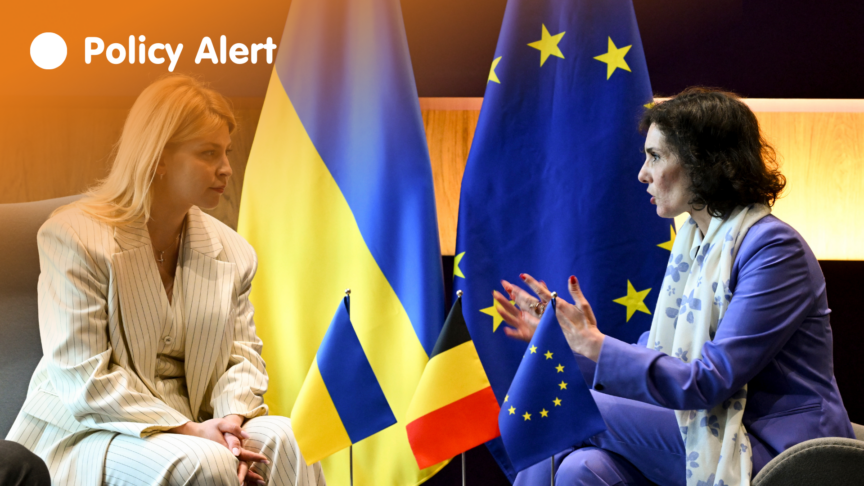
Accession negotiations for Ukraine and Moldova have formally begun. But four main challenges lay ahead before the EU welcomes its eastern neighbours into the bloc


Visiting Fellow
Eastern Europe, Ukraine, EU integration, conflicts in Eastern Europe
English, Romanian, Ukrainian, French, and Russian
Leo Litra is a visiting fellow with the Wider Europe programme at the European Council on Foreign Relations. He is also a senior fellow at New Europe Center in Kyiv, Ukraine and a Marshall memorial fellow at the German Marshall Fund of the United States.
Previously, Litra served as a research fellow at the Institute of World Policy in Ukraine. He is the author of numerous publications on the democratisation of the post‐Soviet space, European integration, and frozen conflicts. He also regularly contributes to Freedom House’s “Nations in Transit” report and the Bertelsmann Transformation Index. His main research interest is the accession process to the European Union.
Litra was a Carnegie research fellow at Yale University in 2009 and holds an MA in international relations and European studies from the European Institute of High International Studies in Nice, France.
Accession negotiations for Ukraine and Moldova have formally begun. But four main challenges lay ahead before the EU welcomes its eastern neighbours into the bloc
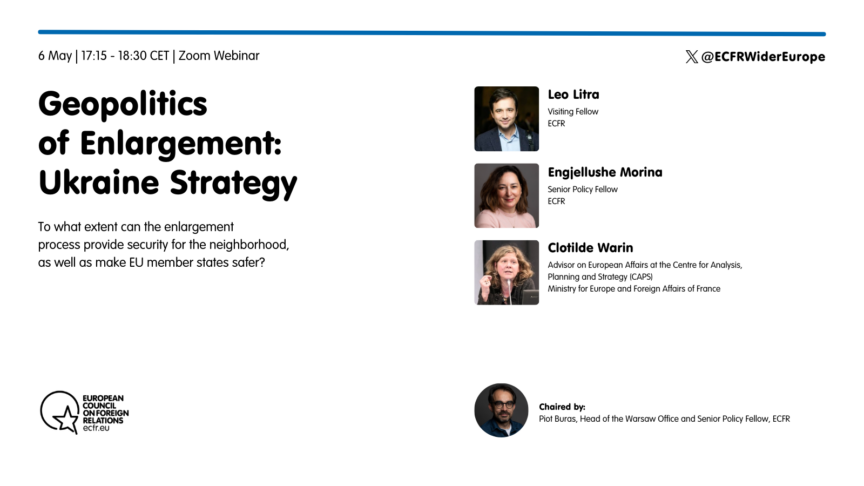
This webinar will discuss current revisions of the EU approach to enlargement policy and the security implications for Ukraine and the neighborhoods
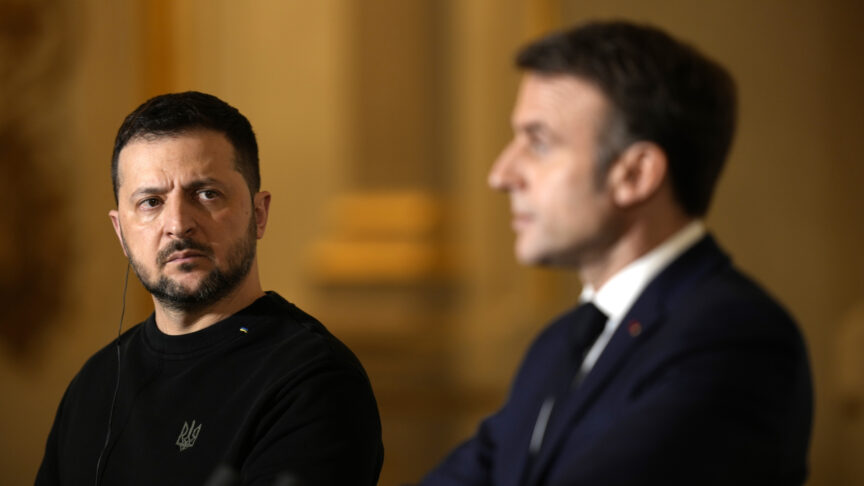
Bilateral security agreements send a clear and important signal of allies’ support for Ukraine. But to avoid hurting Ukraine in the long run, it is important to be clear about their limitations

Ukraine’s Western allies are discussing the possibility of confiscating frozen Russian sovereign assets to support Ukraine’s reconstruction. But if confiscated during the war, these funds could provide desperately needed – and stable – financial support for Kyiv’s war effort
It will take creativity from European leaders to expedite Ukraine’s path to EU membership and overcome the challenges that lie ahead
The politicisation of aid for Ukraine in the US and Europe, combined with the increasing war of attrition, is calling into question the West’s strategy for Ukraine. Kyiv’s allies need to update their strategy to enable Ukraine to push back against Russia’s aggression
Over the past year, Moldova has rid itself of Russian gas supplies. But it still receives electricity from the Russian-sponsored breakaway region of Transnistria. Ending this final dependency would bolster Moldova’s security – and Europe’s
The EU and its member states need to make an urgent commitment to Ukraine’s security and long-term commitment to its European future. If they do not, they risk alienating the very Ukrainians they seek to support
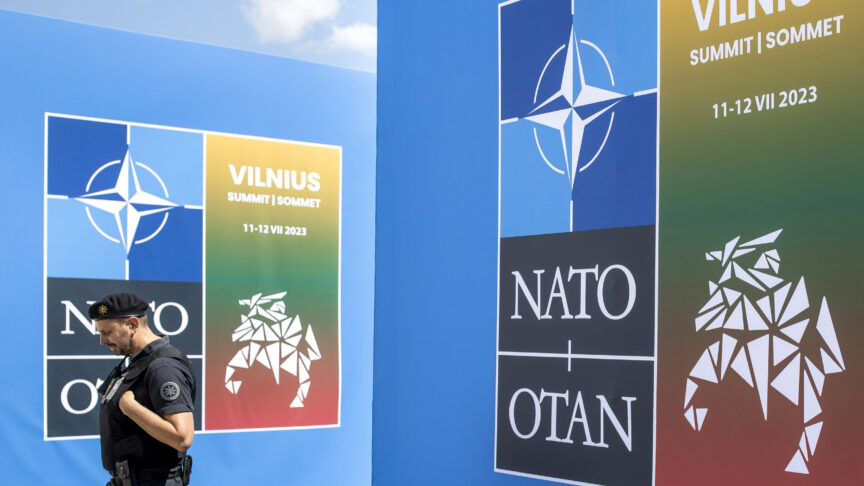
NATO should offer an invitation to Ukraine to join to create the conditions for a lasting peace
The EU and its member states need to make an urgent commitment to Ukraine’s security and long-term commitment to its European future. If they do not, they risk alienating the very Ukrainians they seek to support
Accession negotiations for Ukraine and Moldova have formally begun. But four main challenges lay ahead before the EU welcomes its eastern neighbours into the bloc
Bilateral security agreements send a clear and important signal of allies’ support for Ukraine. But to avoid hurting Ukraine in the long run, it is important to be clear about their limitations
Ukraine’s Western allies are discussing the possibility of confiscating frozen Russian sovereign assets to support Ukraine’s reconstruction. But if confiscated during the war, these funds could provide desperately needed – and stable – financial support for Kyiv’s war effort
It will take creativity from European leaders to expedite Ukraine’s path to EU membership and overcome the challenges that lie ahead
The politicisation of aid for Ukraine in the US and Europe, combined with the increasing war of attrition, is calling into question the West’s strategy for Ukraine. Kyiv’s allies need to update their strategy to enable Ukraine to push back against Russia’s aggression
Over the past year, Moldova has rid itself of Russian gas supplies. But it still receives electricity from the Russian-sponsored breakaway region of Transnistria. Ending this final dependency would bolster Moldova’s security – and Europe’s
NATO should offer an invitation to Ukraine to join to create the conditions for a lasting peace
This webinar will discuss current revisions of the EU approach to enlargement policy and the security implications for Ukraine and the neighborhoods
No one in NATO and especially not in the US, wants to have to test Article 5
Leo Litra on Biden’s policy on Ukraine
Leo Litra on the second anniversary of Russia’s war on Ukraine, seen through Zelensky’s eyes