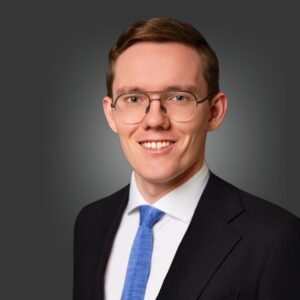
Kirill Shamiev is a policy fellow at the European Council on Foreign Relations. He focuses on Russia’s civil-military relations and domestic politics and policymaking.
Prior to joining ECFR, Shamiev worked as a senior researcher at PPMI, a European consultancy company. He has extensive experience in designing, coordinating, and conducting studies and evaluations for the European Commission, including most recently a study to support the evaluation of the European Union Agency for Cybersecurity and the European cybersecurity certification framework, interim evaluation for the European Solidarity Corps, and analysis of organisational models in EU cohesion policy programme authorities (2000-2020) for DG CNECT, DG EAC and DG REGIO.
Shamiev holds a PhD in political science from Central European University. He is a founding member of the MethodsNET global network of methods experts in the social sciences and a member of the Inter-University Seminar on Armed Forces and Society. His work has been published in the Armed Forces and Society journal, Foreign Affairs, Foreign Policy and the Routledge Handbook of Russian Politics and Society. He is an author of Imperfect Equilibrium: Civil–Military Relations in Russian Defense Policymaking (forthcoming in Hurst Publishers).
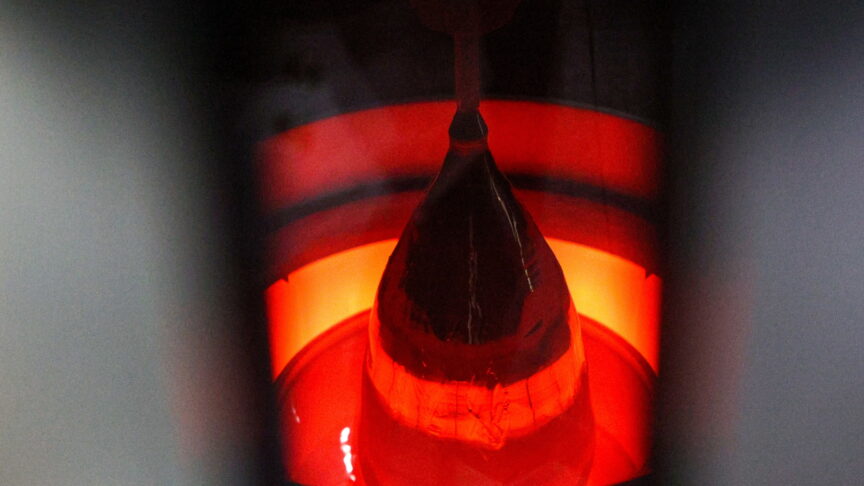
If Europe reopens talks with Vladimir Putin, Moscow could turn Western dependence on Chinese rare earths into leverage. A new $9.2bn processing hub in Siberia will be at the heart of this plan
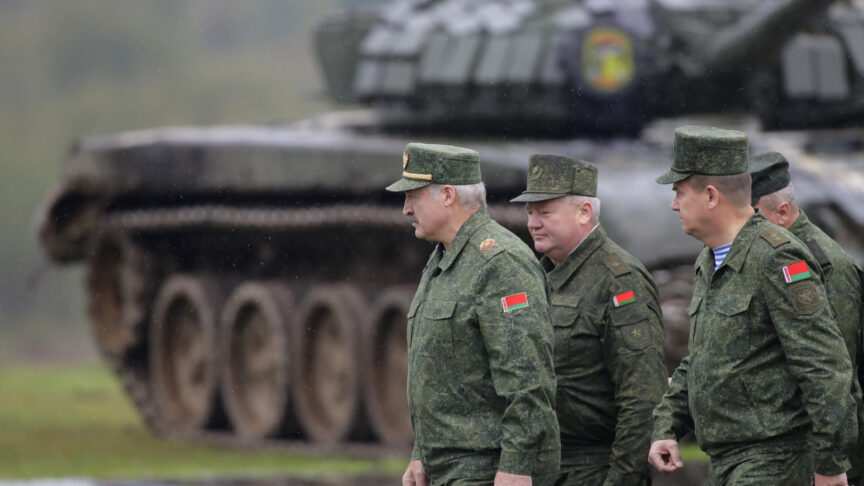
Zapad 2025 is not only a show of force; it is Lukashenko’s bid to play a role in the emergent European security order as it bargains with Washington over sanctions and prisoners
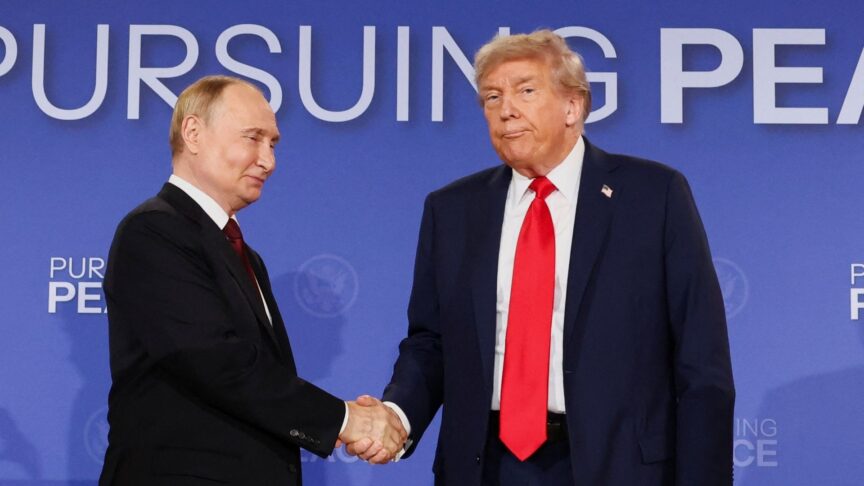
The US-Russia meeting did not produce a deal, but the direction of travel it indicated should alarm Europeans. They must redouble efforts to support Ukraine and bolster their own defences
The EU may need to deploy a peacekeeping force to Ukraine. However, without urgent regulatory changes, its member states are unprepared for the risks of direct confrontation with Russia
Donald Trump has frozen USAID. This is bad news for civil society organisations in the Russian democratic community, but Europe has the chance to step up its soft power influence in the eastern neighbourhood
In this final episode, we discuss how the war has transformed Russian society and political culture, and outline possible scenarios for its medium to long term political trajectory
The Kremlin has long attempted to reform Russia’s military, but a dysfunctional system of civilian control has led to repeated failures, including in its 2022 invasion of Ukraine. These problems will likely continue after the war unless a new Russian leadership emerges to address these persistent systemic problems
The Kremlin has long attempted to reform Russia’s military, but a dysfunctional system of civilian control has led to repeated failures, including in its 2022 invasion of Ukraine. These problems will likely continue after the war unless a new Russian leadership emerges to address these persistent systemic problems
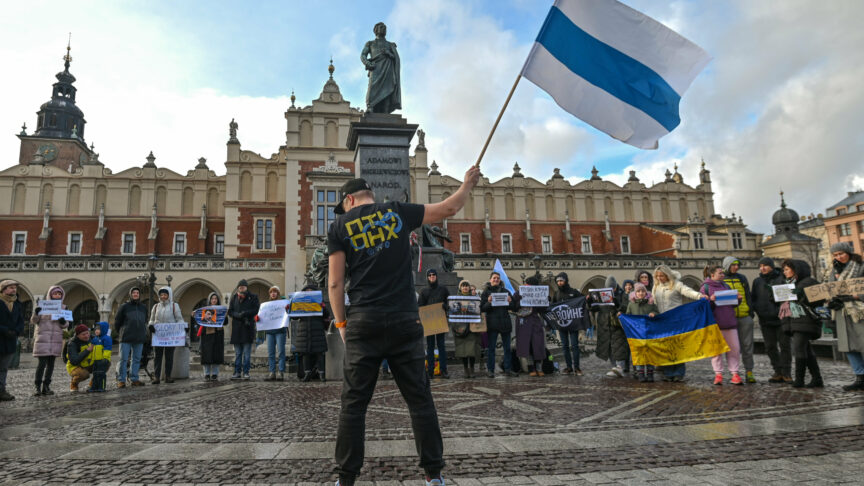
European governments need a more coordinated response to Russian democrats in exile – to give them certainty for the future and help guard against Kremlin subversion
If Europe reopens talks with Vladimir Putin, Moscow could turn Western dependence on Chinese rare earths into leverage. A new $9.2bn processing hub in Siberia will be at the heart of this plan
Zapad 2025 is not only a show of force; it is Lukashenko’s bid to play a role in the emergent European security order as it bargains with Washington over sanctions and prisoners
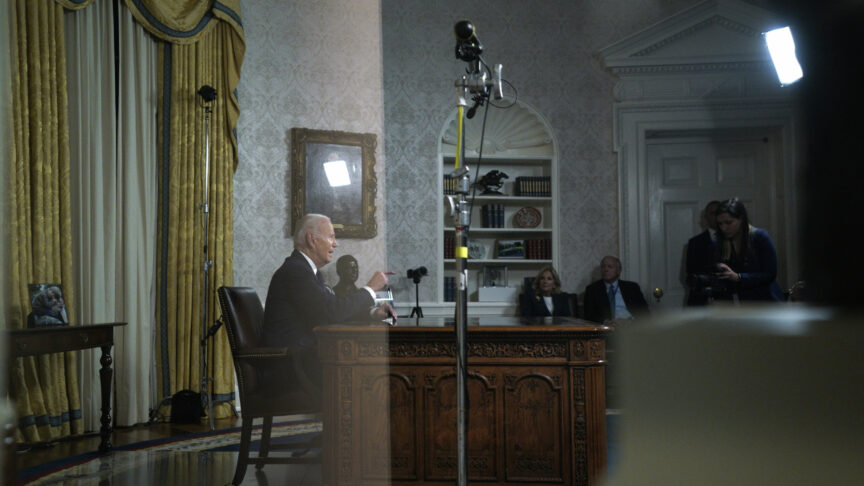
The US-Russia meeting did not produce a deal, but the direction of travel it indicated should alarm Europeans. They must redouble efforts to support Ukraine and bolster their own defences
The EU may need to deploy a peacekeeping force to Ukraine. However, without urgent regulatory changes, its member states are unprepared for the risks of direct confrontation with Russia
Donald Trump has frozen USAID. This is bad news for civil society organisations in the Russian democratic community, but Europe has the chance to step up its soft power influence in the eastern neighbourhood
Putin’s appointment of Andrei Belousov as defence minister signals the Kremlin’s push to rapidly modernise the Russian military – and further reshuffles may be on the horizon
Western states should take steps now to map out the future scenarios that could unfold – and engage with Russian civil society to understand what may happen
In this final episode, we discuss how the war has transformed Russian society and political culture, and outline possible scenarios for its medium to long term political trajectory
This podcast explores deeper trends beneath the surface of Russia’s daily politics. In this episode, we delve deeper into Russia’s foreign policy, taking a long-term perspective.
This podcast explores deeper trends beneath the surface of Russia’s daily politics. In this episode, we analyse who is really in charge of the Russian military and its nuclear weapons.
On 1 September, Russian high schools transitioned to new “patriotic” history textbooks authored by one of Russia’s staunchest conservatives, former culture minister Vladimir Medinsky. How…
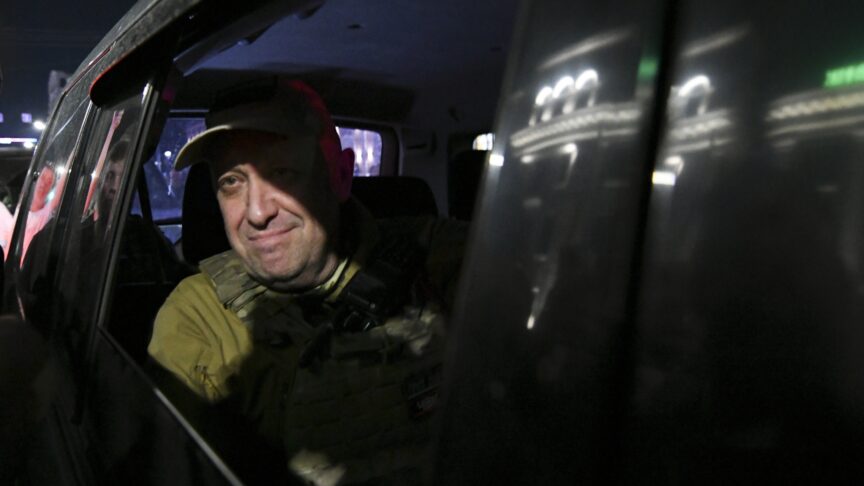
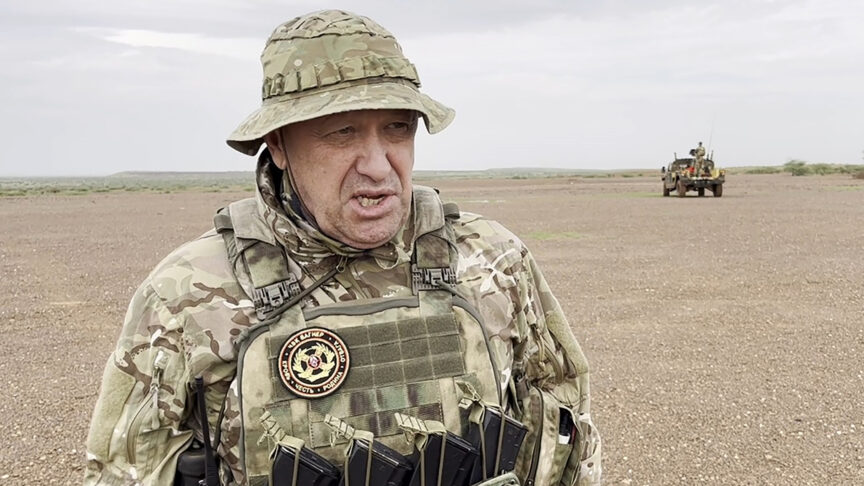
Mark Leonard welcomes Theo Murphy, Pavel Slunkin, Kadri Liik, and Kirill Shamiev to shed light on the possible consequences of Yevgeny Prigozhin’s death
Mark Leonard welcomes Marie Dumoulin, Kadri Liik, Pavel Slunkin and Kiril Shamiev to shed light on the weekend’s events and discuss the new reality that has opened up in Russia
What are the political dynamics surrounding the Russian military? Exploring potential scenarios for Russia’s civil-military development and implications for NATO and Europe
Kirill Shamiev on Russia’s command following the Kursk offensive
You are currently viewing a placeholder content from Facebook. To access the actual content, click the button below. Please note that doing so will share data with third-party providers.
You are currently viewing a placeholder content from Instagram. To access the actual content, click the button below. Please note that doing so will share data with third-party providers.
You are currently viewing a placeholder content from OpenStreetMap. To access the actual content, click the button below. Please note that doing so will share data with third-party providers.