Peace with teeth: What Britain and France’s troop commitment means for Ukraine
Britain and France have committed to deploying their armies on the ground in Ukraine. This is one step towards providing the robust security guarantees the country needs to deter future Russian aggression


Problem
For Ukraine to agree to a settlement with Russia, it requires solid security guarantees from its allies; and an understanding that any ceasefire will be monitored, with clear consequences for Russia should it breach this. As such, hopes for peace remain low.
For several years, Ukraine and its allies have underlined the need to create credible deterrence against potential future aggression. They believe that multilateral monitoring of a ceasefire and a binding mechanism for reacting to potential aggression is required to ensure any lasting peace.
The core problem lies in the inadequacy of previous models for providing security guarantees to Ukraine: under the Budapest Memorandum, the mechanisms for peace enforcement proved too theoretical and difficult to implement in practice.
Solution
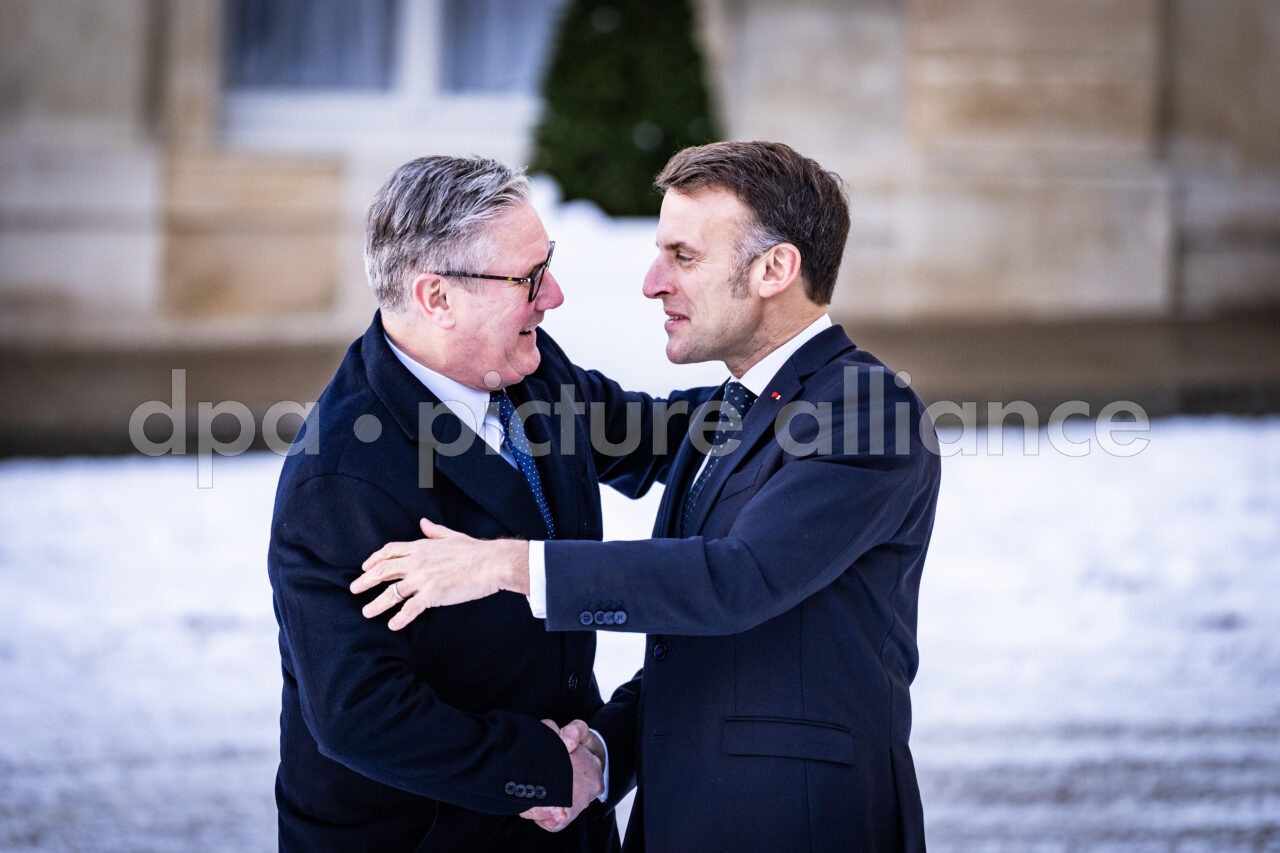
A coalition of willing nations, led by Britain and France, is now working on a package of robust security guarantees to ensure a lasting peace in Ukraine. On January 6th, its members met in Paris and adopted a declaration which conceptualises Europe’s contribution to Ukraine’s security.
These measures include participation in a monitoring mission, continued support for the Armed Forces of Ukraine, the potential deployment of troops under a multinational mandate, binding commitments from coalition members in the event of a renewed attack, and deeper defence cooperation.
Britain, France and Ukraine went a step further by signing a separate framework regarding the potential deployment of a multinational force. This will help with reconstituting and training the Ukrainian armed forces and integrate Western military infrastructure with Ukraine’s.
Europe’s provision of solid security guarantees is critical to achieving a lasting peace by ensuring the price of further aggression would be unbearable. Britain and France presenting concrete proposals could also serve as a mobilising factor for other nations: Canada, Spain and Turkey have suggested they might also contribute personnel, while Germany is considering strengthening NATO’s eastern flank by deploying additional troops to member states bordering Ukraine.
This proposal comes as the negotiation process is being finalised between Ukraine, the US and their European partners. It signals to Russia that Ukraine will possess practical instruments to deter future aggression. It also arrives as America’s commitment to European security—especially considering Donald Trump’s worrying overtures to Greenland—is being scrutinised, further highlighting the need for strong European leadership.
Context
The Budapest Memorandum, which intended to protect Ukraine in exchange for surrendering its nuclear arsenal, proved ineffective. In 2014, Russia annexed Crimea and seized parts of eastern Ukraine, subsequently launching a full-scale invasion in February 2022. Memorandums based on non-binding political commitments and weak deterrence mechanisms have failed to stop Russia and endangered the security of Europe.
However, critics of the latest approach underline two major vulnerabilities. First, European security guarantees without US backing are not entirely credible to Russia: European defence production lags behind Russia, its armies are far smaller and its decision-making processes more complex. Second, observers accept the need for post-war security guarantees but argue that all measures must address day one of a ceasefire but contribute to ending the war.
At the same time, if Europe implements the proposed security guarantees, Ukraine could turn into a military fortress with a NATO-like interoperability and integration in the Western defence system. This would make Ukraine a de-facto NATO member: one way to address Russia’s demands without jeopardising the security of Ukraine.
The European Council on Foreign Relations does not take collective positions. ECFR publications only represent the views of their individual authors.