Japanese foreign relations, security and defense policy, Japan’s strategy in the Indo-Pacific region, EU-Japan relations
Languages
German, English, Greek, French (conversational), Japanese (conversational)
Biography
Dr. Elli-Katharina Pohlkamp is a Visiting Fellow of the Asia Programme at the European Council on Foreign Relations. She previously worked as a Japan Analyst based in Munich, as a Policy Fellow at the Progressives Zentrum Berlin and as a Japan Fellow at Agora Strategy Group, where she focused on EU-Japan relations and Japanese foreign policy and security in East Asia.
She also was a Research Assistant and a Forum Ebenhausen-Scholar at the German Institute for International and Security Affairs (SWP Berlin) and worked at the German Institute for Japanese Studies in Tokyo, as a PhD Scholar.
She holds a PhD from the University of Tübingen, Germany, and has published widely on topics related to Japan’s foreign- and security policy, Sino-Japanese relations and security in the Asia-Pacific region.
Japan and China are heading towards a new, albeit contained, rivalry. To mitigate the economic and security impacts of further Chinese coercion, the EU needs to coordinate its response with Indo-Pacific partners
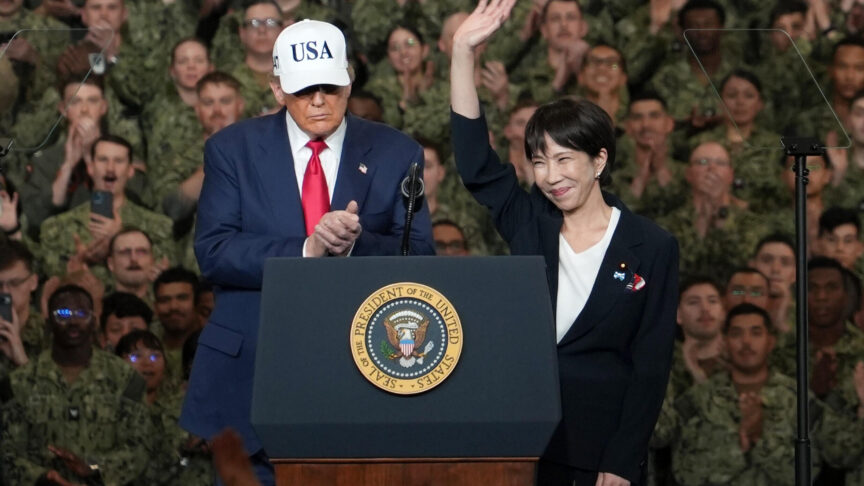
Donald Trump has already met Japan’s new prime minister, Sanae Takaichi, in Tokyo. As the two move closer on defence and economic security, the EU must reflect on the credibility of its own alliance
With an unpredictable US and a defiant China, the EU and Japan must deepen their alignment—fast. Strategic cooperation in defence, economic security and diplomacy is no longer optional; it’s essential to shaping, not just surviving, the new global order
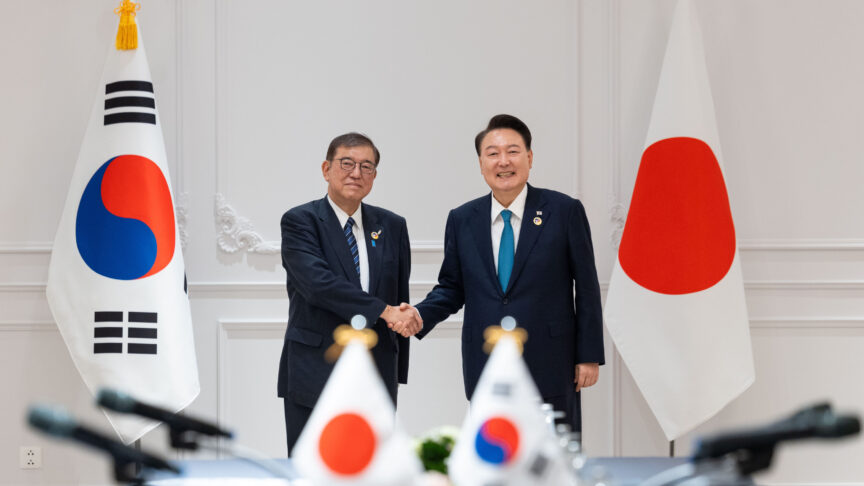
New Japanese prime minister Ishiba Shigeru has signaled a commitment to continuing his predecessor’s outreach to South Korea. Europe should seize the moment to tackle shared challenges with both countries
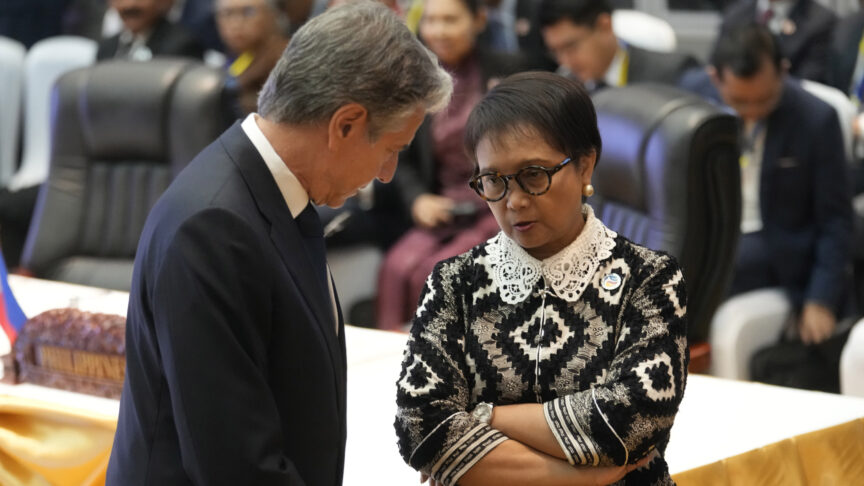
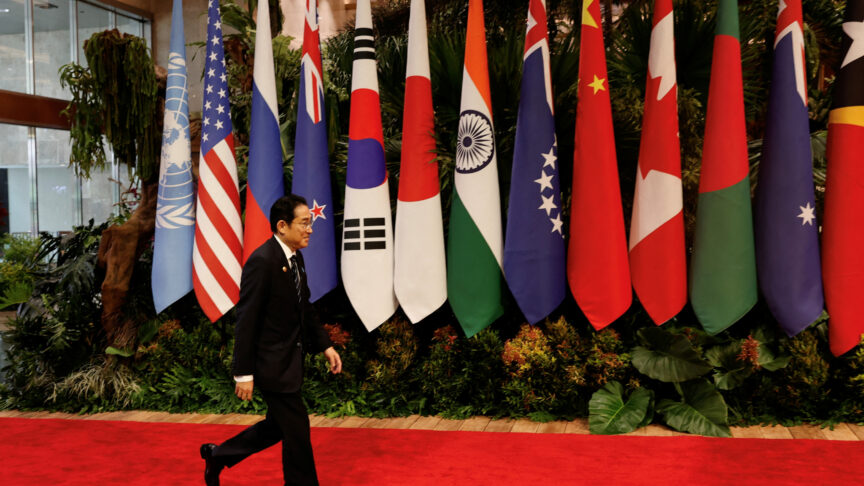
Russia’s war on Ukraine, the US-China rivalry, and evolving geostrategic dynamics in the Indo-Pacific region have pushed Japan to recalibrate its approach to emerging countries in the global south. European governments, facing challenges to restore a positive image in their engagement with these countries, can draw valuable inspiration from Tokyo’s approach
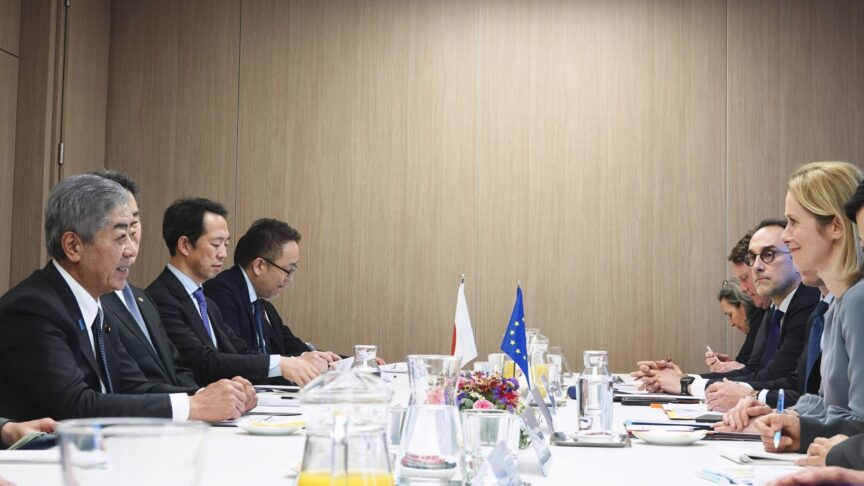
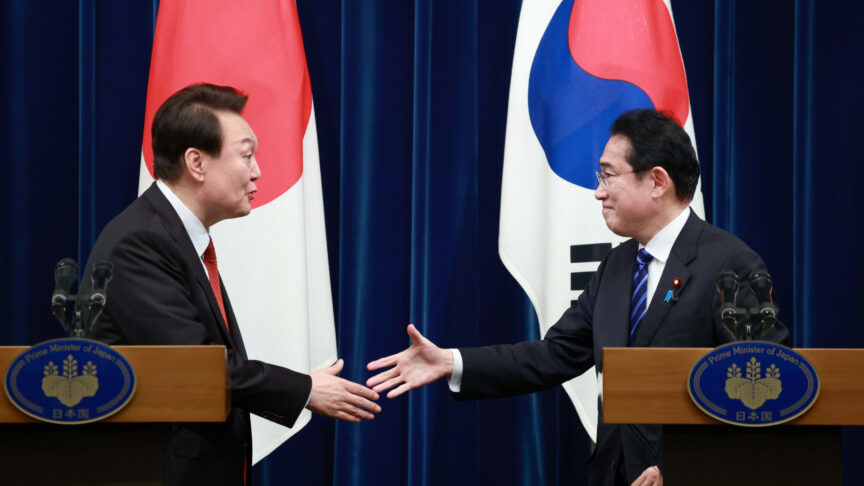
A recent thaw in ties between the EU’s two most important partners in East Asia is a potential game-changer for a region fraught with geopolitical danger – but complex domestic politics in both countries may yet derail a truly long-lasting rapprochement
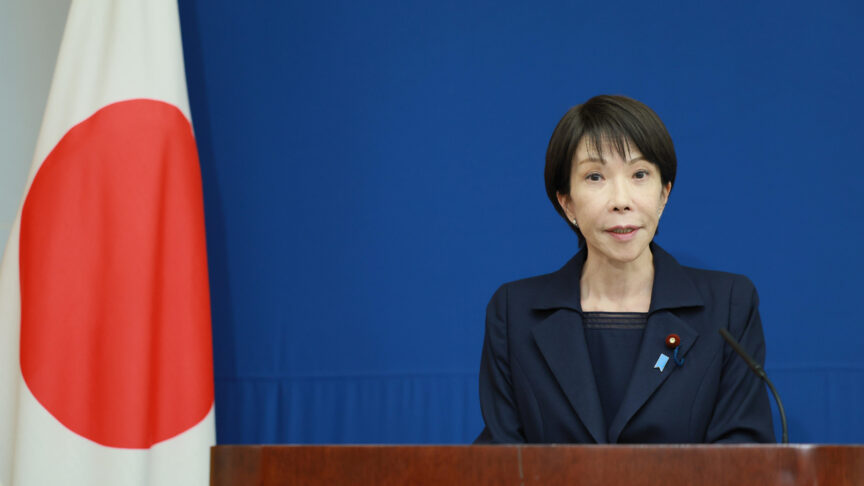
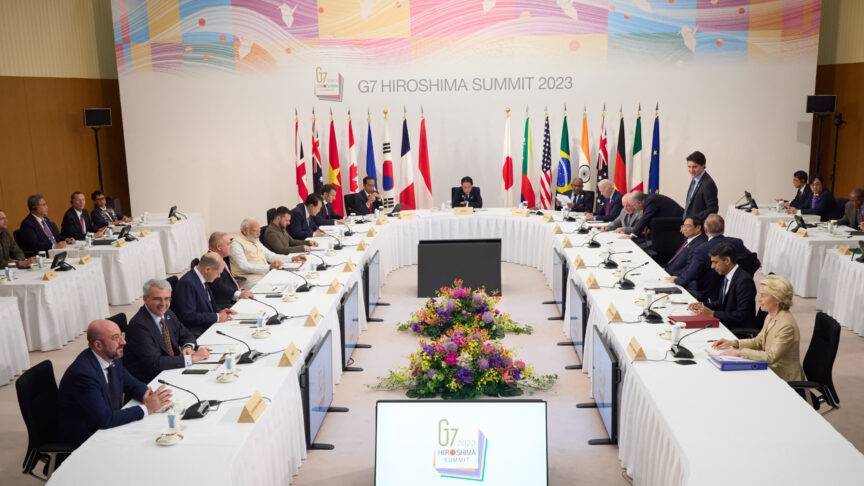
Japan has clearly signalled that it will not stand on the sidelines of global crises. It is now committed to bold diplomacy and the protection of the rules-based international order
Japan and China are heading towards a new, albeit contained, rivalry. To mitigate the economic and security impacts of further Chinese coercion, the EU needs to coordinate its response with Indo-Pacific partners
Donald Trump has already met Japan’s new prime minister, Sanae Takaichi, in Tokyo. As the two move closer on defence and economic security, the EU must reflect on the credibility of its own alliance
With an unpredictable US and a defiant China, the EU and Japan must deepen their alignment—fast. Strategic cooperation in defence, economic security and diplomacy is no longer optional; it’s essential to shaping, not just surviving, the new global order
New Japanese prime minister Ishiba Shigeru has signaled a commitment to continuing his predecessor’s outreach to South Korea. Europe should seize the moment to tackle shared challenges with both countries
Russia’s war on Ukraine, the US-China rivalry, and evolving geostrategic dynamics in the Indo-Pacific region have pushed Japan to recalibrate its approach to emerging countries in the global south. European governments, facing challenges to restore a positive image in their engagement with these countries, can draw valuable inspiration from Tokyo’s approach
A recent thaw in ties between the EU’s two most important partners in East Asia is a potential game-changer for a region fraught with geopolitical danger – but complex domestic politics in both countries may yet derail a truly long-lasting rapprochement
Japan has clearly signalled that it will not stand on the sidelines of global crises. It is now committed to bold diplomacy and the protection of the rules-based international order
Dr Janka Oertel discusses with Dr Elli-Katharina Pohlkamp and Bonji Ohara the cooperation in the field of cybersecurity between two of the US closest allies
In general, the NATO-IP4 cooperation is a good thing, since it symbolizes the recognition that both the Indo-Pacific theater and the European theater are linked
Elli-Katharina Pohlkamp on German-Japanese trade and defence cooperation
With the war in Ukraine, Germany has entered a new era in security and defence policy, but this does not change Germany’s interests in the Indo-Pacific
Dr. Elli-Katharina Pohlkamp elaborates on German and Japanese Defense Spending in light of the war in Ukraine
You are currently viewing a placeholder content from Facebook. To access the actual content, click the button below. Please note that doing so will share data with third-party providers.
You are currently viewing a placeholder content from Instagram. To access the actual content, click the button below. Please note that doing so will share data with third-party providers.
You are currently viewing a placeholder content from OpenStreetMap. To access the actual content, click the button below. Please note that doing so will share data with third-party providers.