Not so fast: What China’s new climate target means for Europe and the planet
Europeans should understand that China views climate policy not as ideology—but as a lever of industrial power

Problem
China’s new climate target is symbolic yet inadequate. Its promised cut falls far short of what climate experts say is needed. The pace of renewable energy and electric vehicle deployment referenced in the target lags far behind projections based on recent trends.
The timing could not have been better for Beijing: announced just a day after Donald Trump called climate change the “greatest con job in history”—and as the EU missed the deadline to submit its target to the United Nations—China’s low-ambition plan might look credible by comparison. And Xi Jinping’s call for the “free flow of quality green products globally” (a swipe at Trump’s trade war and EU tariffs on Chinese clean tech imports) will resonate, especially in developing countries.
But the implication for Europe and the planet is stark: the world’s largest emitter has already emitted more historically than Europe and contributed to 90% of global emissions growth since the 2015 Paris Agreement. China is far off course in terms of keeping the climate safe.
Solution
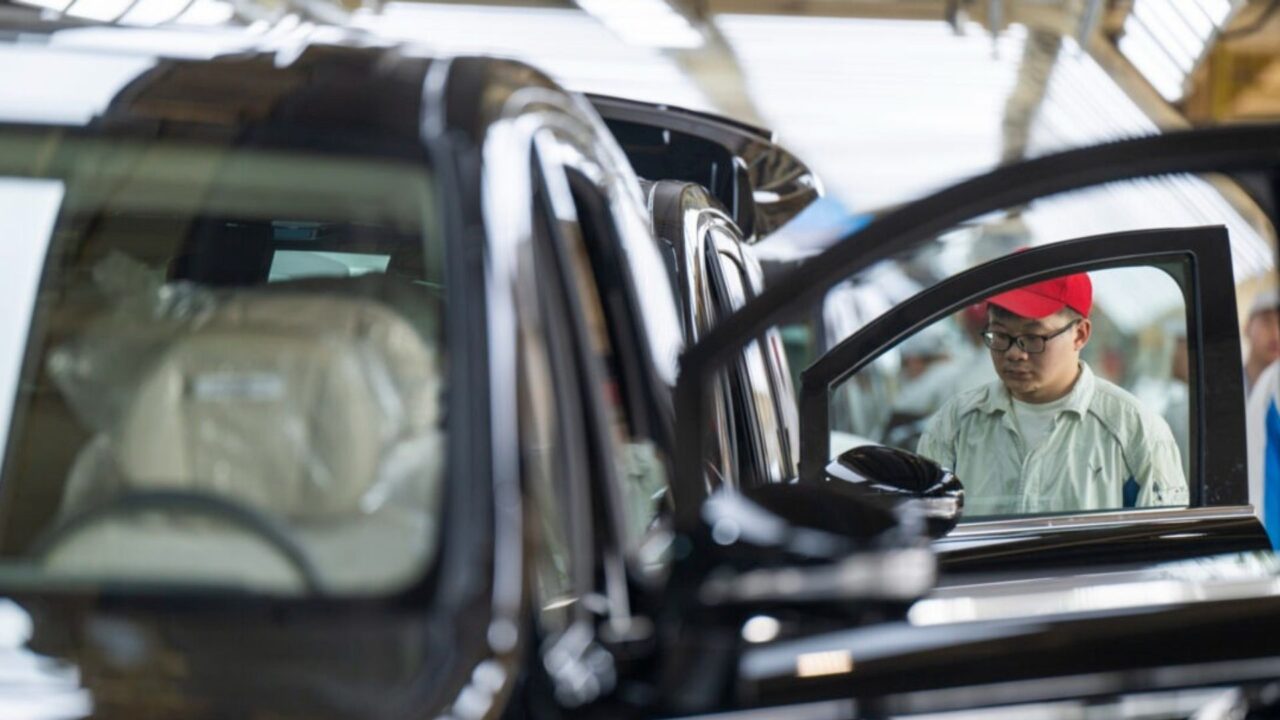
Yet European leaders must not mistake China’s low target as a sign Beijing is de-prioritising climate and clean tech. The fact that Xi personally announced the goal means climate remains a top political priority for officials at every level. While European politicians are busy trading smears around green policy, Beijing has consistently viewed climate not as ideology, but as a lever of industrial power. Its drive to boost clean tech sectors—from “Made in China 2025” to plans to become an automotive superpower via electric vehicle leadership—were set long before the 2060 neutrality goal or even the Paris Agreement.
To reclaim their climate leadership (and credibility to even comment on China’s unambitious goal) Europeans must overcome their internal divisions and agree a credible 2040 target. This will also determine the EU’s ability to engage with partners to secure supply chains and remain competitive in industries of the future.
Europeans must also back climate partnerships with real resources: through the next multiannual financial framework, instruments for technology transfer and local content rules that benefit trusted partners. This would stand in contrast to China’s approach to climate cooperation, which centres on clean tech export and investment in assembly plants abroad.
Countries such as Brazil and India share Europe’s aspiration to capture more value from the clean economy. They have already taken trade measures in response to China. A model that strengthens domestic green industries in partner countries would help Europe diversify clean tech supply chains and create the economic incentives that lock partners into higher climate ambition.
Context
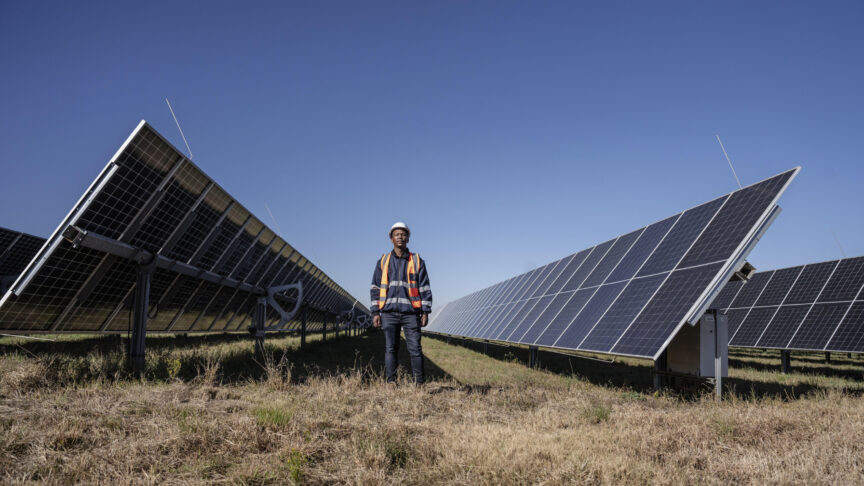
This week, Xi announced China would—for the first time—adopt an absolute emissions reduction target: cutting greenhouse gases by 7-10% by 2035 (from an unspecified peak level and year). China also pledged to expand wind and solar capacity more than sixfold from 2020 levels and make new energy vehicles the mainstream of new car sales.
Meanwhile, the EU missed this month’s UN deadline to submit its updated climate targets. Member states remain divided over the bloc’s 2040 target to cut emissions by 90%. As an interim solution, the EU has issued a “statement of intent”, proposing emissions reduction of 66.25-72.5 % by 2035. The full target is expected to be finalised at October’s European Council.
The European Council on Foreign Relations does not take collective positions. ECFR publications only represent the views of their individual authors.