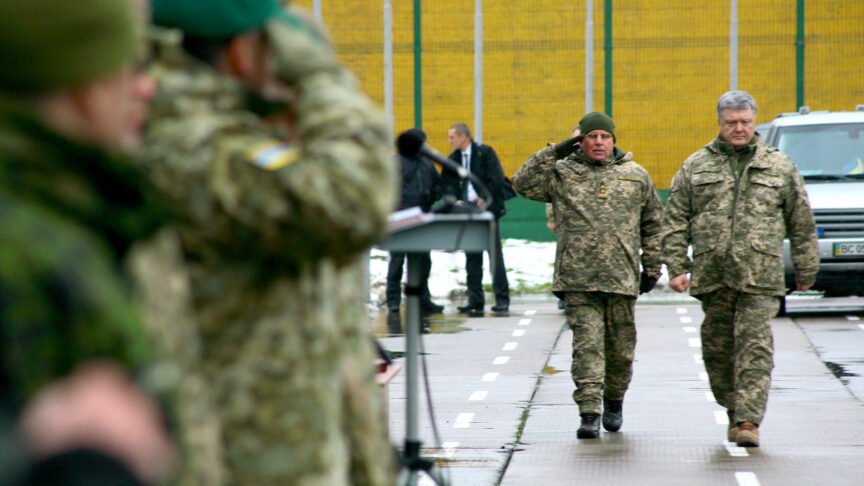
Russia’s preparations for a full-scale war in Ukraine provide it with plenty of coercive options short of a massive invasion. Ukraine and the US may have different assessments of the threat, but they both need to prepare for all likely scenarios
Jonathan Hackenbroich, with
Filip Medunic,
Paweł Zerka
Policy Brief
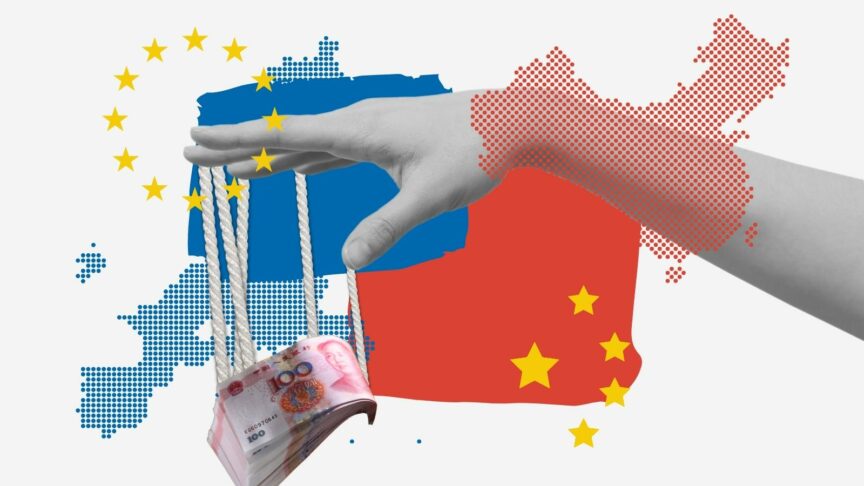
The EU needs to develop an Anti-Coercion Instrument that acts as a powerful economic deterrent, but this alone will not sufficiently protect Europe against economic coercion
The German government has finally dispelled the uncertainty around its stance on Nord Stream 2 and potential sanctions on Russia. But the major tests of Berlin’s ability to act may still lie ahead
The EU should respond to the Russian threat to Ukraine by making use of its main strength – economic influence. There is no other way for the union to persuade the great powers struggling over Europe’s future that it is a force to be reckoned with
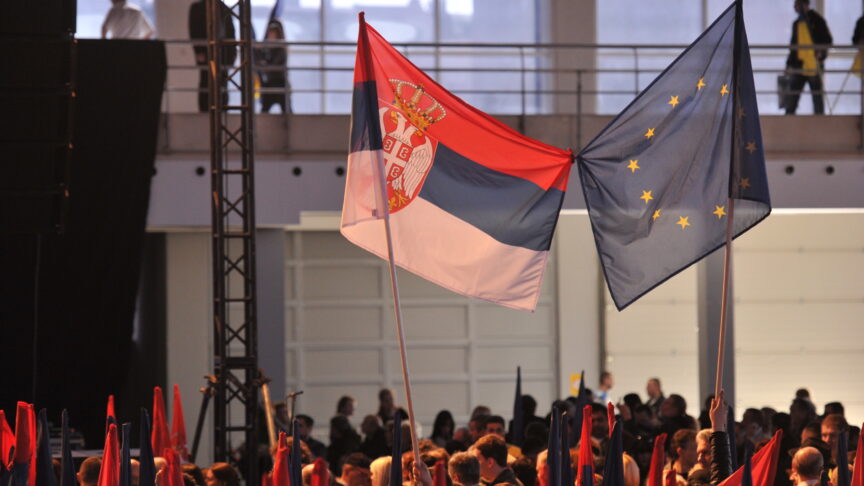
Public attitudes in Ukraine and Serbia raise pressing questions about EU enlargement. If member states are to sustain this process, they will need to base it on a shared sense of belonging
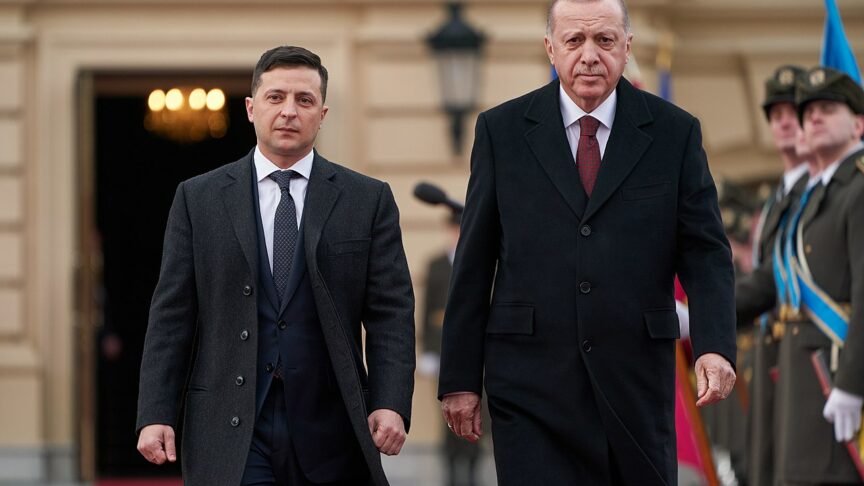
As the Turkish president continues his delicate balancing act between the US and Russia, the crisis in Ukraine presents new opportunities for Ankara’s transatlantic credentials
The EU’s success is mixed in generating reform among Eastern Partnership countries. But patience and self-confidence remain its best bet for the future
European governments have yet to learn a key lesson from the war in Ukraine. The alternative reality the Kremlin lives in is becoming increasingly dangerous
By appointing a special representative for Crimea, the EU would show its commitment to standing by its partners and rejecting Russia’s violations of international law