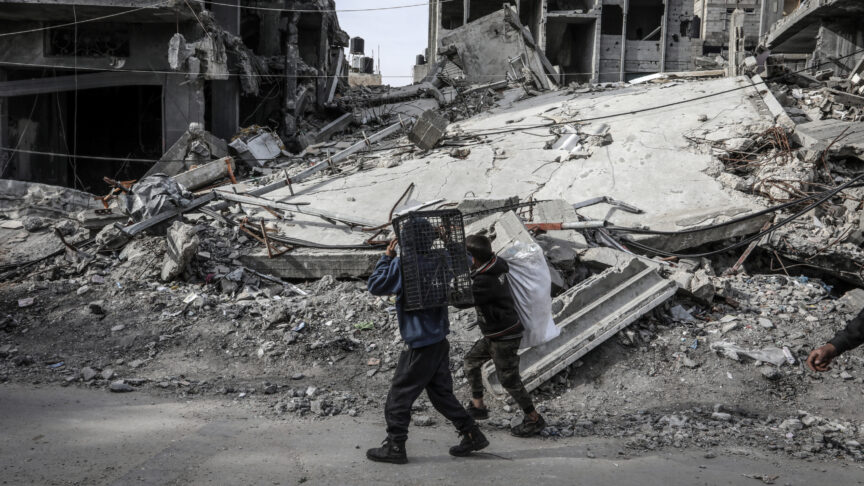
When soft power is spent: Gaza, Ukraine, and Europeans’ standing in the Arab world
Europeans’ reputation as defenders of international law has cratered among their Arab partners. The first step is to recognise the problem

Europeans’ reputation as defenders of international law has cratered among their Arab partners. The first step is to recognise the problem
Migration in the Mediterranean has been a crisis factor for Europe for decades. To shed light on the issue, the discussion will revolve around ECFR’s policy brief edited by Lorena Stella Martini and Tarek Megerisi, which examines the case study of the Central Mediterranean route to analyse European externalization policies, focusing primarily on migration to Italy.
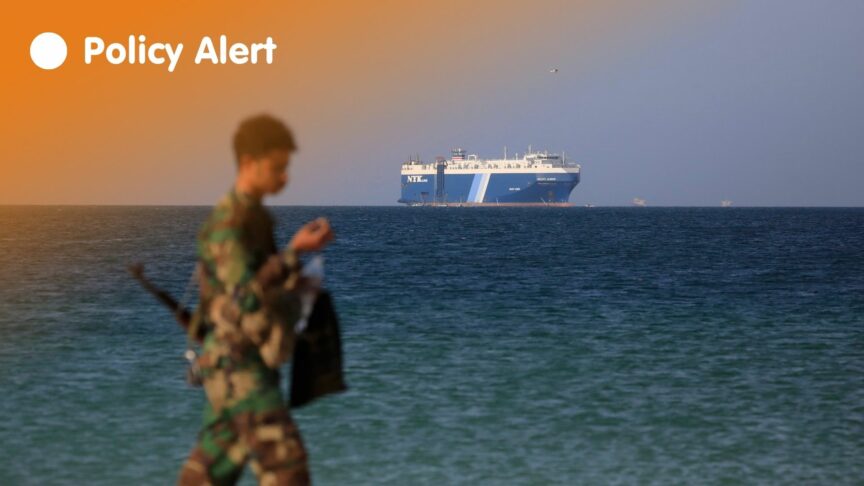
After weeks of attacks on ships in the Red Sea, the Iran-backed Houthi militia has now threatened to target all Israel-bound vessels in retaliation for Israel’s war in Gaza, threatening freedom of navigation and regional security
Many people outside the West want Europe and the US in their lives for all they have to offer – but that does not translate…
La conferenza è l’evento finale del progetto “Rome Foreign Policy Club: Gruppo di riflessione strategica su Italia, multilateralismo e interconnessioni”, con focus sugli scenari globali e per il Mediterraneo allargato dopo l’invasione dell’Ucraina
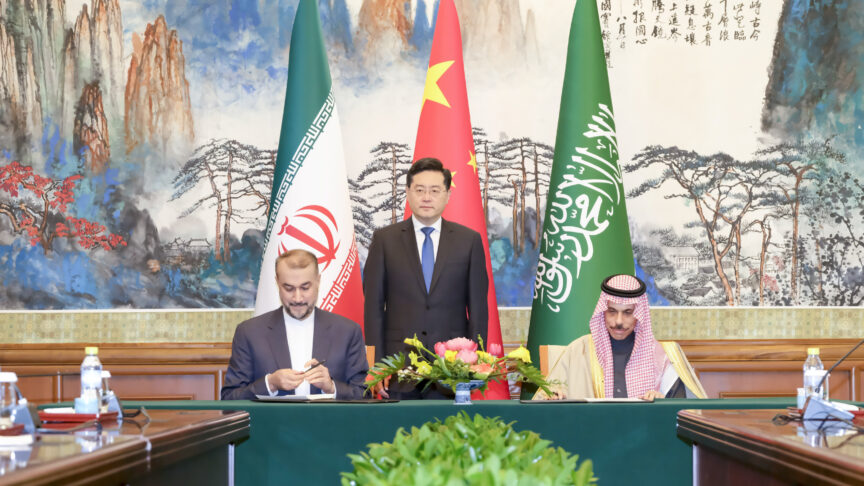
The recent ceasefire between Israel and Islamic Jihad, the detente between Iran and Saudi Arabia, and the de-escalation in Yemen have all been accomplished with minimal Western involvement. While this may be just a temporary lull in Middle Eastern violence, it may also offer a glimpse into the multipolar future
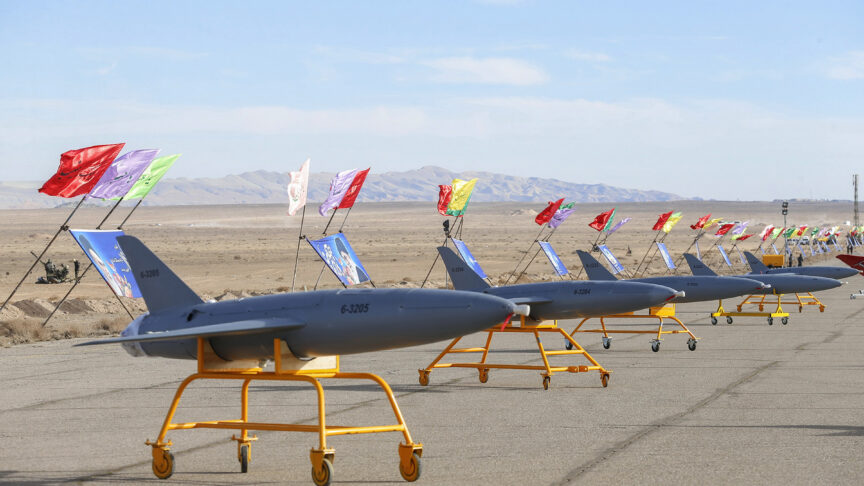
States in the region increasingly design and produce their own drones. The EU should respond by investing in European drone technology and creating a shared accountability regime for the use of such systems.
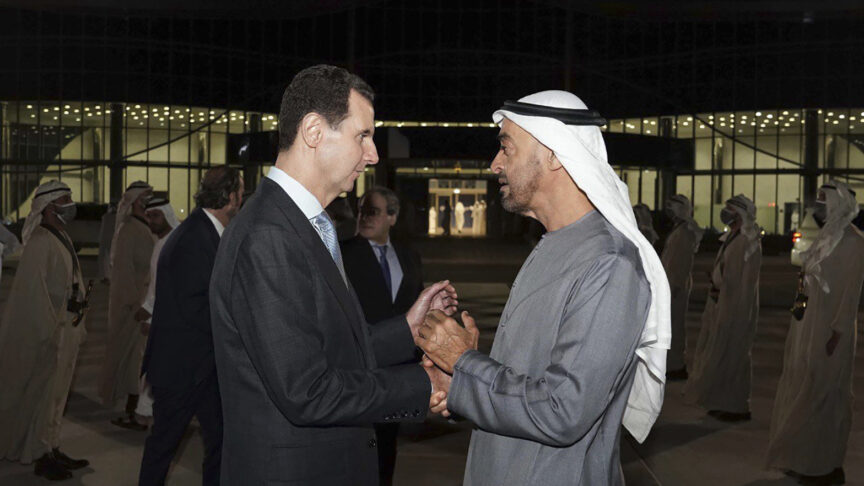
The UAE’s embrace of Assad is central to the construction of a new regional order that preserves Emirati influence
Europeans’ reputation as defenders of international law has cratered among their Arab partners. The first step is to recognise the problem
After weeks of attacks on ships in the Red Sea, the Iran-backed Houthi militia has now threatened to target all Israel-bound vessels in retaliation for Israel’s war in Gaza, threatening freedom of navigation and regional security
The recent ceasefire between Israel and Islamic Jihad, the detente between Iran and Saudi Arabia, and the de-escalation in Yemen have all been accomplished with minimal Western involvement. While this may be just a temporary lull in Middle Eastern violence, it may also offer a glimpse into the multipolar future
States in the region increasingly design and produce their own drones. The EU should respond by investing in European drone technology and creating a shared accountability regime for the use of such systems.
The UAE’s embrace of Assad is central to the construction of a new regional order that preserves Emirati influence
Migration in the Mediterranean has been a crisis factor for Europe for decades. To shed light on the issue, the discussion will revolve around ECFR’s policy brief edited by Lorena Stella Martini and Tarek Megerisi, which examines the case study of the Central Mediterranean route to analyse European externalization policies, focusing primarily on migration to Italy.
Many people outside the West want Europe and the US in their lives for all they have to offer – but that does not translate…
La conferenza è l’evento finale del progetto “Rome Foreign Policy Club: Gruppo di riflessione strategica su Italia, multilateralismo e interconnessioni”, con focus sugli scenari globali e per il Mediterraneo allargato dopo l’invasione dell’Ucraina
The trajectory of the situation now depends on whether Israel feels the need to react, including through potential direct attacks on Iran
Every country wants to have the last word but there is a risk of spiralling

Arturo Varvelli comments on tensions in the Middle East after Iranian drone and missile attack on Israel
We cannot dismiss that Isis-K is planning an attack in Europe. The group has moved from local to global projection and has grown in its ability to conduct attacks
With the possibility of the Gaza war sparking a wider war, there is a new need for regional peace and stability, without which the Saudi Vision 2030 may remain a mirage
Bruno Maçães interviews Saudi prince Turki al-Faisal
It is hard to believe that the Houthis have the capabilities and technology to strike submarine cables at that depth

Alberto Rizzi comments on the attack on the submarine cables and the alleged Houthi involvement
