Experts & Staff
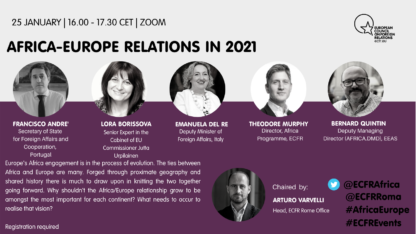
Theodore Murphy

Theodore Murphy

ECFR Alumni · Associate Senior Policy Fellow

Areas of expertise

Horn of Africa: Sudan/South Sudan, Ethiopia, Eritrea; Red Sea political/security/economic aspects; mediation/conflict resolution; humanitarianism

Languages

English, German, Arabic, French (conversational)

Biography

Theodore Murphy was an associate senior policy fellow at the European Council for Foreign Relations. He can be reached at [email protected].

Murphy managed emergency response missions for Doctors Without Borders, in Afghanistan, Iraq, and Sudan. He has published and lectured on humanitarian issues writ large and specifically in the context of the Greater War on Terror. At Amnesty International, Murphy coordinated all research and publications on Sudan as well as media appearances. Writing for the International Crisis Group, Murphy focused on the dynamics in the Chad/Darfur region contributing to public reports on these issues.

From 2007-2011, Murphy worked in conflict resolution/mediation with the United Nations and in the non-governmental sector in the Horn of Africa and Middle East. He served as Expert Advisor to the AU/UN mediation team in Darfur in 2007-08. In 2011, Murphy was appointed by the UN Secretary General to the Panel of Experts for Libya where he served in the post of Regional Expert. As a Course Director and Fellow for the Geneva Centre for Security Policy, Murphy designed and led accredited training for diplomats, military, and multilateral staff on the topic of Engagement with Non State Actors.

Working closely with the German MFA, from 2012 onwards, Murphy oversaw mediation initiatives throughout the Horn of Africa. Amongst others, he negotiated an internationally recognized political agreement in Darfur and supported efforts towards creating a Red Sea Forum.

Murphy holds degrees from McGill University and the School for Oriental and African Studies (SOAS) London.


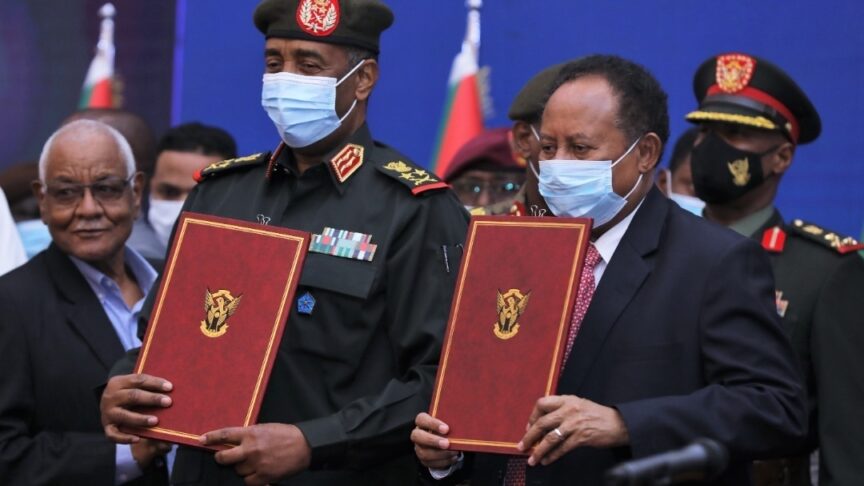
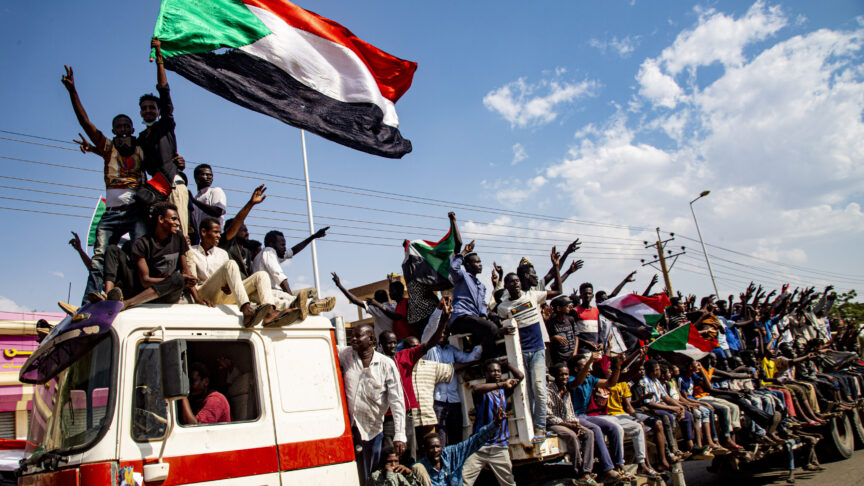
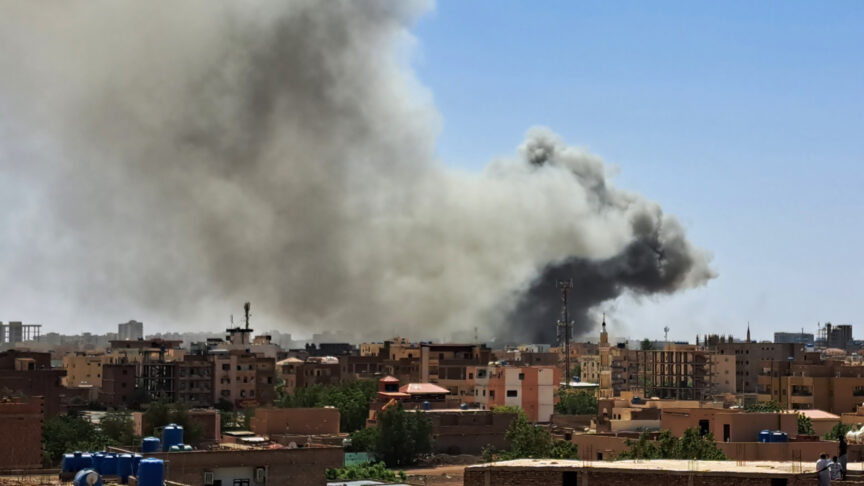
Sudan after Hamdouk: Three steps Europeans should now take

Following the prime minister’s resignation, Europeans should now attempt to avert the military from further repression, engage the broader civilian constituency, and seek a new form of mediation

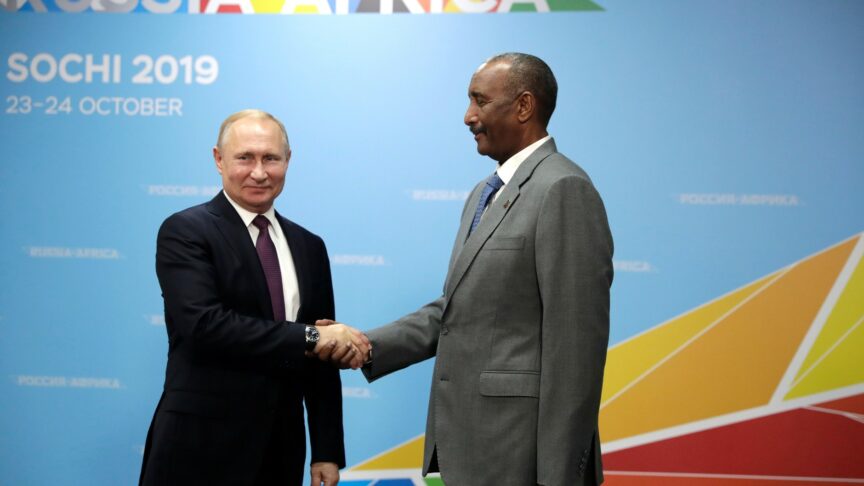
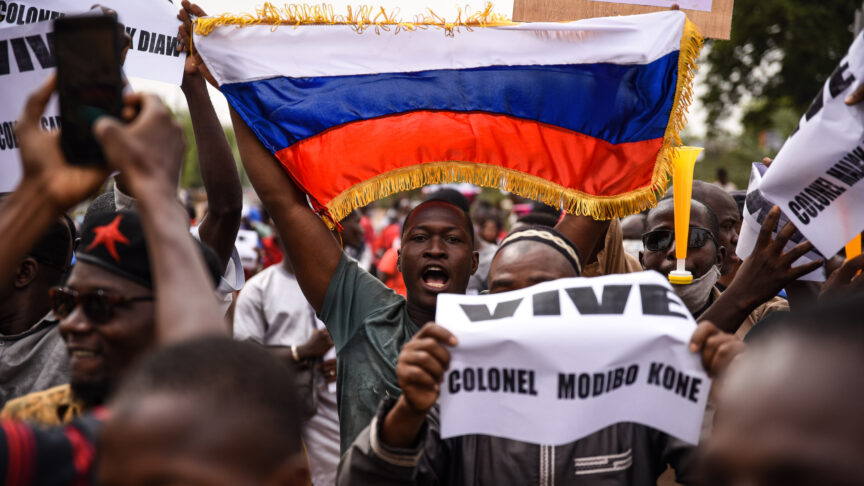
Khartoum’s autocratic enabler: Russia in Sudan

Western leaders can prevent Sudan’s military from drifting further into dependence on the Kremlin. To achieve this, they will need to take a more assertive approach to supporting the country’s protest movement and dealing with its military

The EU’s Global Gateway and a new foundation for partnerships in Africa

The EU should conceive of the Global Gateway and the international aspect of the European Green Deal as mutually reinforcing parts of a single strategy. This would make Europe a key partner in Africa’s green transformation – to the benefit of both continents

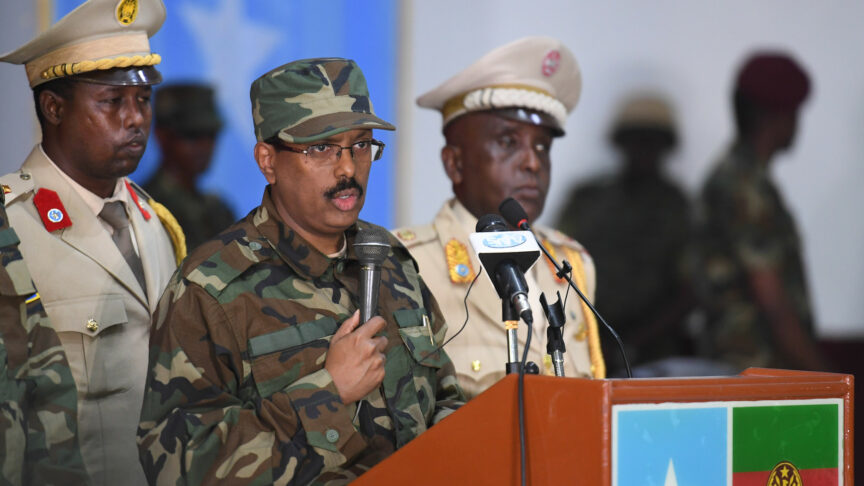
Somalia’s election impasse: A crisis of state building

The EU can unblock the so-called “electoral impasse” paralysing Somalia by rejecting the involvement of the outgoing president. But it must also set out a new framework to help the country move forward

Publications

Articles

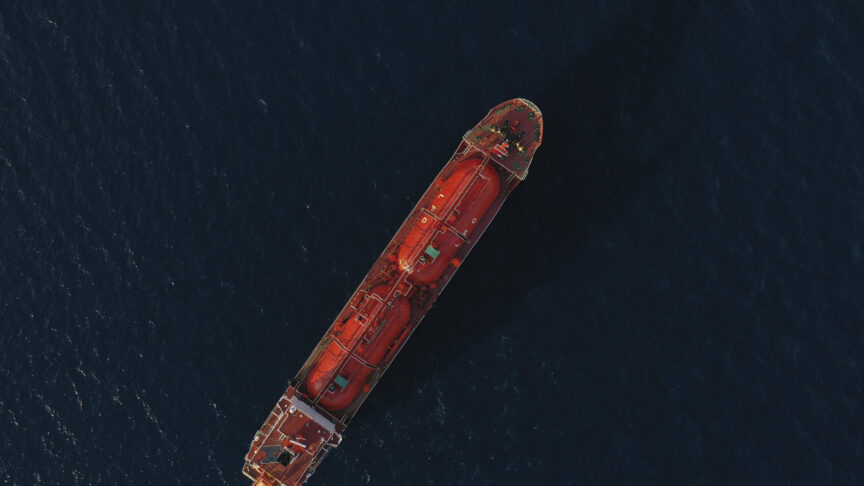
Trading bases: The Red Sea tinderbox and the maritime economy

Houthi attacks on Red Sea shipping lanes expose how actors beyond the great powers can weaponise an interdependent global economy. To help overcome this threat, Europeans should advocate cooperation between the US and China

Podcasts

Events

In the media