
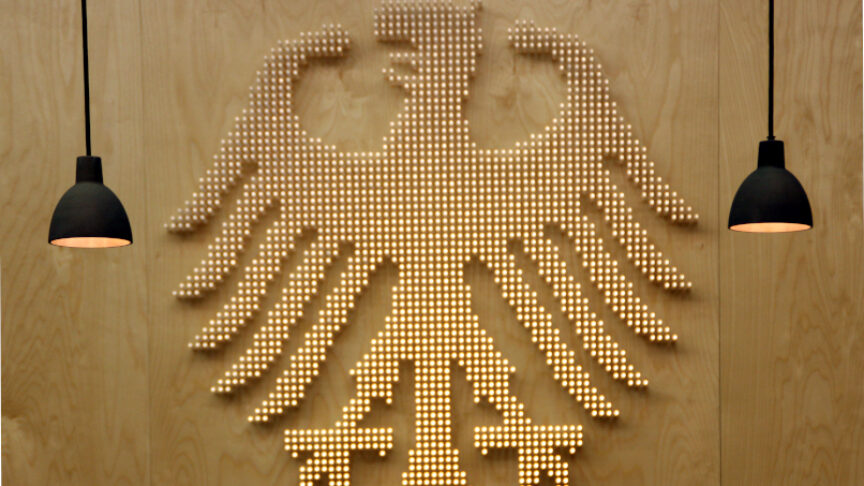
The German Constitutional Court’s ruling: A wake-up call for Europe
The EU’s institutions and member states must support the CJEU. But words – and more infringement procedures – will not be enough in themselves.

Head, ECFR Warsaw
Senior Policy Fellow
Germany's EU and foreign policy; Poland in the EU; EU politics
Polish, German, English
Piotr Buras is the head of ECFR’s Warsaw office and a senior policy fellow at the European Council on Foreign Relations. His topics of focus include Germany’s EU and foreign policy, Poland in the EU, and EU politics.
Buras is a journalist, author and expert on German and European politics. Between 2008 and 2012 he worked as a columnist and Berlin correspondent for Gazeta Wyborcza, the biggest Polish daily newspaper. He started his professional career in the late 1990s at the Center for International Relations in Warsaw, one of the first Polish think-tanks. He continued his career at the Institute for German Studies at the University of Birmingham and at the University of Wroclaw (Poland). He was also a visiting fellow at the Stiftung Wissenschaft und Politik in Berlin. His recent book Moslems and the Other Germans. The Reinvention of the Berlin Republic was published in Polish in 2011.
The EU’s institutions and member states must support the CJEU. But words – and more infringement procedures – will not be enough in themselves.
Emotions are an increasingly important part of contemporary politics. Strategies based on fear, nostalgia or hope are used by political leaders all over Europe to…
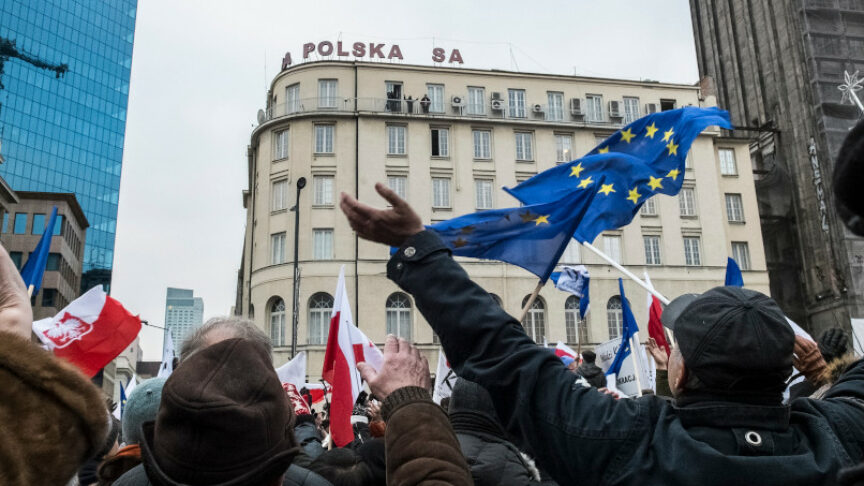
Polish voters are strongly divided on European issues. An unfair election could intensify these disagreements, threatening to turn Poland into an increasingly problematic partner for other EU member states.
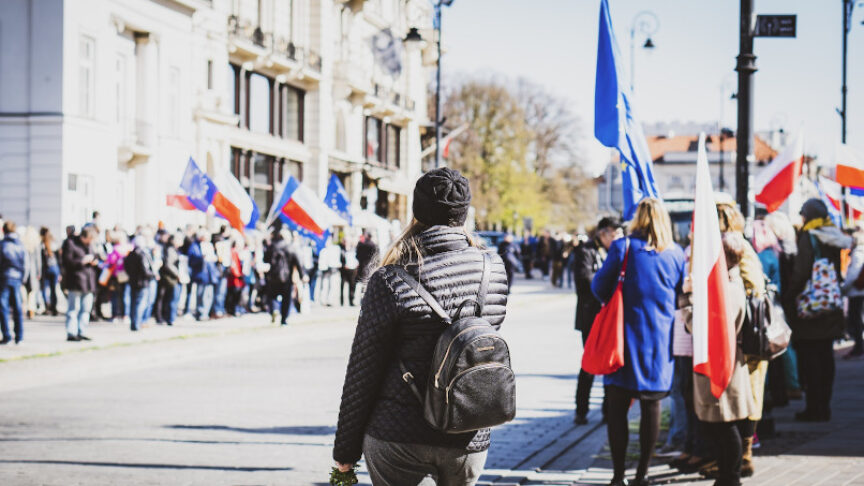
By holding an election that violates fundamental democratic norms, Poland will slip further into the illiberal abyss
European leaders and public authorities should call upon the government in Warsaw to postpone the presidential election on May 10
For those who genuinely want to rescue and strengthen the EU, it would be dangerous to conclude that they must reinvent it
The Green Deal is set to create new divides in the EU. Conflicts are already brewing, and not just between eastern and western member states.
Host Mark Leonard has an intimate discussion with our heads of offices from Sofia and Warsaw, Vessela Tcherneva and Piotr Buras about their experiences, hopes…
The freshly re-elected Law and Justice party will now be more emboldened than ever in its dealings with Brussels
Jaroslaw Kaczynski promises the ‘Polish model of the welfare state’ and social protection like in the West – but if his party stays in power after the October 13 election, the country will drift further away from its hard-won freedoms and connections with Europe
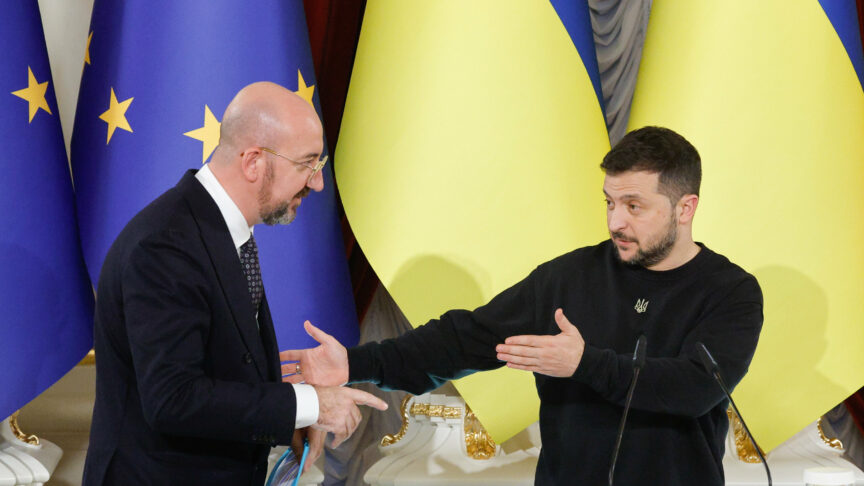
A new power audit of member states’ positions on EU enlargement shows broad agreement that it is a geopolitical necessity, but major disagreements about how to prepare the EU. To make credible progress, EU member states need to agree on a roadmap that addresses their conflicting concerns at the European Council meeting in December
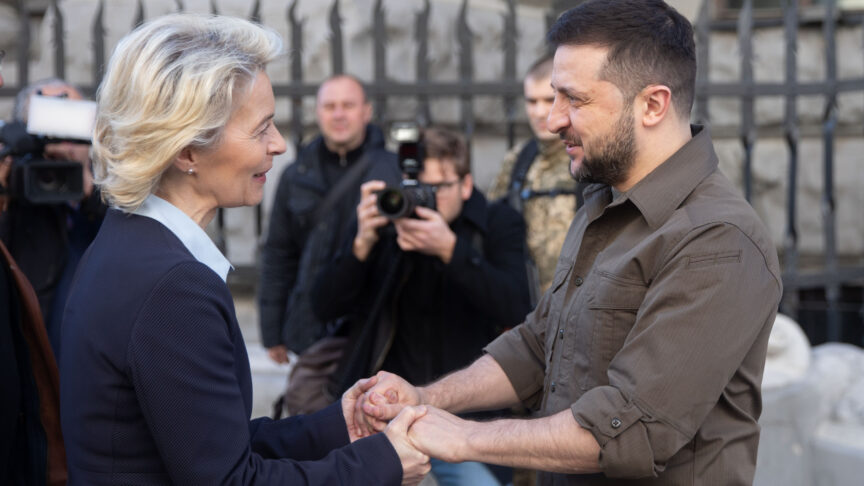
To signal their commitment to Ukraine, Europeans should agree a ‘long-war plan’ of assistance against Russian aggression. This would include a ‘security compact,’ security assurances, and economic and energy support.
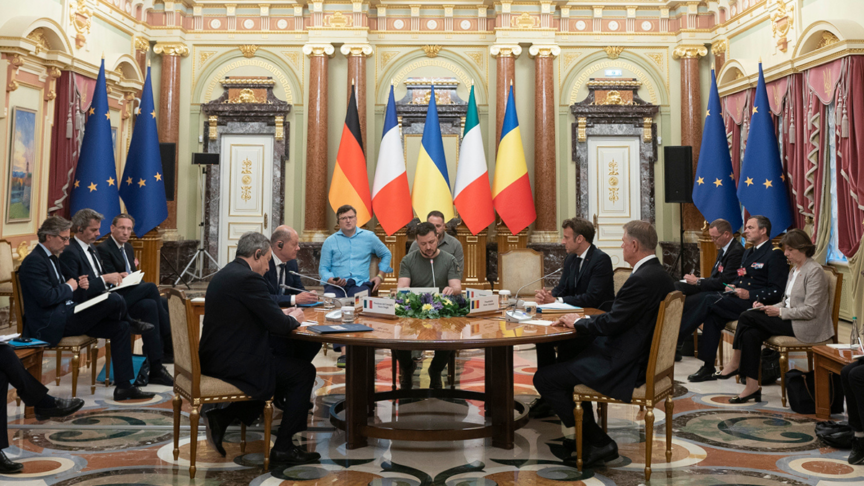
Russia’s war on Ukraine means the EU must devise a new approach to its neighbourhood. It should establish a Partnership for Enlargement that offers Ukraine and other states concrete steps towards deeper integration.
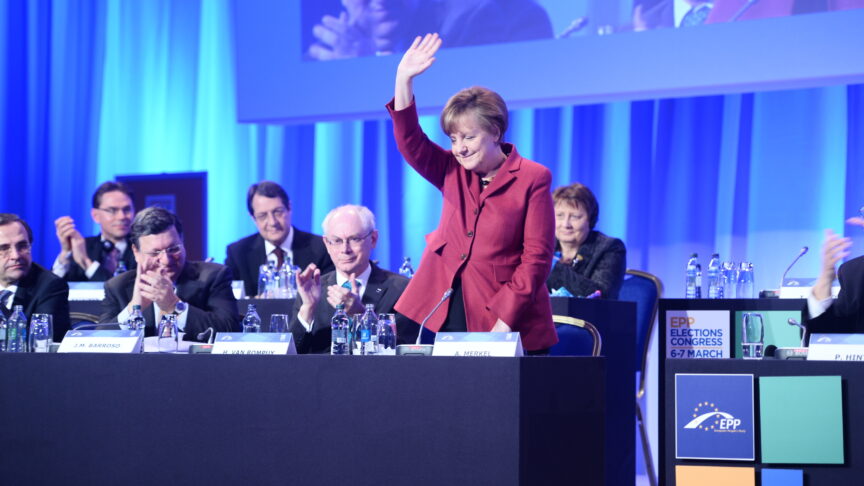
Paradoxically, to fulfil many Europeans’ expectations, Berlin will need to revise the principles of Merkelism that created this trust
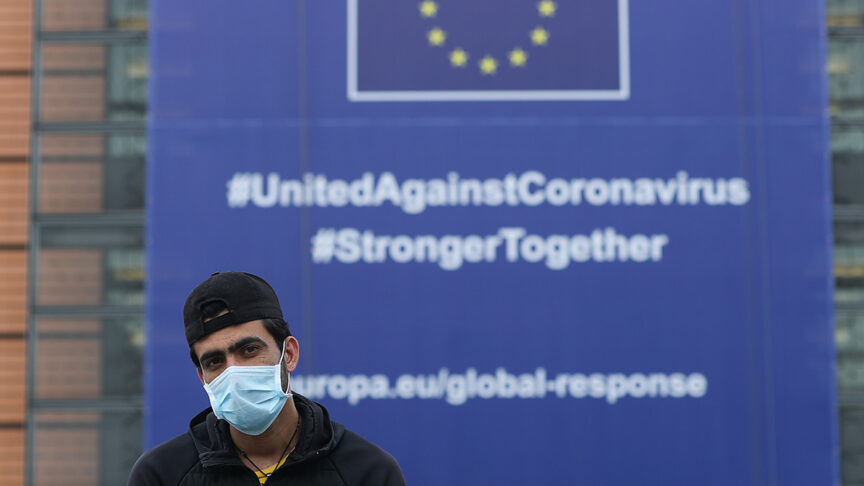
Europe must improve its early warning systems, supply chain resilience, medical R&D, and cyber security and technology, to act decisively in future emergencies
Introduction For most Europeans, it is now obvious that the foreign policy of US President Donald Trump threatens the global liberal order. Trump’s hostility towards…
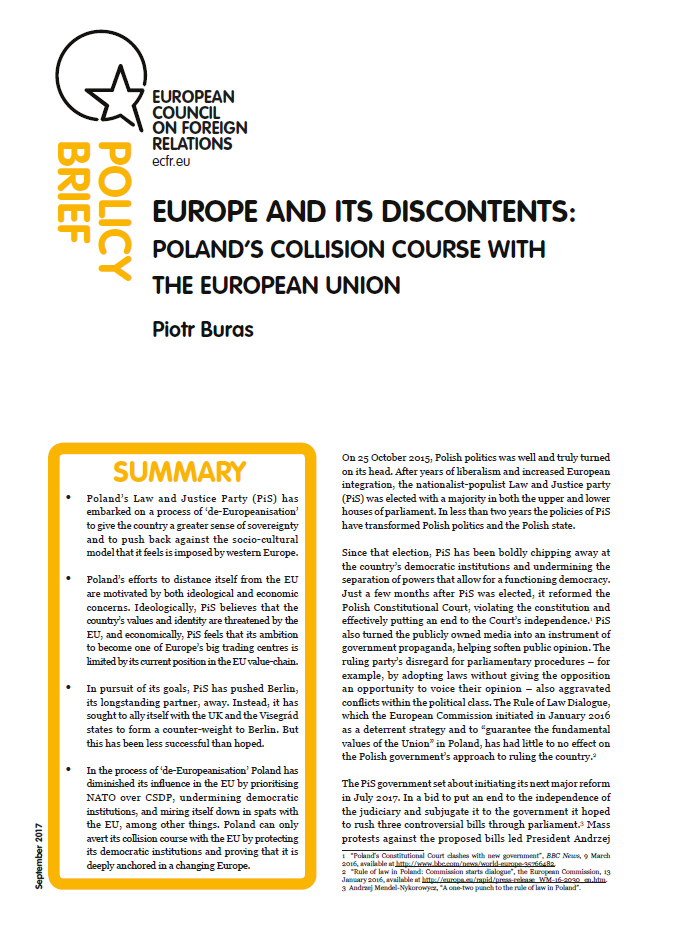
If Poland continues to drift away from the EU it will not only diminish its own influence, but also undermine the EU’s internal cohesion
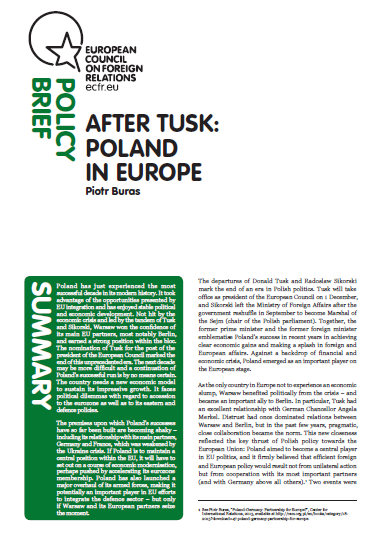
Poland needs to reassert itself in Europe
More intergovernmentalism, more differentiation
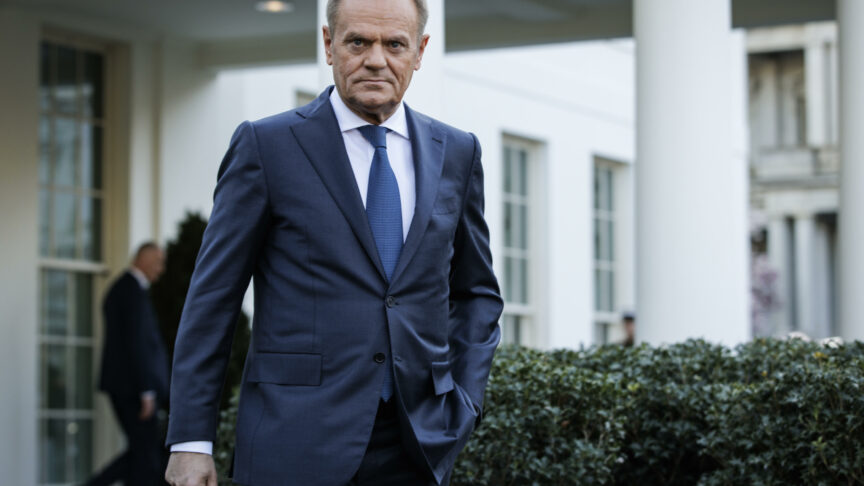
It is easier to defeat populists than to unravel the system they have built
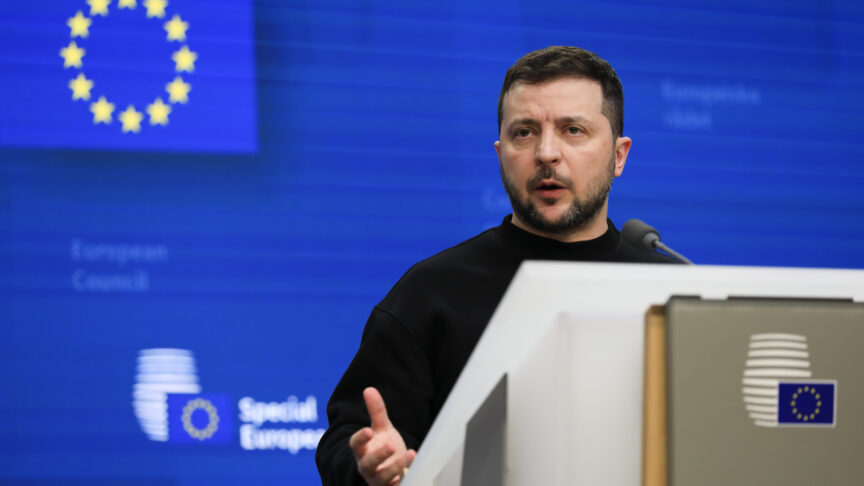
Many Europeans fail to realise that EU enlargement is the only way to counter Russia and China – but this week, leaders must act
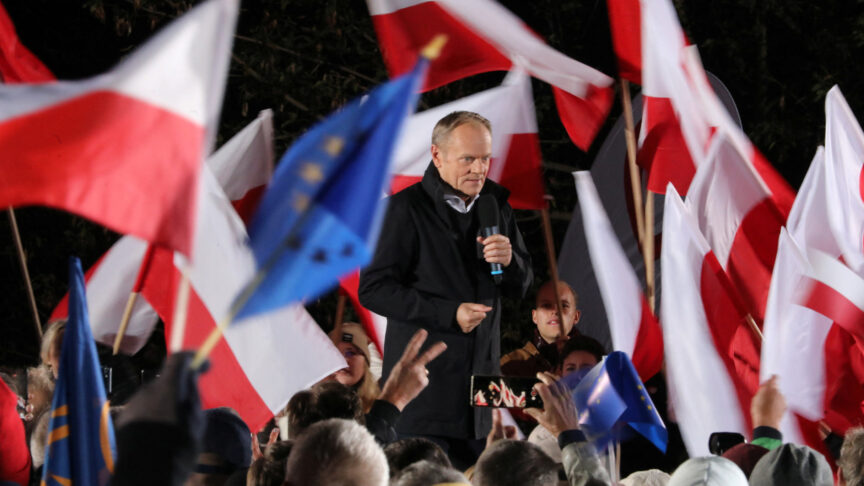
The 15 October election could lead to a historic experiment: if the opposition wins, it will launch an unprecedented attempt to overcome illiberalism
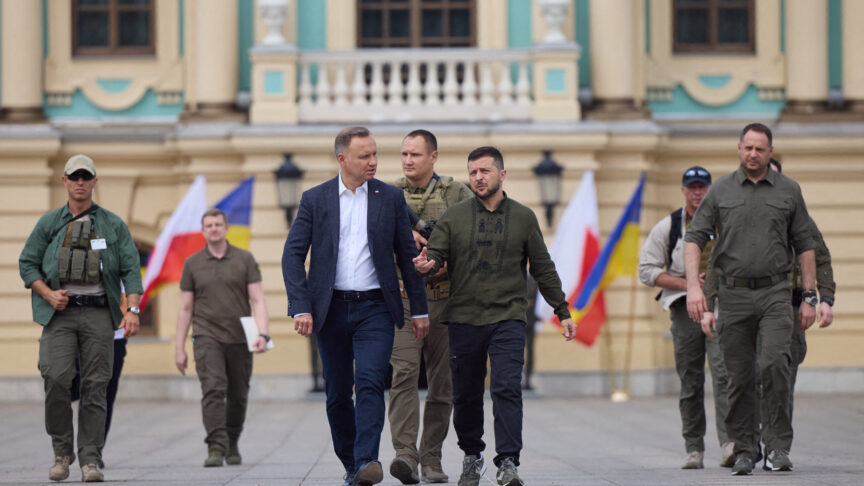
In the dispute over grain and arms deliveries, Poland’s government is squandering the chance to shift Europe’s centre of gravity to the east
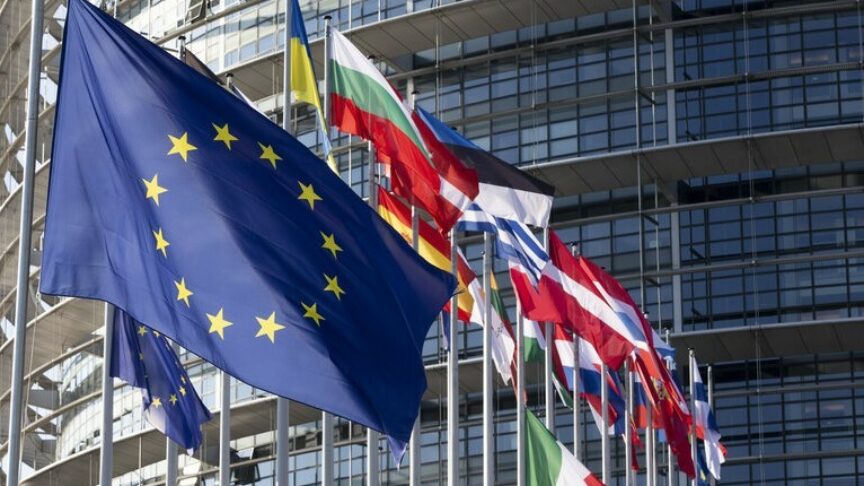
It is time for the EU to burnish its foreign policy credentials by setting out concrete plans for the next round of enlargement
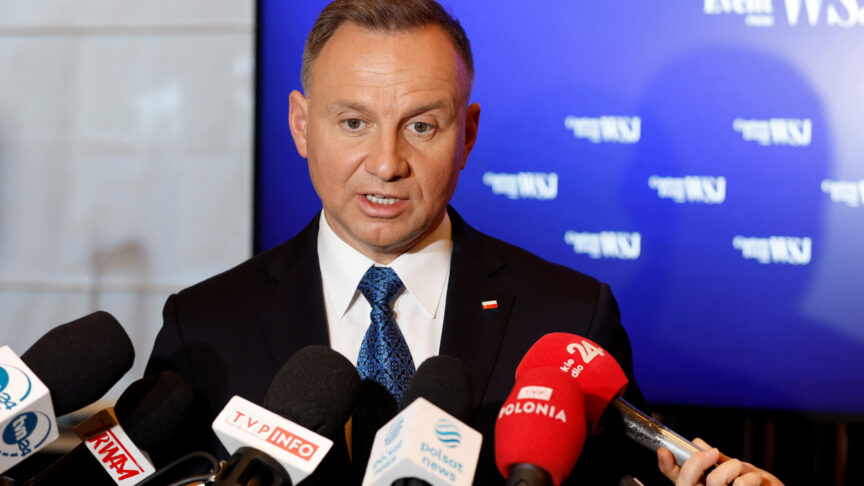
Under the guise of fighting “Russian influence”, the Polish government is preparing to attack and disqualify its opponents
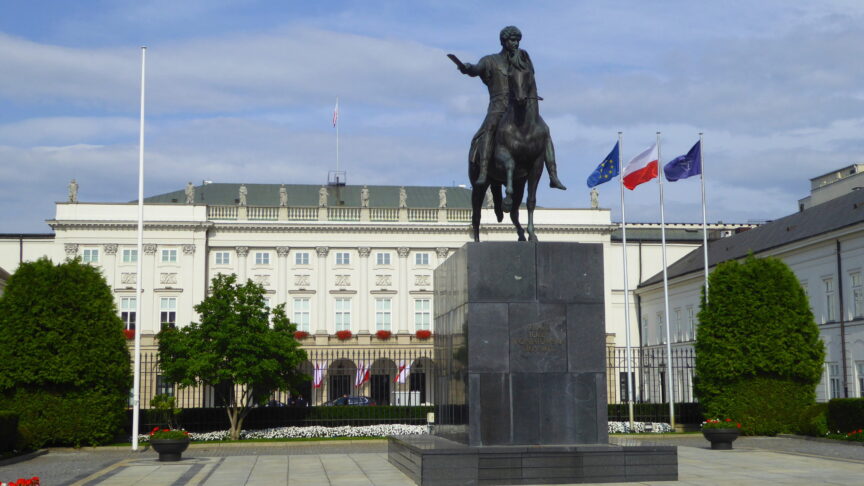
Poland will need to expand the boundaries of its influence in order to transform its wartime political capital into real leadership in the EU
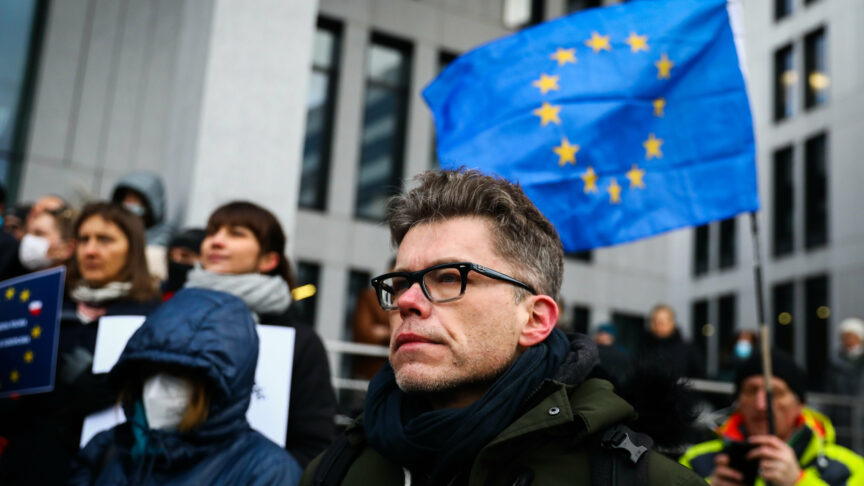
Faced with financial and political pressures at home, Poland is inching closer to rule-of-law reforms
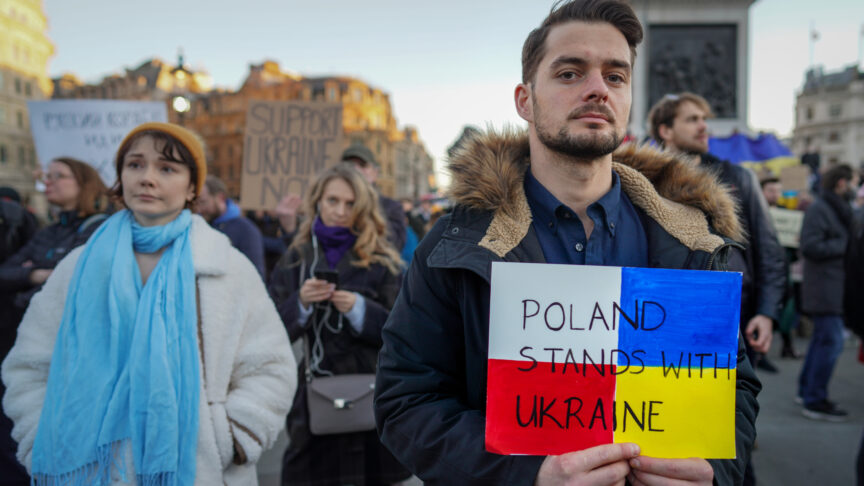
Warsaw is in a uniquely strong position to launch an ambitious initiative for the EU’s eastern neighbourhood. To do this, it will need to use its new image in Europe to good effect.
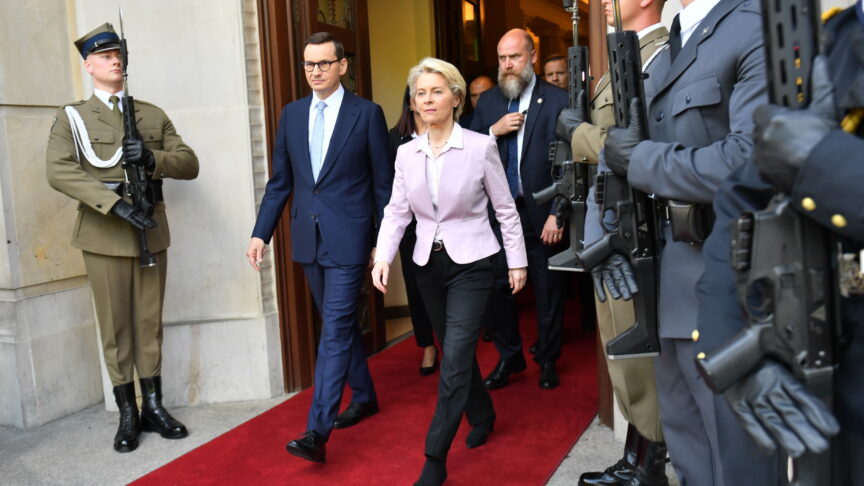
Russia’s war on Ukraine has forced the EU to deal with three major problems it had long avoided. The bloc can only shape the global order if it upholds the rule of law at home.
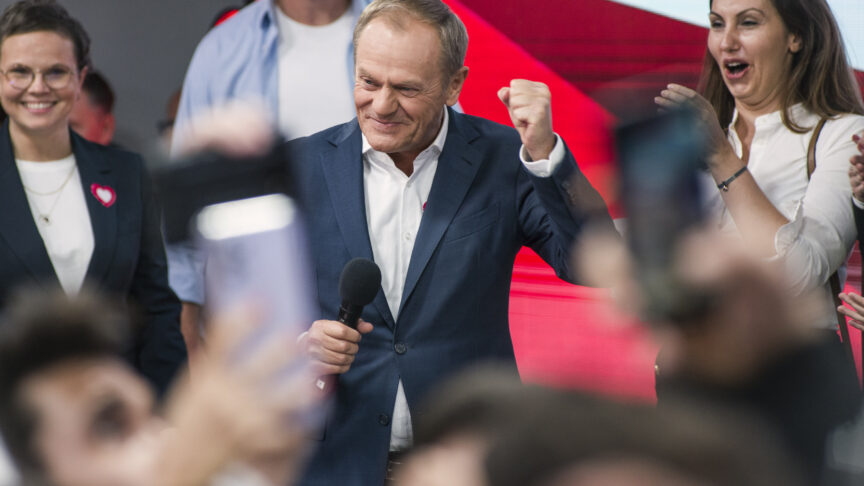
Mark Leonard welcomes Piotr Buras and Jana Puglierin to discuss Poland’s return to Europe
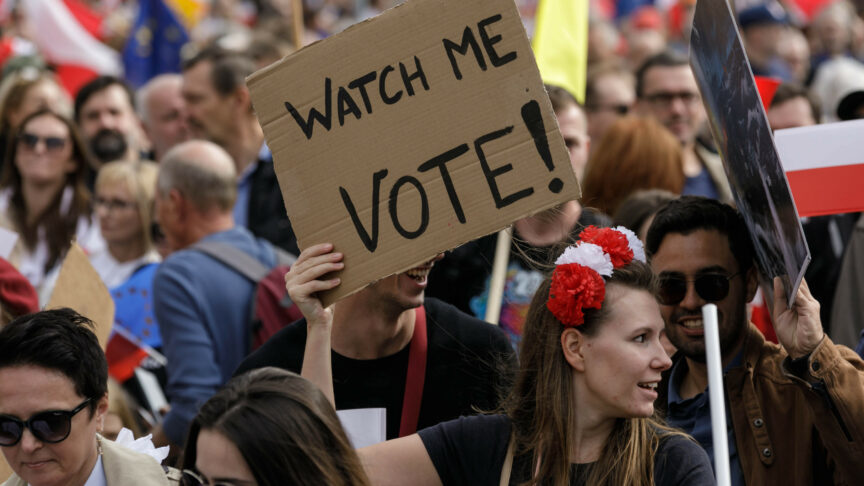
Mark Leonard welcomes José Ignacio Torreblanca and Piotr Buras to discuss recent developments in Spanish and Polish politics and their impact on Europe
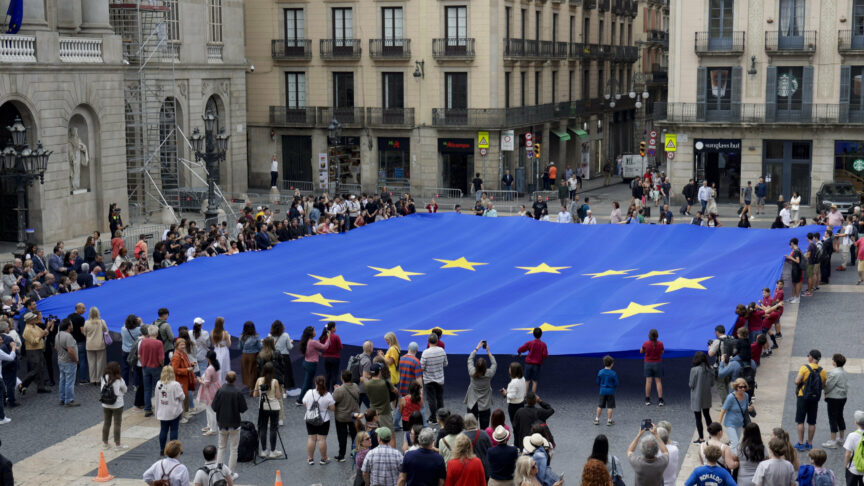
Mark Leonard welcomes the heads of ECFR’s national offices to discuss key players outside the traditional halls of European power
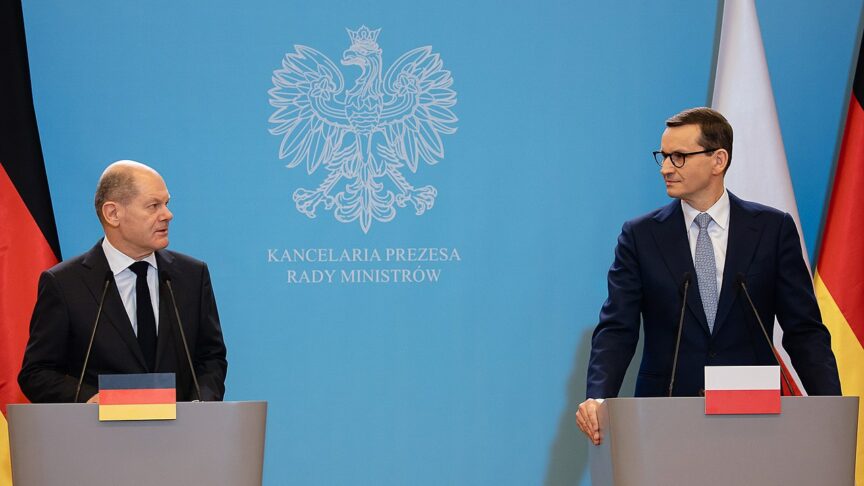
How has the war in Ukraine affected Polish politics and Poland’s relationship to its neighbours and the EU?
Mark Leonard is joined by ECFR’s Piotr Buras, Gustav Gressel, Kadri Liik, and Jeremy Shapiro to describe and debate the potential military, security, and economic aspects of the long-war plan
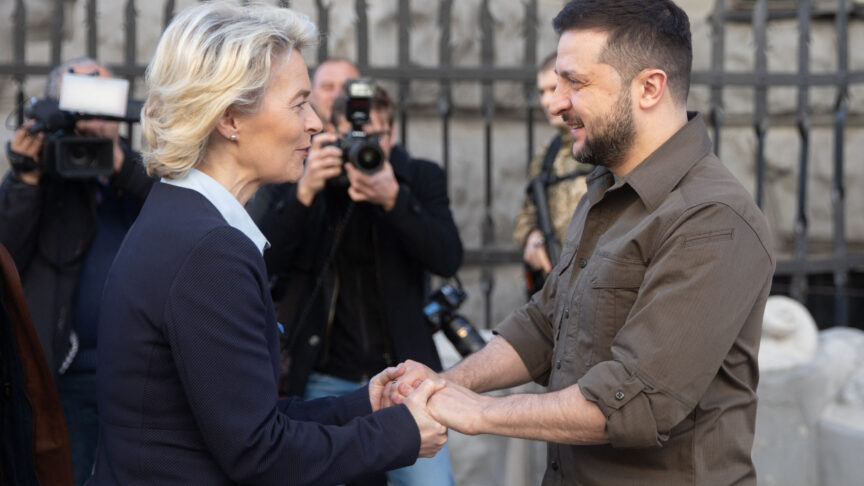
How sustainable is European unity? And what scenarios of solidarity or division can be expected in the next few months?
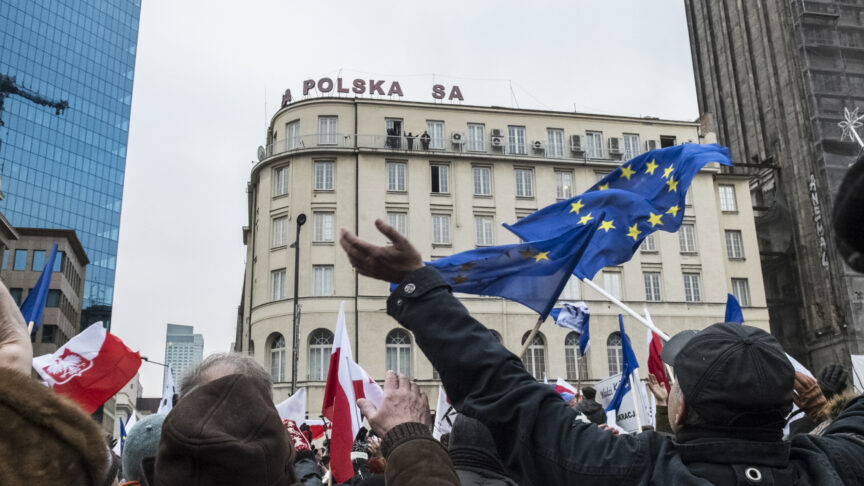
What steps can the EU take to defend its legal order and protect the authority of the CJEU?
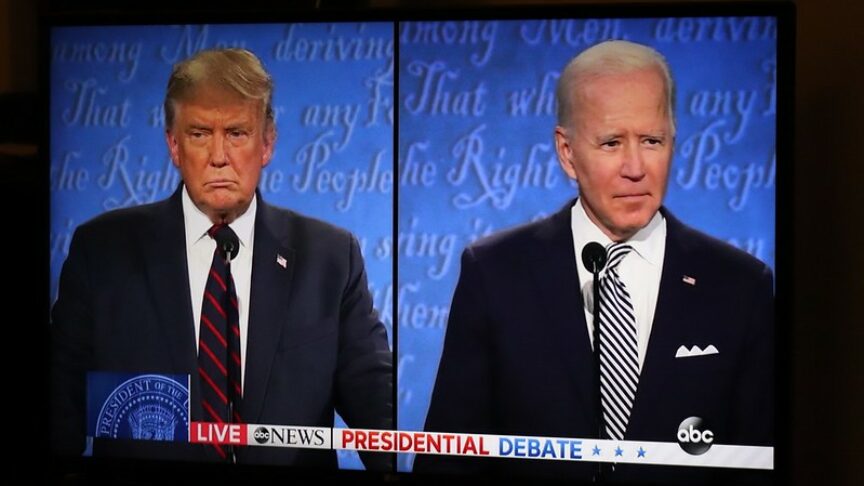
How much impact does the future US president have on the very concept of European sovereignty? Will the idea and initiatives to build more strategic autonomy in Europe be put back to bed with Joe Biden in the White House?
The over 90-hour European Council summit in Brussels ended with a deal on a €1.82 trillion financial package. What does…
Emotions are an increasingly important part of contemporary politics. Strategies based on fear, nostalgia or hope are used by political leaders all over Europe to…
Nell’attuale contesto internazionale, le relazioni dell’Europa con le potenze globali stanno cambiando rapidamente, e la loro evoluzione rappresenta un elemento di analisi ineludibile nel delineare la strategia di politica estera dell’UE
We will discuss Germany’s role in Europe and will reflect on how the new European order is viewed in Berlin
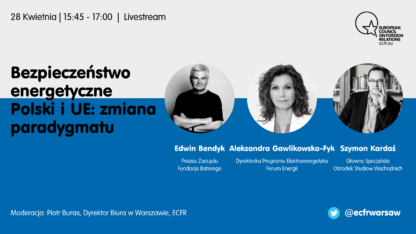
Agresja Rosji na Ukrainę zburzyła podstawy gospodarczych i strategicznych stosunków Unii Europejskiej z Rosją, które do tej pory w dużej mierze opierały się na handlu…
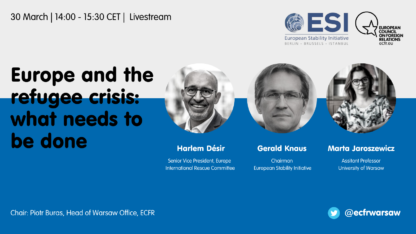
What instruments does the EU have at its disposal to address the challenges related to the crisis? And what are the lessons learned from the refugee crisis in 2015?
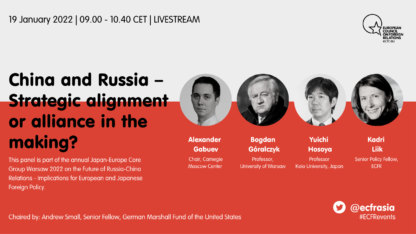
This panel is part of the annual Japan-Europe Core Group Warsaw 2022 on “The Future of Russia-China Relations – Implications for European and Japanese Foreign Policy
The green transition is vital to Europe’s future. Rebuilding economies to achieve climate neutrality is essential not only to avoid a catastrophe but also to…
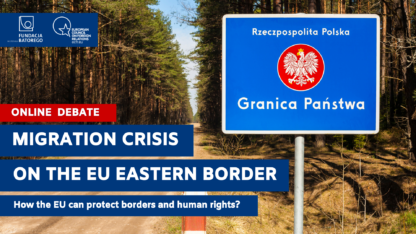
Since summer 2021, Poland and Lithuania have been confronted with an unprecedented action by the Lukashenko regime, which aims to exert political pressure on both…
Has Poland already entered the path of ‘Polexit’? What should the EU do to defend its legal space and protect the authority of the CJEU?
Zastanowimy się, co era Merkel znaczyła w historii tego kraju i jak dziedzictwo pani kanclerz wpływać będzie na jego dalsze losy
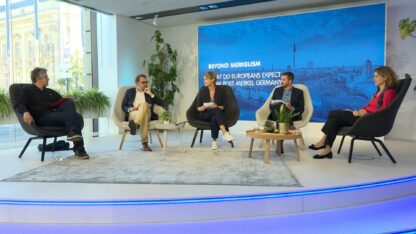
What do European citizens expect from Germany’s next government, after 16 years of Angela Merkel? With little over a week to go until the elections, join a panel of pundits to analyse ECFR’s latest survey of attitudes of 16,000 citizens across 12 EU countries
This is the paradox: The European Commission is talking about more gradual integration with Ukraine and the single market, but we are talking about the gradual closing of the single market for Ukraine
Piotr Buras on the waning support in Polish domestic politics for Ukraine’s access to the single market
The sources of disagreement between France and Germany lie beyond Tusk’s reach
Piotr Buras comments on the role of Donald Tusk in fixing the Franco-German relationship
The right-wing populist camp will gain votes and play a significant role in the European Parliament
Piotr Buras on a possible shift to the right in the EU elections
The war in Ukraine proved to be a real shock, showing how naked the European king really is
Piotr Buras on the state of European military cooperation
It could happen that, even if the government led by Donald Tusk succeeds in passing (in parliament) this package of judicial reforms, none of them will enter into force due to the president’s veto
Piotr Buras analyses the domestic situation in Poland with regard to reforms to strengthen the rule of law