Experts & Staff
Mark Leonard

Mark Leonard

Director

Areas of expertise

Geopolitics and Geoeconomics; China; EU-Russia relations; transatlantic relations; EU politics and institutions; public diplomacy and nation branding; UK foreign policy

Languages

English, French, German

Biography

Mark Leonard is co-founder and director of the European Council on Foreign Relations, the first pan-European think–tank. His topics of focus include geopolitics and geoeconomics, China, EU politics and institutions. Leonard is a member of the UK Soft Power Council and the UK Foreign Secretary’s External Foreign Policy Board.

Leonard hosts the weekly podcast “Mark Leonards’s World in 30 Minutes” and writes a syndicated column on global affairs for Project Syndicate. Previously he worked as director of foreign policy at the Centre for European Reform and as director of the Foreign Policy Centre, a think-tank he founded at the age of 24 under the patronage of former British Prime Minister Tony Blair. In the 1990s, Leonard worked for the think-tank Demos where his Britain™ report was credited with launching Cool Britannia. Mark has spent time in Washington, D.C. as a Transatlantic Fellow at the German Marshall Fund of the United States and as Henry A Kissinger chair in foreign policy and international relations at the US Library of Congress, and in Beijing as a visiting scholar at the Chinese Academy for Social Sciences.

He is a regular speaker and prolific writer and commentator on global issues, the future of Europe, China’s internal politics, and the practice of diplomacy and business in a networked world. His essays have appeared in publications such as Foreign Affairs, the Financial Times, the New York Times, Le Monde, Süddeutsche Zeitung, El Pais, Gazeta Wyborcza, Foreign Policy, the New Statesman, the Daily Telegraph, The Economist, Time, and Newsweek.

As well as writing and commenting frequently in the media on global affairs, Leonard is the author of best-selling books. His first book, Why Europe will run the 21st Century, was published in 2005 and translated into 19 languages. Leonard’s second book, What does China think? was published in 2008 and translated into 15 languages. He has published an edited volume on Connectivity Wars and in September 2021, his latest book on this topic The Age of Unpeace. How Connectivity Causes Conflict was released.

The dark flip-side of European technocracy

The elitist and technocractic nature of German politics means that the case for European integration is not being made to the German people. Worryingly this is also giving an opportunity for anti-EU populists to gain influence.  

The Central Challenge to the Western Liberal Order

One of the big stories of the last 60 years has been the creation of a European-inspired legal order in the shell of an American security order. This is often called the Western liberal order – and I think that the biggest global risk is the threat to that order.  

Will the Europeans ever get their act together on security?

Unlike saving the euro, saving CSDP and building Europe's shared defence and security capacity need not cost a cent. It would also be invaluable in helping the EU develop as a serious foreign policy actor.  

A marginalised Britain makes EU break-up more likely

The actions of Britain's coalition government are making it more likely that we will see the EU disintegrate, leaving behind a saved Eurozone that marginalises all those outside it – including Britain itself.  

Why enlargement-lite will not save the Arab Spring

The European Union has a vital role to play in helping consolidate the transitions of the Arab Spring. But first they need to rethink their approach and develop a new foreign policy for the Southern neighbourhood: Enlargement lite will not work.  

Europe’s multipolar neighbourhood

The upheavels in North Africa are further evidence that the EU's neighbourhood has fundamentally changed, both to the south and to the east. In response, the EU needs to develop a real foreign policy to deal with this increasingly competitive region.  

Why China wants a G3 world

Despite the fashionable talk about BRICS and the G2 of Washington and Beijing, we really now live in a G3 world that combines US military power and consumption, Chinese capital and labour, and European rules and technology.  

Publications

Articles

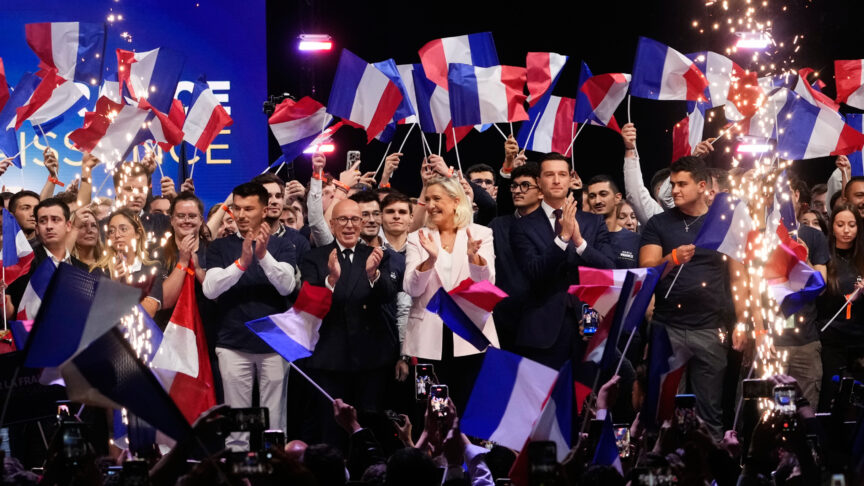
Ein Foto zeigt eine Gruppe Menschen auf einer Bühne, die applaudieren, vor vielen rot-weiß-blau Fahnen.

The far right’s vision for Europe

In many ways, Europe’s far right has already won, regardless of what happens at the ballot box in the coming months. Its parties may still quarrel among themselves, but they agree on the three big issues that will define much of the European political agenda for years to come

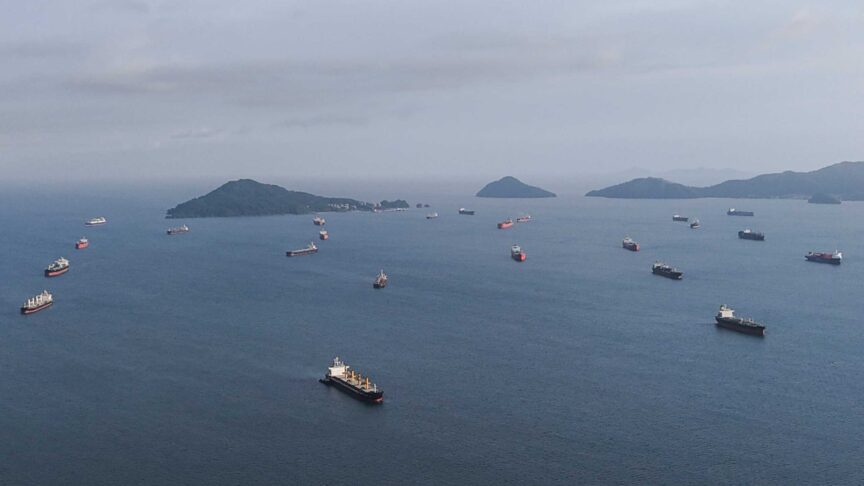
Ein Foto zeigt mehrere Frachtschiffe, die auf offenem Meer vor einer Inselgruppe warten.

The un-ordered UN order

As European leaders hobnob with their counterparts at the 81st session of the United Nations General Assembly, they must think carefully about how to navigate a fast-changing multilateral landscape. The old world belonged to rule-makers and institution-builders, but the current one favours those who can improvise

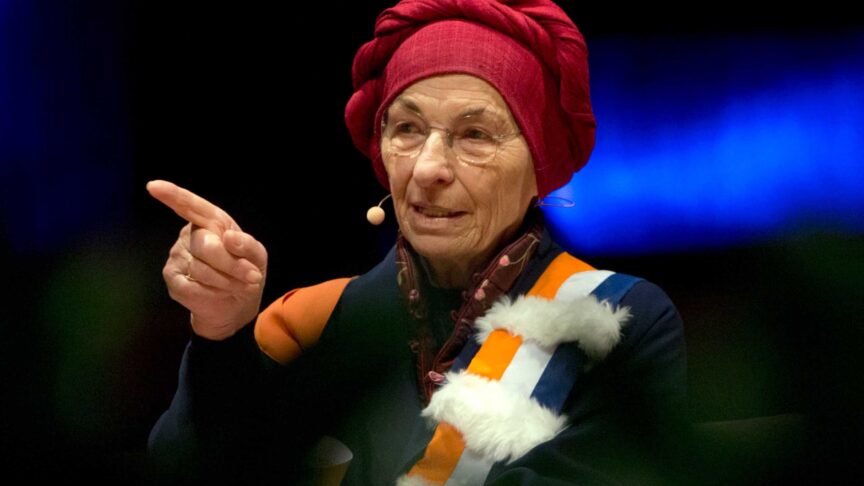
Ein Foto zeigt eine ältere Frau mit rotem Turban, die mit ausgestrecktem Zeigefinger auf einer dunklen Bühne spricht.

Remembering Emma Bonino

ECFR founding member and co-chair emerita Emma Bonino has died at the age of 78. A towering figure in European foreign policy, she was an inspiration to millions across the continent. She left a deep mark on European and Italian politics, and on ECFR

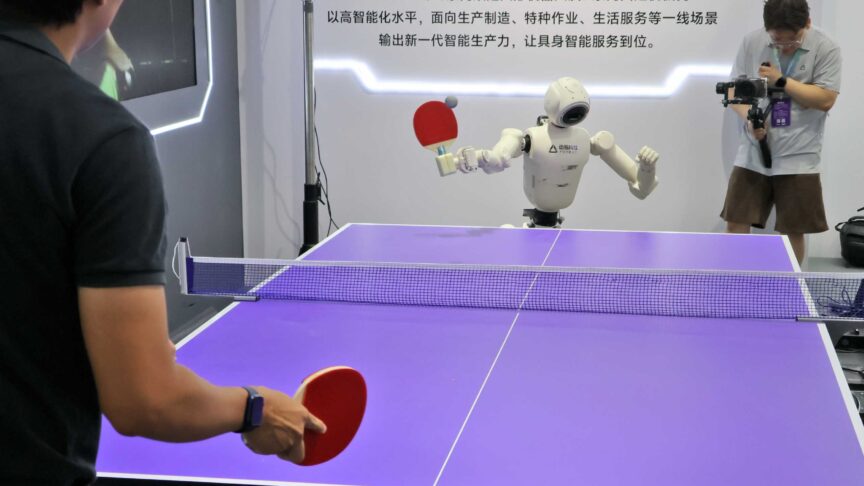
Ein Foto zeigt einen humanoiden Roboter beim Tischtennis gegen eine Person an einem lila Tisch.

A future with Chinese characteristics

The world is undergoing a historical and cultural rupture. Just as Hollywood and other American exports once gave the rest of the world a glimpse of modern life and the future that awaited them, China is now doing the same for African, Latin American and even American young people

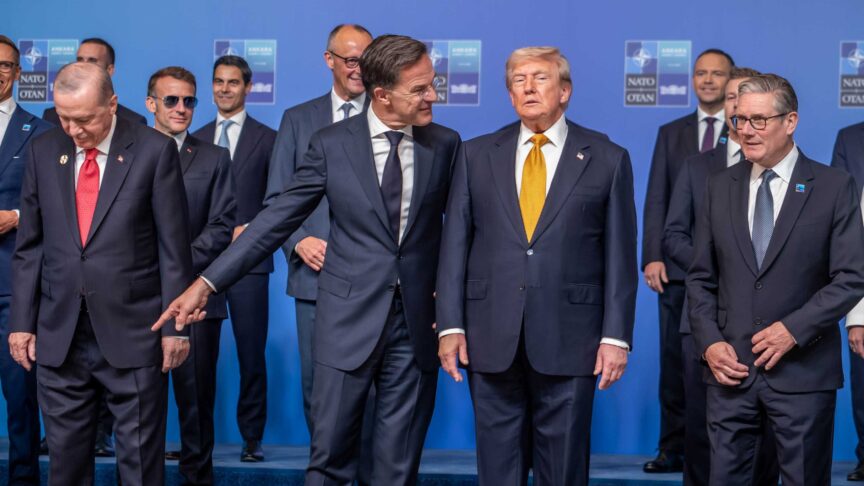
Ein Foto zeigt mehrere Männer in Anzügen, zwei nebeneinander stehend, bei einem NATO-Gipfel vor blauem Hintergrund.

The tragedy of “Westalgia”

Some European leaders seem to think that abasing themselves for Donald Trump’s pleasure is necessary to save NATO and keep the Western alliance alive. But by so desperately clinging to the good old days of the transatlantic relationship, Europe’s leaders are risking more than just their dignity

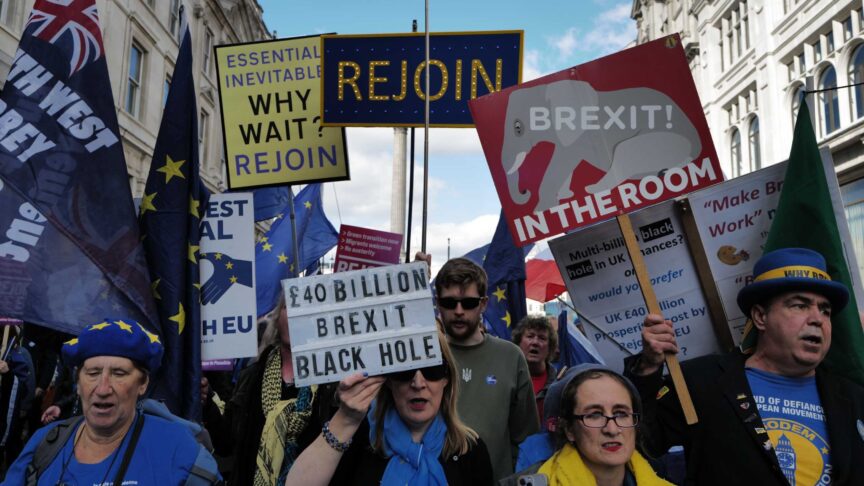
National Rejoin March in London

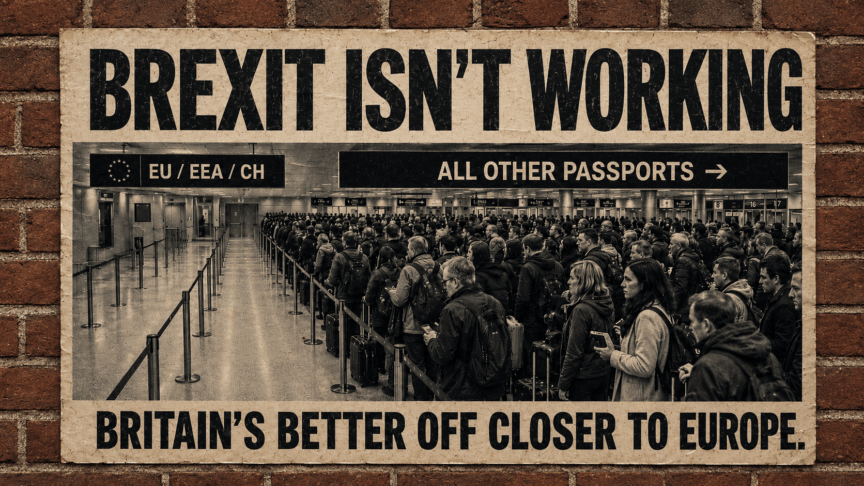
Beyond Brexit—and back to Europe

Those who follow only intergovernmental negotiations or debates in the media might think that nothing has changed in the decade since the United Kingdom’s voters decided to leave the European Union. Yet new polling finds that large majorities on both sides of the English Channel now support re-engagement

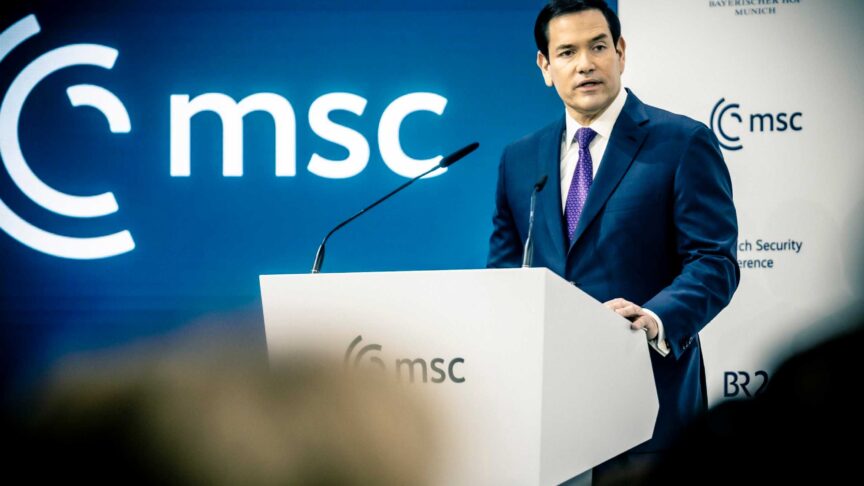
Marco Rubio (Secretary of State, United States of America; Acting National Security Advisor, The White House, United States of America) at the 62nd Munich Security Conference (MSC)

MAGA’s approach to Europe hasn’t changed

Although the speech that Marco Rubio delivered to the Munich Security Conference was softer in tone than vice-president J.D. Vance’s in 2025, the Europe he celebrated was that of the ethno-nationalist far right. Europe is on its own, and it must start acting like it

Saying No to Trump

Where does Europe go from here?

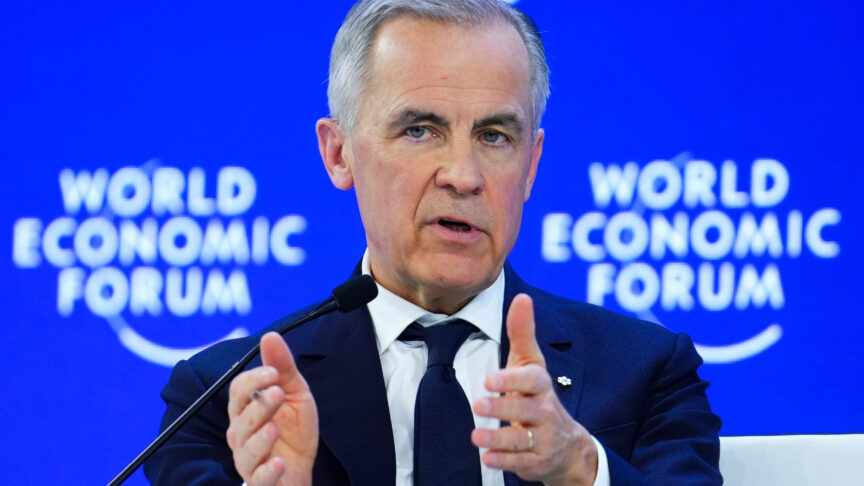
Beyond showcasing Donald Trump’s “neo-royalist” style of politics, this year’s annual gathering of the global elite in Davos revealed deeper, structural changes that will shape political and business leaders’ decision-making for years to come. Europeans, in particular, must absorb the right lessons

547734716

Arctic hold‘em: Ten European cards in Greenland

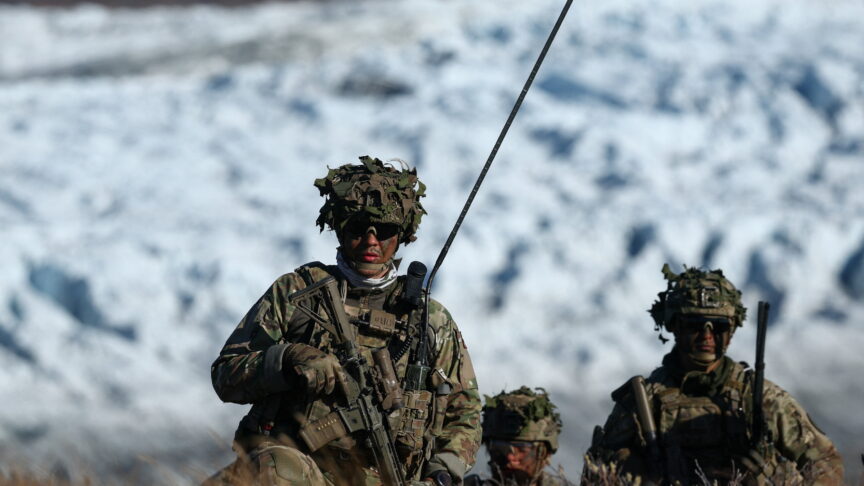
Europeans have real leverage in the face of Donald Trump’s threats towards Greenland—and time on their side. They must use it to raise the prospective costs of annexation

Specials

Podcasts

Events

In the media