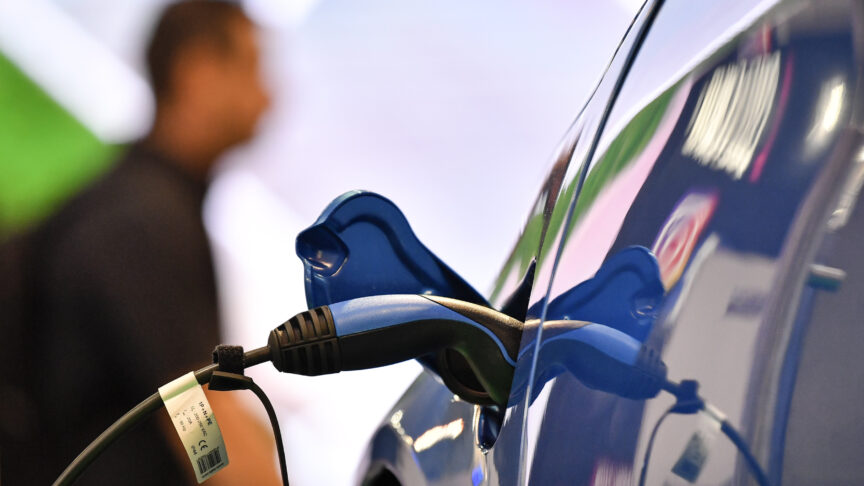
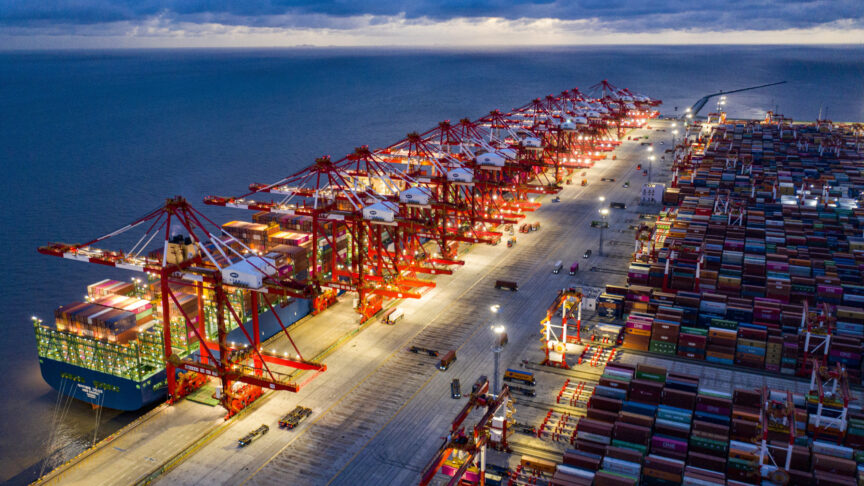
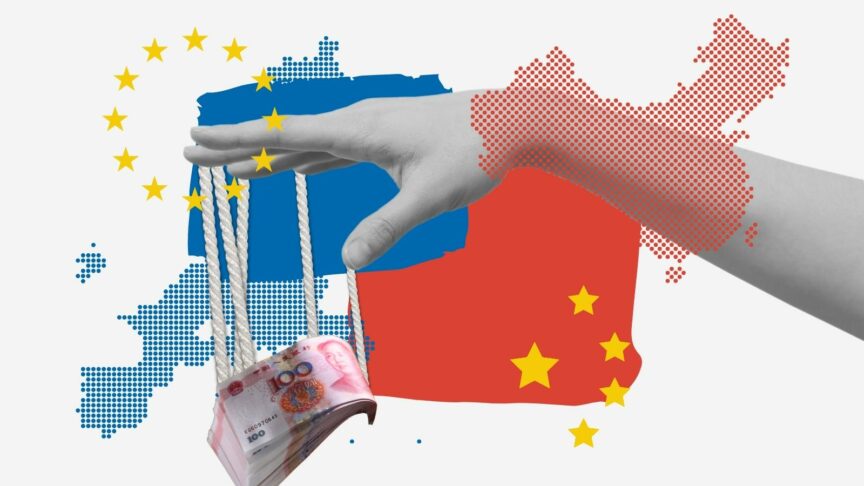
The electric vehicle industry demonstrates the challenges of de-risking in practice. The EU needs more than tariffs if it wants to prevent a looming over-dependence on Chinese electric vehicles without strangling its own green ambitions
Putin is entertaining the idea of total economic war to force the EU weaken its sixth package of sanctions on Russia. Europeans should stay united and call what is likely to be a bluff
Cinzia Bianco, Jonathan Hackenbroich, Filip Medunic, Paweł Zerka
Commentary
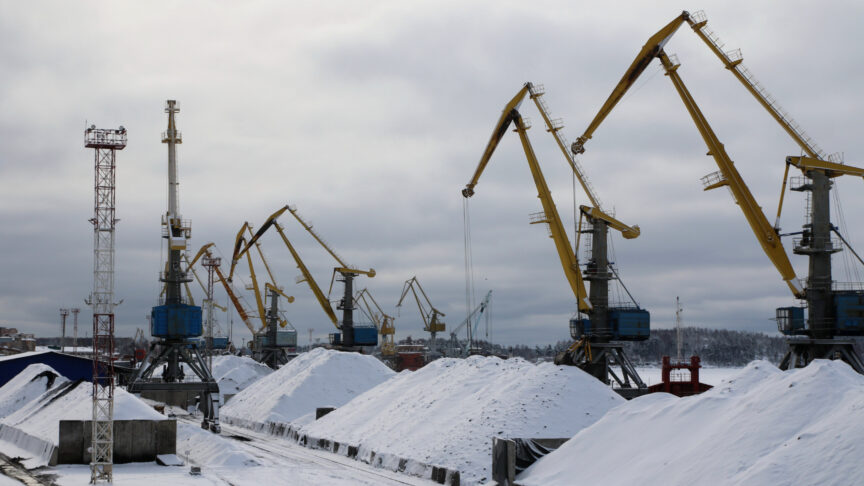
The EU should adopt a phased approach to energy sanctions on Russia. This would be more effective than a rushed embargo and would help preserve European unity
Europeans need to pay closer attention to Russia’s growing opportunities to sell gas to China and other countries in Asia – otherwise they could be left even more at Moscow’s mercy
In a future, states will likely become more transactional and try to force changes in behaviour from others in exchange for the use of a platform or supply chain
The EU has started to join the dots between its economic and security policies. But as other powers reshape the geoeconomic landscape, it needs to upgrade its strategy beyond risk mitigation and competitiveness
Jonathan Hackenbroich, with
Filip Medunic,
Paweł Zerka
Policy Brief
The EU needs to develop an Anti-Coercion Instrument that acts as a powerful economic deterrent, but this alone will not sufficiently protect Europe against economic coercion
The electric vehicle industry demonstrates the challenges of de-risking in practice. The EU needs more than tariffs if it wants to prevent a looming over-dependence on Chinese electric vehicles without strangling its own green ambitions
Putin is entertaining the idea of total economic war to force the EU weaken its sixth package of sanctions on Russia. Europeans should stay united and call what is likely to be a bluff
Cinzia Bianco, Jonathan Hackenbroich, Filip Medunic, Paweł Zerka
Commentary
The EU should adopt a phased approach to energy sanctions on Russia. This would be more effective than a rushed embargo and would help preserve European unity
Europeans need to pay closer attention to Russia’s growing opportunities to sell gas to China and other countries in Asia – otherwise they could be left even more at Moscow’s mercy
In a future, states will likely become more transactional and try to force changes in behaviour from others in exchange for the use of a platform or supply chain
“Fortune favours the bold” cited in POLITICO China Watcher
There has been a desire to destroy the Russian economy and make Russia unable to continue the war … but it has been rather unrealistic in terms of what sanctions can actually achieve
As winter is approaching, Filip Medunic comments on gas prices in Germany
Both companies [Carlsberg and Danone] were in the process of selling their Russian assets. This process, the potential revenue thereof, and a possible reduction in the workforce have now been stopped
Filip Medunic comments on Russia’s decision to grab the shares of Danone and Carlsberg
It is not realistic to close all the loopholes. Nor is it realistic to have sanctions as a kind of miracle solution in your foreign policy. It’s not going to eliminate all difficult decisions, it can