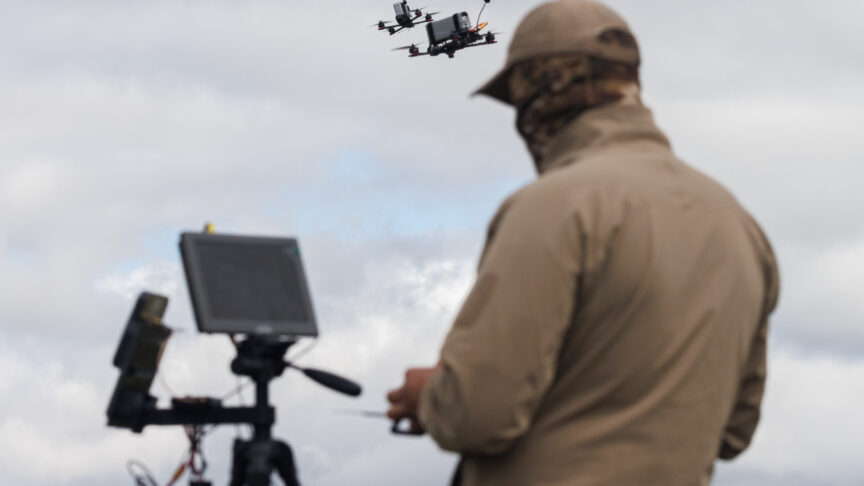
Weapons that took decades to develop can now be countered within months. European governments need to stop buying finished platforms and start running an innovation cycle, in which soldiers learn from one system and build these lessons into the next
In a special episode recorded live from Lisbon, Jessica Hendrick puts six EU candidate countries through an enlargement simulation to find out what happens when crisis, cash, disinformation and political pressure collide with the race to join the EU
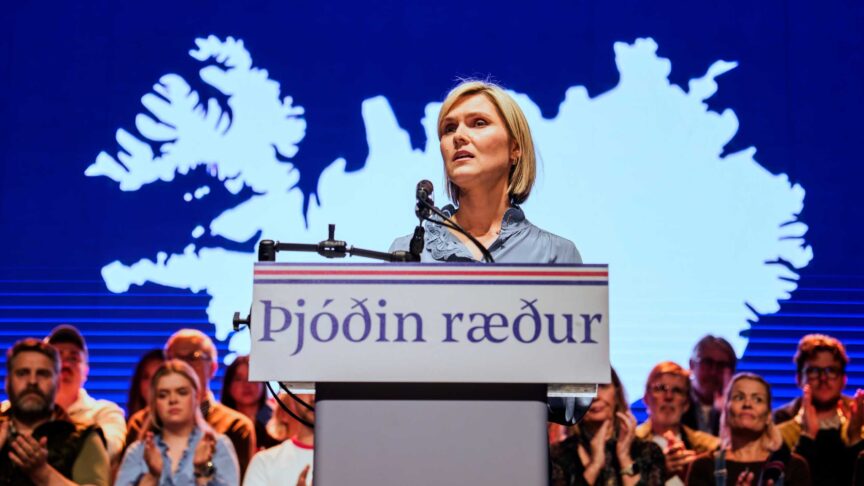
Icelanders voted no because of old, domestic reasons: fish, the currency and comfort with the status quo. The result was not a victory for the far-right—but the heated campaign is a warning sign for Icelandic political life
Mark Leonard welcomes Ellie Geranmayeh to discuss the latest phase of the US-Iran conflict, the escalating economic pressure campaign against Tehran and the risks of a prolonged war without a clear exit strategy
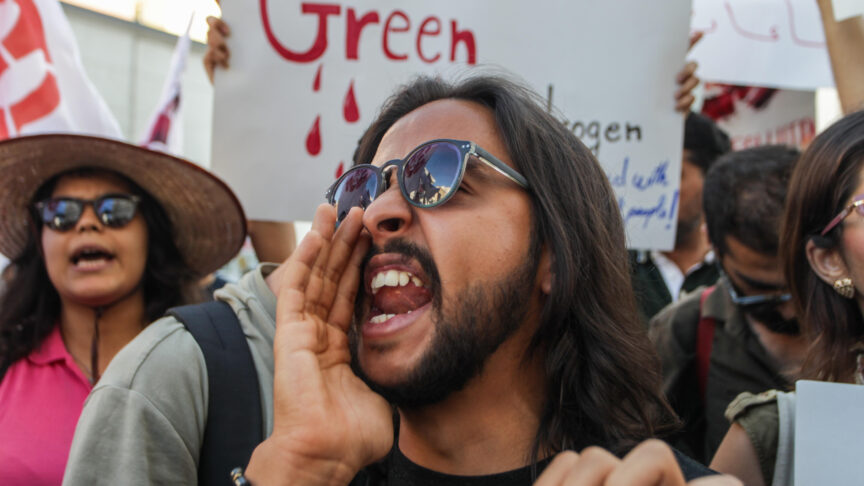
Social movements in North Africa increasingly focus on environmental concerns and the impact of climate change. Europeans must ensure their cooperation with governments in the region does not end up adding to activists’ grievances
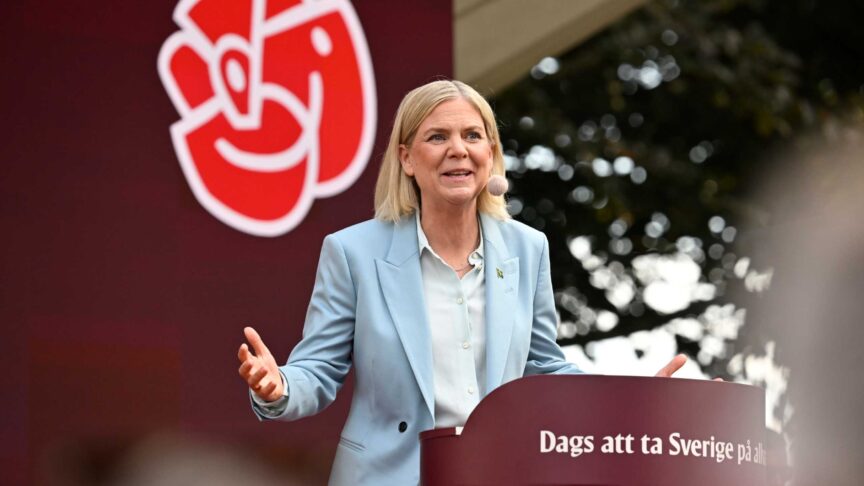
Magdalena Andersson of the Social Democrats is the favourite to become Sweden’s next prime minister, but only after months of hard coalition bargaining. Who she governs with would shape how far her foreign policy shifts
Mark Leonard welcomes Hugh Lovatt to discuss the prospects for a Gaza ceasefire, escalating settler violence in the West Bank and how Israel’s upcoming general election could shape the future of the conflict
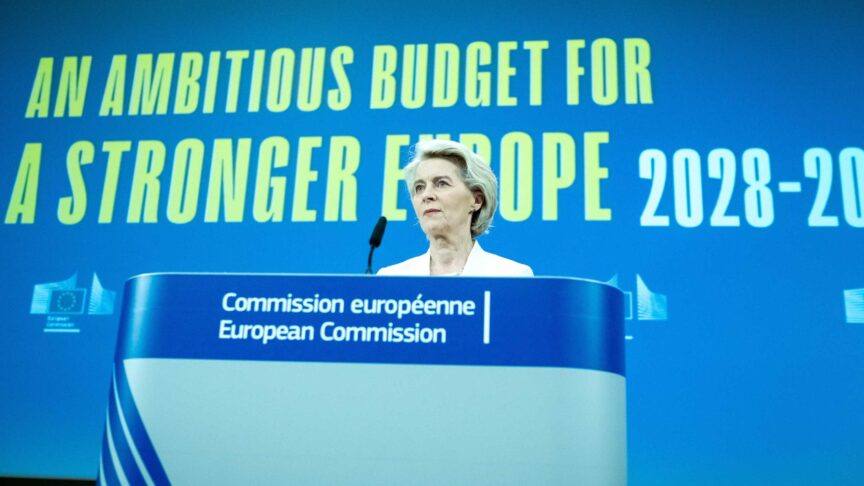
At July’s NATO summit in Ankara, European leaders accepted that they must carry more of their own defence. Turning that promise into money means winning a fight over the EU’s next seven-year budget, against coalitions that have defended farm and cohesion spending for decades