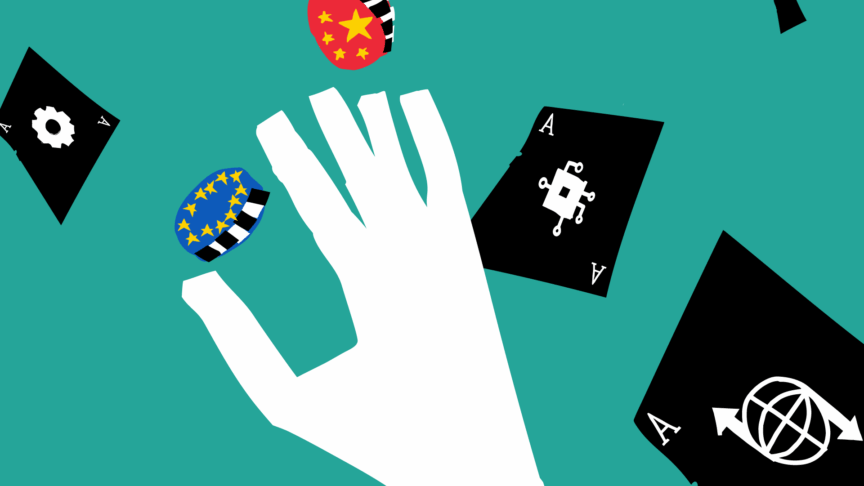
Economic, financial and technological shifts are reshaping the global order. Globalisation has created world-spanning supply chains and with them, a web of dependencies. Meanwhile, profound changes to the economic landscape are reshaping the global financial system. And, increasing digitalisation and the emergence of disruptive frontier technologies create a host of new geopolitical challenges.
ECFR’s research on geoeconomics and technology explores these shifts and their geopolitical impact. It analyses trade tensions, the rise of non-Western financial systems, the green transition, frontier technologies and global technology rivalries. It also explores how these technological and economic changes impact relations with China, foreign interference and democracy. Finally, it recommends how the EU can boost ties with middle powers and emerging economies to create opportunities in this rapidly changing landscape.
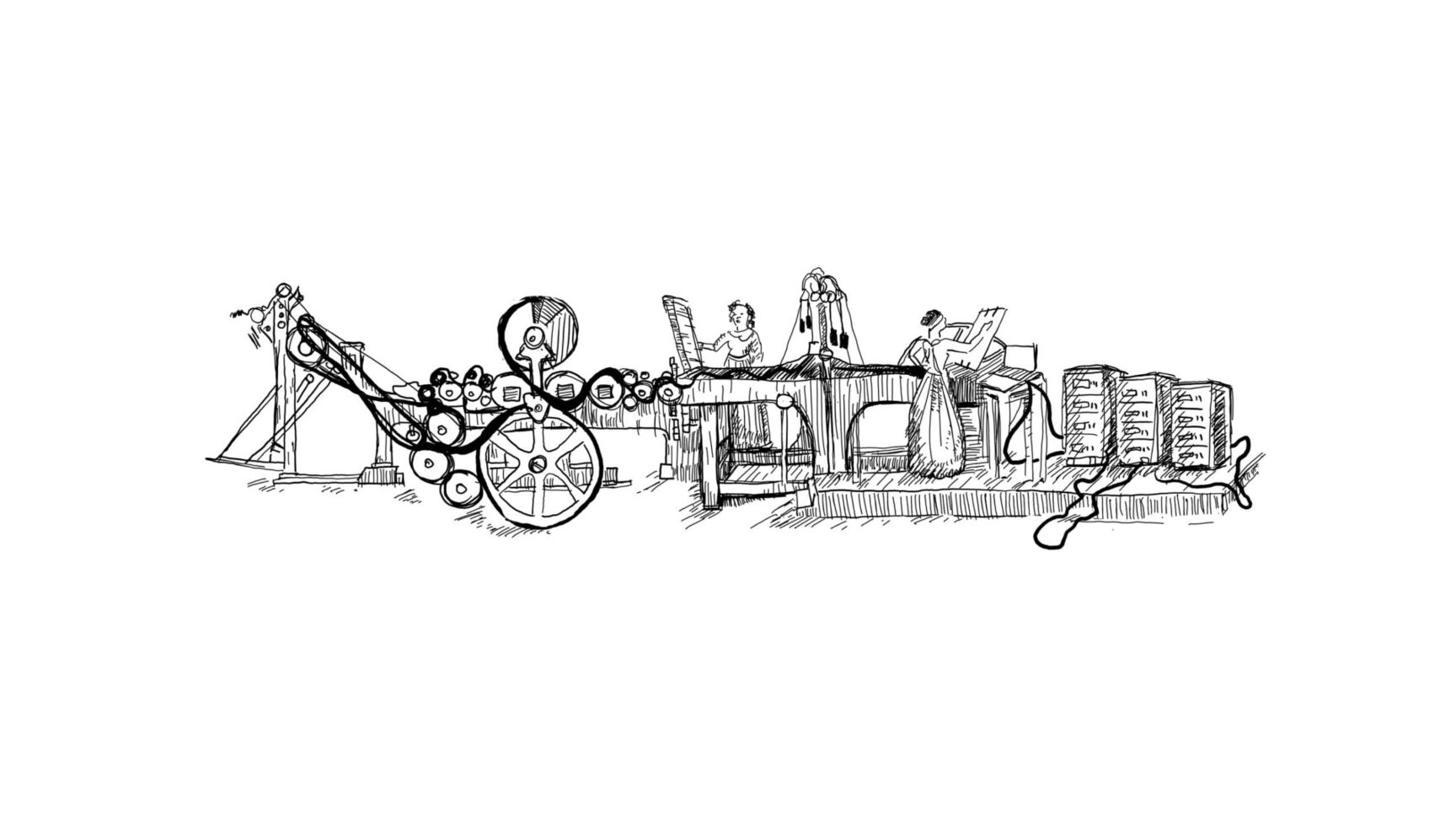
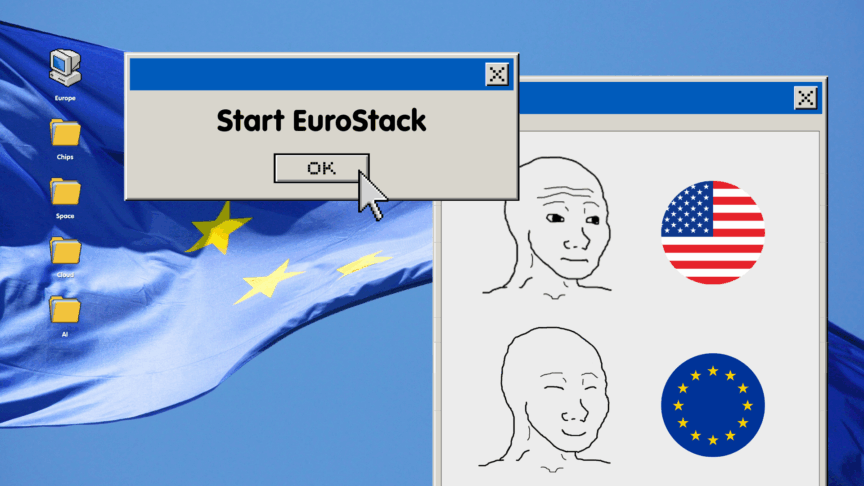
Inspired by Flaubert’s “Dictionary of Received Ideas,” this ECFR special tests eight mainstream narratives about the world economy against hard data. The result: new, data-driven definitions, and what each means for the EU
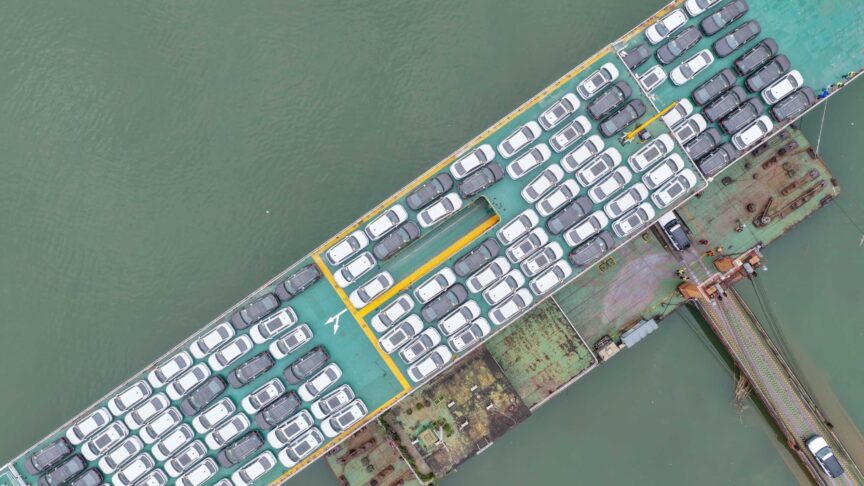
Europe has a China problem and pretending otherwise is making it worse. Chinese cheap exports and a monopoly on rare earths are not just economic irritants, but leverage wielded deliberately. Europeans can no longer just de-risk. They need a deterrence strategy with teeth
Sala Chiostro, Palazzo Ripetta, Via di Ripetta 231, 00186
·ECFR Rome
Dai droni alle infrastrutture critiche sottomarine, dalla manipolazione dell’informazione agli attacchi cibernetici, le minacce ibride contro l’Europa sono diventate sempre più frequenti e sofisticate, mentre il dilemma dell’attribuzione rende ancora più complessa la risposta europea. Questo appuntamento del Circolo dell’ECFR intende promuovere un confronto tra istituzioni, mondo accademico, think tank e settore privato…
This event is part of a series – see below for more details Tech policy is saturated with sporting metaphors these days. At fancy dinners, someone will almost always point out that technological development is a marathon, not a sprint—whatever that means. Yet for Europeans, the relay may be a better metaphor. On…
This event is part of a series – see below for more details Conventional wisdom holds that China has a tight grip on Europe’s supply of critical raw materials and essential medicines. However, when it comes to critical raw materials, the data reveals a nuanced picture. Despite the current focus on China,…
Inspired by Flaubert’s “Dictionary of Received Ideas,” this ECFR special tests eight mainstream narratives about the world economy against hard data. The result: new, data-driven definitions, and what each means for the EU
This event is part of a series – see below for more details For decades, global policymakers have been waiting for the emergence of a post-dollar world. On paper, this was not in vain: in recent years, US adversaries — chief among them Russia and China — have loudly advocated for payments in…
This event is part of a series – see below for more details After Russia invaded Ukraine in 2022, analysts expected that, amid stringent G7/EU sanctions, Moscow would turn to China to export hydrocarbons and replace the high-tech goods it could no longer buy from Western companies. This was in theory. …
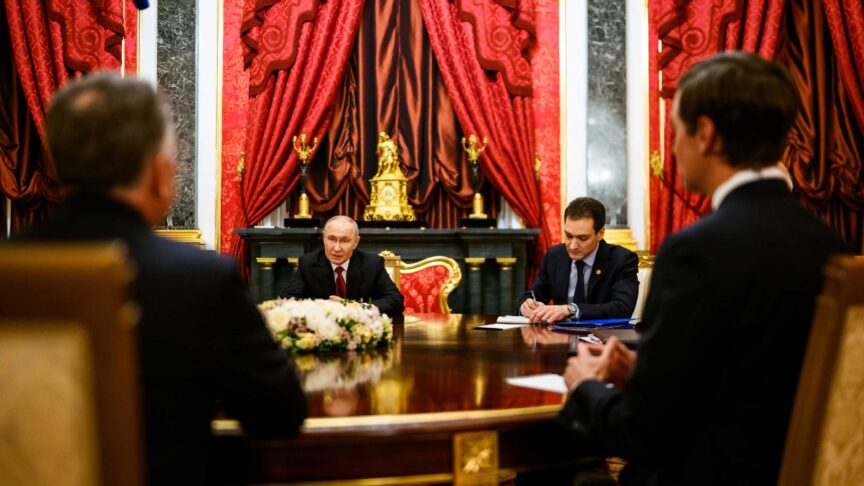
In just a few weeks the White House has lifted some sanctions on Russia and offered Moscow lucrative business deals. If European governments act fast, they can have a say in these talks
With American competitiveness declining, the EU has a chance to offer tech start-ups something better. To create this new generation of EU Incs, the bloc will first need to better align its regulation and resources
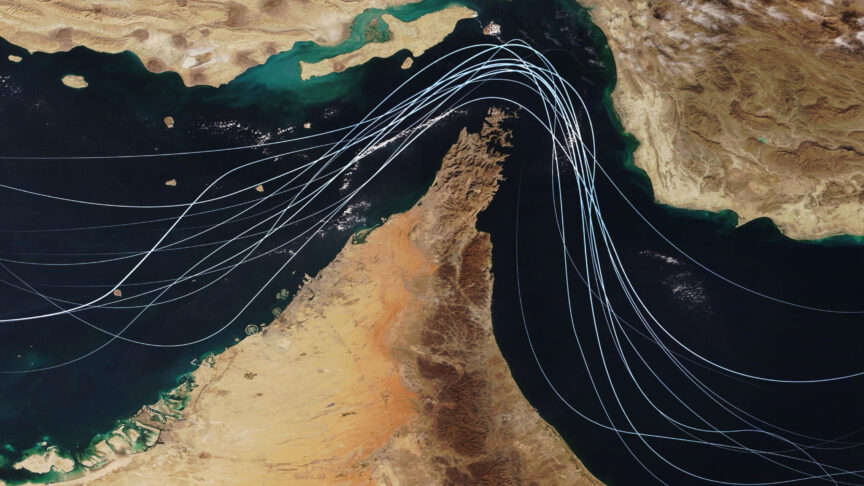
La chiusura dello Stretto di Hormuz ha posto l’Europa di fronte a una doppia sfida: ripensare la transizione energetica in un contesto di forte incertezza sugli idrocarburi e sviluppare nuove rotte di connettività per ridurre la vulnerabilità a shock geopolitici. Tra i temi al centro del confronto: l’elettrificazione come pilastro necessario ma non sufficiente,…
Europe has a China problem and pretending otherwise is making it worse. Chinese cheap exports and a monopoly on rare earths are not just economic irritants, but leverage wielded deliberately. Europeans can no longer just de-risk. They need a deterrence strategy with teeth
Will Brown, Jana Kobzová, Nicu Popescu, José Ignacio Torreblanca
Policy Brief
Europe’s defensive measures to shield its democracies from hybrid attacks are no longer enough. If Europeans want to protect their peace and prosperity, the time has come for them to fight back
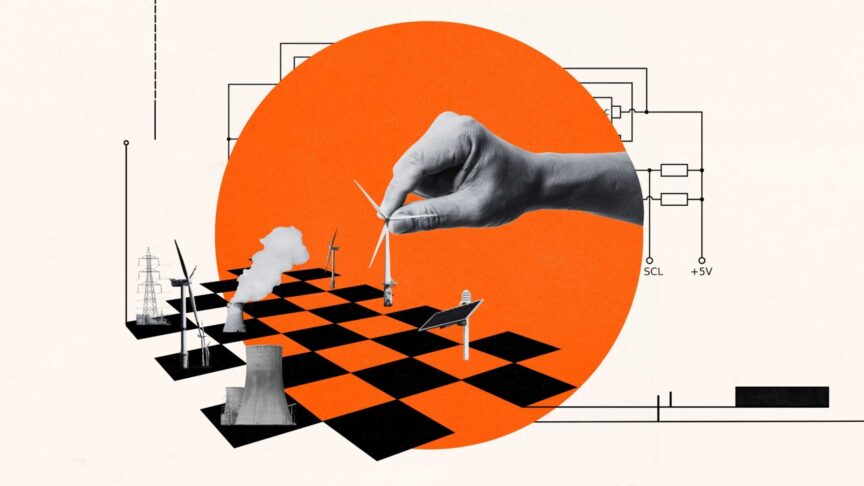
The geoeconomic power of the future will be shaped by climate policy. Countries that play the right moves in regulation, clean-tech production and climate finance today will win in the electrified world of tomorrow
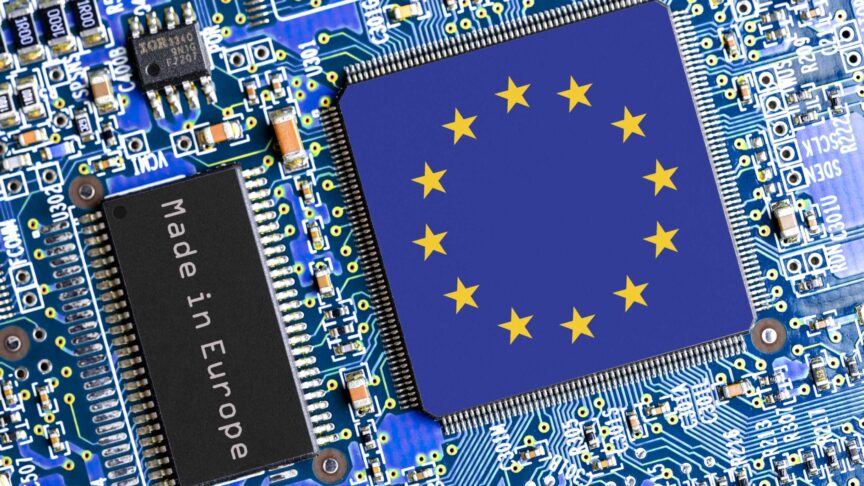
Foreign technology companies cannot be entrusted with meeting Europe’s growing digital needs. This includes American big tech firms. Here’s what Europeans should do
The US president is throwing the EU lots of economic curveballs. Brussels should not be distracted by these; instead, it should double down on adopting measures that will benefit the bloc long after Donald Trump leaves the White House
European policymakers should take the long view on demographic change, strengthening Europe’s place in the world through stronger international partnerships, the use of technology and EU enlargement
Faced with an aggressive United States, Europe has more leverage than it realises. Across trade, technology, infrastructure, finance and people-to-people relations it has ways of retaliating
The EU lacks cohesive governance to deploy economic statecraft tools, such as sanctions and export controls, undermining their impact and the bloc’s global credibility. The creation of an EU network focused on the design and implementation of these tools could help fix this
The EU is falling behind the US and China in the digital realm. It urgently needs a new agenda combining innovation, security, and influence for an age of geopoliticised technology
In just a few weeks the White House has lifted some sanctions on Russia and offered Moscow lucrative business deals. If European governments act fast, they can have a say in these talks
With American competitiveness declining, the EU has a chance to offer tech start-ups something better. To create this new generation of EU Incs, the bloc will first need to better align its regulation and resources
Amid fears of an Iran war-fuelled global food crisis, Moscow is weaponising access to its fertiliser supplies in both Western countries and developing economies
France’s G7 presidency coincides with an American-led G20. Paris will not find it easy to collaborate with the Trump administration, but it can still find meaningful areas for G7-G20 cooperation
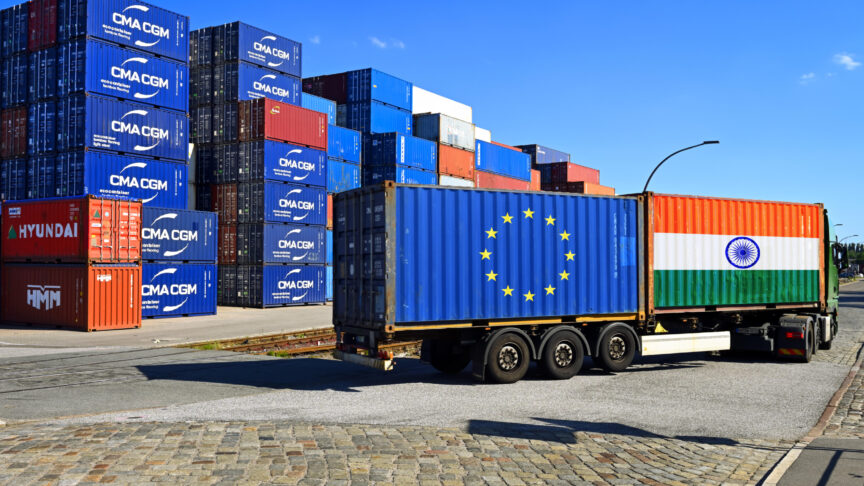
The EU and India have just concluded the biggest trade deal in their respective histories. Europeans will benefit from lower tariffs with the G20’s fastest-growing economy—and potentially game-changing geoeconomic ties
Inspired by Flaubert’s “Dictionary of Received Ideas,” this ECFR special tests eight mainstream narratives about the world economy against hard data. The result: new, data-driven definitions, and what each means for the EU
Mark Leonard welcomes Agathe Demarais and Janka Oertel to examine the diverse perspectives on US-China relations and how Europe can navigate this changing geopolitical landscape
Mark Leonard welcomes Tobias Gehrke and José Ignacio Torreblanca to explore Europe’s leverage against Donald Trump’s economic and technological coercion
Mark Leonard welcomes Agathe Demarais and Abraham Newman to discuss how Europe can overcome its internal dysfunction to meet the geoeconomic challenges of today
Mark Leonard welcomes Agathe Demarais and Janka Oertel to discuss EU tariffs on Chinese electric vehicles and the potential for future economic sanctions
In the first big multilateral test for prime minister Giorgia Meloni, this mini-series will explore the four main priorities of Italy’s 2024 G7 presidency: Ukraine, AI, infrastructure, and Africa
Sala Chiostro, Palazzo Ripetta, Via di Ripetta 231, 00186
·ECFR Rome
Dai droni alle infrastrutture critiche sottomarine, dalla manipolazione dell’informazione agli attacchi cibernetici, le minacce ibride contro l’Europa sono diventate sempre più frequenti e sofisticate, mentre il dilemma dell’attribuzione rende ancora più complessa la risposta europea. Questo appuntamento del Circolo dell’ECFR intende promuovere un confronto tra istituzioni, mondo accademico, think tank e settore privato…
This event is part of a series – see below for more details Tech policy is saturated with sporting metaphors these days. At fancy dinners, someone will almost always point out that technological development is a marathon, not a sprint—whatever that means. Yet for Europeans, the relay may be a better metaphor. On…
This event is part of a series – see below for more details Conventional wisdom holds that China has a tight grip on Europe’s supply of critical raw materials and essential medicines. However, when it comes to critical raw materials, the data reveals a nuanced picture. Despite the current focus on China,…
This event is part of a series – see below for more details For decades, global policymakers have been waiting for the emergence of a post-dollar world. On paper, this was not in vain: in recent years, US adversaries — chief among them Russia and China — have loudly advocated for payments in…
This event is part of a series – see below for more details After Russia invaded Ukraine in 2022, analysts expected that, amid stringent G7/EU sanctions, Moscow would turn to China to export hydrocarbons and replace the high-tech goods it could no longer buy from Western companies. This was in theory. …
La chiusura dello Stretto di Hormuz ha posto l’Europa di fronte a una doppia sfida: ripensare la transizione energetica in un contesto di forte incertezza sugli idrocarburi e sviluppare nuove rotte di connettività per ridurre la vulnerabilità a shock geopolitici. Tra i temi al centro del confronto: l’elettrificazione come pilastro necessario ma non sufficiente,…
Reflecting on the findings from our previous events and drawing on Mark Leonard’s latest IPPR paper, Britain’s strategy for a decade of danger: Our nation, our continent, our world, the discussion will examine competing visions for Britain’s role in the world—from renewed reliance on the US, to a more globally diversified approach, to a strategic pivot…
As the UK pursues its ambition to become a “clean energy superpower”, it will have to navigate working with major geopolitical partners, like China and the EU, and the strategic trade-offs involved with aligning closer with one over the other. China has become an increasingly important supplier, investor, and manufacturer across key clean technologies,…
Maison de la Chimie, 28 rue Saint-Dominique, Paris, France
·ECFR Paris
The G7 and its close partners, particularly the Republic of Korea (ROK), face a rapidly evolving geopolitical landscape marked by growing economic competition, technological fragmentation, and mounting security challenges. From supply chain vulnerabilities to shifting alliances and rising geopolitical tensions, these developments are testing the resilience of existing frameworks for international cooperation
Quest’anno lo European Council on Foreign Relations (ECFR) e l’Institute of Sustainable Development and International Relations (IDDRI) co-presiedono il Think7 (T7), il gruppo di consultazione ufficiale del G7 per i think tank e i centri di ricerca a livello mondiale, con l’obiettivo di elaborare nuove proposte politiche per i paesi del G7. In questo contesto, ECFR ha preparato 4 solution…
Subscribe to our newsletters
Be the first to know about our latest publications, podcasts, events, and job opportunities. Join our community and stay connected!