
Acts of normality: The potential for Turkey-Armenia rapprochement
After decades of tension, Turkey and Armenia now feel it is in their interest to normalise their relationship – not least to promote trade and to balance against Russian influence

After decades of tension, Turkey and Armenia now feel it is in their interest to normalise their relationship – not least to promote trade and to balance against Russian influence
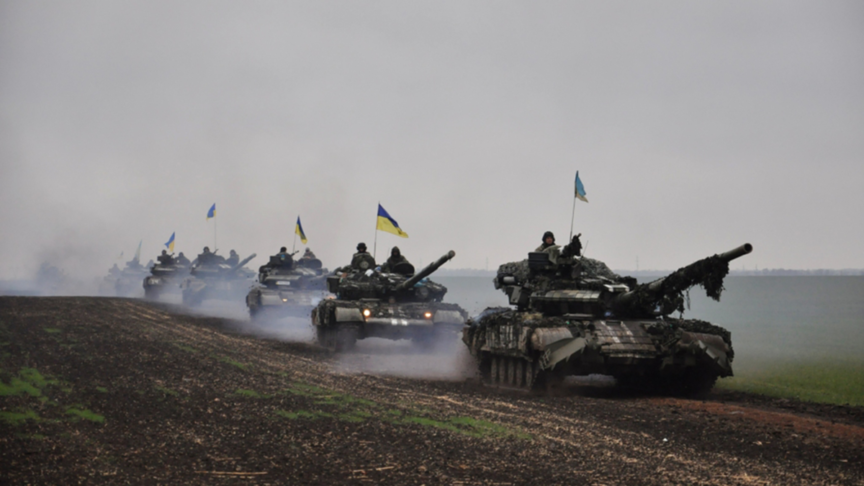
Heightened conflict in Ukraine could have serious consequences for European interests in the Middle East and North Africa. It could further disrupt energy supplies, exacerbate food insecurity, and help states in the region gain leverage over the US and Europe
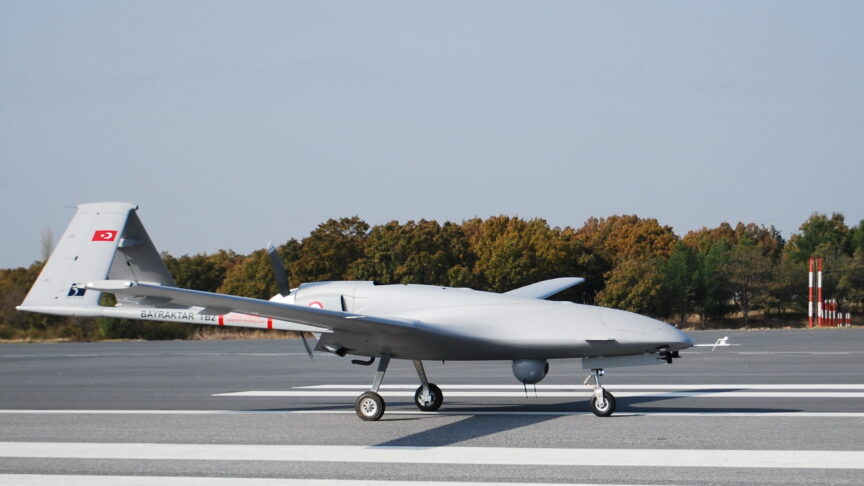
Turkey has shown how drones can be a powerful foreign policy asset. The EU and its member states should work with the country to lead the development and regulation of this technology
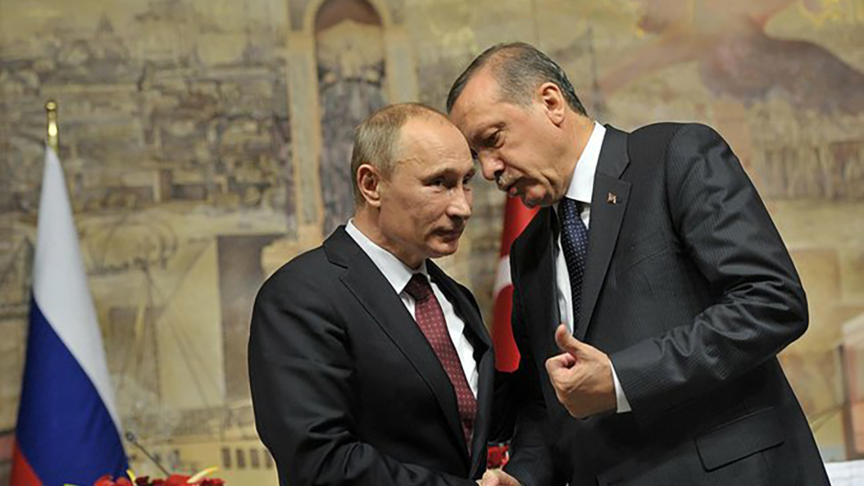
Turkey would attempt to sit on the fence if conflict breaks out in Ukraine. But with domestic challenges rising at home, Recep Tayyip Erdogan may not be able to withstand the pressure from either Russia or NATO allies
Should the next German government ditch Merkel’s “constructive dialogue” with Turkey and join France and Greece for a more confrontational approach?
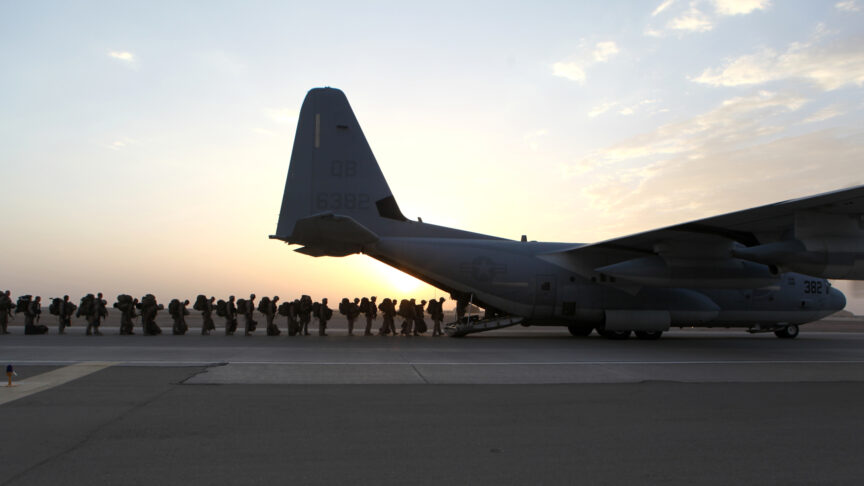
ECFR’s policy experts examine what the Taliban takeover means for countries and regions around the world: Europe, the US, the Middle East, Russia, China, Iran, Turkey, and the Sahel
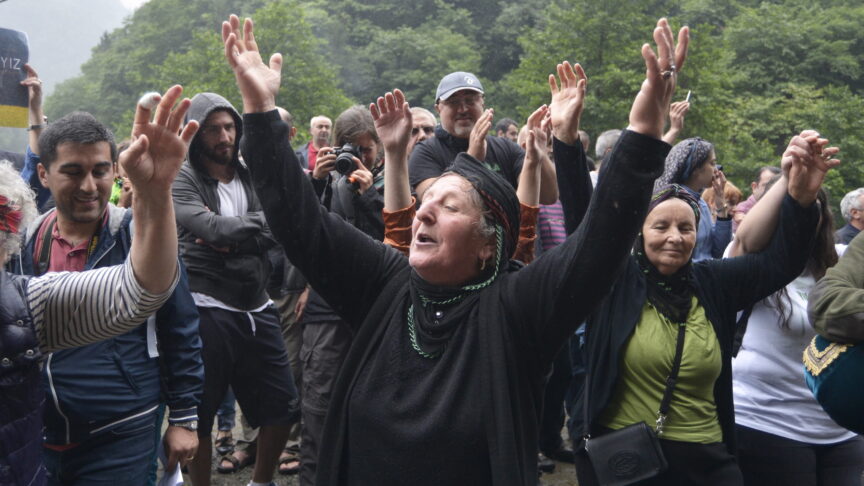
EU member states should help Turkey manage the impact of the new trade regulations the deal would bring in
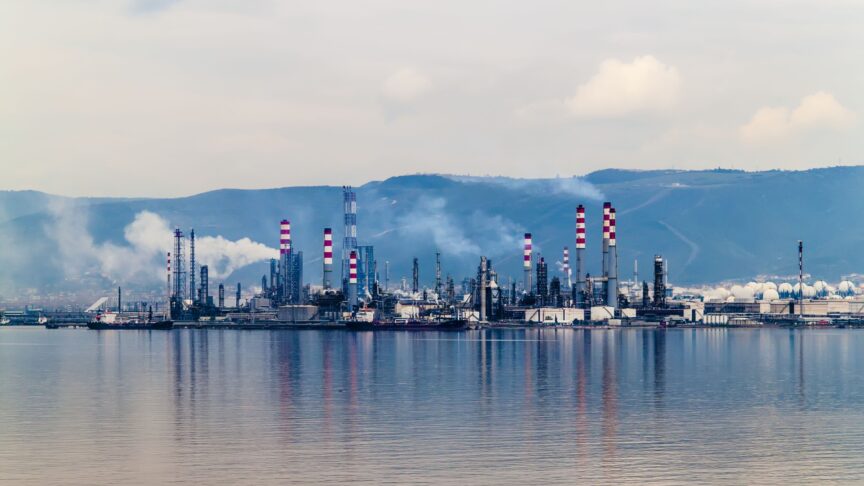
How will the European Green Deal affect the EU’s relationship with Turkey?

The Turkish president no longer commands all before him. The EU should turn its attention to supporting democratic forces in the country

The EU and Turkey have a mutual strategic interest in developing a constructive, cooperative, and sustainable relationship